

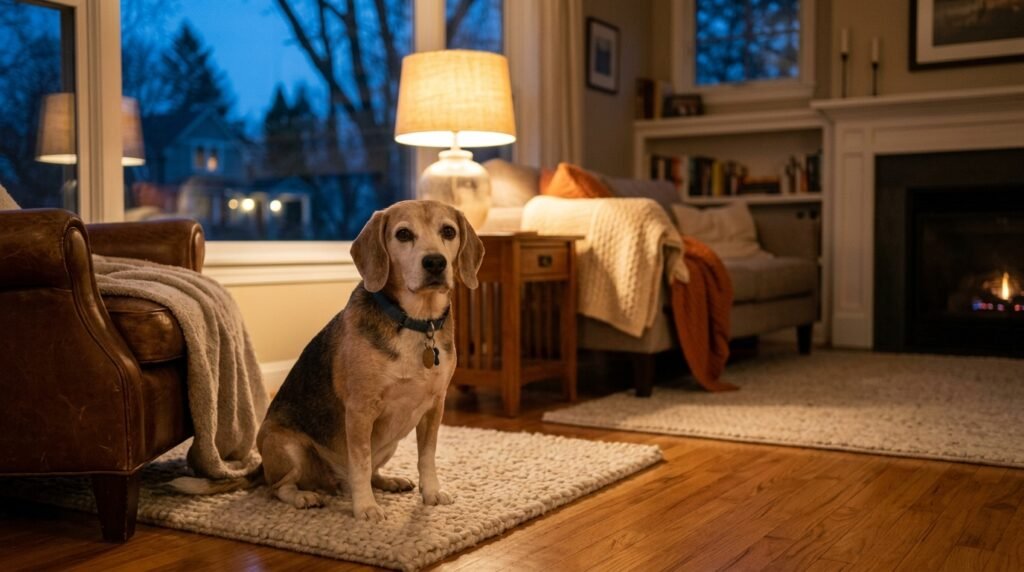
Watching your senior pet experience sundowners in dogs is distressing and exhausting. As twilight settles outside, you notice a dramatic shift in your dog’s behavior. An old dog who slept all afternoon peacefully suddenly stands up, paces restlessly across the room, pants softly, or stares into dark corners with a confused expression.
You wonder why your dog seems so unsettled as soon as the sun goes down. You worry whether this evening agitation indicates physical pain or progressive brain changes.
Your concern is completely valid. Sundowning is a recognized behavioral pattern associated with Canine Cognitive Dysfunction Syndrome, often referred to as dog dementia. If you are asking do dogs get dementia, understanding how age-related cognitive decline develops helps you implement calming changes that restore peace. Understanding why your dog struggles in the evening helps you make gentle environmental changes that restore safety and calm to your home.
Quick Answer:
Sundowners in dogs refers to increased anxiety, disorientation, and pacing that occurs in senior pets during late afternoon and evening hours. Driven by Canine Cognitive Dysfunction (CDS), sundowning results from age-related brain changes, disrupted circadian sleep rhythms, and sensory loss in low light. It can be managed effectively with consistent routines, evening ambient lighting, and vet-guided therapies. For broader context on personality shifts, read our checklist on old dog behavior changes. To monitor the progression of cognitive decline, review our breakdown of dog dementia symptoms by stage.
Key Takeaways:
- Core Trigger: Age-related cognitive decline, beta-amyloid protein accumulation in the brain, and disrupted sleep-wake cycles.
- Common Signs: Evening pacing, vocalization (whining/barking), getting stuck behind doors, staring at walls, and nighttime restlessness.
- Key Home Fix: Keep living areas brightly lit before dusk, maintain strict daily routines, and establish a quiet wind-down routine.
- Veterinary Assessment: Vets evaluate symptoms using the DISHAA scale and rule out arthritis pain or metabolic disease.
This guide explains why senior dogs experience sundowning, key cognitive symptoms, veterinary diagnostic tools, and five practical home steps to help your dog relax at dusk.
Why Sundowning Symptoms Worsen at Dusk
Sundowning is closely tied to the transition from day to night. As natural sunlight fades, indoor shadows lengthen and room contrast changes dramatically.
For a senior dog experiencing age-related vision loss or cognitive impairment, dim lighting creates a disorienting environment. Objects that looked familiar during the day become unfamiliar shapes in the dark, triggering instinctual fear and pacing.
| DISHAA Category | Observable Senior Dog Behavior |
|---|---|
| Disorientation | Staring at walls, getting stuck in corners or behind doors |
| Interactions | Seeking constant reassurance or withdrawing from family members |
| Sleep-Wake Cycles | Sleeping deeply all day and pacing anxiously throughout the night |
| House-soiling | Accidents indoors despite prior consistent house training |
| Activity & Anxiety | Repetitive pacing, panting, trembling, or evening whining |
Understanding these categories helps you track behavioral patterns for your veterinarian. Let us examine the main drivers of evening agitation.
6 Main Triggers of Sundowners in Dogs
1. Disruption of Biological Circadian Rhythms
The brain relies on the pineal gland and neurotransmitters to regulate internal biological clocks. In senior dogs with cognitive decline, the production of melatonin drops significantly.
Without adequate melatonin, your dog loses their natural perception of time. Their body fails to recognize dusk as the time to wind down, leading to alertness and pacing when the household is trying to sleep.
2. Progressive Neurodegeneration and Amyloid Plaques
Canine Cognitive Dysfunction involves the gradual deposition of beta-amyloid proteins inside brain tissue. These protein deposits disrupt nerve pathways controlling memory and emotional processing.
As nerve connections break down, simple daily awareness fades. Your dog experiences sudden surges of confusion that peak when visual environmental cues diminish at night.
If your dog wanders anxiously at night, read our complete guide on senior dog dementia sleep solutions for night routine fixes.
3. Sensory Loss and Shadow Confusion
Nuclear sclerosis and cataracts affect most dogs over age ten. Cloudy lenses impair depth perception and make navigating low-light spaces difficult.
When evening shadows fall across furniture, your dog may perceive everyday household objects as obstacles. That sensory deprivation creates immediate fear, prompting them to pace continuously near owners.
4. Chronic Arthritis Pain Peak in the Evening
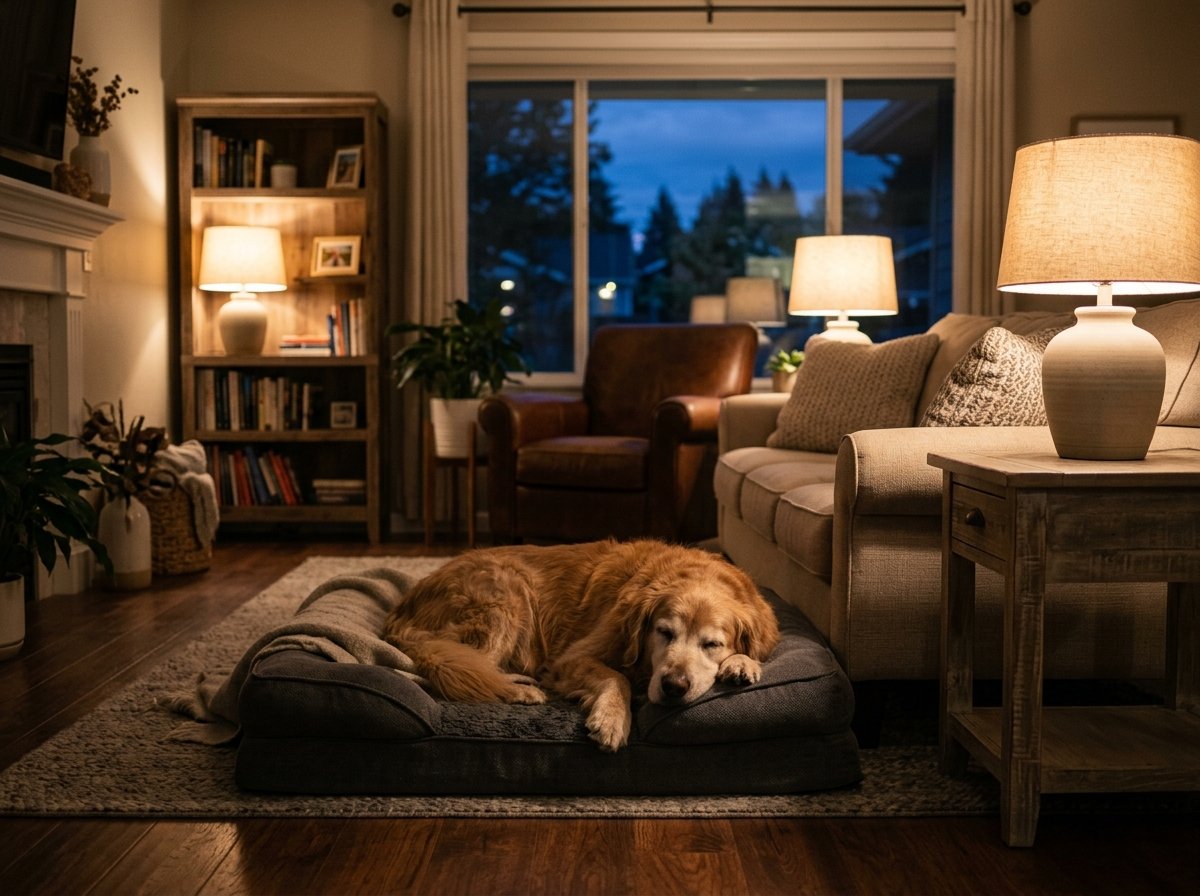
Joint pain and stiffness often peak in the evening after a day of light movement. As joint cartilage thins, inflammation builds up in hips, knees, and spinal joints.
Physical ache makes lying still uncomfortable. Your dog may lie down, feel a sharp joint throb, and stand right back up to pace. It is very easy to mistake joint pain restlessness for cognitive sundowning.
Explore our overview on keeping senior dogs comfortable to optimize bedding and joint warmth.
5. Undetected Medical Conditions (UTIs & Cushing’s)
Internal medical issues can trigger evening anxiety. Urinary tract infections, kidney strain, and Cushing’s disease increase thirst and bladder pressure dramatically.
A senior dog struggling with an overfull bladder feels intense internal urgency as night approaches. They pace near doors or whine at your side because they are trying hard to avoid having an indoor accident.
A quick veterinary urinalysis can instantly confirm or rule out an underlying bladder infection.
6. Over-tiredness or Lack of Mental Stimulation
Paradoxically, both extreme physical exhaustion and total daytime boredom can aggravate evening sundowning.
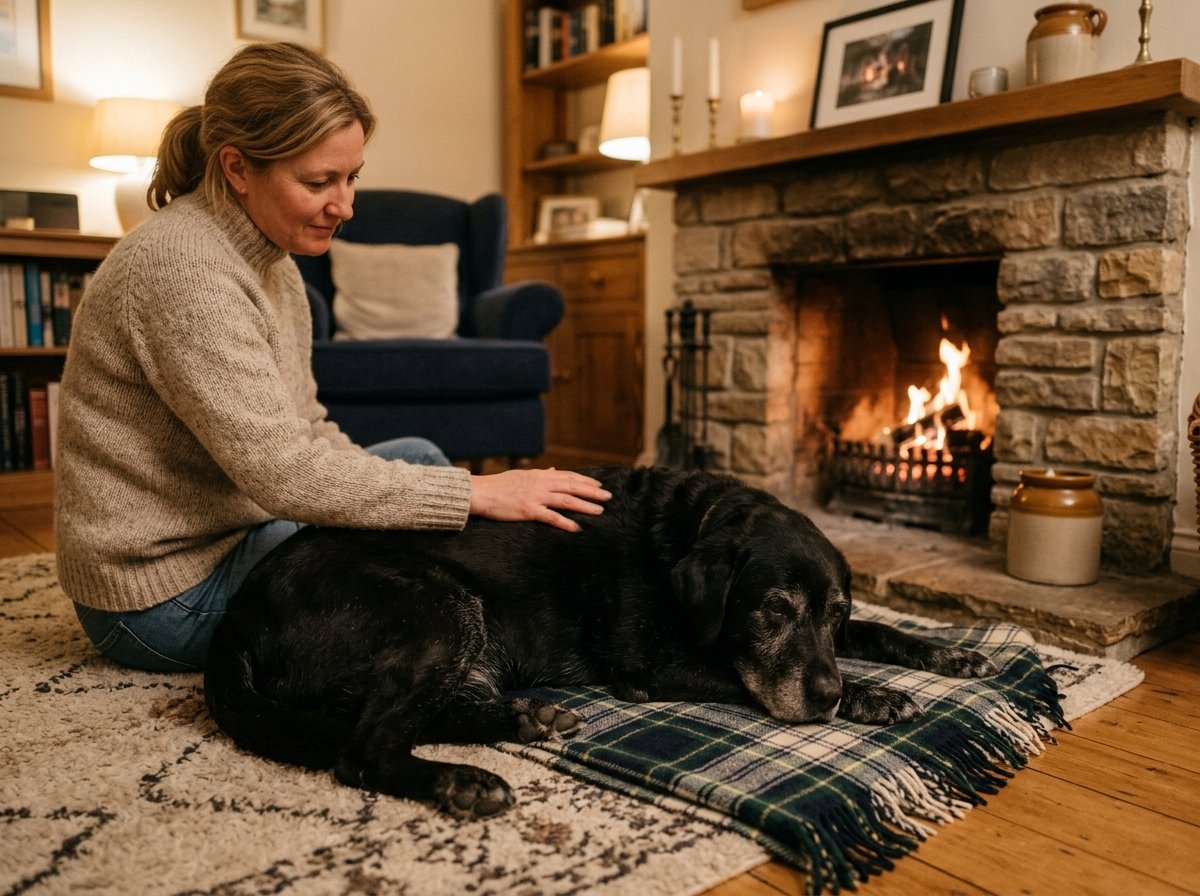
A senior dog who sleeps uninterrupted for 14 hours straight during the day wakes up at dusk with unused energy. Conversely, an overexerted dog experiences painful muscle fatigue that makes settling down difficult.
Balancing short, gentle daytime activities with structured rest keeps energy levels stable.
When to Call Your Vet: Diagnostic Red Flags
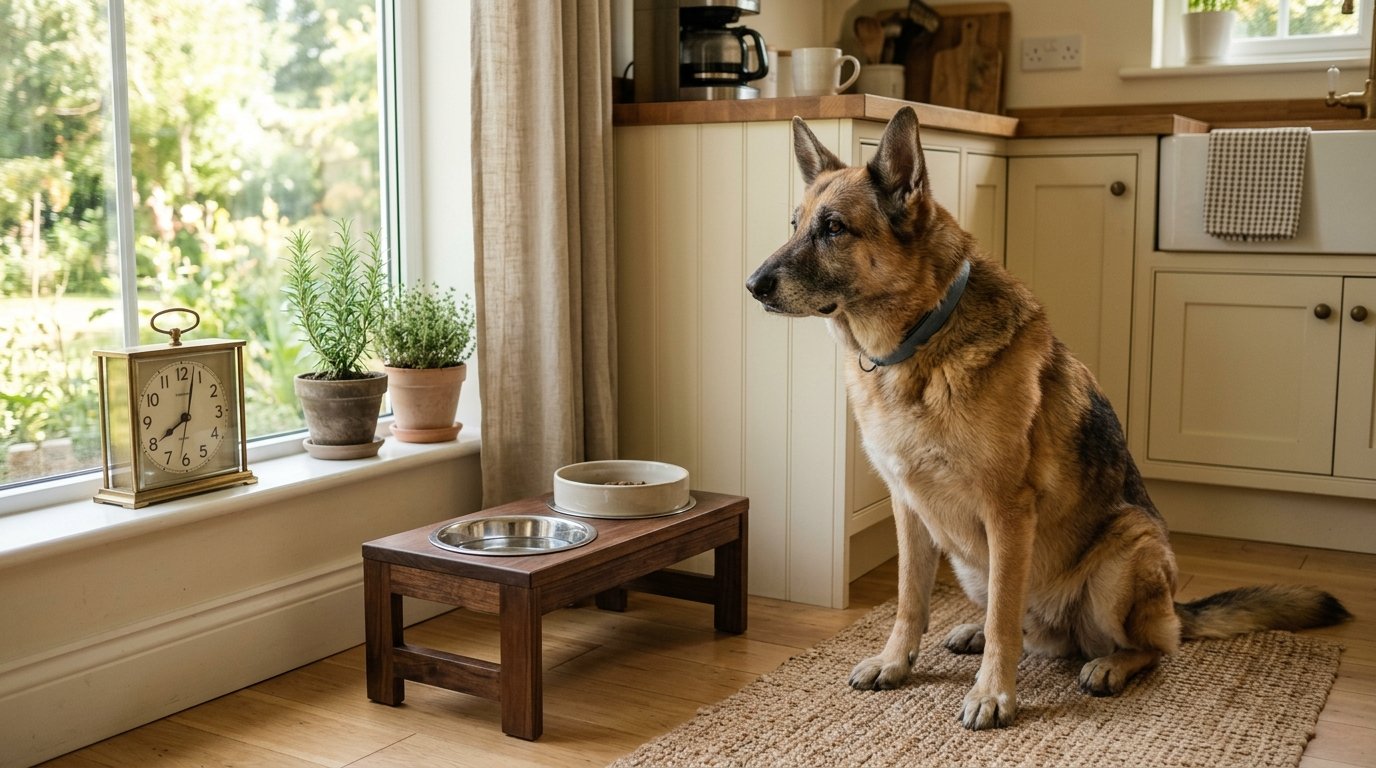
While home routines provide relief, a professional veterinary evaluation is essential to diagnose cognitive decline and rule out underlying pain.
| Behavioral Pattern | Recommended Veterinary Action |
|---|---|
| Evening pacing + Getting stuck in corners | Schedule DISHAA cognitive screening with your vet |
| Pacing + Sudden vocalizing or howling at night | Schedule vet exam to evaluate acute pain or anxiety |
| Pacing + Heavy panting while cool | Vet evaluation for pain flare-up or heart issues |
| Sudden onset of extreme disorientation | Same-day emergency exam for neurological issues |
Schedule a vet visit within a few days if:
- Evening restlessness has persisted for more than three consecutive days.
- Your dog is failing to recognize familiar family members or house layouts.
- Your house-trained dog starts having frequent indoor urine accidents.
Seek immediate emergency care if:
- Evening pacing is accompanied by severe panting, blue tongue, or collapse.
- Your dog appears in intense pain when touched or arches their back.
- Your dog experiences sudden muscle tremors or seizure activity.
Getting your vet involved early offers the best chance of slowing cognitive decline. The American Kennel Club senior dog health guide covers other health changes to watch for in older dogs.
5 Home Steps to Relieve Evening Sundowning
While working with your veterinarian, you can implement five practical environmental adjustments to soothe evening agitation.
1: Turn On Soft Ambient Lighting Before Dusk
Do not wait for darkness to fall before turning on household lights. Shadows begin forming as soon as late afternoon light fades.
Turn on warm, glare-free floor and table lamps throughout living areas around 4:00 PM. Bright, warm lighting eliminates dark corners and prevents shadow disorientation.
Keep plug-in LED nightlights illuminated in hallways, near water bowls, and next to your dog’s bed overnight.
2: Maintain a Predictable, Structured Daily Schedule
Predictability provides deep emotional security for a confused senior dog.
Serve meals, administer medications, and go for walks at the exact same times every day. A consistent schedule reduces anticipatory anxiety and stabilizes internal rhythms.
Learn how to design a balanced routine in our complete guide to building a healthy senior dog routine.
3: Conduct a Gentle Evening Sniffari Walk
Take your dog on a slow, 15-minute sniffari walk in the late afternoon before twilight.
Allow your dog to stop and sniff grass, trees, and fire hydrants at their own pace. Olfactory exploration stimulates the brain, burns gentle mental energy, and releases natural calming endorphins.
Follow the walk with a final outdoor bathroom trip and five minutes of gentle petting in a quiet room.
4: Create a Safe, Confined Evening Comfort Zone
Allowing a confused dog to wander through a large, dark house increases panic.
Confine your senior dog to a cozy, well-lit room where the family gathers. Place a supportive orthopedic memory foam bed on a non-slip rug near your seating area.
Run a quiet fan or white noise machine to drown out sudden outside sounds like wind or distant traffic.
5: Discuss Vet-Prescribed Therapies & Supplements
Never give human sleep aids, anti-anxiety drugs, or OTC medications to your dog without explicit veterinary authorization.
Veterinarians can prescribe effective, dog-safe medical therapies. Medications like Selegiline (Anipryl) support dopamine levels and improve cognitive clarity. Vet-recommended supplements containing Omega-3 fatty acids (DHA/EPA), Apoaequorin, or SAMe support brain cell health.
According to cognitive health guidelines on VCA Hospitals guide on canine cognitive dysfunction, combining vet medications with environmental changes yields the best results.
What Not to Do When Your Dog Experiences Sundowning
Avoid these common pitfalls when managing evening agitation:
- Never Scold or Punish: Yelling at a confused dog increases stress hormones, triggering severe panic and worse pacing.
- Do Not Confine in a Tight Crate: Locking a disoriented senior dog in a narrow crate can cause frantic clawing, tooth fractures, and panic.
- Do Not Over-Exert Before Bed: Strenuous nighttime exercise overfatigues weak muscles and worsens joint pain.
Frequently Asked Questions
What are the signs of sundowning in dogs?
Common signs include evening pacing, whining or barking at dusk, disorientation, getting stuck in corners, staring at walls, and inability to settle down when lights grow dim.
What causes sundowners in older dogs?
Sundowning is primarily caused by Canine Cognitive Dysfunction (dog dementia), age-related neurodegeneration, reduced melatonin production, and sensory vision loss in low light.
Can high blood pressure cause sundowning in dogs?
Yes. High blood pressure creates internal head pressure and restlessness that often worsens in quiet evening hours. Blood pressure screening should be part of your vet exam.
How can I help my old dog stop pacing at night?
Keep living areas brightly lit before dusk, establish a strict daily schedule, use orthopedic memory foam bedding, provide white noise, and consult your vet for safe cognitive medications.
Is sundowning in dogs a reason for euthanasia?
Sundowning alone is a manageable symptom. In most cases, targeted vet medications, nightlights, and routine changes successfully restore peaceful evenings and preserve quality of life.
Restoring Peace to Your Senior Dog’s Evenings
Caring for a pet with sundowners in dogs takes immense patience and empathy. Remember that your dog’s evening pacing is a sign of confusion, not bad behavior.
By keeping living spaces brightly lit, sticking to predictable routines, upgrading bedding, and consulting your veterinarian, you can help your old friend enjoy peaceful, comforting evenings once again.
Always work closely with your veterinarian to diagnose medical causes and tailor a safe care plan. Review official guidance from the American Veterinary Medical Association senior care FAQ to support your pet in their golden years.