


Learning that your aging companion may be facing kidney failure in dogs is a frightening moment for any pet parent. You notice your sweet senior dog drinking twice as much water as usual, making frequent trips to the yard, or backing away from their dinner dish with subtle nausea.
You wonder if these changes are simply part of growing older and you worry about what a renal diagnosis means for your dog’s daily comfort, energy levels, and overall life expectancy.
Your concern is completely natural. Chronic kidney disease is one of the most common medical conditions affecting dogs over age eight. Fortunately, a kidney diagnosis is not an immediate end. With early detection, specialized dietary adjustments, and consistent hydration support, many senior dogs enjoy comfortable, happy months and years alongside their families.
Quick Answer:
Kidney failure in dogs occurs when renal tissue loses its ability to filter metabolic waste products from the blood, leading to increased thirst, frequent urination, appetite loss, and nausea. While chronic kidney disease is progressive, early diagnosis through routine bloodwork and management with prescription low-phosphorus renal diets can preserve quality of life for months or years.
Key Takeaways:
- Primary Symptoms: Excessive thirst (polydipsia), increased urination, weight loss, selective appetite, and ammonia-smelling breath.
- IRIS Staging: Classified into 4 stages based on blood creatinine, SDMA levels, protein loss, and blood pressure.
- Core Treatment: Transitioning to a prescription low-phosphorus renal diet and ensuring continuous hydration.
- When to Call the Vet: Persistent vomiting, pale gums, complete food refusal, or sudden lethargy requires immediate care.
This guide explains how canine kidneys function, the four clinical IRIS stages of renal disease, key warning signs, and practical home care steps to protect your senior dog.
Understanding How Kidney Disease Affects Senior Dogs
The kidneys act as your dog’s internal filtration plant. They process blood constantly, removing metabolic waste products, balancing electrolyte concentrations, regulating blood pressure, and helping maintain red blood cell production.
Kidneys possess a massive reserve capacity. In fact, dogs rarely show visible outward symptoms until approximately 75 percent of functional kidney tissue has been compromised. As filtration capacity drops, waste products like blood urea nitrogen and creatinine accumulate in the bloodstream.
| Stage (IRIS System) | Clinical Features & Blood Markers | Typical Management Focus |
|---|---|---|
| Stage 1 (Early) | No visible symptoms; mild blood SDMA elevation | Hydration, avoiding nephrotoxic drugs |
| Stage 2 (Mild) | Increased thirst & urination; mild creatinine rise | Transition to low-phosphorus renal food |
| Stage 3 (Moderate) | Appetite changes, weight loss, mild nausea | Renal diet, anti-nausea meds, fluid support |
| Stage 4 (Severe) | Significant uremic nausea, vomiting, lethargy | Subcutaneous fluids, intensive palliative care |
Recognizing symptoms early allows veterinarians to intervene before waste accumulation causes severe systemic discomfort. Let us review the seven most common signs of kidney failure.
7 Warning Signs of Kidney Failure in Senior Dogs
1. Excessive Thirst and Increased Urination
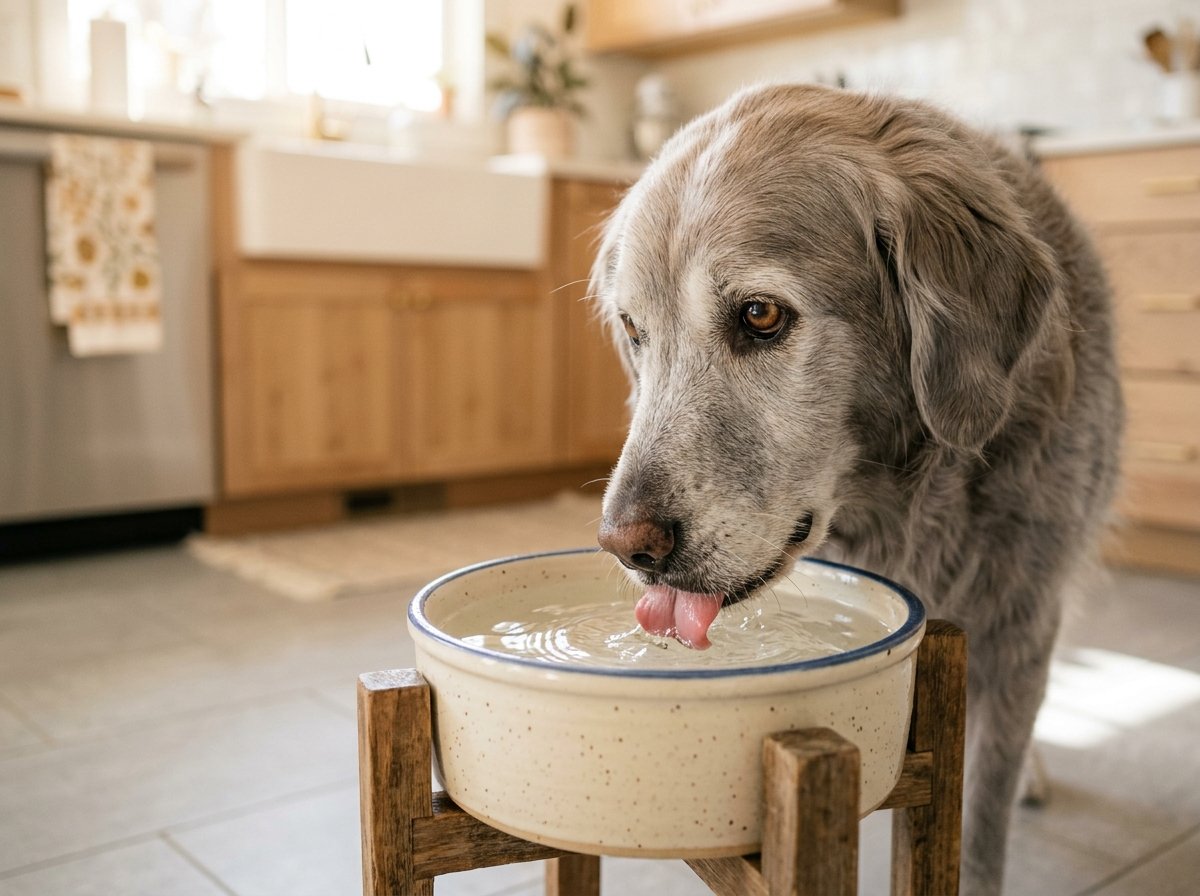
Increased drinking, known medically as polydipsia, is almost always the first sign of kidney decline. As kidney tissue loses its ability to concentrate urine, water passes straight through your dog’s system.
Your dog drinks large quantities of fresh water to compensate for fluid loss. You may notice their water dish needs constant refilling, or that your house-trained senior dog suddenly needs midnight bathroom trips.
Never restrict your dog’s access to water. Heavy drinking is a crucial reflex that prevents dangerous dehydration.
2. Selective Appetite Loss and Nausea
When metabolic waste products accumulate in the blood, your dog experiences persistent, low-grade nausea. It feels very similar to a chronic stomach bug in humans.
Your dog may walk up to their food bowl, sniff eagerly, and then turn away without eating. They may accept soft treats one day and refuse them the next.
If your dog is losing weight alongside appetite changes, explore our detailed guide on why your old dog is getting skinny to identify patterns of metabolic loss.
3. Progressive Muscle Wasting and Weight Loss
As kidney disease progresses, the body struggles to process dietary nutrients efficiently. In response, the body begins breaking down its own muscle tissue for energy.
You may notice your dog’s spine and hip bones becoming more prominent, even if their belly looks normal. Muscle loss along the back legs leads to physical weakness.
Tracking your dog’s weight monthly on a scale helps catch subtle weight decline long before it becomes obvious visually.
4. Uremic Breath and Mouth Ulcers
High levels of urea in the bloodstream produce a distinct odor on your dog’s breath. Vets refer to this as uremic breath, which often smells faintly of ammonia or chemical waste.
Additionally, circulating toxins can irritate sensitive oral tissues, causing painful ulcers on the gums or sides of the tongue. Mouth sores make chewing hard kibble painful.
If your dog licks their lips frequently or drools excessively, inspect their gums gently for red, raw patches.
5. Lethargy and Decreased Stamina
Healthy kidneys produce a hormone called erythropoietin, which signals bone marrow to manufacture fresh red blood cells. Damaged kidneys produce less of this hormone, leading to chronic anemia.
Anemia means less oxygen reaches your dog’s organs and muscles. Your dog may tire quickly during short walks, sleep far more than usual, or hesitate when stepping outside.
According to veterinary guidelines on VCA Hospitals renal care advice, managing anemia is a core pillar of mid-to-late stage kidney support.

6. Vomiting and Gastric Irritation
Uremic toxins irritate the stomach lining, causing hyperacidity and gastritis. Your dog may vomit clear fluid, yellow bile, or undigested food, especially in the early morning.
Vomiting accelerates fluid loss, creating a dangerous cycle of dehydration and worsening kidney strain.
Your veterinarian can prescribe gentle, dog-safe stomach protectors and anti-nausea medications to settle gastric distress.
7. Pale Gums and Dull Coat
Healthy dog gums are a vibrant pink color. When anemia develops from kidney disease, your dog’s gums become noticeably pale, light pink, or whitish.
Dehydration and poor nutrient absorption can also make the coat lose its shine, appearing dry, brittle, and unkempt.
Regularly checking your dog’s gum color takes only five seconds and provides a quick window into their red blood cell status.
When to Call Your Vet: Emergency Red Flags
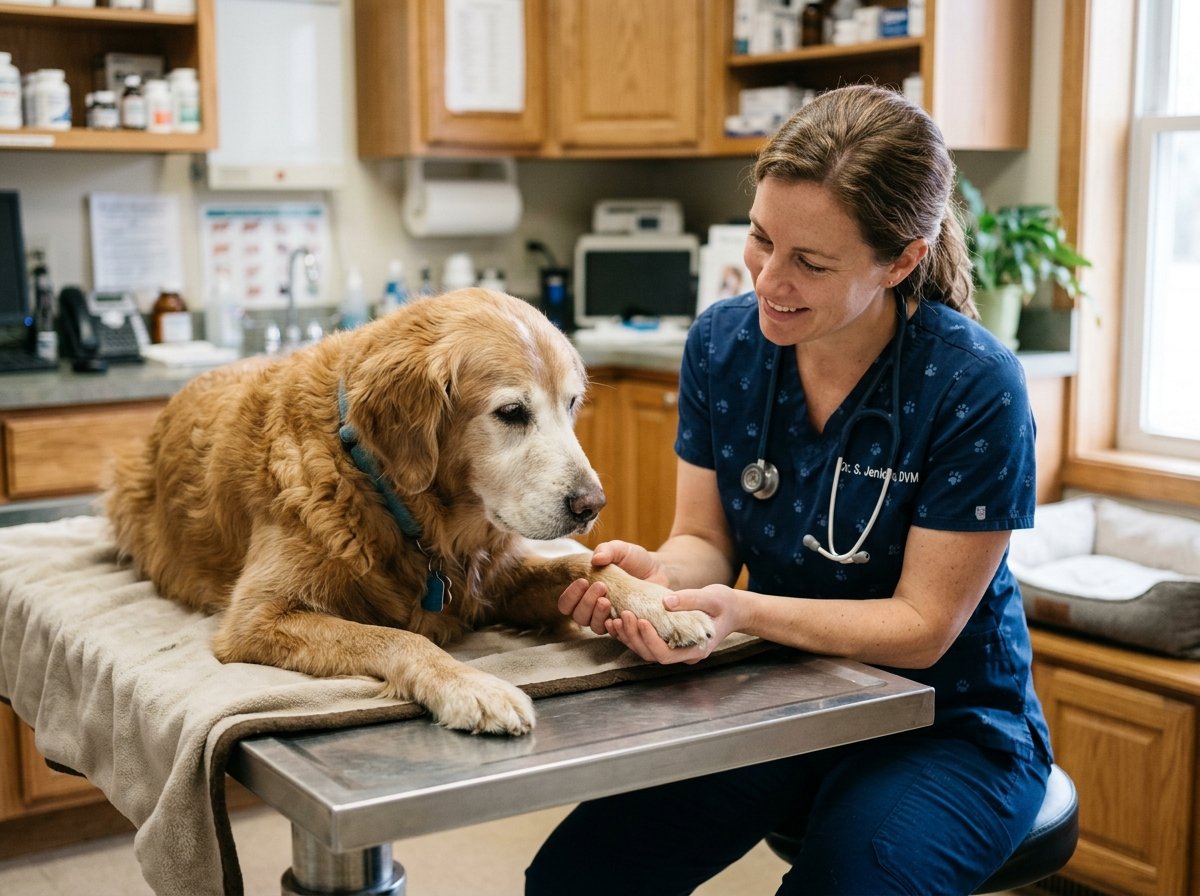
Chronic kidney disease is a manageable long-term condition, but acute spikes in toxin levels require prompt medical intervention.
| Symptom Combination | Required Veterinary Action |
|---|---|
| Increased thirst + Subtle weight loss | Schedule routine vet visit for blood & urine screening |
| Food refusal for 24 hours + Mild lethargy | Schedule non-emergency vet exam within 24 hours |
| Repeated vomiting + Complete food refusal | Same-day veterinary evaluation |
| Sudden inability to urinate OR pale gums + collapse | Immediate emergency clinic visit |
Schedule a routine vet exam if:
- Your dog is past age eight and has not had routine bloodwork in six months.
- You notice your dog drinking water more frequently throughout the day.
- Your dog is turning up their nose at hard dry kibble.
Seek immediate emergency care if:
- Your dog strains to urinate but produces little or no urine.
- Your dog vomits repeatedly and cannot keep water down.
- Your dog appears disoriented, stumbles, or collapses.
According to veterinary diagnostic recommendations in PetMD’s guide on chronic renal failure, routine screening of SDMA blood markers catches kidney changes up to two years earlier than traditional tests.
5 Safe Home Steps to Support a Dog with Kidney Disease
Alongside professional veterinary guidance, daily home care plays a vital role in maintaining your senior dog’s energy and appetite.
1: Transition to a Prescription Low-Phosphorus Renal Diet
Dietary modification is the single most effective medical tool for slowing kidney disease progression.
Damaged kidneys struggle to excrete excess phosphorus. High blood phosphorus levels accelerate kidney tissue damage and intensify nausea. Prescription renal diets contain strictly controlled phosphorus levels and high-quality, easily digestible protein sources.
Always transition to new renal food slowly over seven to ten days. Mix increasing amounts of renal food into their current food to prevent stomach upset.
2: Maximize Daily Hydration Options
Dehydration stresses remaining functional kidney tissue. Keeping your dog well-hydrated is essential.
Place multiple water bowls around your home so your dog never has to walk far for a drink. Add warm, low-sodium plain bone broth to their food to boost liquid intake.
Many senior dog owners find that pet water fountains encourage timid drinkers by offering fresh, flowing water.
3: Offer Soft, Warmed Meals in Small Portions
Cold food straight from the fridge lacks scent and can aggravate nausea in older dogs.
Warm wet renal food in the microwave for five to seven seconds to release enticing aromas. Offer small meals four to five times daily rather than one large dish.
If your dog is struggling to eat, explore our detailed feeding strategies on how to help a senior dog gain weight safely.
4: Maintain a Stress-Free, Comforting Home Routine
Stress causes spikes in cortisol, which can upset sensitive digestive linings in renal pets.
Keep daily feeding times, potty breaks, and bedtime routines consistent. Place supportive memory foam beds in warm, quiet areas away from busy household traffic.
Ensure your dog has easy indoor access to bathroom areas so they never feel anxious about house accidents.
5: Administer Vet-Prescribed Medications and Subcutaneous Fluids
Your veterinarian may prescribe phosphate binders, anti-nausea medications, or blood pressure drugs to support kidney function.
In mid-to-late stages, your vet may teach you how to administer gentle subcutaneous (under-the-skin) fluids at home. Giving fluids two or three times weekly flushes metabolic waste and keeps your dog feeling bright.
Never give human pain medications or unapproved supplements, as many human drugs are toxic to canine kidneys.
What Not to Do When Managing Canine Kidney Disease
Avoid these common mistakes when caring for a dog with renal decline:
- Never Restrict Water Access: Restricting water to stop nighttime accidents causes rapid, dangerous kidney dehydration.
- Do Not Feed High-Salt Table Scraps: Salty meats, deli cuts, and processed snacks increase blood pressure and strain kidney filtration.
- Do Not Abruptly Change Diets: Forcing a sudden diet change on a nauseous dog can cause complete food aversion.
Frequently Asked Questions
What is the life expectancy of a dog with kidney failure?
Life expectancy varies based on the IRIS stage at diagnosis. Dogs diagnosed in Stage 1 or Stage 2 can live comfortably for several years with renal management. In Stage 3, dogs often live 6 to 18 months, while Stage 4 ranges from weeks to months.
Can kidney failure in dogs be reversed?
Chronic kidney disease involves permanent loss of nephron tissue and cannot be reversed. However, prescription diets, hydration support, and vet care can significantly slow its progression.
Why is my dog with kidney disease drinking so much water?
Damaged kidneys lose their ability to concentrate urine, causing water to pass through quickly. Your dog drinks large amounts of water to replace lost fluid and flush out waste toxins.
What should I feed a senior dog with kidney disease?
Veterinarians recommend prescription renal diets that are low in phosphorus, moderate in high-quality protein, and enriched with Omega-3 fatty acids. Wet food is preferred to support hydration.
How do I know when a dog with kidney failure is suffering?
Signs of advanced suffering include unmanageable nausea, total food refusal, severe lethargy, pale gums, uremic breath, and inability to stand. Consult your vet to evaluate quality of life.
Supporting Your Senior Dog’s Golden Years
Facing kidney failure in dogs is emotionally challenging, but proactive management allows senior pets to enjoy wonderful days alongside their families. By prioritizing hydration, transitioning to renal food, and closely monitoring wellness, you give your dog the best support possible.
Always work with your veterinarian to monitor blood work and adjust care as your dog’s needs change. Check recommendations from the American Veterinary Medical Association senior pet care FAQ to stay informed about golden-year health.