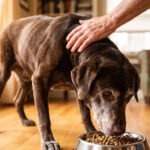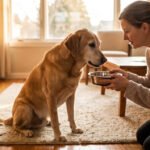

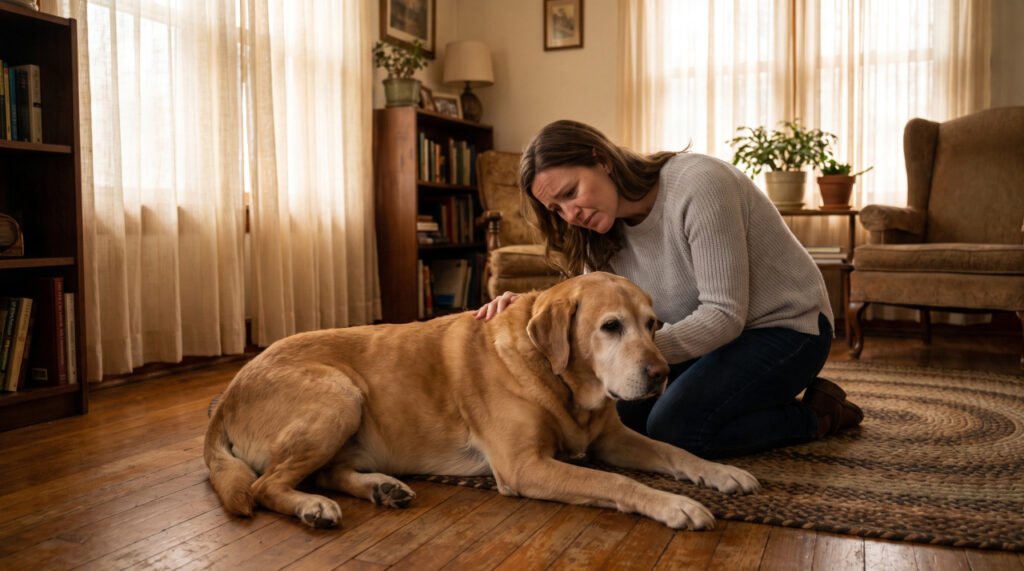
Notice your dog’s ribs more than you used to? You’re not imagining it. Studies show that up to 40% of dogs over the age of 11 experience significant unintended weight loss — and most owners don’t know whether to rush to the vet or simply change the food bowl. That uncertainty is exhausting, especially when it’s your dog.
If your old dog is getting skinny, this guide gives you a clear, honest picture of what’s happening. You’ll learn how to check your dog at home in under two minutes, which causes are common in seniors, which red flags need same-week vet attention, and what you can do about feeding and supplements right now.
Why Senior Dogs Lose Weight Differently
Weight loss in an older dog is not the same as weight loss in a young dog. When your senior dog loses weight, it’s rarely just one thing. Age brings a cascade of smaller changes — slower digestion, reduced appetite, muscle changes, and organ shifts — that compound quickly.
The most important thing you need to know first: is your dog losing fat, losing muscle, or both? These have completely different causes and completely different solutions. Most articles lump them together, and that leaves owners guessing.
Fat Loss vs. Muscle Loss — Why the Difference Matters
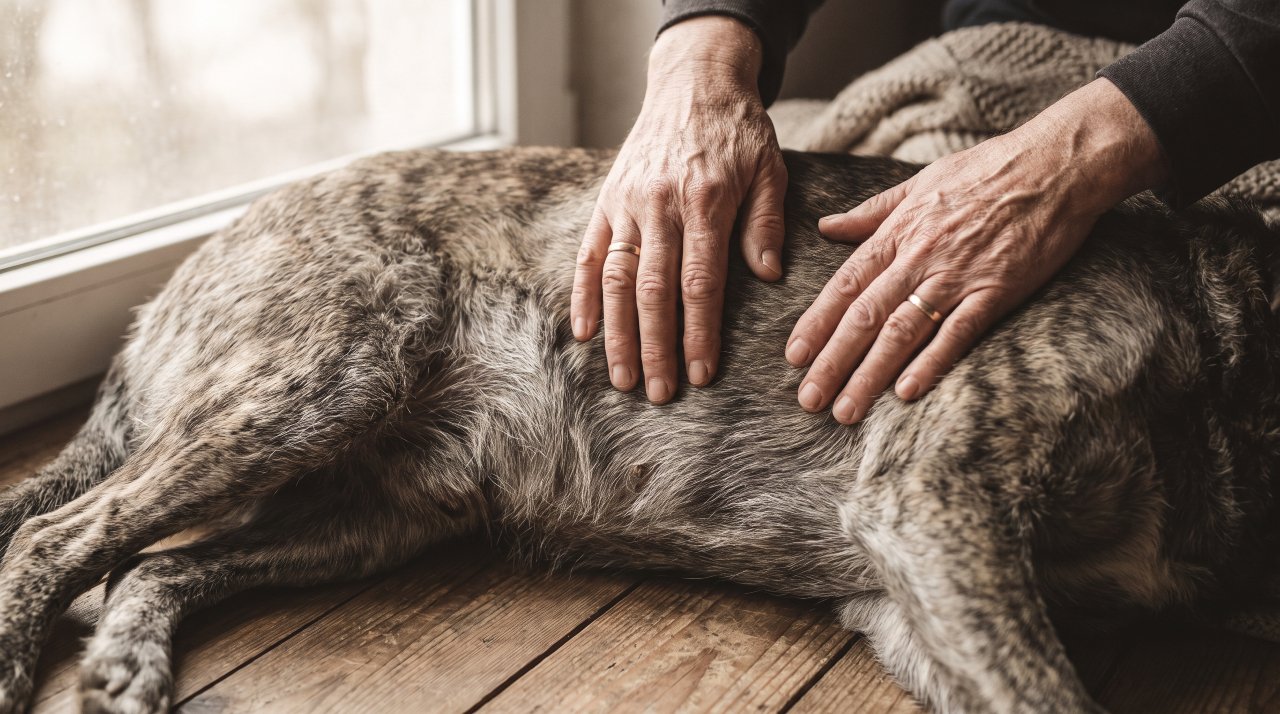
Fat loss in a senior dog often means the dog isn’t absorbing or consuming enough calories. Muscle loss — called sarcopenia — is a natural part of aging in dogs, just as it is in humans. According to veterinary research published in the Journal of Veterinary Internal Medicine, sarcopenia affects a significant proportion of geriatric dogs and can begin as early as age 8 in large breeds.
You can feel the difference at home. Run your hands along your dog’s spine, then over the hindquarters. If the spine feels like a row of sharp knobs and the back legs look hollow or sunken, that’s likely muscle loss. If you can count every rib without pressing, your dog is losing fat — and that needs attention faster.
Both can happen at once, which is why older dogs can look both bony and frail at the same time.
How To Check Your Dog’s Body Condition Score at Home
Vets use a Body Condition Score (BCS) scale — typically 1 to 9 — to rate how thin or heavy a dog is. You don’t need a vet visit to do a basic check.
Here’s a quick 60-second home assessment:
Ribs: Place your hands on your dog’s sides. You should feel ribs easily but not see them from across the room. If the ribs feel like a knife’s edge with no tissue between them and the skin, your dog is underweight.
Spine and hip bones: These should not be protruding visibly. If they do, your dog’s BCS is likely below 3 out of 9 — which puts them in the underweight range.
Waist: Looking from above, you should see a slight hourglass shape. A dog that looks like a table from above — flat and wide — may be a healthy weight. A dog with a dramatic tuck and visible skeleton is too thin.
If your dog scores in the underweight range, that’s not a “wait and see” situation. Take this result to your vet. The Association for Pet Obesity Prevention publishes a free visual BCS chart you can print and use at home.
9 Real Reasons Your Old Dog Is Getting Skinny
There’s no single answer. Here are the most common causes vets diagnose in senior dogs, ranked from most common to least.
1. Dental Pain and Mouth Disease
This is the most overlooked cause. A dog with painful teeth, gum disease, or oral tumors will eat less — sometimes dramatically less — without showing obvious signs of mouth pain. According to the American Veterinary Dental College, over 80% of dogs show signs of periodontal disease by age three. By old age, the damage can make eating genuinely painful.
Check your dog’s mouth. Bad breath, drooling, dropping food, or reluctance to chew hard kibble are all signs. Your vet can assess this at a standard exam.
2. Reduced Digestive Absorption
Older dogs produce fewer digestive enzymes and their gut lining becomes less efficient. Your dog might eat the same amount but absorb far less nutrition from that food. This is one reason senior dogs need higher-quality, more digestible protein — not less protein.
3. Cancer
Weight loss is one of the most common early signs of cancer in dogs over 10. Lymphoma, splenic tumors, and gastrointestinal cancers often cause weight loss before other symptoms appear. This doesn’t mean your dog has cancer — but it’s why unexplained, fast weight loss needs a vet visit, not a diet change.
4. Kidney Disease (Chronic Kidney Disease, CKD)
Chronic kidney disease is extremely common in senior dogs. As the kidneys struggle, dogs often develop nausea, reduced appetite, and increased water intake. Weight loss is a consistent symptom. A simple blood and urine panel will flag this.
5. Diabetes
Diabetic dogs often lose weight despite eating well — because their cells can’t use glucose properly. You may notice increased thirst and urination alongside weight loss. This is a manageable condition with proper treatment, but it won’t resolve without diagnosis and medication.
6. Hyperthyroidism
Less common in dogs than in cats, but it does occur. An overactive thyroid causes the metabolism to run at full speed — dogs burn more calories than they take in, even with a good appetite. Cornell University College of Veterinary Medicine notes that thyroid tumors in dogs are typically more aggressive than in cats and require prompt diagnosis.
7. Heart Disease
Dogs with congestive heart failure often lose muscle mass rapidly — a condition called cardiac cachexia. The body diverts resources away from muscle to keep vital organs running. If your dog also coughs at night, tires quickly on walks, or has a distended belly, get a cardiac check.
8. Inflammatory Bowel Disease (IBD)
IBD prevents normal nutrient absorption and causes chronic low-grade inflammation in the digestive tract. Dogs may have loose stools, vomiting, or simply lose weight slowly over months without obvious symptoms.
9. Pain From Arthritis
A dog in chronic pain from arthritis may move less, stress more, and eat less. Pain also increases the body’s metabolic demand. Many owners don’t connect joint pain with weight loss — but they’re directly linked in older dogs.
Red Flags: When To Call the Vet This Week
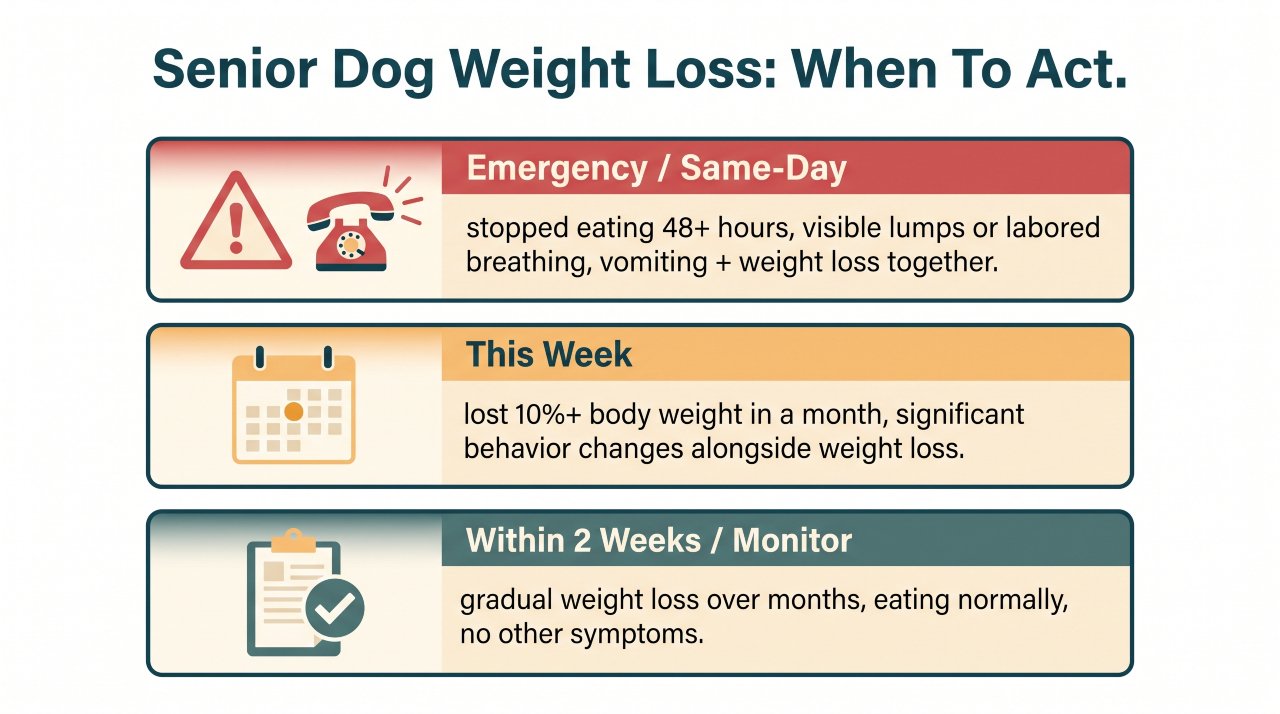
Some weight loss is gradual and manageable. Some needs urgent attention. Use this framework to decide:
| Situation | Action |
|---|---|
| Lost more than 10% body weight in under 4 weeks | Call vet within 48 hours |
| Stopped eating for more than 48 hours | Call vet today |
| Vomiting or diarrhea alongside weight loss | Call vet within 24 hours |
| Visible lumps, swelling, or labored breathing | Emergency vet now |
| Gradual weight loss over 3–6 months, eating normally | Book a routine vet appointment within 2 weeks |
| Eating well, weight stable, just looks bonier | Monitor at home, reassess in 4 weeks |
Don’t wait on the top four scenarios. Early diagnosis dramatically changes outcomes for most of the conditions listed above.
What To Feed a Skinny Senior Dog
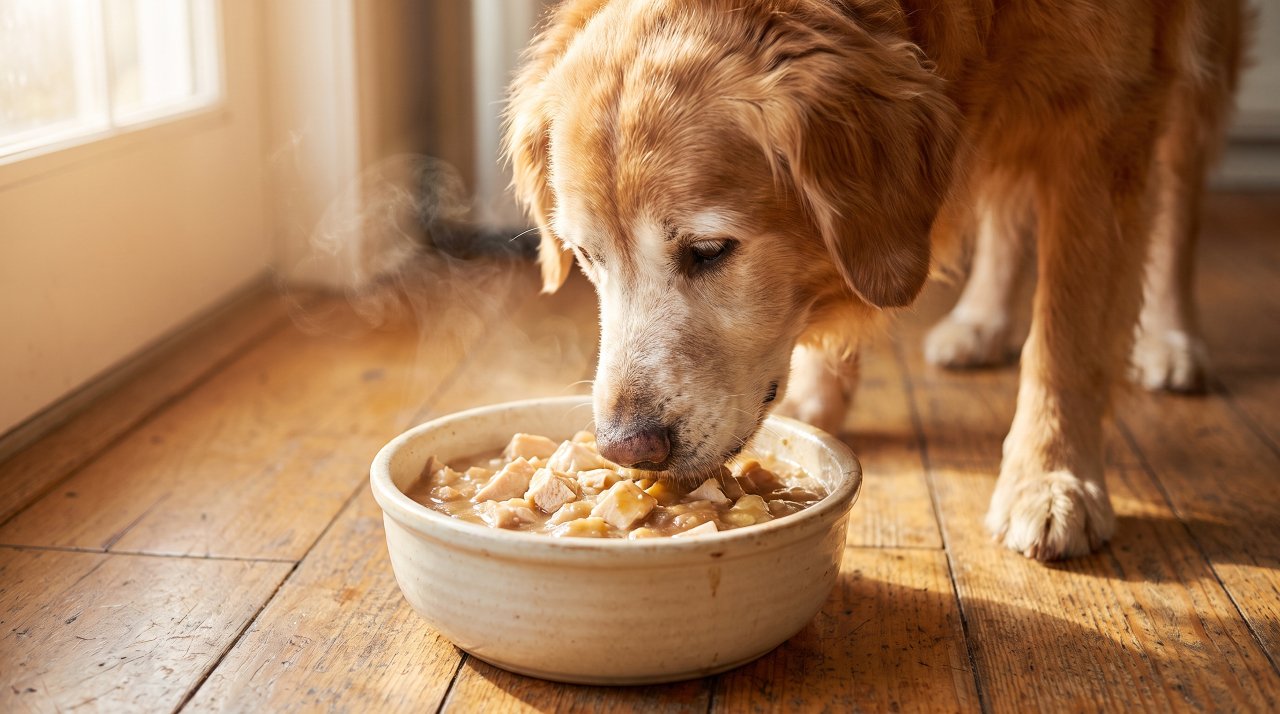
If your vet has ruled out an underlying condition — or while you’re waiting for your appointment — there are practical feeding steps you can take right now.
Switch to a senior or all-life-stages food with higher protein. Many budget senior foods are lower in protein based on outdated advice. Current veterinary nutrition research supports higher-quality protein for older dogs to combat muscle loss. Look for a food where a named meat protein (chicken, beef, salmon) is the first ingredient.
Add caloric density without adding volume. Older dogs often can’t eat large portions. Add a tablespoon of high-quality canned food, a soft-boiled egg, or a small amount of plain cooked chicken to increase calories without forcing your dog to eat more volume.
Warm the food slightly. Older dogs often have a reduced sense of smell. Warming food to just above room temperature increases aroma and can significantly improve appetite.
Feed smaller meals more often. Two or three smaller meals a day are easier on an aging digestive system than one large meal.
For a deeper look at senior nutrition strategies, our senior dog weight problems guide walks through portion sizing, protein targets, and caloric needs by breed size.
Supplements That Can Actually Help
Not every supplement is worth the money. Here are three with solid evidence in senior dogs.
Omega-3 fatty acids (fish oil): Reduce systemic inflammation, support joint health, and may help with cardiac cachexia. The Cummings Veterinary Medical Center at Tufts University recommends EPA and DHA from fish oil specifically, not flaxseed oil, for dogs.
Probiotics: Support gut health and can improve nutrient absorption in dogs with IBD-related issues or antibiotic recovery. Look for a canine-specific probiotic with Lactobacillus acidophilus and Bifidobacterium strains.
Digestive enzymes: Particularly useful if your dog’s thinness is linked to poor absorption rather than reduced intake. Pancreatic enzyme supplements can be added directly to food.
Always check with your vet before starting supplements, especially if your dog is on medications. Some interactions are real and worth flagging.
Is This Just Normal Aging? Being Honest With You
Here’s the truth that most articles won’t say clearly: some muscle loss and reduced body weight is a normal part of aging in dogs. A 13-year-old Labrador will not have the muscle bulk of a 5-year-old. Sarcopenia is a natural biological process.
That said, “it’s just aging” is also the most dangerous excuse to accept too quickly. Many serious, treatable conditions hide behind the label of “old age.” Kidney disease, dental disease, and even early cancer respond far better to treatment when caught early.
The honest position is this: gradual, mild changes in a dog who is otherwise bright, eating well, and moving comfortably are less alarming than rapid, unexplained weight loss. But any weight loss in a senior dog deserves at least a vet conversation — if not a full panel — within a reasonable timeframe.
If you’re noticing your dog is losing weight but still eating, that’s a specific pattern that often points to a metabolic or absorption issue rather than reduced appetite — and it’s worth reading about directly.
FAQ — Your Top Questions Answered
Why is my old dog getting so skinny?
The most common causes are dental disease, reduced digestive absorption, chronic kidney disease, diabetes, and cancer. In many cases, more than one issue is happening at the same time. A vet examination with blood and urine testing is the fastest way to find out which cause applies to your dog.
Is it normal for senior dogs to lose weight?
Some loss of muscle mass is a normal part of aging, but significant weight loss — especially if it’s rapid or your dog seems unwell — is not something to dismiss as “just old age.” Many causes of weight loss in senior dogs are treatable, especially when caught early.
When should I worry about my dog losing weight?
Worry — and call your vet — if your dog loses more than 10% of their body weight in a month, stops eating for more than two days, is vomiting or has diarrhea alongside the weight loss, or if you feel lumps or notice labored breathing. Gradual loss in an otherwise alert, eating dog still deserves a vet check within two weeks.
What do you feed an old skinny dog?
Focus on high-quality, easily digestible protein. Add caloric density with small amounts of canned food, plain cooked chicken, or a soft-boiled egg. Warm the food slightly to improve aroma. Feed smaller, more frequent meals. Avoid cheap senior foods that are low in protein — older dogs need more protein, not less.
Why is my dog getting skinny but still eating?
When a dog eats well but still loses weight, the body isn’t absorbing or using nutrition efficiently. This pattern strongly suggests conditions like diabetes, hyperthyroidism, exocrine pancreatic insufficiency (EPI), inflammatory bowel disease, or cancer. Don’t wait on this one — book a vet appointment soon.
How do I know if my senior dog is too thin?
Use the at-home Body Condition Score check in this article. If you can see the ribs, spine, or hip bones without pressing, your dog is underweight. If the ribs feel like sharp ridges rather than smooth bumps under gentle pressure, that’s also a sign of being too thin.
The One Thing That Matters Most
The single most important takeaway from everything above: don’t wait and wonder. Weight loss in senior dogs is almost always telling you something. It might be a manageable feeding issue, or it might be the first signal of something that needs treatment. Either way, you’ll only know with a vet visit and basic bloodwork.
Your immediate next step is simple: weigh your dog today, write down what you’ve noticed (appetite changes, behavior changes, any new symptoms), and book a vet appointment for this week or next. Bring your notes. Ask for a senior wellness panel — blood count, chemistry, urinalysis, and thyroid check.
You noticed the change. That’s the most important step. Now act on it.