


Your dog is eating fine, still wags when you pick up the lead, and looks at you with the same eyes he always has. But something is shifting. He’s a little slower getting up. He startled at a noise that never used to bother him. You’re not sure if it’s “just age” or something you should actually be doing something about.
That uncertainty is exactly where most senior dog owners live. And the hard truth is: most of what you find online tells you the same five things in a different order. This guide is different. Senior dog health care isn’t a checklist of isolated problems — it’s a connected system, and once you see how joint health, dental care, weight, brain function, and emotional wellbeing link together, you’ll know exactly where to focus and when to act.
Your dog deserves more than reactive care. This is how you give him that.
Overview
This guide walks through every major dimension of senior dog health care — physical, dental, cognitive, nutritional, emotional, and veterinary. It’s built for dog owners whose companion is 7 years or older (or 5+ for large and giant breeds), and who want a plan they can actually follow.
Estimated time commitment: 30 minutes to read and build your care plan; ongoing weekly habits of 10-15 minutes.
What you’ll have at the end: A complete picture of how aging affects your dog’s body as a system, what to monitor, when to call the vet, and how to adapt your home and routine to match where your dog is now.
What You’ll Need
Before you start, it helps to have a few things in place:
- Your dog’s most recent vet records (bloodwork, urine panels if recent)
- A notebook or phone note where you track weekly observations
- Your vet’s out-of-hours contact number
- A clear understanding of your dog’s breed-specific age category (more on this below)
When Does a Dog Become “Senior”?
This matters more than most guides admit. A 7-year-old Chihuahua and a 7-year-old Great Dane are not in the same biological stage of life.
Vets generally define “senior” as the last 25% of a dog’s expected lifespan, which breaks down by size like this:
| Breed Size | Approximate Senior Age |
|---|---|
| Small (under 20 lbs) | 9–11 years |
| Medium (20–50 lbs) | 8–10 years |
| Large (50–90 lbs) | 7–8 years |
| Giant (over 90 lbs) | 5–6 years |
If your large breed dog just turned 7, he’s already in his senior years. That’s not alarming — it’s useful. It tells you the time to act on preventive care is now, not when symptoms appear.
1: Build Your Veterinary Foundation
Get Biannual Vet Visits on the Calendar
The single highest-impact change most senior dog owners can make isn’t a supplement or a diet. It’s visit frequency.
Dogs age roughly 7 times faster than humans do. That means a gap of 12 months between check-ups is the equivalent of a 7-year stretch for your dog’s internal systems. Most vets now recommend twice-yearly wellness exams for dogs aged 7 and older — not because your dog seems sick, but because conditions like kidney disease, hypothyroidism, and early cancer are routinely caught at this stage through blood panels before any outward sign appears.
A senior wellness panel typically includes:
- CBC (complete blood count): Checks for anemia, infection, white blood cell changes
- Comprehensive metabolic panel: Liver and kidney function markers
- Thyroid screen (T4): Hypothyroidism is underdiagnosed in older dogs and causes weight gain, lethargy, and coat changes that owners frequently chalk up to “just aging”
- Urinalysis: Early kidney disease often shows up here before blood values shift
The most common mistake here is waiting until your dog shows obvious symptoms. By the time a senior dog is visibly unwell, many conditions have already progressed significantly. Schedule both visits at the start of the year so they don’t slip.
What doing it right looks like: You have two appointments on the calendar before January ends. You bring a written list of any behavioral or physical changes you’ve noticed since the last visit — because vets can only work with what you tell them.
2: Understand the Dental-Brain Connection
Take Dental Care Seriously as a Whole-Body Issue
This is the part most guides miss entirely — and it’s one of the most important things to understand about senior dog health.
According to the American Veterinary Medical Association, approximately 80% of dogs over age 3 already show signs of periodontal disease. By age 8, virtually every dog without active dental care has significant buildup. Most owners know bad teeth cause pain. What fewer know is what happens next.
Chronic periodontal disease creates a persistent inflammatory load in the body. That inflammation doesn’t stay in the mouth — inflammatory markers circulate through the bloodstream and can cross the blood-brain barrier. There’s growing research suggesting this systemic inflammation may accelerate Canine Cognitive Dysfunction (CCD), the canine equivalent of dementia. Treating your dog’s teeth isn’t just about breath or eating comfort. It’s a legitimate part of protecting brain health.
What to do:
- Ask your vet to assess dental health at every exam — scoring from 0 (healthy) to 4 (severe disease)
- At home, brush your dog’s teeth 3-4 times a week with dog-safe toothpaste. Any brushing is better than none
- If your dog won’t tolerate a brush, ask your vet about dental chews with the VOHC (Veterinary Oral Health Council) seal of approval
- Don’t let fear of anesthesia stop you from discussing professional cleaning. Your vet can assess whether anesthesia is appropriate — many senior dogs tolerate it fine when properly screened beforehand
What can go wrong: Owners either skip dental care entirely or use products without the VOHC seal (most pet store dental chews have no proven benefit). Neither helps. Start with brushing and ask your vet specifically about anesthesia risk before ruling out a professional cleaning.
3: Manage Nutrition as a Core Health Tool
Adjust Food to Match Your Dog’s Changing Metabolism
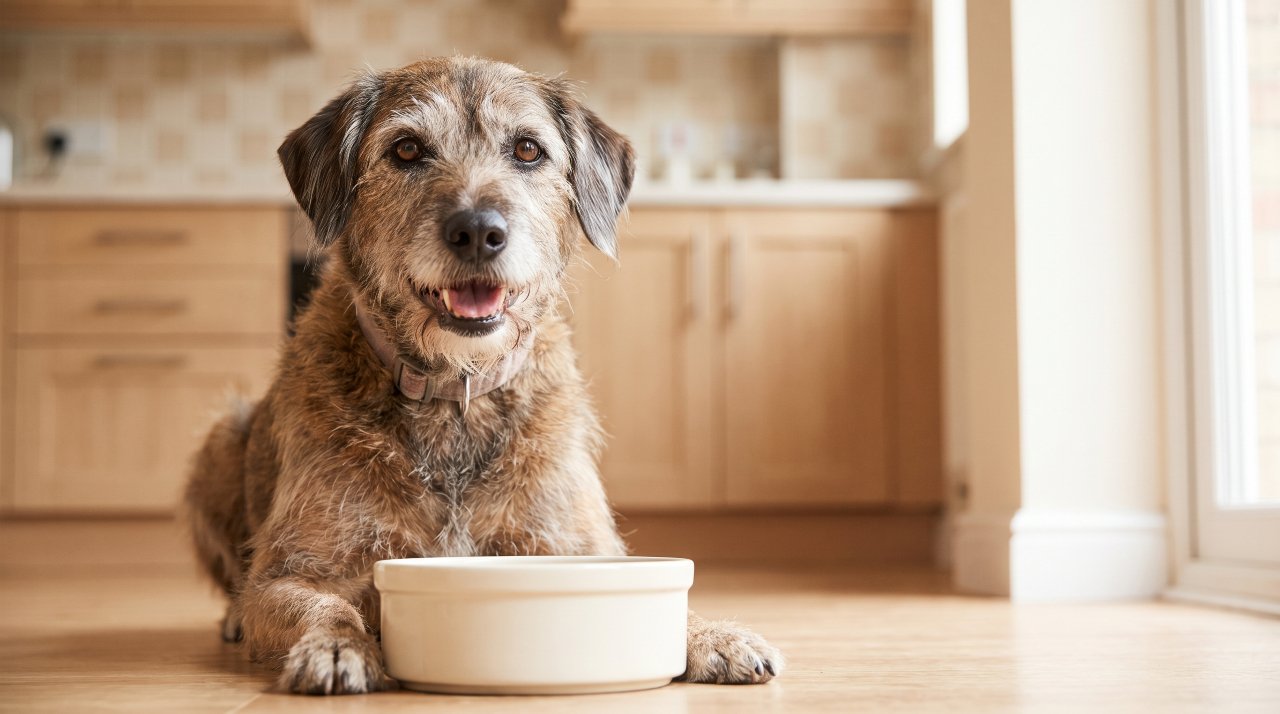
Diet is foundational to senior dog health. If you get this right, you reduce the burden on almost every other system in your dog’s body.
A senior dog’s metabolism typically slows by 15–20% compared to his adult years. That doesn’t automatically mean you need a “senior formula” food — it means you need to match caloric intake to his actual energy level, not to what he used to eat at age 3.
A few specific things change with age:
Protein needs go up, not down. There’s a long-held myth that senior dogs need less protein to protect aging kidneys. Current veterinary nutrition research doesn’t support this for healthy dogs. Unless your dog has diagnosed kidney disease, he likely needs higher-quality protein to maintain muscle mass, which naturally declines with age (a process called sarcopenia). Muscle loss affects mobility, balance, and recovery from illness.
Phosphorus does matter for kidney health. If bloodwork shows declining kidney function, your vet may recommend a diet with controlled phosphorus. Don’t make this change without vet guidance — restricting phosphorus in a dog with healthy kidneys has no proven benefit.
Omega-3 fatty acids support both joints and brain function. Marine-sourced omega-3s (specifically EPA and DHA from fish oil) have real evidence behind them for reducing joint inflammation and supporting cognitive function in aging dogs. This is one supplement worth discussing with your vet.
For a full breakdown of portion sizes and how to read a senior dog food label, see our Senior Dog Diet Guide — because diet is foundational to senior dog health and the details matter more than most owners realise.
What doing it right looks like: You’re weighing or measuring meals, not eyeballing. You’re body-scoring your dog weekly (run your hands along his ribcage — you should feel ribs without pressing hard). You’re not assuming “senior formula” is automatically better without reading the label.
4: Manage Weight Proactively
Keep Weight in Check — in Both Directions
This step connects directly to joint health, heart function, and longevity. It’s also where many owners get it wrong in two opposite ways.
Overweight senior dogs face compounded joint stress. Every extra pound of body weight places roughly four additional pounds of pressure on each knee joint. For a dog already developing early arthritis, that’s significant. Excess fat tissue also releases pro-inflammatory compounds that accelerate joint and organ deterioration.
Underweight senior dogs are a concern too — and one that’s less often discussed. Unexplained weight loss in a senior dog can signal kidney disease, cancer, hyperthyroidism, or intestinal disease. If your dog is losing weight despite eating normally, don’t attribute it to age alone. It warrants a vet visit and bloodwork.
The goal is a Body Condition Score (BCS) of 4–5 on a 9-point scale. If you’ve never learned to body-condition score your dog, your vet can show you at your next visit in under five minutes.
For a complete approach to managing senior dog weight, including how to safely help a dog who’s lost too much, read our dedicated Senior Dog Weight Guide.
5: Support Joint Health and Mobility Daily
Protect Joints Through Movement and Environment
Osteoarthritis affects an estimated 80% of dogs over age 8, according to research cited by the American Kennel Club. Many of those dogs show no obvious limping — the more common signs are subtler: reluctance to jump, stiffness after lying down for 20+ minutes, slower pace on walks, or reluctance to use stairs they previously had no issue with.
The aim isn’t to stop your dog moving — it’s to keep him moving in ways that protect rather than damage his joints.
Exercise adjustments for senior dogs:
- Shorter, more frequent walks rather than one long one
- Consistent daily movement beats sporadic vigorous activity
- Swimming or hydrotherapy is low-impact and highly effective for dogs who enjoy water
- Avoid off-lead running on hard surfaces (tarmac, concrete) if arthritis is present
Environmental changes that make a real difference:
- Orthopedic memory foam beds off the cold floor (cold, hard surfaces worsen joint stiffness significantly)
- Rugs or yoga mats on slippery tile or hardwood floors to prevent falls
- A ramp or pet steps for the car and sofa — repeated jumping on and off furniture adds up
- Elevated food and water bowls for dogs with neck or shoulder stiffness
Medications your vet may recommend: NSAIDs (non-steroidal anti-inflammatory drugs) such as carprofen or meloxicam are the most effective pharmaceutical option for arthritis pain in dogs. These are prescription medications and require regular bloodwork monitoring because of potential kidney and liver effects — particularly important in seniors. Never give human pain medications like ibuprofen or paracetamol. Both are toxic to dogs.
6: Watch for Cognitive Changes
Know the Signs of Canine Cognitive Dysfunction

Canine Cognitive Dysfunction affects an estimated 28% of dogs aged 11–12 and up to 68% of dogs aged 15–16, according to data from the University of California Davis School of Veterinary Medicine. It’s underdiagnosed because the early signs are easy to mistake for other things — or just “getting old.”
The classic memory aid is the DISHA framework, used by veterinarians to identify CCD symptoms:
| Letter | What It Stands For | Example Signs |
|---|---|---|
| D | Disorientation | Getting stuck in corners, staring at walls, seeming “lost” at home |
| I | Interaction changes | Less interested in greetings, or suddenly more clingy |
| S | Sleep-wake cycle changes | Sleeping more during the day, pacing or restless at night |
| H | Housetraining accidents | Forgetting toilet training with no physical cause |
| A | Activity level changes | Reduced play, less responsiveness to toys or commands |
If you’re seeing two or more of these, mention them specifically at your next vet visit. CCD is manageable, not curable — but early intervention with prescription medications (such as selegiline, licensed for dogs in some countries), dietary changes high in antioxidants and medium-chain triglycerides, and mental enrichment activities can meaningfully slow progression.
What owners often miss: CCD and anxiety frequently occur together in senior dogs. If your dog is becoming more fearful, clingy, or reactive to sounds, it may not be purely behavioral. Ask your vet specifically about anxiety in aging dogs — it’s more common than most people realise, and there are both behavioral and medical approaches that help.
7: Support Mental and Emotional Wellbeing
Enrich Your Dog’s Daily Life
A senior dog who stops engaging with the world around him is at real risk of faster cognitive and physical decline. Mental stimulation isn’t a luxury — it’s part of health maintenance.
You don’t need expensive puzzle toys or elaborate routines. What matters is regular, low-intensity novelty:
- Sniff walks where your dog leads the pace and chooses where to stop (nose work is mentally tiring in a good way)
- A new route or park once a week
- Simple scatter feeding (hiding a portion of their meal in small piles around the garden or a blanket)
- Short, positive training sessions using existing commands — this maintains neural pathways and confidence
What to watch for: A dog who stops greeting you at the door, loses interest in food or walks he previously enjoyed, withdraws from the family, or starts sleeping in unusual spots may be experiencing pain, cognitive decline, or anxiety. Any sudden shift in personality warrants a vet conversation, not a wait-and-see.
8: Consider Supplements — With Your Vet’s Input
Use Supplements Strategically, Not Hopefully
The supplement market for senior dogs is enormous and largely unregulated. Most products have limited clinical evidence behind them. A small number have real support.
Supplements with reasonable evidence for senior dogs:
- Fish oil (EPA/DHA omega-3s): Supports joint inflammation reduction and cognitive function. Dose matters — ask your vet for a weight-appropriate amount
- Glucosamine and chondroitin: Modest evidence for supporting cartilage health; most effective as a long-term strategy, not a quick fix
- SAMe (S-adenosylmethionine): Shows some promise for liver support and cognitive function in senior dogs
- Antioxidants (Vitamins C and E): Part of the evidence base for slowing CCD progression, typically through a vet-prescribed cognitive support diet
For a much deeper look at what actually works and what to avoid, our article on supplements for senior dog health breaks down the evidence category by category.
The most common mistake: Stacking multiple supplements without vet guidance. Some combinations can interfere with medications or cause issues in dogs with liver or kidney conditions. Always disclose everything you’re giving your dog at your vet visits.
9: Think About Insurance and Financial Planning
Understand What Pet Insurance Can (and Can’t) Do for Senior Dogs
This is a practical conversation most owners put off until a large vet bill arrives. Here’s the honest version.
Pet insurance for senior dogs can be worth it, but the value depends heavily on timing and your dog’s health history. The critical factor: no pet insurer covers pre-existing conditions. If your dog has already been diagnosed with arthritis, heart disease, or diabetes, those conditions won’t be covered regardless of when you sign the policy.
Where insurance adds real value for senior dogs:
- Protection against new, unexpected conditions — emergency surgery, sudden illness, cancer diagnosis after enrolment
- Peace of mind when facing expensive diagnostics (MRIs, specialist referrals, extended hospitalisation)
- Some policies cover dental work and prescription diets — check the small print carefully
What to look for:
- No upper age limit for enrolment (companies like Pets Best and ASPCA offer these)
- “Accident and illness” coverage, not accident-only
- A clear definition of what counts as a pre-existing condition — ask in writing before enrolling
If insurance isn’t financially viable, a dedicated pet savings account with a set monthly contribution is a practical alternative. Most unexpected vet emergencies fall in the 500–5,000 range — having funds earmarked removes the panic from the decision-making.
10: Create a Monthly Monitoring Routine
Track Changes Over Time — Because Gradual Shifts Are Easy to Miss
One of the most practical things you can do for your senior dog has nothing to do with products or vet visits. It’s an observation, documented.
Gradual changes are invisible in real-time. A dog who’s lost 1.5 lbs over four months won’t look different from one week to the next — but your notes will catch it.
Monthly check-in (takes about 10 minutes):
- Weigh your dog at the same time of day, on the same scale. Log it
- Body condition score check: Run your hands along the ribcage and spine. Note changes
- Coat and skin check: Increased dandruff, dull coat, or new lumps (note size, location, feel)
- Mobility observation: How long does it take him to rise from lying? Any hesitation at steps?
- Appetite and drinking: More water than usual is often the first sign of kidney, diabetes, or Cushing’s disease
- Behaviour notes: Any changes in sleep, greetings, tolerance for handling, or reactions to sounds
Bring your notes to every vet appointment. Even if nothing has changed, it builds a baseline that makes future changes easier to detect and discuss.
What to Expect Over Time
The goal of senior dog health care isn’t to stop aging — it’s to compress the period of poor health at the end and extend the good-quality years. Here’s a realistic picture:
Months 1–3 (Building the foundation): You’re establishing routines — twice-yearly vet visits, daily dental care, monthly monitoring notes, adjusted exercise patterns. Your dog may not look different yet, but you’re creating the conditions for early detection and better management.
Months 3–12 (Seeing the difference): Dogs on appropriate pain management for arthritis typically show improved willingness to move within 2–4 weeks. Cognitive enrichment often shows results in sleep and daytime alertness within 4–6 weeks. Weight adjustments take 2–3 months to show clear BCS changes.
Year 2 and beyond: The value of consistent care compounds. Senior dogs with regular monitoring, appropriate nutrition, dental maintenance, and managed pain genuinely live more comfortably and longer. The relationship you build with your vet during this period also means abnormalities get caught faster because there’s a documented baseline.
When to Call Your Vet
These symptoms in a senior dog require a vet call the same day, not a “let’s see how he is tomorrow”:
- Collapse or sudden inability to stand — could be cardiac event, neurological event, or severe pain
- Laboured breathing or persistent coughing — signs of heart failure, fluid accumulation, or respiratory disease
- Pale, white, blue, or grey gums — emergency. Call immediately
- Seizures — any first-time seizure in a senior dog warrants same-day evaluation
- Sudden inability to urinate or straining with no output — potentially life-threatening
- Acute, severe vomiting or diarrhoea with weakness — dehydration risk is serious in older dogs
- Sudden vision changes or bumping into things — could be hypertension-related retinal detachment (treatable if caught quickly)
- Rapid or significant weight loss — more than 10% of body weight without dietary change
For non-emergency concerns — new lumps, gradual weight change, changes in water intake, subtle gait differences — aim for a vet appointment within a week rather than waiting for the next scheduled visit.
Frequently Asked Questions
What age is considered “senior” for most dogs?
Most vets use the last 25% of the expected lifespan as the senior threshold. For medium and large breed dogs, that’s typically 7–8 years. For giant breeds like Great Danes or Saint Bernards, it can be as young as 5. Small breeds like Chihuahuas or Dachshunds may not enter their senior years until 9–10.
How often should a senior dog see the vet?
Twice a year is the current standard recommendation from most veterinary associations for dogs 7 and older. This isn’t because senior dogs are sicker — it’s because the window for catching developing conditions before they cause significant damage is much narrower at this life stage.
Can a senior dog’s diet stay the same as when they were younger?
Often not — but “senior food” isn’t automatically the answer either. What changes with age is your dog’s specific caloric needs, protein requirements (which may go up to maintain muscle), and potentially phosphorus or sodium if there are kidney or heart concerns. Talk to your vet about whether a diet change is warranted based on your dog’s individual health picture.
Is it normal for an old dog to sleep a lot?
Senior dogs do sleep more — 14–16 hours a day is common. What isn’t normal is a sudden increase in sleep accompanied by other changes like reduced appetite, less interest in interaction, or difficulty rising. That combination warrants a vet conversation rather than an assumption it’s “just age.”
Do senior dogs need supplements?
Some do, some don’t. Fish oil (EPA/DHA) has the strongest evidence base for joint and cognitive support. Glucosamine and chondroitin have modest but real evidence for cartilage support. Most other products lack clinical backing. Never add supplements without telling your vet — interactions with medications or existing health conditions are more likely in senior dogs.
How do I know if my senior dog is in pain?
Dogs rarely vocalise pain the way humans do. Signs of chronic pain in senior dogs include: reduced activity or social withdrawal, irritability or snapping when touched in specific areas, changes in posture (hunching, shifting weight), reluctance to use stairs or jump, licking or chewing at a particular joint, and changes in facial expression (a tightened, pinched look around the eyes and muzzle). If you’re unsure, ask your vet to do a pain assessment — many practices use a standardised pain scoring tool.
Conclusion
Senior dog health care is not about bracing for decline. It’s about knowing your dog well enough to catch the small shifts early, understanding how each part of his health connects to the others, and building habits that give his body the best chance at comfortable, quality years.
The steps here aren’t overwhelming if you take them one at a time. Start with the vet visits. Add dental care. Track his weight. Watch for the signs of pain and cognitive change listed above. Build from there.
If anything in this guide has raised a concern about your dog specifically, trust that instinct — book the vet appointment. You’re the one who knows him best, and that knowledge is genuinely part of his care.
Bookmark this page, share it with anyone else who looks after your dog, and come back to it as his needs change. Senior dog ownership takes more attention than it did at year one. It also offers something few other seasons of life do: a chance to give back some of what he’s given you.