


Seeing your senior pup struggle to get up from their favorite dog bed is a quiet heartbreak. You might notice them hesitating at the stairs or standing in a room corner, looking a bit lost. These signs of aging are common, but you do not have to watch them happen without options.
Many dog owners turn to aging dog supplements to support their older companions through their senior years. Finding the right options can make a real difference in how your pup moves and thinks. Every dog ages differently, so noticing what your specific companion needs is the first step. By focusing on targeted support for joints and cognitive health, you can help them maintain a high quality of life.
This guide covers the top safe ingredients that help keep aging dogs comfortable and alert. We focus on options supported by veterinary science, avoiding products that make unrealistic health claims.
1. Glucosamine and Chondroitin
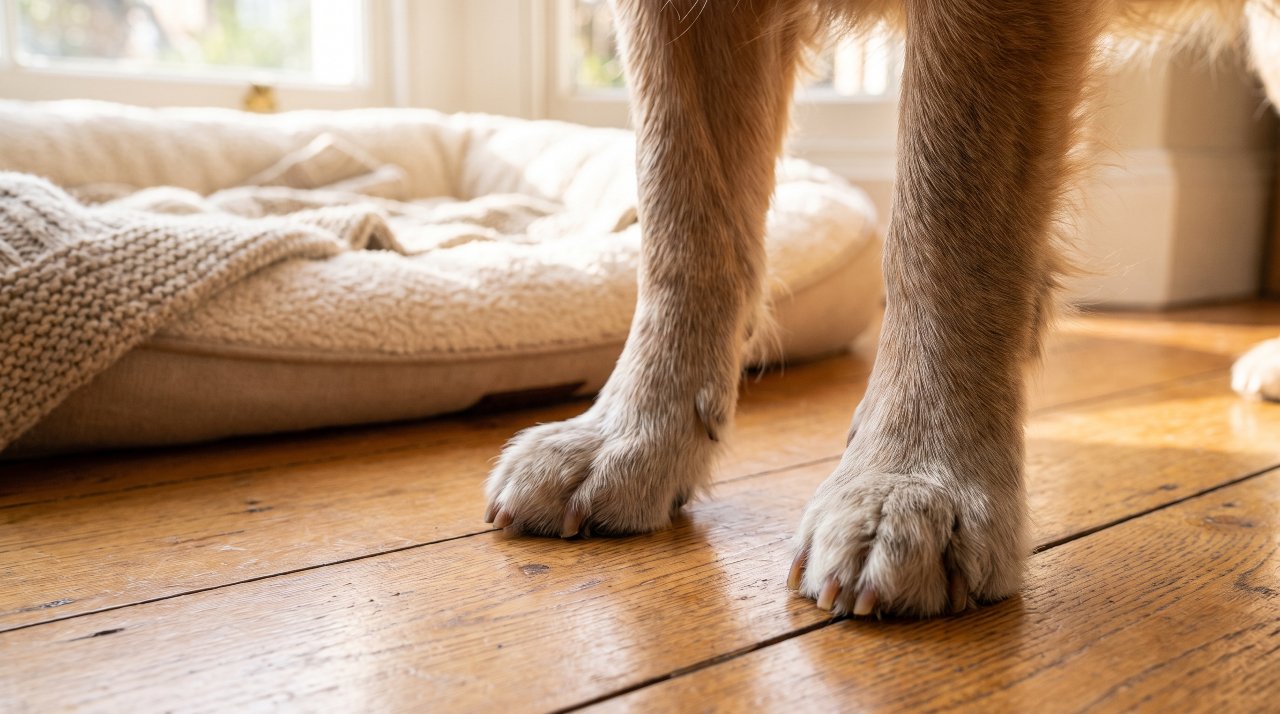
Glucosamine and chondroitin are the most common joint support ingredients for older pets. They are natural compounds found in healthy cartilage. Cartilage acts as a cushion between bones in your dog’s joints.
As dogs age, this cartilage wears down, which can lead to stiffness and discomfort. This wear and tear is a primary cause of senior dog osteoarthritis.
These compounds help by supporting cartilage repair and keeping joints lubricated. They can slow the breakdown of joint tissue over time. This helps your senior pup climb stairs or get into the car with less stiffness.
Many vets suggest starting these compounds early, even before major joint problems appear. Early support helps protect the joints before significant damage occurs.
Do not expect immediate results from these joint compounds. They build up in the body slowly. It usually takes four to eight weeks of daily use to see visible changes in mobility.
Always choose products with the National Animal Supplement Council (NASC) seal to ensure quality. This seal confirms that the product contains what the label claims.
- Glucosamine hydrochloride (highly absorbable form)
- Glucosamine sulfate (derived from shellfish)
- Chondroitin sulfate (often paired with glucosamine)
2. Omega-3 Fatty Acids (Fish Oil)
Omega-3 fatty acids, specifically EPA and DHA, are powerful anti-inflammatory nutrients. They are typically sourced from cold-water fish like wild salmon, sardines, and anchovies.
These fatty acids help manage inflammation throughout your dog’s body, including the joints and organs. They are crucial for maintaining systemic health.
For older pets, chronic inflammation is a common source of daily discomfort. Omega-3s help reduce joint pain, improve coat health, and support heart function.
They also play a key role in keeping the brain active. Studies show that DHA helps maintain cognitive function in senior dogs.
Research published in veterinary research journals shows these fatty acids support brain health. They help protect brain cells from oxidative damage.
High doses of fish oil can cause stomach upset or loose stools. Start with a small amount and increase it slowly. Keep fish oil in a dark, cool place because it spoils quickly when exposed to air.
Always check the expiration date before serving. If you notice a strong, rancid smell, discard the bottle immediately.
| Fish Oil Source | Main Benefit |
|---|---|
| Wild Salmon Oil | High EPA and DHA levels |
| Sardine & Anchovy Oil | Lower heavy metal risk |
| Krill Oil | High absorption rate |
3. Medium-Chain Triglycerides (MCTs)

Medium-chain triglycerides, or MCTs, are healthy fats typically extracted from coconut oil. Unlike other fats, the body digests MCTs quickly.
This allows them to go straight to the liver and be used as an immediate energy source. They provide a quick fuel boost for the body.
As dogs age, their brains become less efficient at using glucose for energy. This energy gap can lead to confusion, restlessness, and memory decline.
MCTs provide an alternative energy source for the brain. According to a study on pet health databases, MCT oil helps support cognitive function in aging dogs. This can help them stay sharper and more focused during their golden years.
Introduce MCT oil very slowly to avoid digestive issues like diarrhea. Start with a fraction of the recommended dose.
Also, MCTs add extra calories to your dog’s diet. If your dog has weight issues, check our guide on how much to feed a senior dog to balance their daily intake. Keeping their weight in a healthy range is important.
- Start with just a few drops per day
- Mix it thoroughly into their wet food
- Watch for loose stools or gas
- Gradually increase to the vet-recommended dose
4. Antioxidants (Vitamins C, E, and CoQ10)
Antioxidants are compounds that neutralize free radicals in the body. Free radicals are unstable molecules that cause cellular damage over time.
This damage contributes to aging and chronic diseases. Common antioxidants include Vitamin C, Vitamin E, and Coenzyme Q10.
Older dogs experience higher levels of oxidative stress. This stress affects their organs, joints, and brain tissue.
Supplementing with antioxidants helps protect these vital systems. In particular, Coenzyme Q10 supports heart health and cellular energy.
According to PubMed, antioxidants support immune function and help fight aging effects. This support is crucial for maintaining daily energy levels.
Do not give human antioxidant supplements to your dog. Some human products contain xylitol, which is toxic to dogs.
Also, high doses of certain vitamins can be harmful. For example, too much Vitamin D can damage a dog’s kidneys. Always follow the dosage instructions on pet-specific products to keep them safe.
| Antioxidant | Primary Target |
|---|---|
| Vitamin E | Cell membranes and skin |
| Vitamin C | Immune system and joints |
| Coenzyme Q10 | Heart muscle and cellular energy |
5. Probiotics and Prebiotics

Probiotics are beneficial live bacteria that support gut health. Prebiotics are fiber compounds that feed these good bacteria.
Together, they maintain a healthy balance in your dog’s digestive system. This balance is key for proper nutrient absorption.
As dogs age, their gut microbiome can become less stable. This can lead to frequent gas, loose stools, or poor nutrient uptake.
Probiotics help restore balance, which improves digestion. Better digestion helps senior dogs absorb the nutrients from their food.
This is especially helpful if you need to help a senior dog gain weight safely, as a healthy gut makes food more effective.
Not all probiotic strains are the same. Look for products containing specific strains like Enterococcus faecium, which is highly studied in dogs.
Introduce these slowly to avoid initial gas. Store them according to package instructions, as some live cultures require refrigeration. Checking the expiration date is also important to ensure the bacteria are active.
- Frequent loose stools or diarrhea
- Excessive gas or bloating
- Loss of interest in food
- Gurgling noises from the stomach after eating
6. Green-Lipped Mussel
Green-lipped mussel is a marine supplement native to New Zealand. It contains a unique blend of omega-3 fatty acids, amino acids, and minerals.
It also contains glycosaminoglycans, which are key building blocks for cartilage. This combination makes it a highly effective joint supplement.
Older dogs suffering from osteoarthritis can benefit from green-lipped mussel. Its unique fatty acids are more potent anti-inflammatories than standard fish oils.
It helps reduce joint swelling and stiffness, making movement easier. Vets often recommend it for dogs showing signs of joint pain. It helps them stay active and mobile during their senior years.
This ingredient has a strong, fishy smell that most dogs love, but some might reject. If your dog is picky, try mixing the powder into wet food.
Also, do not give this supplement to dogs with shellfish allergies. Always check the ingredient list for potential allergens. Checking with your vet before introducing new seafood is a wise step.
| Nutrient Type | Benefit for Seniors |
|---|---|
| Eicosatetraenoic Acid (ETA) | Rare omega-3 that targets inflammation |
| Chondroitin Sulfate | Rebuilds worn cartilage tissue |
| Zinc & Copper | Supports overall joint repair |
7. Methylsulfonylmethane (MSM)
Methylsulfonylmethane, commonly known as MSM, is an organic sulfur compound. Sulfur is a vital building block for healthy joints, tendons, and ligaments.
It helps maintain the structural integrity of connective tissues throughout your dog’s body. It is often combined with glucosamine.
As dogs age, their connective tissues become less elastic and more prone to injury. MSM helps by supporting the health of these tissues.
It also acts as a natural antioxidant, reducing joint inflammation. This can help ease the pain of arthritis and improve overall mobility. It helps your senior dog move more freely and comfortably.
While MSM is generally safe, high doses can cause mild digestive issues like gas or loose stools. Always start with a lower dose to see how your dog reacts.
If your senior dog is losing weight or muscle, check our guide on why an old dog gets skinny to rule out serious health issues. Keeping a close eye on their physical condition is key.
- Reduces joint inflammation and pain
- Supports healthy connective tissue
- Acts as a natural antioxidant
- Improves cellular waste removal
Frequently Asked Questions
What are the signs my senior dog needs joint supplements?
You might notice your dog rising slowly in the morning or hesitating before climbing stairs. They might also show less interest in walks or struggle to jump onto the sofa. These are common indicators that their joints are becoming stiff.
Some dogs will lick their joint areas frequently to soothe discomfort. Others might show subtle changes in how they stand or walk. If you observe these behavioral changes, it is a good time to discuss joint support with your vet. Early support can help keep them active longer.
Can I give my senior dog human supplements?
It is generally unsafe to give human supplements to your dog. Many human products contain dosages that are too high for pets. This can lead to accidental toxicity, especially with fat-soluble vitamins.
Some human vitamins also include inactive ingredients like xylitol, which is highly toxic to dogs. Other human formulas might contain herbs that are unsafe for canine digestion. Always buy products formulated specifically for pets to ensure they are safe and properly dosed.
How long does it take for senior dog supplements to work?
Most natural supplements require time to build up in your dog’s system. You should allow four to eight weeks of daily use to see visible improvements. Unlike prescription medications, these compounds work by gradually supporting cellular health and tissue repair.
It helps to track specific behaviors, like how easily they stand up, to measure progress. You can write down daily observations to share with your veterinarian. If you see no change after eight weeks, consult your vet to discuss other options.
Can a senior dog take multiple supplements at the same time?
Many senior dogs can safely take multiple supplements together. For example, combining joint compounds with fish oil is a very common practice. These ingredients often work together to support different aspects of your dog’s health.
However, some ingredients can interact or cause digestive upset if combined in high doses. For instance, too many oils can lead to loose stools or pancreatitis. Always consult your vet to design a safe, balanced combination that suits your dog’s specific needs.
Are there side effects to senior dog supplements?
The most common side effect is mild digestive upset, including gas or loose stools. This usually happens when you introduce a new ingredient too quickly. Their digestive systems need time to adjust to new nutrients.
Starting with a fraction of the full dose and increasing it slowly helps prevent this issue. Make sure to monitor your dog’s stool consistency during the first week. If your dog experiences persistent vomiting or diarrhea, stop the supplement and call your vet.
How do I choose a high-quality supplement for my dog?
Look for products that carry the National Animal Supplement Council (NASC) quality seal. This seal shows that the manufacturer meets strict labeling and quality standards. It is a reliable way to verify that a product is safe.
Additionally, choose brands that are transparent about their ingredient sourcing. Reputable companies will provide a Certificate of Analysis if you ask for it. This document proves that the product has been tested for purity and potency.
Wrapping Up
Supporting your senior dog with the right nutrients is a caring way to help them age gracefully. While supplements are not a cure for aging, they can improve daily comfort and keep their minds sharp.
Always remember to discuss any new product with your veterinarian before adding it to their bowl. They can help you choose the safest options for your dog’s specific health profile.
To learn more about keeping your senior pup healthy, check out our guide on how to help senior dogs maintain their weight. Share this guide with other senior dog owners to help them support their aging companions.