
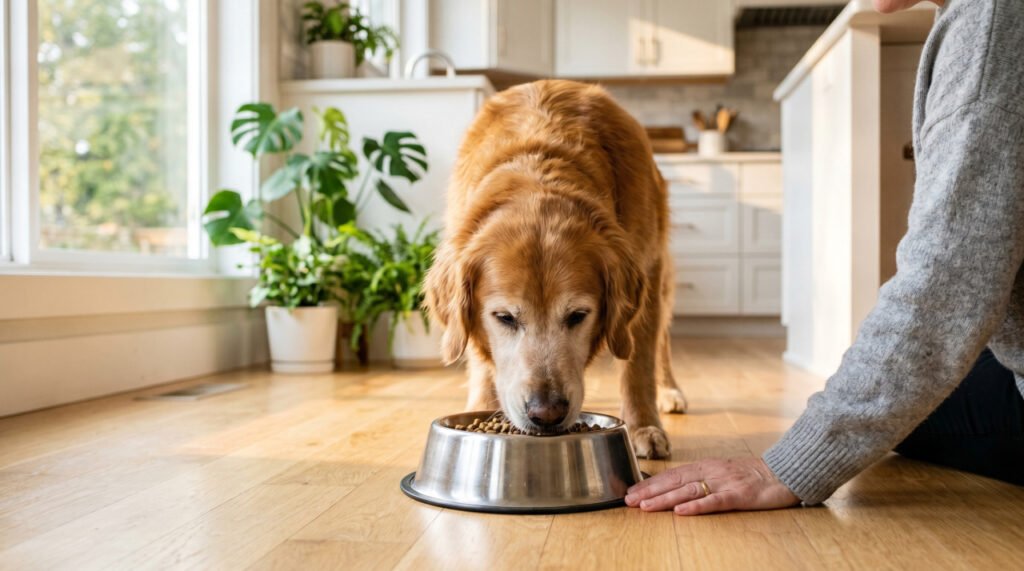
Nearly half of all dogs over age 10 are overweight or obese, according to the Association for Pet Obesity Prevention — and diet is the number one driver. If your dog is slowing down, gaining weight, or just getting older, what you put in their bowl matters more now than at any other point in their life.
A good senior dog diet doesn’t mean buying a bag labeled “Senior Formula” and calling it done. It means building a whole feeding plan — the right nutrients, the right schedule, the right portions, and the right extras — that supports your dog as their body changes.
This guide covers everything. You’ll learn what aging does to your dog’s nutritional needs, how to set a feeding schedule, what supplements are worth adding, and the warning signs that something isn’t working. By the end, you’ll have a clear, practical plan you can start using today.
When Is Your Dog Considered a Senior?
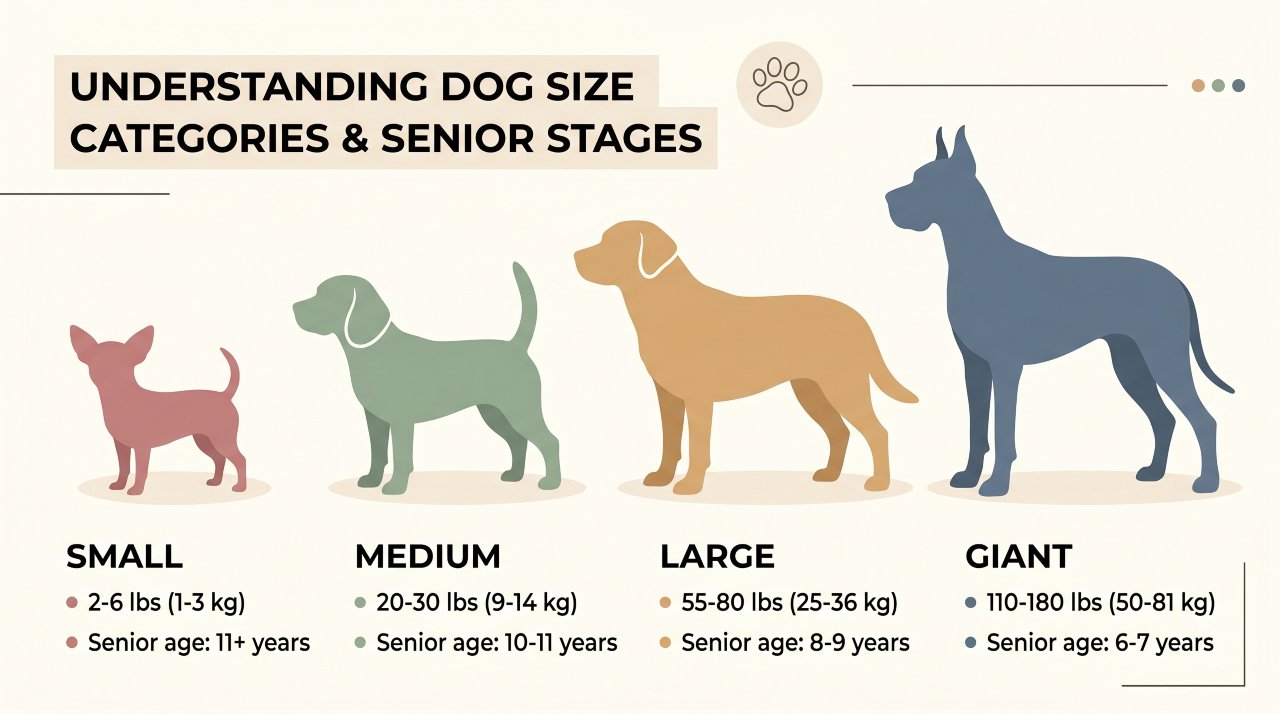
Age isn’t the same for every dog. A Great Dane is considered senior at 6 years old. A Chihuahua might not hit senior status until 10 or 11.
Size is the biggest factor. Large and giant breeds age faster than small breeds, so they reach their senior years earlier. Here’s a simple breakdown:
| Dog Size | Weight | Senior Age |
|---|---|---|
| Small | Under 20 lbs | 10–12 years |
| Medium | 20–50 lbs | 8–10 years |
| Large | 50–90 lbs | 7–8 years |
| Giant | Over 90 lbs | 5–6 years |
Once your dog crosses into their senior years, their body starts changing in ways that directly affect how they process food. Knowing when that happens helps you get ahead of the curve instead of reacting to problems.
How Aging Changes Your Dog’s Nutritional Needs
Your dog’s metabolism slows as they age. Their muscle mass decreases, their digestive system becomes less efficient, and their organs work harder to perform the same functions.
These changes mean your dog needs different nutrition — not just less food. The biggest shifts happen in four areas: protein, calories, fiber, and hydration. Each one affects your dog’s weight, energy, organ health, and quality of life.
Ignoring these changes is one of the most common mistakes senior dog owners make. A diet that worked perfectly at age 4 can actively harm a dog at age 9.
Protein: The Most Important Nutrient for Older Dogs
Here’s something that surprises most people: senior dogs often need more protein, not less. Many owners assume older dogs should eat lighter food, but the science tells a different story.
Research published in the Journal of Nutrition found that older dogs have a higher protein requirement per kilogram of body weight than younger adults. That’s because aging muscles break down faster, and dietary protein is what rebuilds them. Without enough protein, your dog loses muscle mass — a condition called sarcopenia — which leads to weakness, mobility problems, and faster overall decline.
Look for a dog food where protein is listed as the first ingredient. Chicken, salmon, beef, and turkey are all excellent sources. Aim for a food with at least 25–30% protein on a dry matter basis for most senior dogs.
The exception: dogs with kidney disease. If your dog has been diagnosed with kidney issues, your vet may recommend a lower-protein diet to reduce the workload on their kidneys. Always confirm with your vet before changing protein levels for a dog with an existing condition.
Weight Management: The Silent Threat to Senior Dogs
Excess weight is one of the most damaging things for an aging dog. It stresses joints already affected by arthritis, strains the heart, and shortens lifespan.
The Association for Pet Obesity Prevention estimates that 56% of dogs in the US are overweight or obese. Senior dogs are at the highest risk because their metabolism slows while many owners keep feeding the same portions they always have. According to research from the American Kennel Club, even a modest weight reduction can significantly improve mobility and energy in senior dogs with joint problems.
You can check your dog’s weight at home using the Body Condition Score (BCS) system. Run your hands along your dog’s ribs. If you can feel each rib easily without pressing hard, your dog is at a healthy weight. If you have to press firmly or can’t feel them at all, your dog is likely overweight.
Cut back on treats — they add up fast. If your dog needs to lose weight, reduce their daily food by 10–15% and add more low-calorie vegetables like green beans or carrots as a snack substitute.
Hydration: The Senior Dog Need Nobody Talks About
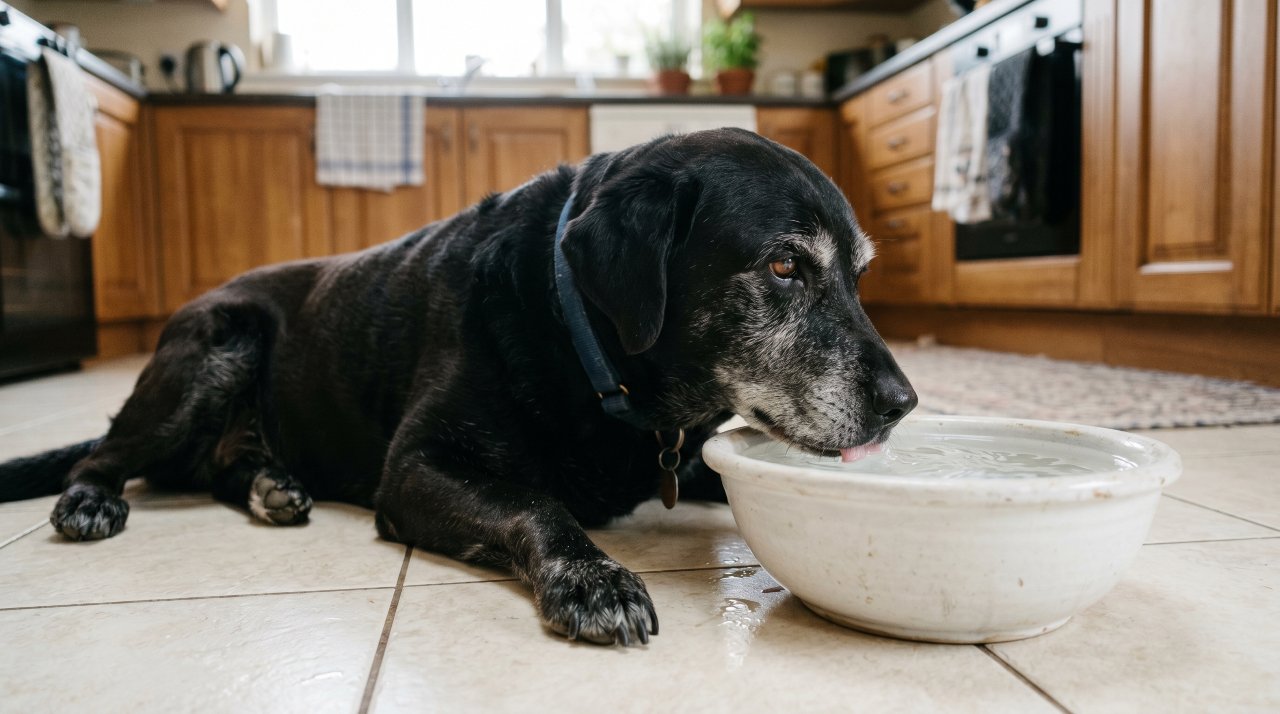
Water is the one thing most senior dog diet guides skip entirely — and it’s a serious oversight. Older dogs are more prone to dehydration for several reasons. Their kidney function declines, their sense of thirst decreases, and dry kibble provides very little moisture.
Chronic mild dehydration in senior dogs contributes to kidney stress, constipation, and urinary tract infections. It also makes existing joint pain worse.
Here’s what you can do right now:
- Place multiple water bowls in different rooms so your dog doesn’t have to walk far for a drink
- Add warm water or low-sodium bone broth to dry kibble to increase moisture intake
- Consider switching partially or fully to wet food, which is 70–80% water
- Refresh water bowls at least twice daily — older dogs are more sensitive to stale or room-temperature water
A senior dog should drink approximately one ounce of water per pound of body weight per day. A 40-pound senior dog needs about 40 ounces — roughly 5 cups — daily. Track this for a few days if you’re unsure.
Building the Right Feeding Schedule
How often you feed your senior dog matters as much as what you feed them. Most senior dogs do best with two meals per day — morning and evening — rather than one large meal.
Two smaller meals are easier to digest, help regulate blood sugar, and reduce the risk of bloat in larger breeds. Bloat (gastric dilatation-volvulus) is a life-threatening condition that large senior dogs are particularly vulnerable to.
Feed your dog at the same time each day. Dogs thrive on routine, and consistent meal times support their digestive health and help you track changes in appetite. A sudden decrease in appetite is one of the first signs of illness in older dogs.
Avoid feeding your dog immediately before or after exercise. Give at least an hour on either side of activity, especially for large breeds.
How to Transition to a Senior Dog Diet Safely
Switching your dog’s food too quickly is a recipe for vomiting, diarrhea, and a dog who refuses to eat. Their digestive systems are more sensitive than when they were young, so you need to make the change gradually.
Follow this transition schedule over 7–10 days:
- Days 1–3: 75% old food, 25% new food
- Days 4–6: 50% old food, 50% new food
- Days 7–9: 25% old food, 75% new food
- Day 10: 100% new food
If your dog shows signs of digestive upset — loose stool, gas, vomiting — slow the transition down. Stretch it to 14 days instead of 10.
Some dogs are especially sensitive to ingredient changes. If your dog has had digestive issues in the past, talk to your vet before making any food switch. The American Veterinary Medical Association recommends working with your vet when transitioning senior dogs with pre-existing conditions.
Supplements Worth Adding to a Senior Dog Diet
Good food is the foundation, but certain supplements can make a meaningful difference for aging dogs. Not every supplement is worth the money, so here are the ones backed by actual evidence.
Omega-3 fatty acids (fish oil): The most well-supported supplement for senior dogs. Omega-3s reduce inflammation, support joint health, improve coat condition, and may support cognitive function. Look for fish oil with EPA and DHA. A typical dose for a 40-pound dog is 1,000–2,000 mg daily.
Glucosamine and chondroitin: These support joint cartilage and can reduce arthritis pain. Many senior dog foods include them, but levels are often too low to be therapeutic. A standalone supplement gives you better control over dosing.
Probiotics: Senior dogs often experience changes in gut bacteria that lead to digestive issues. A daily probiotic supports gut health, immune function, and nutrient absorption. Look for products specifically formulated for dogs.
Antioxidants (Vitamin E and C): Aging increases oxidative stress in dogs. Antioxidants help protect cells from damage and support immune health. Many quality senior foods already include these — check the label before adding separately.
Always talk to your vet before adding new supplements, especially if your dog takes any medications. Some supplements interact with common drugs like NSAIDs or blood thinners.
Wet Food vs. Dry Food vs. Raw: Which Is Best?
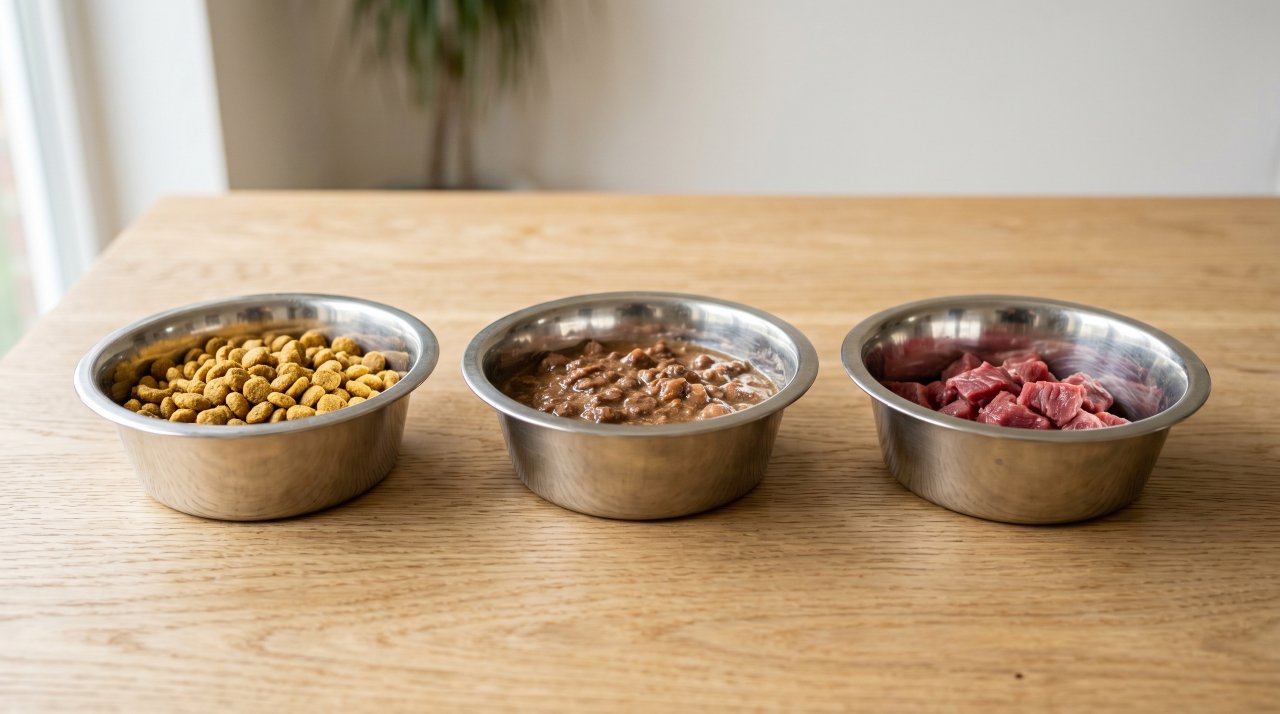
There’s no single right answer here — it depends on your dog’s health, your budget, and what your dog will actually eat.
Dry kibble is the most convenient and affordable option. It supports dental health through chewing action and is easy to portion. The downside: it’s low in moisture, which matters for senior dogs. If you stick with kibble, adding water or broth to the bowl helps.
Wet food has much higher moisture content, which supports kidney health and hydration. It’s also easier to eat for dogs with dental pain or missing teeth — a common senior issue. The downside is cost and the fact that it doesn’t clean teeth.
Raw diets are increasingly popular but come with real risks, especially for senior dogs with compromised immune systems. Bacterial contamination from raw meat is a genuine concern. The FDA’s guidance on raw pet food clearly outlines these risks. If you want to feed raw, work closely with a veterinary nutritionist to ensure the diet is balanced.
Many owners do well with a combination: dry food in the morning with water added, wet food in the evening. This gives you the benefits of both without the full cost of an all-wet diet.
Foods to Avoid in a Senior Dog Diet
Some foods that are fine for younger dogs become more problematic as dogs age. And some are dangerous at any age.
Avoid these completely:
- Grapes and raisins (toxic, can cause kidney failure)
- Onions and garlic (damage red blood cells)
- Xylitol (found in sugar-free products — highly toxic)
- Macadamia nuts (cause neurological symptoms)
- Chocolate (toxic at any dose)
- Alcohol (obviously, but worth saying)
Be cautious with:
- High-sodium foods — older kidneys struggle to process excess salt
- High-fat table scraps — increase pancreatitis risk
- Bones — senior dogs with dental issues can crack teeth or swallow fragments
Stick to dog-specific treats and read ingredient labels. Many commercial treats are high in salt, sugar, and artificial preservatives that aren’t doing your senior dog any favors.
Signs Your Senior Dog’s Diet Isn’t Working
You’re feeding your dog every day, but how do you know it’s actually the right diet for them? Watch for these warning signs that something needs to change.
Signs the diet needs adjustment:
- Unexplained weight gain or loss
- Dull, dry, or flaking coat
- Low energy or lethargy beyond normal aging
- Loose stool or chronic constipation
- Increased gas or vomiting
- Excessive thirst (can signal kidney issues or diabetes)
- Difficulty eating or dropping food (could indicate dental pain)
- Behavioral changes like increased confusion or irritability
Any of these signs warrants a vet visit. Some indicate a diet issue, while others point to underlying health conditions that diet changes alone won’t fix.
Don’t wait and see if symptoms resolve on their own. Older dogs can decline quickly, and catching issues early makes a huge difference in outcomes.
Choosing the Right Senior Dog Food: What to Look For
Walk into any pet store and you’ll see dozens of “senior” formulas. The label alone doesn’t tell you much. Here’s what to actually look at.
Check for:
- Named protein source as the first ingredient (chicken, beef, salmon — not “meat meal” or “by-products”)
- A minimum of 25% protein on a dry matter basis
- Added omega-3s (DHA, EPA) or fish oil
- Joint support ingredients like glucosamine
- No artificial colors, preservatives (BHA, BHT), or sweeteners
- AAFCO statement saying the food is complete and balanced for “adult maintenance” or “all life stages”
Note: not all foods labeled “senior” are AAFCO-certified as complete. Some are marketed as senior food but don’t meet the nutritional standards for adult dogs. Always check the AAFCO statement on the bag.
When in doubt, ask your vet for a recommendation. A board-certified veterinary nutritionist can create a specific plan if your dog has complex health needs. The American College of Veterinary Nutrition has a directory to help you find one.
FAQ: Your Senior Dog Diet Questions Answered
What is the best diet for a senior dog?
The best diet for a senior dog is high in quality protein, appropriately low in calories to support a healthy weight, and rich in moisture — either through wet food or water added to kibble. It should also include omega-3 fatty acids and, ideally, joint support ingredients like glucosamine. Your vet can help you choose based on your dog’s specific health history.
What should I feed my 10-year-old dog?
A 10-year-old dog’s needs depend on their size and health status. Small breeds at 10 are solidly senior but may still be active. Large breeds at 10 are well into old age. Focus on high-protein, moderate-fat food with added joint support, and monitor their weight closely. Switch from one large meal to two smaller meals daily if you haven’t already.
How many times a day should a senior dog eat?
Most senior dogs do best with two meals per day — one in the morning and one in the evening. This is easier on their digestion, more stable for blood sugar, and reduces the risk of bloat in larger breeds. Avoid free-feeding (leaving food out all day), as it makes portion control nearly impossible.
Is wet or dry food better for senior dogs?
Both have pros and cons. Wet food provides more moisture, which supports kidney health and is easier to eat for dogs with dental issues. Dry food is more affordable and supports dental health. Many owners use a combination. The most important thing is that whatever you choose meets your dog’s nutritional needs and that they’re getting enough water daily.
What foods should senior dogs avoid?
Senior dogs should never eat grapes, raisins, onions, garlic, chocolate, xylitol, or macadamia nuts. Beyond outright toxic foods, be cautious with high-sodium foods, fatty table scraps, and raw diets unless supervised by a veterinary nutritionist. As dogs age, their digestive systems and immune response become less resilient, so what they tolerate when young may cause problems later.
Should I talk to my vet before changing my senior dog’s diet?
Yes — especially if your dog has any existing health condition. Kidney disease, diabetes, heart disease, and liver problems all have specific dietary requirements that a generic senior diet won’t address. Even for healthy senior dogs, a vet check-up every 6 months is the best way to catch changes before they become serious problems.
The One Thing That Matters Most
If you take one thing from this guide, let it be this: a senior dog diet isn’t a product you buy — it’s a system you build.
Get the protein right. Manage the weight. Keep your dog hydrated. Set a consistent feeding schedule. Add the supplements that are actually evidence-based. Watch for warning signs. And work with your vet, because no article — including this one — can replace what a professional who knows your dog can tell you.
Your next step: book a senior wellness check with your vet this week if you haven’t had one in the last six months. Bring notes on what your dog currently eats, how much, and how often. That conversation is the single best investment you can make in your senior dog’s health right now.
Your dog has given you years of loyalty. This is how you give it back.