

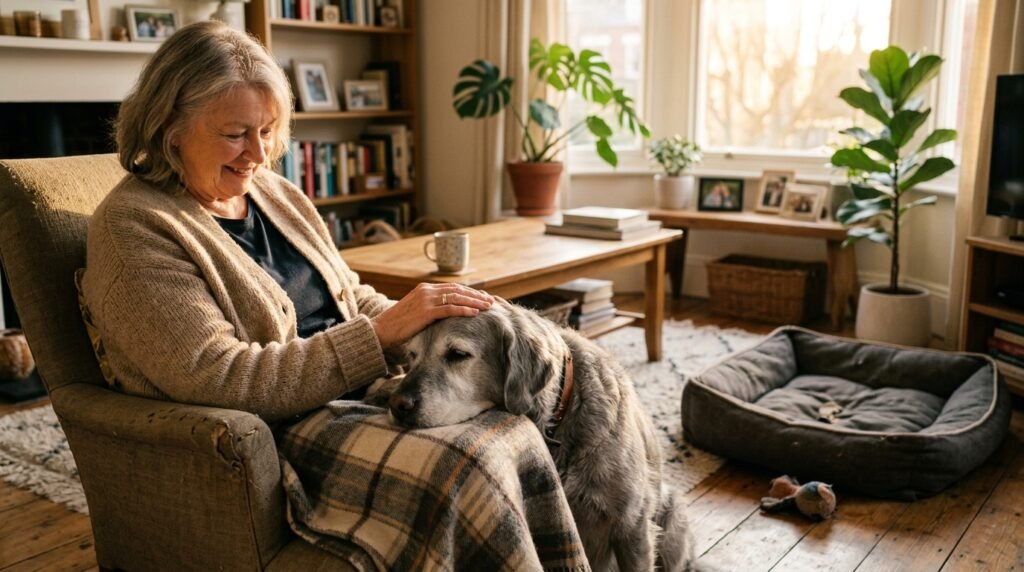
Walking through the front door into a house that suddenly feels too quiet is one of the heaviest moments any family can experience. When a beloved dog or cat passes away, the silence reverberates through every room. As you cope with your personal sorrow, you glance down and see your surviving senior dog pacing near the empty bed or sniffing lingering scent marks in confusion.
Dogs form profound, intricate bonds with their long-term pack companions. They share feeding times, yard patrols, joint naps, and mutual reassurance. When that daily presence vanishes without explanation, older canines experience acute distress, disorientation, and emotional grief that mirrors human mourning.
Senior dogs are particularly vulnerable to pet loss because their cognitive and sensory faculties are already fragile. The sudden disappearance of their daily anchor can trigger depressive withdrawal, appetite loss, and behavioral regression. Providing empathetic, structured support during this delicate transition restores their inner peace and helps them rediscover purpose in daily life.
Quick Answer:
Helping a grieving senior dog requires maintaining strict daily routines, offering gentle physical comfort without reinforcing fearful clinginess, stimulating appetite with savory meal toppers, and providing low-stress mental enrichment like slow sniff walks. Canine grief typically lasts between two and eight weeks. Compassionate consistency restores their security and prevents acute emotional withdrawal.
Key Takeaways:
- Emotional Reality: Research confirms that over seventy percent of surviving dogs display behavioral grief after a companion dies.
- Schedule Stability: Maintaining predictable feeding, walking, and bedtime hours provides an emotional safety anchor for an anxious mind.
- Scent Management: Keep a blanket carrying the deceased pet scent for several days, then launder bedding gradually to ease sensory transition.
- Gentle Engagement: Swap physically demanding play for soothing tactile massage and quiet nature sniff walks to stimulate serotonin release.
- Veterinary Rule-Out: If grief-related fasting exceeds forty-eight hours or profound lethargy sets in, schedule a veterinary wellness exam immediately.
Do Dogs Truly Experience Grief and Loss?
For decades, skeptics viewed canine reactions to pet loss as mere disruption of daily routine rather than authentic sorrow. Today, veterinary behaviorists and animal neuroscientists recognize that dogs possess the neurological hardware to experience genuine grief. Brain scans show that canines produce oxytocin, cortisol, and dopamine in patterns remarkably similar to human emotional processing.
The landmark Companion Animal Mourning Project conducted by the ASPCA animal mourning research study revealed that sixty-six percent of dogs exhibit four or more behavioral changes following the loss of a animal companion. These shifts include vocal searching, sudden appetite drops, altered sleeping locations, and profound social withdrawal.
Senior dogs feel this absence with heightened intensity. Older canines rely heavily on their companions as sensory guides, particularly if they suffer from cloudy vision or failing hearing. The deceased companion often served as an emotional compass that signaled when visitors arrived, when dinner was ready, or that the environment was safe.
When that guiding presence disappears, the surviving dog world becomes unpredictable. The loss triggers acute separation anxiety and cognitive confusion. Acknowledging their grief as authentic emotional suffering allows you to respond with the deep patience and compassionate care they need.
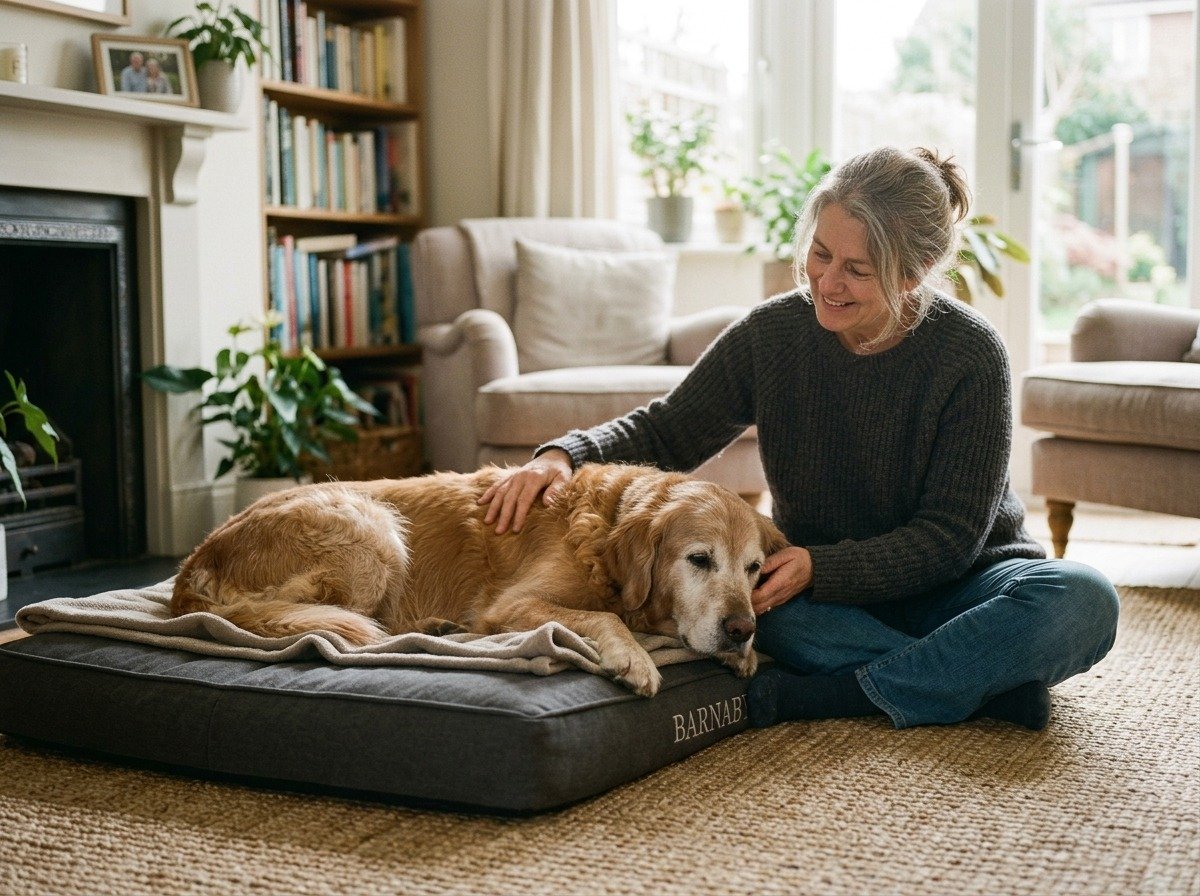
Recognizing the Common Signs of Canine Grief
Grief manifests uniquely in every canine, shaped by their individual personality, age, and relationship with the deceased companion. Some dogs become vocal and frantic, while others turn quiet and emotionally distant. Learning to recognize these symptoms prevents misunderstandings and ensures timely comfort.
One of the most frequent behaviors is active searching. Your senior dog may wander from room to room, sniffing favorite resting spots, checking behind doors, or whining softly at the patio window. They look expectant every time a car door slams outside, believing their friend has returned.
Depressive lethargy is another widespread indicator. Surviving dogs often sleep excessively, retreating to quiet closets or curling up in tight balls for hours. If you want to evaluate if your companion excessive rest is healthy or pathological, review our guide on old dog sleeping patterns versus lethargy to identify warning signs.
Behavioral Shifts in Daily Habits
- Appetite Suppression: Sniffing dinner bowls and walking away without eating, or requiring extensive coaxing to consume small portions.
- Velcro Clinginess: Shadowing family members from room to room, trembling when left alone, or leaning heavily against legs for physical reassurance.
- Vocal Distress: Whimpering, howling, or barking intermittently, especially during previous shared activity hours like morning walks or evening meals.
- Loss of Play Drive: Completely ignoring beloved squeaky toys, balls, or chew bones that once brought exuberant joy.
- House Soiling Regression: Having sudden bladder accidents indoors due to emotional stress and disrupted biological timing.
These behavioral changes typically peak during the first two weeks following loss. With structured comfort, symptoms gradually soften into peaceful acceptance over four to eight weeks. If symptoms worsen beyond two months, clinical intervention is warranted.
The Power of Predictable Routine During Mourning
When grief shatters a dog emotional equilibrium, strict routine serves as their strongest anchor. Predictability provides subconscious reassurance that their fundamental world remains safe and intact. Knowing exactly when food arrives, when outdoor breaks happen, and when sleep begins eliminates situational panic.
Keep meal hours, walking schedules, and bedtime rituals consistent down to the minute. If your dogs previously ate side-by-side, do not leave an empty bowl in the old spot. Move the surviving dog feeding station slightly to a fresh, neutral location to prevent painful expectation cues.
To establish a supportive household rhythm, explore our structured framework on senior dog daily routines for comfort and security. That guide outlines how regular schedules reduce cortisol surges in aging canines.
Avoid taking extended vacations or boarding your surviving dog during the initial weeks after a companion passing. Being placed in an unfamiliar kennel while already grieving can trigger acute separation trauma. Remaining in familiar home territory surrounded by beloved family provides essential emotional stability.
Managing Scent Markers and Possessions
Canine perception is deeply rooted in olfaction. When a companion dog passes, their lingering scent brings both comfort and agonizing confusion. Handling their belongings thoughtfully eases the emotional transition for your surviving pet.
Do not instantly pack away or throw out every item belonging to the deceased pet on the first afternoon. Erasing every trace of their scent immediately creates a disorienting sensory vacuum. Leave a favorite shared blanket or plush toy in the living room for several days so your surviving companion can sniff it at their own pace.
Allowing your surviving dog to view the deceased companion body immediately after death or euthanasia provides natural closure. Veterinary guidelines from the American Veterinary Medical Association pet loss and euthanasia resources note that dogs who sniff a deceased companion understand death and spend significantly less time searching fruitlessly through the house.
After three to five days, begin laundering bedding and washing food dishes gradually. Washing items one at a time gently phases out the scent without shocking your senior dog olfactory world. Keep high-value resting spots clean, dry, and welcoming.
Gentle Emotional Support and Mental Enrichment
Grieving senior dogs need extra love, but how you deliver that affection matters immensely. Lavishing high-pitched sympathy, weeping over them, or rewarding fearful whining can unintentionally reinforce emotional distress. Dogs take emotional cues directly from their human pack leaders.
Strive to project calm, steady, grounded warmth. Sit on the floor beside your dog, offering slow, rhythmic strokes along their back and neck while speaking in soft, reassuring tones. Gentle tactile massage stimulates endorphin and oxytocin release, lowering elevated resting heart rates.
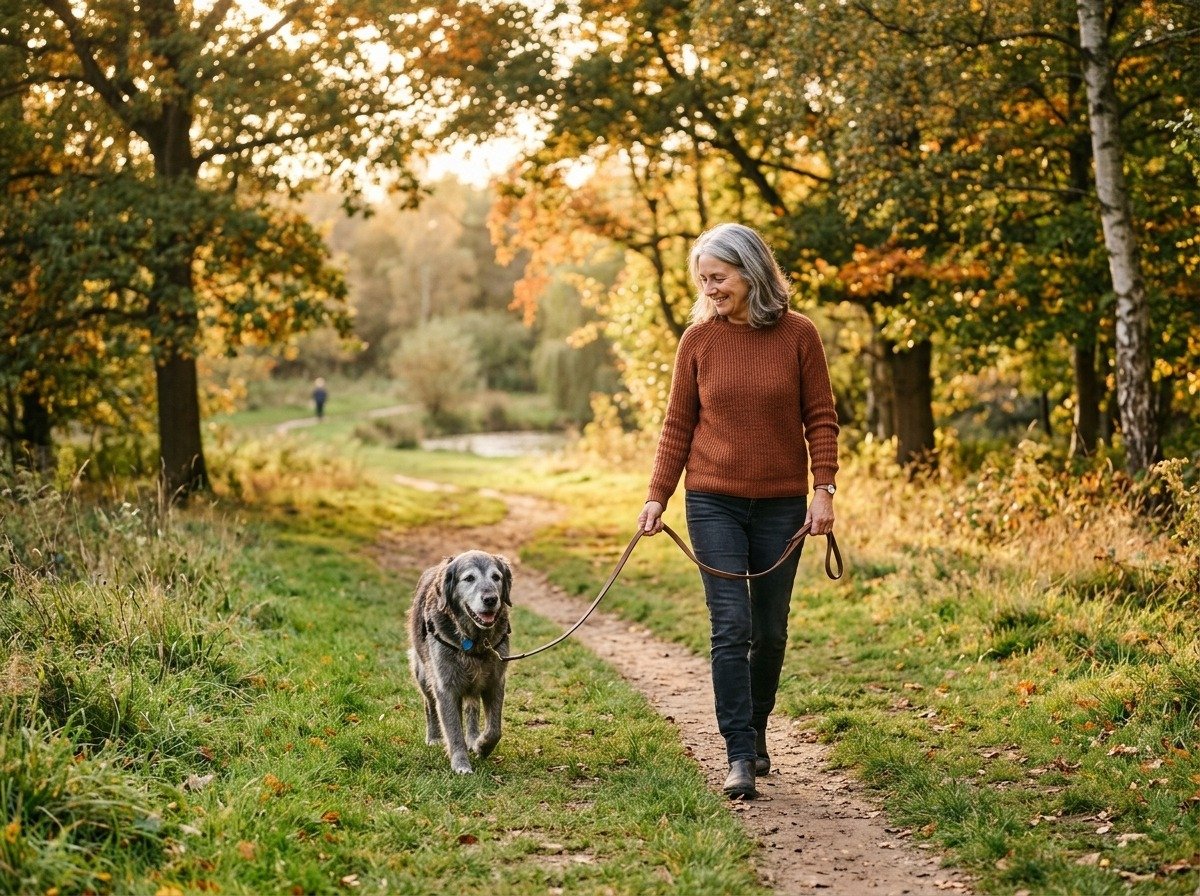
Engage your dog senses with low-impact nature sniff walks. Take your companion to quiet parks or grassy trails on a loose lead, allowing them to sniff plants, tree trunks, and soil without rushing. Sniffing activates the seeking circuit in the canine brain, releasing dopamine and breaking depressive thought loops.
Introduce gentle mental puzzles at home to spark curious engagement. Lick mats spread with plain canned pumpkin or peanut butter provide rhythmic licking that naturally soothes canine anxiety. Snuffle mats hidden with savory freeze-dried treats encourage gentle foraging without straining arthritic joints.
Canine Grief Stages & Support Strategies Matrix
Managing the emotional aftermath of pet loss requires adapting your care as your companion moves through healing. The following reference matrix outlines the common phases of canine bereavement and practical home support strategies.
| Grief Phase | Observed Behaviors | Targeted Home Care Strategy | Caregiver Mindset |
|---|---|---|---|
| Days 1 to 5: Shock & Searching | Pacing hallways, whining at doors, checking beds, sniffing | Allow scent inspection; maintain rigid daily schedules | Calm, steady presence without frantic emotional drama |
| Weeks 1 to 3: Depressive Withdrawal | Sleeping heavily, reduced appetite, low interest in play | Warm bone broth toppers; soothing massage; lick mats | Patience and gentle encouragement without pressure |
| Weeks 3 to 6: Rebuilding Security | Tentative interest in toys; seeking human affection | Introduce short sniff walks; novel nature trails; puzzle toys | Celebrate small daily sparks of curiosity and joy |
| Beyond Week 6: New Normal | Stable appetite; cheerful greetings; peaceful sleep | Maintain ongoing enrichment and senior joint support | Appreciation for renewed resilience and bonding |
Supporting Appetite and Physical Health
Grief frequently suppresses appetite, which poses acute risks for frail senior dogs. Going without adequate nutrition for even two days can trigger hepatic lipidosis, dehydration, and rapid muscle wasting. Enticing a grieving dog to eat requires gentle creativity.
Warm their meals slightly in the microwave to release aromatic fats and proteins that stimulate dulled olfactory receptors. Add savory, nutrient-dense toppers like warm low-sodium bone broth, plain poached chicken breast, or a spoonful of pure pumpkin puree.
Hand-feeding small bites during the first few days can break fasting strikes by providing emotional reassurance. Sit beside your companion on the floor, offering a morsel from your palm with soft words of encouragement. Once they swallow a few bites, place the dish gently in front of them.
If fasting persists past forty-eight hours, contact your veterinarian promptly. Your vet can prescribe short-term appetite stimulants like capromorelin or anti-nausea medications to protect organ function while grief runs its course.
Should You Get Another Dog Immediately?
Well-meaning friends often suggest adopting a new puppy or adult dog right away to cure your senior pet loneliness. While this suggestion comes from a place of love, bringing a new dog into the house immediately is rarely wise. A grieving senior dog lacks the emotional stamina to tolerate an energetic newcomer.
Senior dogs cherish established pack hierarchies and quiet environments. Introducing a bouncing puppy forces an elderly dog to defend their space, guard resting beds, and endure unwanted physical wrestling. This added pressure frequently transforms quiet sadness into defensive aggression or chronic stress.
Allow your surviving companion full time to grieve, heal, and bond deeply with you as an individual. Many senior dogs blossom when given the chance to receive undivided human attention during their final years. Focus on honoring their individual needs before considering future pack additions.
If you eventually decide to expand your family, wait until your senior dog appetite, energy, and joy have fully stabilized. Consider adopting a calm, mature dog whose temperament matches your senior pet gentle pace of life.
When Professional Help Is Essential
While the vast majority of senior dogs navigate pet loss successfully with loving home care, complicated grief can occasionally trigger severe medical or behavioral decline. Knowing when home care is insufficient protects your companion health.
Consult your veterinarian if your senior dog displays complete refusal to drink water, severe gastrointestinal upset, sudden collapse, or continuous vocal crying that cannot be comforted. These signs often indicate that acute emotional stress has triggered an underlying medical vulnerability like pancreatitis or kidney failure.
Veterinary insights from the Cornell University Riney Canine Health Center geriatric wellness resources emphasize that severe bereavement stress can accelerate cognitive dysfunction or immune suppression. A compassionate veterinarian can prescribe temporary anxiolytic medications to take the sharp edge off panic while your dog heals.
If your pet companion was euthanized due to advanced illness or old age, reviewing our guides on signs a senior dog is dying and when to put down a senior dog can bring solace to human hearts while helping you process your shared family bond.
Frequently Asked Questions
How long does grief typically last in a senior dog?
Most senior dogs experience acute grief symptoms for two to four weeks following the loss of a companion. With steady routines, gentle affection, and mental enrichment, behavior generally stabilizes within six to eight weeks. If severe depression or fasting persists beyond two months, consult your veterinarian for specialized support.
Should I let my surviving dog see the deceased pet body?
Yes, allowing your surviving dog to view and gently sniff the body provides profound psychological closure. Dogs understand the scent markers of death and cessation of life. Experiencing this moment prevents the frantic searching and confusion that occurs when a companion simply vanishes without explanation.
Why is my grieving senior dog suddenly having accidents in the house?
House soiling regression during bereavement is a common physiological reaction to emotional stress and anxiety. High cortisol levels increase urinary frequency, while cognitive disorientation disrupts bathroom timing. Clean accidents calmly with enzymatic cleaner and increase outdoor break frequency without scolding.
Can dogs die of a broken heart after losing a companion?
While dogs do not die from emotional heartache alone, severe grief can trigger fatal physical complications in frail seniors. Prolonged refusal to eat, dehydration, and elevated stress hormones can rapidly destabilize pre-existing heart disease, kidney insufficiency, or immune health. Proactive veterinary intervention ensures physical stability while emotional healing unfolds.
How can I comfort my grieving dog when I am grieving too?
Shared grief can foster a uniquely deep, healing bond between human and canine. Allow yourselves to share quiet, comforting moments together on the floor or couch while maintaining familiar daily schedules. Caring for your faithful companion gives you mutual purpose and comfort through difficult days.