
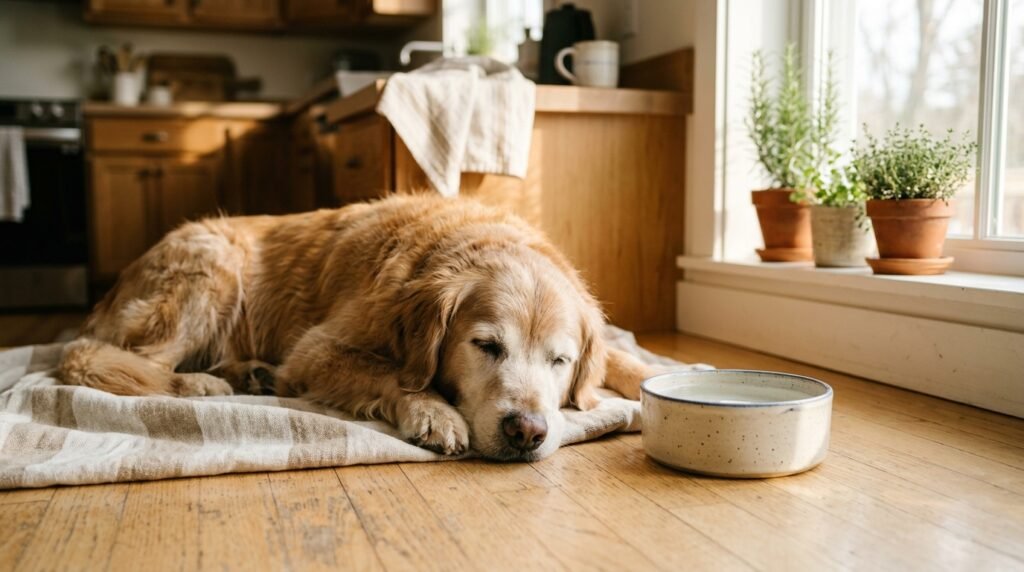
It is two o’clock in the morning, and the steady, rhythmic clinking of your dog’s tags against the water dish echoes through the quiet house. For the third time tonight, your faithful companion stands over their bowl, drinking deeply until the ceramic dish is bone dry. When they finally stop, they lick their lips, look up at you with tired eyes, and nudge the empty dish across the floor hoping for another refill.
Noticing your senior dog drinking a lot of water is an unsettling moment for any loving pet parent. You might wonder if they are simply thirsty from a warm afternoon or if this sudden change marks the beginning of a deeper health issue. While occasional thirst after exercise is normal, a sustained increase in water intake in an older dog is almost never a harmless habit. In canine veterinary medicine, excessive thirst is known as polydipsia, and it is one of the most reliable early warning signals that an internal organ system needs attention.
Your dog’s body uses water to maintain balance across every vital organ. When physiological pathways falter, the body prompts your dog to drink more to protect itself. By learning how to recognize normal versus abnormal hydration, exploring the primary medical causes, and scheduling prompt veterinary diagnostics, you can support your aging companion with calm confidence and proactive care.
Quick Answer:
A senior dog drinking a lot of water (consuming more than 100 milliliters per kilogram, or roughly 1.5 ounces per pound of body weight daily) is usually compensating for excessive fluid loss caused by chronic kidney disease, diabetes mellitus, or Cushing’s disease. Other common culprits include urinary tract infections, liver disease, pyometra in unspayed females, and steroid medications. Never restrict your dog’s access to fresh water, as thirst is a life-preserving reflex. Contact your veterinarian promptly for a complete blood chemistry panel, electrolyte check, and complete urinalysis to diagnose the underlying cause.
Key Takeaways:
- The Thirst Threshold: Normal dogs drink 50 to 100 milliliters of water per kilogram per day; exceeding this threshold signals clinical polydipsia requiring veterinary evaluation.
- Never Withhold Water: Limiting water intake in a polyuric senior dog can trigger fatal dehydration, electrolyte collapse, and sudden kidney failure within hours.
- The Big Three Diseases: Over eighty percent of senior canine polydipsia cases stem from chronic kidney disease, diabetes mellitus, or Cushing’s disease.
- Urine Specific Gravity Tells All: A simple urinalysis test showing dilute urine confirms if the kidneys have lost their ability to concentrate waste.
- Early Diagnosis Protects Organs: Detecting metabolic conditions before advanced lethargy sets in allows targeted treatments that preserve quality of life for years.
How Much Water Is Normal for an Older Dog?
Before you begin to worry, it helps to understand baseline canine water requirements. Daily water consumption varies depending on your dog’s weight, diet, activity level, and the ambient temperature inside your home.
As a general clinical baseline, a healthy dog consumes approximately 50 to 100 milliliters of water per kilogram of body weight each day. In imperial measurements, that equates to roughly one-half to one fluid ounce of water per pound of body weight daily. For example, a healthy fifty-pound senior dog should drink between twenty-five and fifty ounces of water each day, which is roughly three to six standard measuring cups.
Diet plays a substantial role in baseline water needs. Dogs eating dry kibble (which contains only about eight to ten percent moisture) must drink significantly more from their bowl to stay hydrated. In contrast, dogs eating canned wet food or fresh home-cooked stews (which contain seventy-five to eighty percent moisture) absorb much of their daily hydration directly through their meals. If your dog eats dry kibble and consistently drinks more than one hundred milliliters per kilogram (over 1.5 ounces per pound), they have crossed into clinical polydipsia.
How to Accurately Measure Your Dog’s Daily Water Intake
Veterinarians often hear pet parents say, “My dog seems to be drinking more than usual.” While that observation is helpful, having exact numerical data gives your veterinarian immediate diagnostic traction. Measuring daily intake at home is straightforward and takes only a few minutes.
- Select a Dedicated Measuring Pitcher: Fill a clean pitcher with a known volume of water in the morning, such as sixty or eighty ounces, and use only this pitcher to refill your dog’s water dishes.
- Log Every Refill: Keep a notepad next to the pitcher. Note the starting volume at 8:00 AM. Every time you pour water into your dog’s bowl, subtract that amount from the pitcher.
- Account for Multi-Pet Households: If you have other dogs or cats, separate your senior companion in a comfortable room for twenty-four hours during the test or monitor bowl access closely.
- Calculate the Total: Exactly twenty-four hours later, measure whatever water remains in the bowl and subtract it from the total poured. The remaining figure is your dog’s true twenty-four-hour intake.
The Golden Rule: Never Withhold Water from a Thirsty Senior Dog
When an aging dog starts drinking excessive water, they naturally need to urinate much more frequently. You might find yourself waking up every two hours for bathroom breaks, or discovering wet puddles on the living room rug. During moments of exhaustion, it is tempting to think, “Maybe I should pull up the water bowl after 8:00 PM to prevent night accidents.”
You must resist this temptation completely. In an older dog, excessive drinking is almost never a behavioral quirk; it is a life-saving compensatory reflex. When organs like the kidneys or endocrine glands malfunction, the body flushes massive volumes of dilute urine, dragging vital water out of the vascular system. Your dog is not drinking because they want to; they are drinking because their cells are desperately dehydrated.
If you remove the water bowl, your dog’s body will continue to lose fluids through urination. Without replacement fluids, a dog with kidney disease or diabetes can enter acute hypovolemic shock within six to twelve hours. Dehydration causes blood pressure to plunge, starving the brain and kidneys of oxygen, and can turn a manageable chronic illness into a fatal medical crisis. Always leave fresh, clean water available at all times, day and night.
The 7 Major Medical Causes of Excessive Drinking in Senior Dogs
Veterinary internal medicine specialists look at excessive drinking as part of a clinical pair called PU/PD: polyuria (excessive urination) and polydipsia (excessive drinking). In almost every canine case, polyuria comes first. The kidneys dump excess water, and polydipsia follows to prevent dehydration. Here are the seven most common conditions that trigger this cycle in senior dogs.
1. Chronic Kidney Disease (Renal Insufficiency)
The kidneys act as the body’s master filtration plant. Millions of microscopic functional units called nephrons filter metabolic waste from the bloodstream and reabsorb clean water back into circulation. As dogs advance into their senior years, nephrons gradually wear out and are replaced by non-functional scar tissue.
When roughly two-thirds of functional nephrons are lost, the kidneys can no longer concentrate urine. Dilute urine pours into the bladder at high speed, pulling vast amounts of water out of the dog’s body. The dog feels intense, unrelenting thirst and drinks constantly to replenish the deficit. To explore the progressive stages and clinical markers of renal decline, read our guide on kidney disease in senior dogs, signs, and vet care.
2. Canine Diabetes Mellitus
Diabetes mellitus occurs when the beta cells of the pancreas fail to produce sufficient insulin, or when the body’s cells become resistant to insulin’s signals. Without insulin, glucose cannot enter cells to provide cellular energy, causing sugar to accumulate in the bloodstream at high levels.
When blood glucose exceeds the renal threshold (approximately 180 milligrams per deciliter in canines), the excess sugar spills into the urine. Glucose is an active osmotic agent that pulls water along with it through the kidneys, creating a profound diuretic effect. The dog produces large volumes of sweet, sticky urine and develops ravenous thirst to compensate. As outlined in clinical resources from the VCA Animal Hospitals guide on canine diabetes mellitus, diabetic dogs often display weight loss despite a ravenous appetite.
3. Cushing’s Disease (Hyperadrenocorticism)
Cushing’s disease is an endocrine disorder caused by a benign tumor on either the pituitary gland or the adrenal glands. This tumor causes the adrenal glands to continuously pump excessive amounts of cortisol into the bloodstream. While cortisol is essential for stress management, chronic cortisol flooding disrupts water regulation.
Cortisol directly interferes with Antidiuretic Hormone (ADH, also called vasopressin) in the kidneys. Without ADH function, the renal collecting ducts cannot reabsorb water, forcing the dog to produce massive amounts of pale urine. Dogs with Cushing’s disease also develop a characteristic pot-bellied appearance, symmetrical hair loss along the flanks, thin fragile skin, and chronic panting. The VCA Animal Hospitals overview of canine Cushing’s disease details how hormonal testing confirms this common senior diagnosis.
4. Pyometra (Uterine Infection in Unspayed Females)
If your senior companion is an intact (unspayed) female dog, sudden excessive thirst is a life-threatening emergency. Pyometra is a severe, toxic bacterial infection of the uterus that typically occurs two to eight weeks after a heat cycle.
The primary bacteria involved, Escherichia coli, releases dangerous lipopolysaccharide endotoxins into the bloodstream. These bacterial endotoxins travel directly to the kidneys and physically block ADH receptors in the renal tubules, making it impossible for the kidneys to concentrate urine. If your intact older female is drinking heavily, acting lethargic, or showing vaginal discharge, seek emergency veterinary surgical care immediately. Pyometra is fatal without rapid surgical removal of the infected uterus.
5. Urinary Tract Infections (UTI) and Pyelonephritis
Lower urinary tract infections cause bladder inflammation, making dogs feel the urge to strain and void small amounts of urine frequently. However, if bacteria ascend from the bladder up the ureters into the renal pelvis, they cause a severe kidney infection known as pyelonephritis.
Pyelonephritis damages the delicate renal medullary architecture responsible for concentrating urine. The resulting loss of concentrating ability triggers sudden polyuria and polydipsia. Dogs with pyelonephritis often exhibit fever, lower back sensitivity, abdominal guarding, and cloudy or foul-smelling urine.
6. Liver Disease and Hepatic Insufficiency
The liver performs hundreds of metabolic functions, including converting ammonia from protein breakdown into urea. Urea plays a crucial physical role inside the kidneys by maintaining the medullary osmotic gradient needed to draw water back into the bloodstream.
When senior dogs suffer from chronic hepatitis, cirrhosis, or hepatic tumors, reduced urea synthesis weakens the kidney’s concentration mechanism. In addition, the liver metabolizes circulating hormones; damaged liver tissue allows hormones to linger, stimulating the thirst center in the brain. If your older dog is losing muscle mass or showing jaundice (yellowish gums and eyes), explore the contributing factors in our guide on why an old dog is getting skinny and common senior causes.
7. Medications and Medical Side Effects
Sometimes, excessive thirst is an expected side effect of medications prescribed to manage other senior ailments. If your dog began drinking heavily shortly after starting a new prescription, the medication may be the direct cause.
- Corticosteroids (Prednisone, Dexamethasone): Steroids prescribed for skin allergies, autoimmune disorders, or lymphoma mimic cortisol, directly blocking ADH and triggering intense thirst and hunger.
- Diuretics (Furosemide / Lasix, Torsemide): Prescribed for congestive heart failure to pull fluid out of congested lungs. Diuretics force the kidneys to excrete water, requiring the dog to drink more to stay balanced.
- Anti-Seizure Medications (Phenobarbital, Potassium Bromide): These drugs frequently stimulate the brain’s thirst centers, resulting in increased water consumption.
Diagnostic Comparison Matrix for Senior Canine Polydipsia
The following clinical comparison matrix summarizes how veterinarians distinguish between the top causes of excessive drinking in older dogs.
| Underlying Cause | Primary Mechanism | Accompanying Signs | Key Lab Findings | Urgency Level |
|---|---|---|---|---|
| Chronic Kidney Disease | Loss of functional nephrons; unable to concentrate urine | Decreased appetite, nausea, weight loss, chemical breath | Elevated SDMA, BUN, Creatinine; dilute USG (1.008 to 1.012) | High; prompt care needed |
| Diabetes Mellitus | Glucose exceeds renal threshold, pulling water into urine | Ravenous appetite, rapid weight loss, cloudy eye cataracts | Hyperglycemia (>200 mg/dL), glucosuria, occasional ketones | High; risk of DKA crisis |
| Cushing’s Disease | Excess cortisol blocks antidiuretic hormone action | Pot belly, hair thinning, panting, high appetite, fragile skin | Elevated ALP, dilute USG, positive LDDST / ACTH stim test | Moderate; schedule testing |
| Pyometra (Intact Females) | Bacterial endotoxins paralyze kidney ADH receptor sites | Severe lethargy, fever, vomiting, vaginal discharge, collapse | Extremely high WBC count, enlarged fluid-filled uterus on scan | Critical; surgical emergency |
| Pyelonephritis / UTI | Ascending bacterial infection inflames renal pelvis tissues | Frequent straining, painful urination, fever, cloudy urine | Positive urine culture, white blood cells and protein in urine | High; requires antibiotics |
| Hepatic Insufficiency | Reduced urea synthesis weakens kidney concentration gradient | Jaundice, fluid in abdomen, vomiting, mental dullness | Elevated ALT, AST, Total Bilirubin; low BUN and Albumin | High; medical management |
| Medication Side Effects | Direct drug action on nephrons or central thirst centers | Symptoms start right after starting steroids or diuretics | Dilute urine, normal kidney parameters unless pre-existing | Consult prescribing vet |
Essential Veterinary Diagnostic Tests: What to Expect at the Clinic
When you bring your senior dog to the veterinary clinic for excessive drinking, your veterinarian will approach the case methodically. Because polydipsia is a broad symptom pointing to several possible organ systems, a standard senior workup is necessary to identify the exact cause.
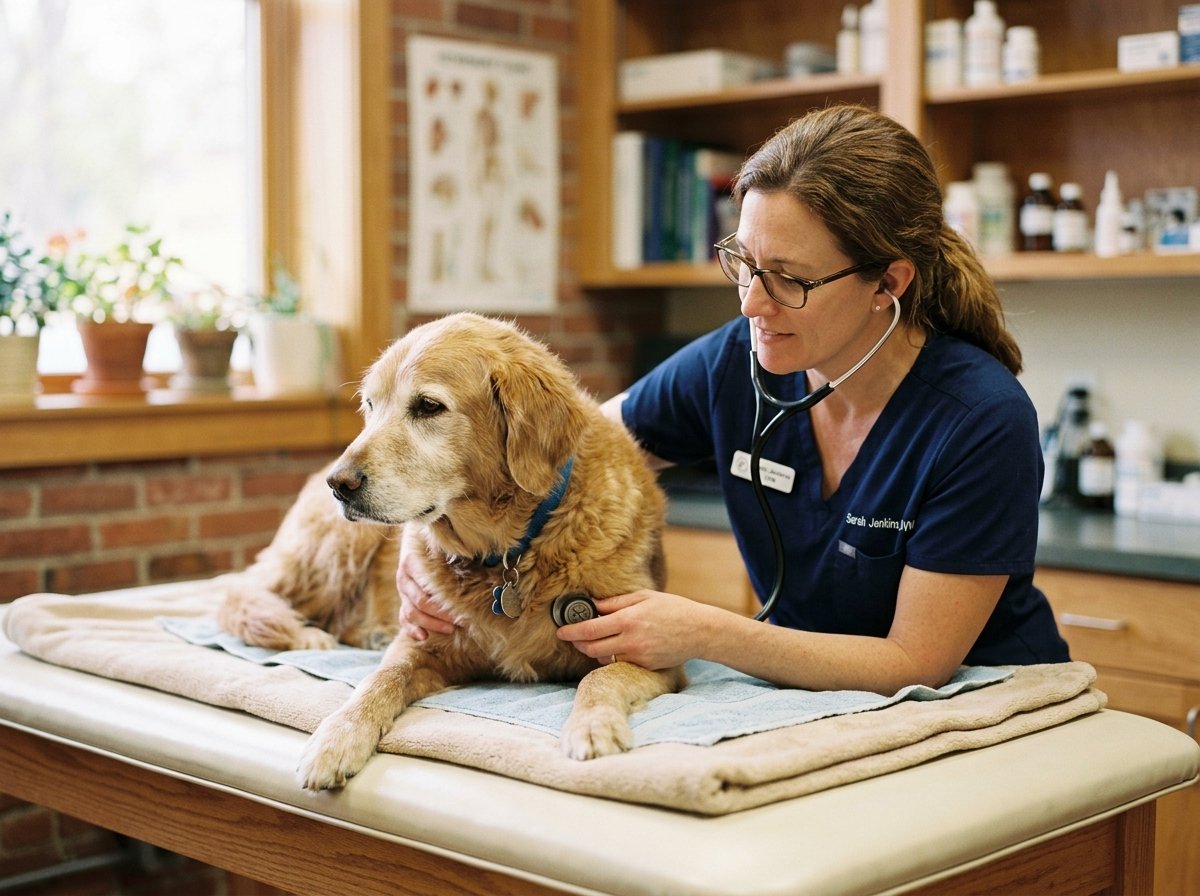
1. Complete Urinalysis (The Foundation)
A fresh urine sample provides immediate, invaluable information. The veterinarian uses a calibrated optical instrument called a refractometer to measure Urine Specific Gravity (USG), which evaluates how concentrated the urine is compared to pure water.
In a healthy dog, USG ranges from 1.025 to 1.045. When the kidneys lose their concentrating ability, USG drops into the isosthenuric range (1.008 to 1.012), meaning the urine is no more concentrated than blood plasma. The urinalysis also checks for chemical markers:
- Glucose: Spilling sugar confirms diabetes mellitus or renal tubular defects.
- Protein: Indicates glomerular damage or active urinary tract inflammation.
- Ketones: Signals a dangerous metabolic shift seen in unregulated diabetic ketoacidosis.
- Sediment Exam: Microscopic analysis looking for white blood cells, red blood cells, bacteria, and mineral crystals.
2. Complete Serum Biochemistry Panel and Electrolytes
A venous blood sample allows the laboratory to evaluate organ function across the entire body. For older dogs, this panel evaluates several crucial values:
- Symmetric Dimethylarginine (SDMA): A sensitive kidney biomarker that detects renal decline when only twenty-five to forty percent of kidney function is lost, long before traditional markers rise.
- Blood Urea Nitrogen (BUN) and Creatinine: Traditional waste products filtered by the kidneys; elevated levels indicate significant renal impairment.
- Blood Glucose: High resting fasting glucose points directly toward diabetes mellitus.
- Liver Enzymes (ALP and ALT): Markedly elevated ALP with normal liver values is a classic hallmark of Cushing’s disease, while high ALT signals active liver tissue inflammation.
- Electrolytes (Sodium, Potassium, Phosphorus, Calcium): Abnormal calcium levels can indicate occult tumors, while potassium shifts occur in advanced kidney disease.
To prepare your budget and understand routine clinic tests, consult our detailed walkthrough on senior dog vet checkups, blood test costs, and preparation tips.
3. Specific Endocrine Testing
If routine bloodwork points toward Cushing’s disease, your veterinarian will recommend specialized endocrine tests. The gold standard is the Low-Dose Dexamethasone Suppression Test (LDDST), which measures blood cortisol levels before and after administering a tiny dose of synthetic steroid over an eight-hour period. Alternatively, an ACTH Stimulation Test measures the adrenal glands’ response to hormone stimulation.
4. Abdominal Ultrasound and Radiographs
Imaging provides visual confirmation of internal organ architecture. An abdominal ultrasound allows the specialist to examine the structural size and internal texture of the kidneys, check the adrenal glands for tumors or enlargement, evaluate the liver and gallbladder, and rule out bladder stones or hidden tumors.
Distinguishing Increased Urination from Urinary Incontinence
One common point of confusion for pet parents is differentiating between polyuria (increased urine volume) and urinary incontinence (involuntary leaking). These two issues stem from entirely different physical mechanisms, although they frequently occur together in senior dogs.
With polyuria, your dog feels a conscious urge to urinate. They will stand up, walk toward the door, squat or lift their leg deliberately, and produce a large, steady stream of clear urine. With urinary incontinence, your dog has zero conscious awareness that urine is escaping. You may notice wet spots on their bedding where they were sleeping, or see urine dripping down their hind legs as they walk across the kitchen floor.
However, chronic polyuria places immense physical stress on the urinary bladder. An older dog whose bladder is constantly overfilled with dilute urine may experience sphincter failure, unmasking weak muscle control that was previously unnoticed. If you are managing unexpected puddles, our guide on senior dog incontinence causes and home care solutions provides helpful comfort techniques.
Subtle Behavioral Signs Accompanying Excessive Thirst
Polydipsia rarely appears in complete isolation. As metabolic changes progress, older dogs exhibit subtle shifts in daily routines, coat quality, and posture. Keeping an observant eye on these details helps your veterinarian form an accurate diagnosis.
1. Symmetrical Hair Thinning and Skin Changes
Dogs suffering from endocrine imbalances like Cushing’s disease or hypothyroidism often experience hair loss that mirrors itself on both sides of the body, particularly along the flanks and tail base. The skin may become papery thin, easily bruised, or develop small blackheads (comedones) and chalky mineral deposits (calcinosis cutis).
2. The “Pot-Bellied” Appearance and Muscle Wasting
Have you noticed that your senior companion looks round and bloated around the belly, while their spine and hips look noticeably boney? Elevated cortisol levels in Cushing’s disease cause abdominal muscle weakness and liver enlargement, allowing internal organs to sag downward into a classic pendulous shape while protein catabolism strips muscle off the limbs.
3. Nocturnal Pacing and Nighttime Restlessness
A dog with an overfilled bladder cannot rest deeply. If your senior dog paces the hallway at night, whines at your bedside, or seems confused and unsettled after dark, their internal organs may be waking them up with an urgent need to void. To learn how to soothe nighttime agitation, review our resource on old dog behavior changes, warning signs, and causes.
4. Sudden Vision Loss and Cataracts
In diabetic dogs, excess glucose inside the ocular lens is converted into sorbitol, an alcohol that pulls fluid into the lens capsule through osmosis. This rapid swelling causes bilateral diabetic cataracts, turning the eyes cloudy white and causing sudden blindness within a matter of days or weeks.
Home Care and Management Plan for a Thirsty Senior Dog
While your veterinarian formulates a targeted medical treatment plan, there are several practical steps you can implement immediately at home to keep your senior dog comfortable, hydrated, and confident.
1. Establish Multiple Fresh Water Stations
Senior dogs with stiff, arthritic hips or cognitive decline may hesitate to walk all the way across the house or navigate stairs just to reach a single water bowl. Place stable, wide-rimmed water dishes in every room where your companion spends time. Always keep bowls filled with clean, room-temperature water.
2. Use Elevated, Non-Slip Feeding and Drinking Stands
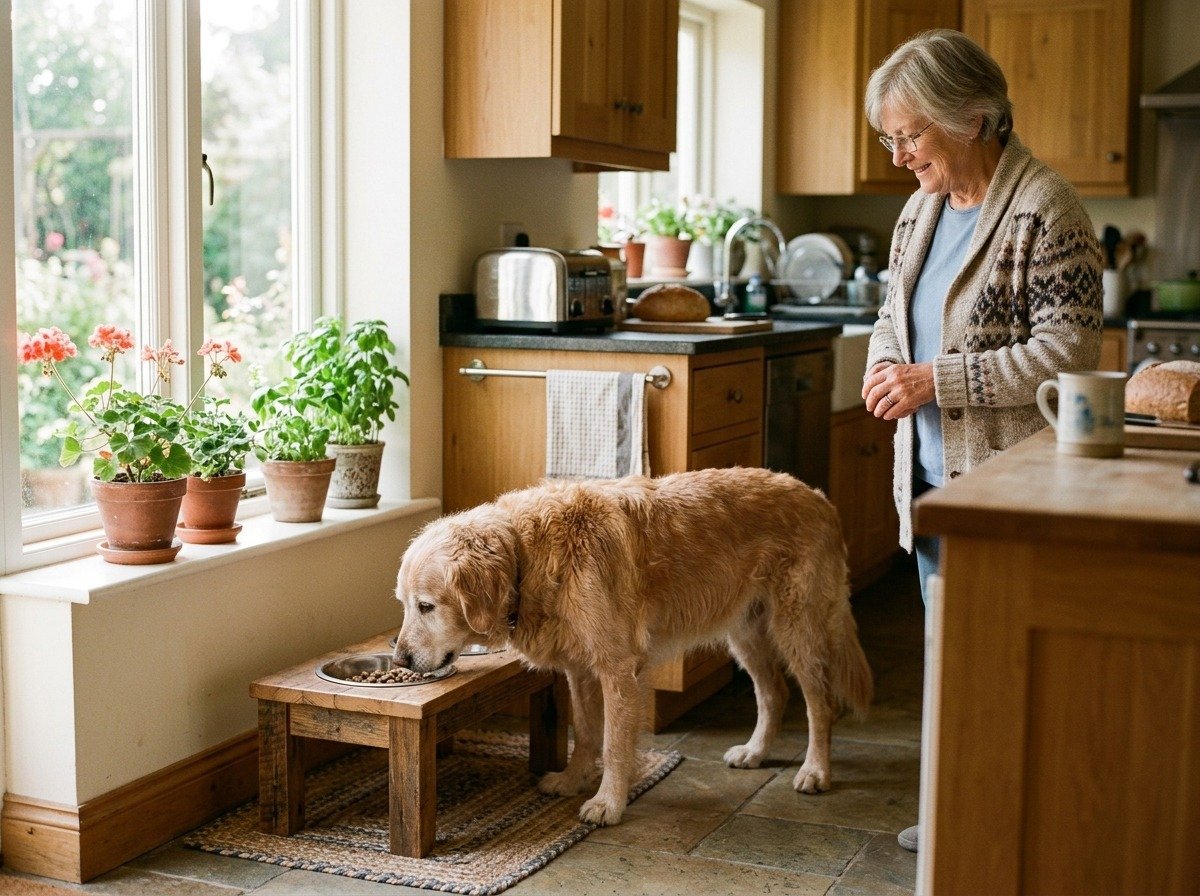
Bending down to the floor to drink places downward mechanical pressure on an aging dog’s cervical spine and front elbows. If your dog has arthritis, lowering their head for several minutes can be painful enough that they stop drinking before they are fully hydrated. Use an elevated bowl stand positioned at your dog’s lower chest level so they can drink in a relaxed, neutral posture.
3. Increase Outdoor Potty Opportunities
An older dog dealing with polyuria simply cannot “hold it” for eight or nine hours while you are at work or asleep. Expecting them to do so leads to intense anxiety and inevitable indoor accidents. Establish a predictable schedule with outdoor breaks every three to four hours during the day, and set a gentle alarm for a quick late-night turnout right before bed.
4. Protect Your Home with Washable Runners and Bedding
Accidents will happen, and your dog will feel guilty and embarrassed when they occur. Never scold or punish an older dog for indoor urination; they are physically incapable of controlling their bladder volume. Place waterproof mattress protectors beneath dog beds, lay non-slip washable rug runners along high-traffic hallways, and keep enzymatic cleaning sprays on hand to neutralize odors completely.
5. Consider Doggy Diapers or Belly Bands
For male dogs with persistent leaking, soft fabric belly bands fitted with disposable absorbent pads provide immediate peace of mind. For female dogs, full-coverage dog diapers keep bedding dry. Always change wet pads promptly and clean the skin with gentle pet wipes to prevent urine scald and bacterial skin infections.
When Is Excessive Drinking a True Medical Emergency?
While many causes of polydipsia develop gradually over weeks, certain clinical scenarios require immediate emergency veterinary intervention. Seek urgent veterinary medical care if your thirsty senior dog displays any of the following critical red flags:
- Repeated Vomiting and Refusal to Eat: When excessive drinking is paired with persistent vomiting and complete food aversion, acute kidney injury or diabetic ketoacidosis (DKA) may be developing.
- Sweet, Acetone-Like Breath: A fruity, nail-polish-remover scent on your dog’s breath is a hallmark of toxic ketone buildup in diabetic emergencies.
- Vaginal Discharge in an Intact Female: Foul-smelling, bloody, or yellowish vaginal discharge indicates open pyometra, requiring emergency surgical intervention.
- Pale, Tacky, or Gray Gums: Indicates severe dehydration, circulatory collapse, or shock.
- Sudden Collapse or Extreme Lethargy: Inability to stand, severe stumbling, or unresponsiveness requires emergency stabilization.
According to veterinary recommendations from the American Veterinary Medical Association senior care guidelines, regular health screenings every six months allow veterinarians to intercept organ changes long before emergencies occur.
Frequently Asked Questions
How many bowls of water should an older dog drink in a day?
The exact number of bowls depends on the size of the dish and your dog’s body weight. A typical dog bowl holds roughly thirty-two ounces (four cups) of water. For a fifty-pound dog, drinking between one and one-and-a-half of these bowls daily is normal. If your dog routinely finishes two, three, or four full bowls each day, their intake is significantly elevated, and you should measure their water consumption and schedule a veterinary evaluation.
Can arthritis medications cause my senior dog to drink more water?
Non-steroidal anti-inflammatory drugs (NSAIDs) like carprofen, meloxicam, or galliprant do not typically cause increased thirst directly. However, if your dog is taking corticosteroids (such as prednisone) for joint inflammation, intense thirst is an expected side effect. In addition, if an older dog has subclinical kidney decline, NSAID use can alter renal blood flow and impact hydration. Always discuss sudden thirst changes with your prescribing veterinarian.
Why does my senior dog drink water and immediately throw it back up?
When dogs feel extreme thirst, they often gulp large quantities of water too quickly, swallowing air alongside the liquid. The sudden influx of cold water stretches the stomach wall and triggers an immediate regurgitation reflex. In other cases, drinking and vomiting indicates gastrointestinal obstruction, advanced kidney failure (uremia), or megaesophagus. If your dog cannot keep water down, seek veterinary attention promptly to avoid rapid dehydration.
Is excessive drinking in an old dog always a sign of a terminal illness?
No, excessive drinking is not an automatic death sentence. While conditions like chronic kidney disease are progressive, early detection allows for highly effective management with renal diets, fluid therapy, and medication that can keep dogs happy for years. Other common causes, such as urinary tract infections and Cushing’s disease, can be treated and controlled effectively with targeted medications, restoring your dog’s normal thirst balance.
How do veterinarians test for Cushing’s disease in senior dogs?
Veterinarians typically begin with routine blood chemistry and urinalysis, which often reveal elevated alkaline phosphatase (ALP) liver enzymes and very dilute urine. If Cushing’s is suspected, specific endocrine tests are performed, most commonly the Low-Dose Dexamethasone Suppression Test (LDDST). This test measures cortisol levels before and after a small steroid injection over eight hours to see if your dog’s adrenal hormone feedback loop is functioning properly.
Should I switch my senior dog to distilled water if they drink heavily?
No, you should never switch your dog to distilled water. Distilled water is stripped of all natural minerals and electrolytes, which can alter your dog’s internal electrolyte balance over time. Plain, filtered tap water or clean well water at room temperature is the healthiest choice for senior canine hydration.
Guiding Your Senior Companion with Love and Early Action
Caring for an aging dog requires compassionate attentiveness. When you notice that your companion is visiting the water dish far more often than they used to, do not panic or assume the worst. Think of excessive thirst as your dog’s body communicating with you, waving a gentle yellow flag that says, “I need a little extra medical support.”
By keeping the water bowl full, logging their daily intake, and partnering with your veterinarian for routine blood and urine testing, you give your dog the very best chance at a long, comfortable, and vibrant senior life. With timely diagnostics and targeted care, you and your companion can share many more peaceful mornings and gentle walks together.