

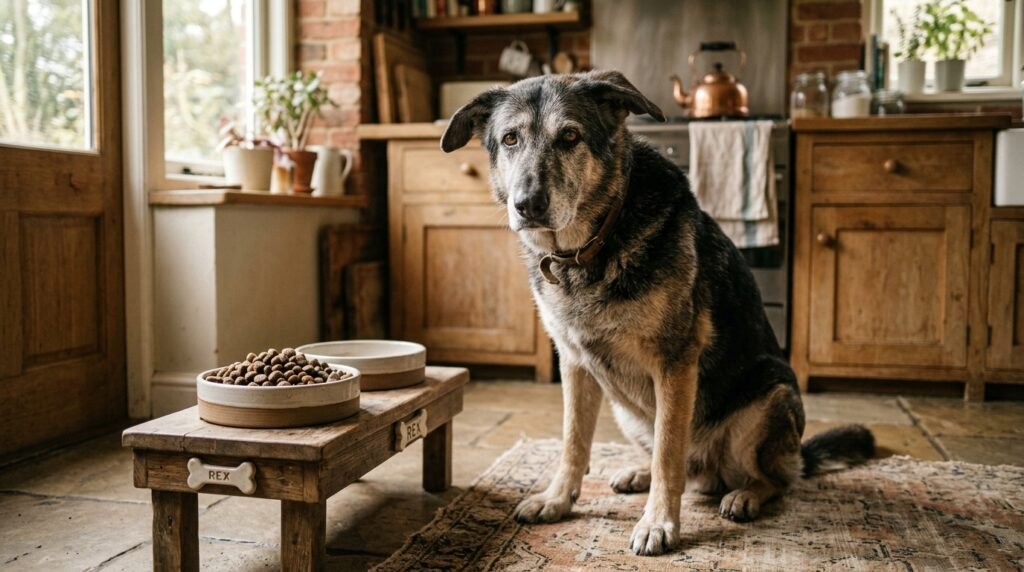
Watching your German Shepherd slow down as gray fur creeps across their dark muzzle tugs at your heart. That athletic companion who once chased tennis balls across fields now takes several slow moments to stand up from the rug. Their nutritional requirements shift dramatically during these golden years.
Selecting the right german shepherd dog food formula helps protect fragile hips, soothes delicate digestive systems, and maintains healthy muscle tone. Many owners assume any senior dog food off the shelf will do. Large working breeds possess distinct physiological challenges that standard kibble formulas frequently fail to address.
Quick Answer:
The best German Shepherd dog food for senior dogs provides high quality animal protein (24% to 28%) to protect aging muscle mass, therapeutic levels of EPA and DHA omega-3 fatty acids for hip dysplasia and arthritis, and highly digestible fibers for sensitive digestive tracts. Choose large breed senior formulas with moderate fat (10% to 14%) to prevent unhealthy weight gain that strains rear joints.
Key Takeaways:
- Joint Protection: German Shepherds face high genetic risks for osteoarthritis and hip dysplasia, requiring elevated glucosamine, chondroitin, and marine omega-3s.
- Sensitive Gut Anatomy: A shorter digestive tract relative to body size means senior Shepherds need easily digestible proteins and prebiotic beet pulp or chicory root.
- Muscle Wasting Defense: Healthy aging dogs require concentrated animal protein to offset sarcopenia; never restrict dietary protein unless your vet diagnoses advanced kidney disease.
- Bloat & GDV Safeguards: Split meals into two or three smaller daily portions and avoid vigorous running before or after feeding to protect deep chest cavities.
Why Senior German Shepherds Have Unique Dietary Needs
German Shepherds typically enter their senior life stage around age seven or eight. Their muscular, deep-chested build carries significant physical wear and tear by this age. Their hips, elbows, and spinal columns feel every pound of excess weight.
Genetics make this breed exceptionally prone to hip dysplasia, degenerative myelopathy, and osteoarthritis. When joint cartilage wears thin, routine movement becomes painful. Extra body weight multiplies this mechanical strain on already compromised rear legs.
A sudden drop in activity can create a dangerous cycle. Less exercise reduces calorie burn, causing weight gain that makes walking even harder. Providing calorie-conscious meals rich in anti-inflammatory nutrients breaks this downward spiral effectively.
Digestive anatomy presents another distinct challenge for this breed. Research shows German Shepherds have smaller gastrointestinal tracts compared to their total body mass than many other large breeds. Food moves through their intestines more rapidly, leading to looser stools when recipes contain low-grade fillers.
Deep chest architecture also places German Shepherds at high risk for gastric dilatation-volvulus (GDV), commonly called bloat. Dietary habits directly influence this condition. Eating patterns, bowl setup, and fast eating can all affect the risk of bloat, a life-threatening stomach twist. The Merck Veterinary Manual on bloat and stomach disorders explains bloat and related stomach problems.
Essential Nutrients to Look for on the Pet Food Label
Scanning the nutrition panel on dog food bags can feel confusing. Focus your attention on four core components: protein quality, targeted joint protectors, healthy fatty acids, and gut-friendly prebiotic fiber.
1. High-Quality Animal Protein for Muscle Preservation
Senior dogs lose lean muscle mass as they age, a biological process known as sarcopenia. Weakened hindquarters in an aging German Shepherd frequently stem from muscle wasting combined with joint pain. Keeping their back legs strong requires ample dietary amino acids.
Look for named animal proteins as the first ingredients, such as deboned chicken, turkey, lamb, or wild salmon. Avoid foods where meat by-products or corn gluten meal dominate the top spots. High-biological-value animal proteins provide all nine essential amino acids needed to rebuild declining muscle fibers.
An outdated myth suggests that older dogs must eat low-protein diets to spare their kidneys. Modern veterinary medicine has soundly disproven this assumption. Unless blood tests reveal active renal failure, senior dogs actually need 50% more protein than younger adults to maintain nitrogen balance.
2. Therapeutic Glucosamine, Chondroitin, and MSM
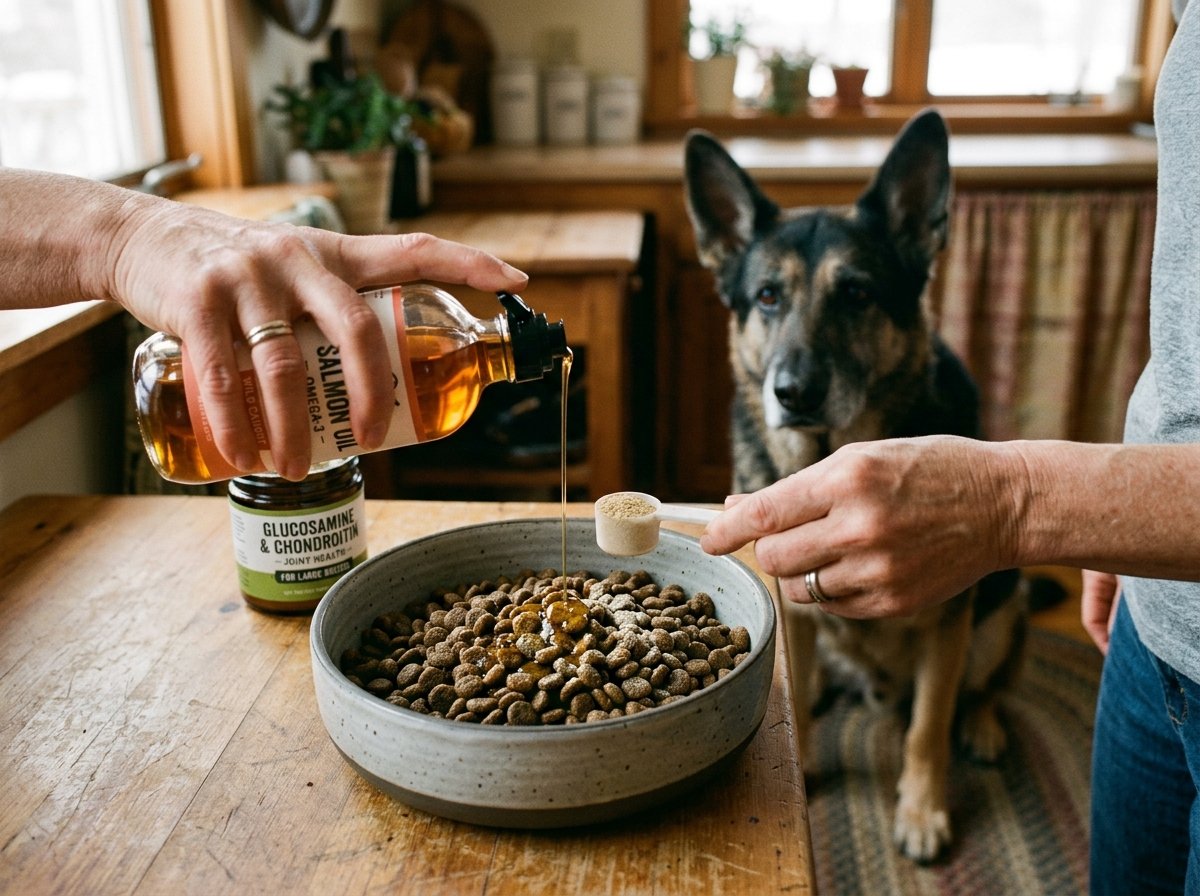
Joint support is mandatory for every aging German Shepherd. Glucosamine hydrochloride and chondroitin sulfate supply the building blocks required to lubricate joint capsules and repair cartilage surfaces. MSM (methylsulfonylmethane) offers natural anti-inflammatory benefits that quiet aching hips.
Check the guaranteed analysis on the bag. Many commercial foods print joint claims on the front label while including tiny, ineffective amounts. A standard German Shepherd weighing 65 to 80 pounds needs at least 800 to 1,200 milligrams of glucosamine daily.
Consulting our guide on senior kibble food guide reveals how to compare manufacturer guarantees against your dog’s daily requirements. If your chosen kibble falls short, adding targeted joint toppers fills that nutritional gap safely.
3. Omega-3 Fatty Acids (EPA and DHA)
Not all fats are created equal. Omega-6 fatty acids promote natural immune responses, but an overabundance sparks chronic inflammation in arthritic joints. Marine-sourced omega-3 fatty acids like eicosapentaenoic acid (EPA) and docosahexaenoic acid (DHA) provide potent anti-inflammatory relief.
Flaxseed oil provides plant-based ALA, but dogs convert ALA into active EPA very poorly. Look for menhaden fish oil, wild salmon oil, or green-lipped mussel on the ingredient panel. These marine oils target joint swelling directly and support cognitive alertness in senior dogs.
According to the Merck Veterinary Manual osteoarthritis guide, therapeutic doses of EPA alter inflammatory pathways in canine cartilage. Consistent intake reduces morning stiffness and helps dogs rise from resting positions with greater ease.
4. Prebiotic Fibers and Probiotics
Digestive upset is common in older Shepherds. Loose stools, frequent gas, and reduced nutrient uptake signal an imbalanced microbiome. Soluble fibers like beet pulp, inulin, and dried chicory root nourish beneficial gut bacteria.
Probiotic strains like Enterococcus faecium and Lactobacillus acidophilus support healthy gut barrier function. Look for foods that guarantee live, viable probiotic cultures per pound of kibble. Strong gut flora improves stool firmness and strengthens systemic immunity against seasonal illnesses.
Senior German Shepherd Nutrition Comparison Matrix
This reference matrix outlines optimal nutrient targets on a dry matter basis for aging German Shepherds without kidney disease.
| Nutrient Metric | Target Range (Dry Matter) | Breed-Specific Benefit for Seniors |
|---|---|---|
| Crude Protein | 24% to 28% | Maintains rear leg muscle mass and counters age-related sarcopenia. |
| Crude Fat | 10% to 14% | Restricts excess calorie density while providing sustained metabolic energy. |
| EPA & DHA (Omega-3) | 0.4% to 0.8% | Soothes inflamed hip and elbow joints while aiding brain cognition. |
| Glucosamine | >800 mg/kg | Supports cartilage repair and synovial fluid volume in heavy joints. |
| Crude Fiber | 3.5% to 5.5% | Regulates rapid intestinal transit and prevents loose stools. |
| L-Carnitine | >100 mg/kg | Encourages fat metabolism and protects senior heart muscle health. |
Managing Sensitive Stomachs and Digestive Vulnerabilities
Digestive sensitivity frequently worsens as German Shepherds reach advanced age. Pancreatic enzyme output can decline slightly, making fats harder to break down cleanly. Chronic pancreatitis, exocrine pancreatic insufficiency (EPI), and food intolerances require immediate dietary modifications.
If your senior Shepherd produces soft, yellow stools or experiences recurring gas, inspect fat levels immediately. High-fat diets exceeding 16% often overwhelm this breed’s sensitive pancreas. Shifting to a moderate-fat recipe with hydrolyzed proteins or single-source poultry often resolves chronic bowel looseness.
Owners exploring specialized nutrition often review human grade dog food options made with whole meats, pumpkin, and oats. Fresh ingredients offer exceptional nutrient bioavailability without synthetic binders that upset sensitive canine stomachs.
Adhering to global standards ensures your dog receives balanced nutrition without deficiencies. The WSAVA global nutrition guidelines provide rigorous criteria for evaluating pet food manufacturers. Verifying if a brand employs full-time veterinary nutritionists protects your dog’s long-term health.
Safeguards Against Bloat and Gastric Torsion in Older Dogs
Gastric dilatation-volvulus (GDV) remains a constant worry for every German Shepherd owner. As dogs age, the ligaments supporting the stomach loosen, increasing the risk of mechanical rotation. Taking proactive precautions during mealtimes is essential.
Never feed your senior Shepherd a single large meal once per day. Dividing their daily ration into two or three smaller meals keeps the stomach light. This practice stabilizes blood sugar levels and prevents heavy stomach distension after eating.
Discourage your dog from bolting their food like a vacuum cleaner. Slow-feeder bowls with maze-like ridges force dogs to take smaller bites, preventing them from gulping dangerous air pockets. Avoid elevated feeding stands unless your veterinarian explicitly prescribes one for severe megaesophagus or cervical spine pain.
Enforce strict rest periods around mealtime. Do not allow your German Shepherd to run, jump, or play vigorously for sixty minutes before and after eating. Keep fresh, cool water accessible at all times, but prevent rapid consumption of huge volumes right after dry kibble meals.
How to Stimulate Appetite in Picky or Ailing Shepherds
Loss of appetite in an aging German Shepherd should never be ignored. Dental pain, diminished sense of smell, arthritis stiffness, or chronic organ disease can cause dogs to turn away from their food bowls. When a large dog stops eating, muscle loss accelerates rapidly.
Begin by warming their meal slightly. Adding a splash of warm, low-sodium bone broth releases rich aromas that stimulate canine olfactory receptors. Warm moisture also softens hard kibble edges, making chewing gentle on worn teeth and sensitive gums.
Incorporating nutrient-dense senior dog food toppers like plain cooked pumpkin, freeze-dried raw beef liver, or a spoonful of canned salmon creates enticing flavor variety. These natural additions encourage hesitant eaters without disrupting the nutritional balance of their primary meal.
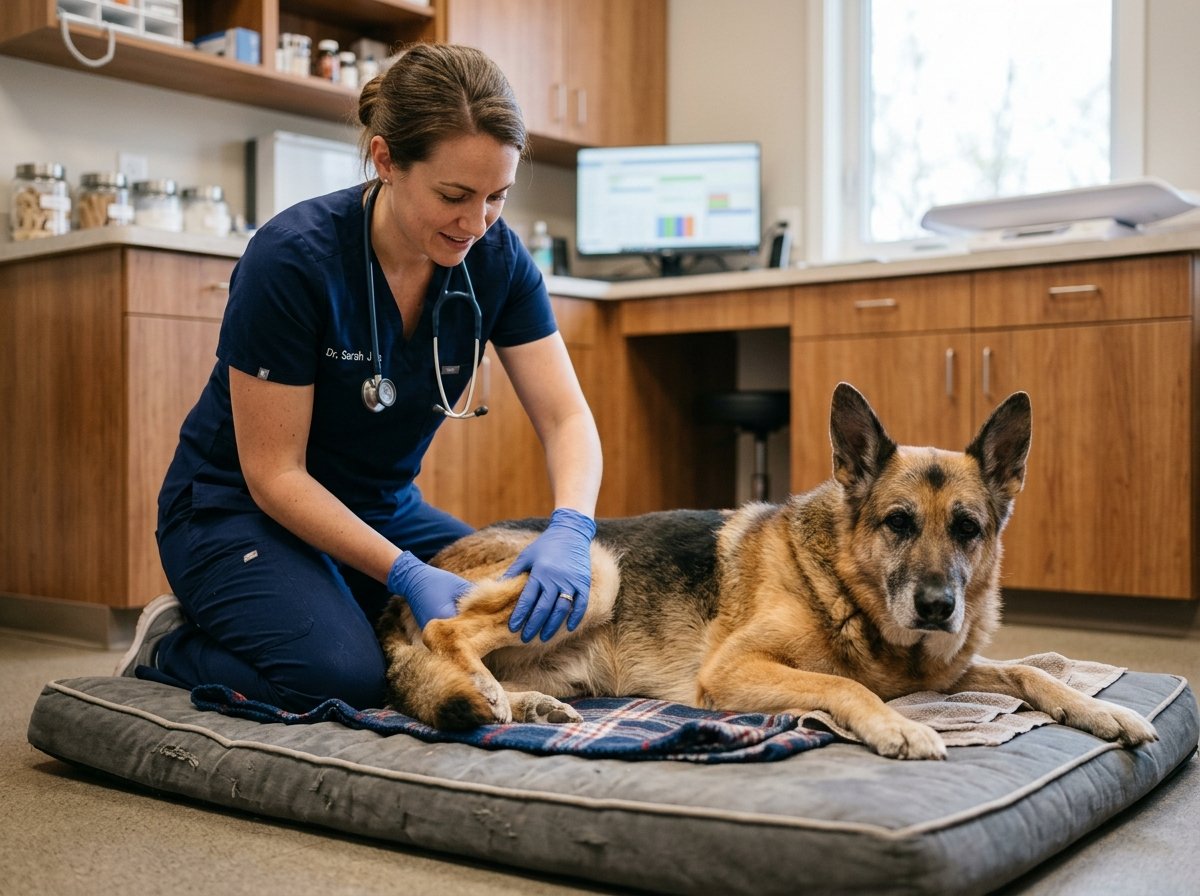
If hind leg weakness or hip pain makes standing at the bowl uncomfortable, physical instability will discourage eating. Place a non-slip rubber yoga mat under their feeding station to provide solid footing. For dogs dealing with severe joint deterioration or recovering from hip surgery and mobility care, resting comfortably on a padded orthopedic bed while eating relieves joint pressure.
Step-by-Step Transitioning to a New Senior Food
Never change your senior German Shepherd’s diet overnight. Sudden food shifts trigger severe diarrhea, stomach cramping, and vomiting in a breed already known for gut sensitivity. Follow this measured ten-day transition protocol to allow their digestive enzymes and gut bacteria time to adapt.
Days 1 through 3: The Gentle Introduction
Fill the bowl with 75% of your dog’s current food and only 25% of the new senior formula. Mix both portions thoroughly so your dog cannot pick out the old kibble. Monitor stool consistency and watch for any signs of excessive gas or bloating.
Days 4 through 6: The Balanced Split
Adjust the ratio to 50% current food and 50% new senior food. Stools should remain firm and well-formed. If you notice soft stools, pause at this ratio for two additional days until digestion normalizes.
Days 7 through 9: The Final Shift
Feed 25% old food combined with 75% new senior formula. Your dog’s gut microbiome will now be well accustomed to the new protein and fiber sources. Energy levels should remain bright and stable throughout the day.
Day 10 and Beyond: Full Senior Nutrition
Transition completely to 100% of the new senior diet. Continue weighing your dog every two weeks to verify that portion sizes keep their body condition score in an optimal range. Minor portion adjustments keep your shepherd trim and mobile.
Common Feeding Mistakes Senior Shepherd Owners Make
Well-meaning owners often make innocent feeding errors that inadvertently harm their aging dogs. Being aware of these pitfalls helps you safeguard your companion’s vitality.
- Overfeeding out of sympathy: Giving extra treats because an older dog looks sad adds unnecessary pounds that punish arthritic hips. Use crunchy baby carrots, green beans, or sliced apples as guilt-free low-calorie snacks.
- Relying entirely on adult maintenance kibble: Adult formulas lack adequate joint therapeutic levels and contain excess calories for an aging, less active metabolism.
- Free-choice feeding: Leaving a full bowl out all day makes tracking daily calorie intake impossible and dramatically increases bloat hazards.
- Ignoring dental pain: A sudden refusal of dry kibble often points to a fractured molar or painful periodontal disease rather than mere pickiness.
Frequently Asked Questions
How many calories does a senior German Shepherd need daily?
An average senior German Shepherd weighing 70 pounds requires approximately 1,200 to 1,450 calories daily, depending on their activity level and neuter status. Highly active seniors need slightly more fuel, while arthritic dogs resting most of the day require fewer calories to avoid harmful weight gain. Always calculate daily rations based on your dog’s target adult weight rather than their current heaviness.
Is a grain-free diet safe for senior German Shepherds?
Veterinary cardiologists advise caution regarding grain-free diets heavily reliant on peas, lentils, and legume seeds. Ongoing research investigates potential links between high pulse-legume diets and canine dilated cardiomyopathy (DCM), a serious heart muscle condition. Unless your veterinarian diagnoses a specific grain allergy through elimination trials, wholesome grains like brown rice, oatmeal, and barley provide safe, gentle energy.
Should I give my senior shepherd calcium supplements for bone strength?
Never add calcium supplements to a commercial senior dog food without explicit veterinary instructions. Quality senior foods already contain strictly balanced ratios of calcium and phosphorus. Excessive calcium intake in older dogs can cause kidney calcification, bladder stones, and worsen existing joint calcification disorders.
How can I tell if my senior German Shepherd is at a healthy weight?
Run your hands gently along your dog’s ribcage. You should feel individual ribs easily beneath a thin layer of muscle without pressing hard.
Looking from above, an observable waistline should tuck inward behind the ribcage. If you cannot feel ribs or if the spine disappears under a thick fat layer, reduce daily kibble portions by 10%.
Can diet help slow down degenerative myelopathy in German Shepherds?
Degenerative myelopathy (DM) is a progressive genetic neurological disorder affecting the spinal cord. While no diet cures DM, feeding anti-inflammatory omega-3 fatty acids, high-quality animal proteins, and B-complex vitamins supports remaining nerve pathways. Maintaining a lean body condition reduces physical effort, allowing dogs to remain mobile on their feet for longer periods.
Partnering with Your Veterinarian for Senior Wellness
Every German Shepherd ages at their own pace. What works wonders for a neighbor’s dog may not suit your companion’s specific health profile. Scheduling routine senior wellness visits every six months ensures that age-related changes are caught early.
Routine senior blood chemistry panels evaluate kidney values, liver enzymes, and protein levels before physical symptoms appear. Bring your dog food bag or snap a clear photo of the guaranteed analysis panel to your appointment. Your veterinarian can calculate exact daily caloric requirements aligned with your dog’s mobility, heart health, and joint comfort.
Caring for an aging German Shepherd requires patience, tenderness, and observant love. Supplying targeted, nutrient-dense nutrition gives your loyal protector the strength and comfort they deserve in their twilight years.