

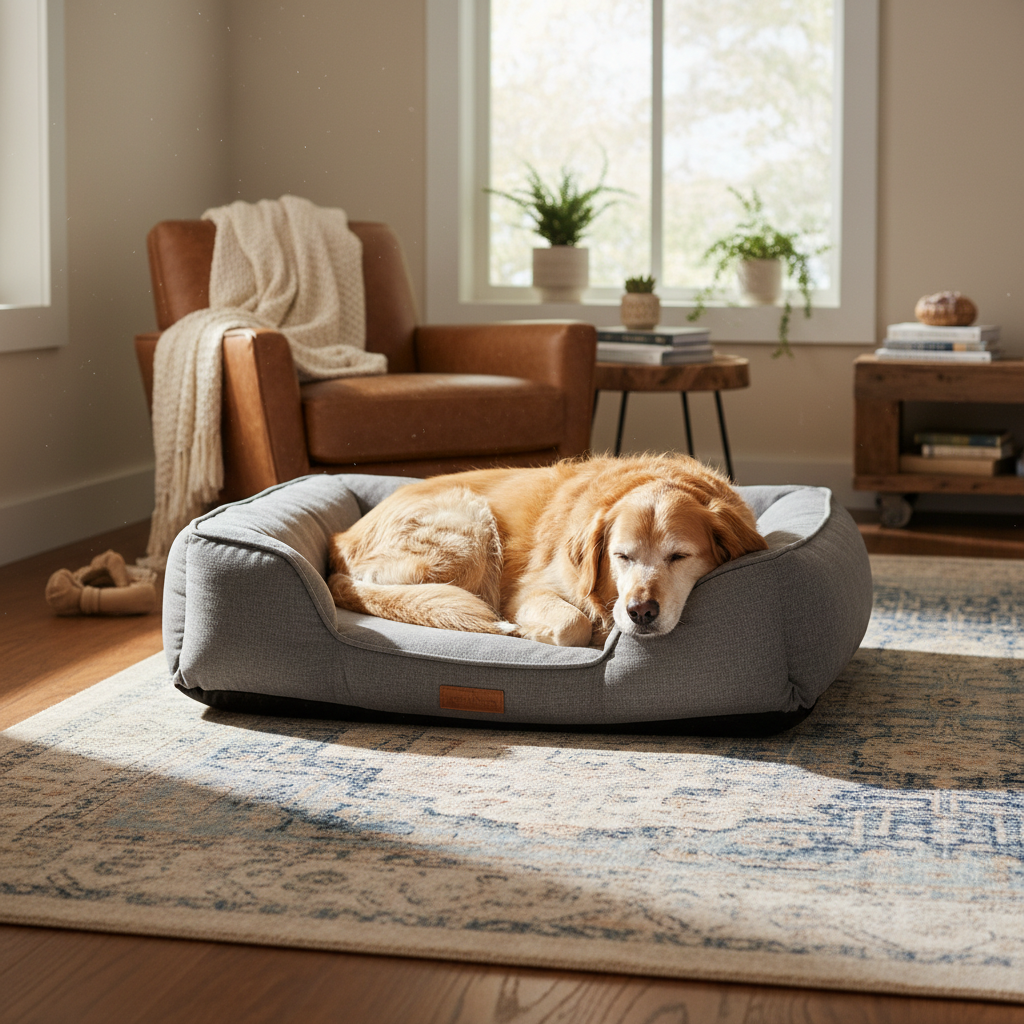
Few things hurt a dog owner quite like watching a beloved old companion struggle to stand up from their bed. When severe hip dysplasia, osteoarthritis, or a sudden joint injury strikes, pet parents often hear their veterinarian mention fho surgery dog options as a path to comfort.
Facing orthopedic surgery with a grey-faced dog feels terrifying. You worry about general anesthesia, surgical recovery times, and the financial investment during their senior years.
Femoral Head Ostectomy (FHO) remains one of the most reliable salvage procedures in veterinary medicine. By removing the painful ball of the hip joint, FHO eliminates bone-on-bone grinding and replaces joint agony with a functional, pain-free false joint.
Quick Answer:
FHO surgery in dogs is a procedure that removes the head and neck of the femur to eliminate severe hip friction. The body creates a fibrous scar tissue false joint that restores mobility without chronic joint pain. Costs range from $1,200 to $3,000, and recovery takes eight to twelve weeks with guided daily physical therapy.
Key Takeaways:
- Surgical Objective: FHO completely removes the femoral head, preventing bone-on-bone contact that causes severe arthritic pain.
- The False Joint: The body builds a fibrous pad of scar tissue (pseudarthrosis) supported by surrounding gluteal muscles.
- Active Recovery: Unlike implant surgeries, FHO requires early, controlled daily movement within the first ten to fourteen days to prevent stiff contracture.
- Senior Candidacy: Age is not a barrier if pre-operative bloodwork and cardiac screenings show stable organ function.
What Is FHO Surgery in Dogs?
The canine hip is a ball-and-socket joint. The round head of the femur fits neatly inside the acetabulum of the pelvis, cushioned by smooth cartilage and joint fluid.
When severe hip dysplasia or chronic arthritis deteriorates the joint, that smooth cartilage wears away completely. Every step forces raw, nerve-rich bone to grind against bone, creating excruciating discomfort.
FHO stands for Femoral Head Ostectomy, sometimes called Femoral Head and Neck Excision (FHNE). During this surgery, the veterinary surgeon makes an incision over the hip and surgically removes the ball and neck of the femur bone.
No artificial metal implants are placed inside your dog. Instead, the surrounding hip and thigh muscles hold the leg in place while the body creates a fibrous scar tissue cushion known as a false joint or pseudarthrosis.
According to the American College of Veterinary Surgeons FHO clinical guide, removing the femoral head permanently eliminates the source of friction. Dogs walk with far greater comfort once the raw bone surfaces can no longer touch.
When Is FHO Surgery Recommended for Senior Dogs?
Veterinarians typically reserve FHO for cases where medical management no longer controls chronic pain, or when acute orthopedic trauma occurs. Common conditions prompting FHO include:
- End-Stage Hip Osteoarthritis: Severe joint degeneration that fails to respond to daily anti-inflammatory medications, joint supplements, or physical therapy.
- Severe Hip Dysplasia: Malformed hip joints that produce chronic subluxation and severe lameness in aging companions.
- Femoral Neck Fractures: Fractures through the neck of the femur bone that cannot be stabilized with pins or screws.
- Recurrent Hip Luxation: Traumatic or chronic hip dislocations where the ball constantly pops out of the pelvic socket.
- Avascular Necrosis (Legg-Calve-Perthes): Loss of blood supply causing bone collapse, most commonly seen in smaller senior breeds.
When an aging dog experiences chronic pain, pet parents often notice their senior dog back legs giving out during regular walking. FHO provides a definitive mechanical resolution when medications reach their limits.
Is My Senior Dog Too Old for FHO Surgery?
Many pet owners worry that an older dog cannot safely survive orthopedic surgery. However, veterinary surgeons emphasize that age alone is not a disease.
A ten-year-old dog with healthy kidneys, a strong heart, and clean blood chemistry handles anesthesia as safely as a much younger animal. Before clearing any senior dog for surgery, your veterinary team runs a comprehensive pre-anesthetic screening.
This pre-op checkup includes complete blood counts, chemistry panels to assess renal and liver filtration, chest radiographs to check the heart and lungs, and blood pressure monitoring. If these tests show stable health, your senior dog is considered an excellent surgical candidate.
Quality of life remains the core consideration. Leaving an older dog in chronic, unrelenting joint pain compromises their immune health, mental well-being, and daily happiness.
FHO Surgery vs. Total Hip Replacement vs. Medical Care
Choosing the right path requires weighing surgical benefits, potential risks, and household budgets. Comparing common treatment options clarifies the best strategy for your older companion.
| Treatment Path | Average Cost | Surgical Method | Primary Weight Fit | Senior Suitability |
|---|---|---|---|---|
| FHO Surgery | $1,200 to $3,000 | Removes bone ball, forms false joint | Best under 50 lbs (possible for larger) | High (Low Complication Risk) |
| Total Hip Replacement (THR) | $7,000 to $10,000+ | Artificial metal and plastic joint | All weights and large athletic breeds | Moderate (Higher Infection/Dislocation Risk) |
| Conservative Medical Care | $100 to $250 / month | NSAIDs, supplements, weight loss | All weights | Good for Early Stages Only |
The Merck Veterinary Manual osteoarthritis treatment options note that conservative medical management works well initially. However, long-term non-steroidal anti-inflammatory drugs (NSAIDs) can strain aging kidneys and livers, making surgical relief a safer permanent alternative.
The Role of Dog Weight in FHO Success
Body weight plays an influential role in how quickly a dog recovers following FHO surgery. Small and medium dogs weighing under forty-five pounds generally experience rapid, uncomplicated recoveries.
Because their bodies carry less downward pressure, their hip musculature easily suspends the femur without needing a bony socket. Many smaller dogs bear weight within two weeks and regain ninety percent of normal function.
Larger dogs over fifty pounds can also achieve excellent results, but their rehabilitation requires extra patience. Heavy body weight places greater strain on the surrounding gluteal muscles while the fibrous false joint forms.
For large senior dogs, pet owners must commit to active physical therapy, strict weight management, and consistent assistance during the early healing period.
Step-by-Step Senior Dog FHO Recovery Timeline
Unlike knee reconstructions or spinal operations that demand rigid confinement, FHO recovery relies on early, controlled motion. Immobility allows stiff scar tissue to lock the leg in an abnormal position, limiting future flexibility.
Weeks 1 to 2: Initial Healing and Pain Control
The primary focus during the first two weeks is managing surgical swelling, preventing infection, and keeping your companion calm.
Your veterinarian will send you home with a multimodal pain protocol, typically combining an NSAID with gabapentin and an Elizabethan collar to protect the incision.
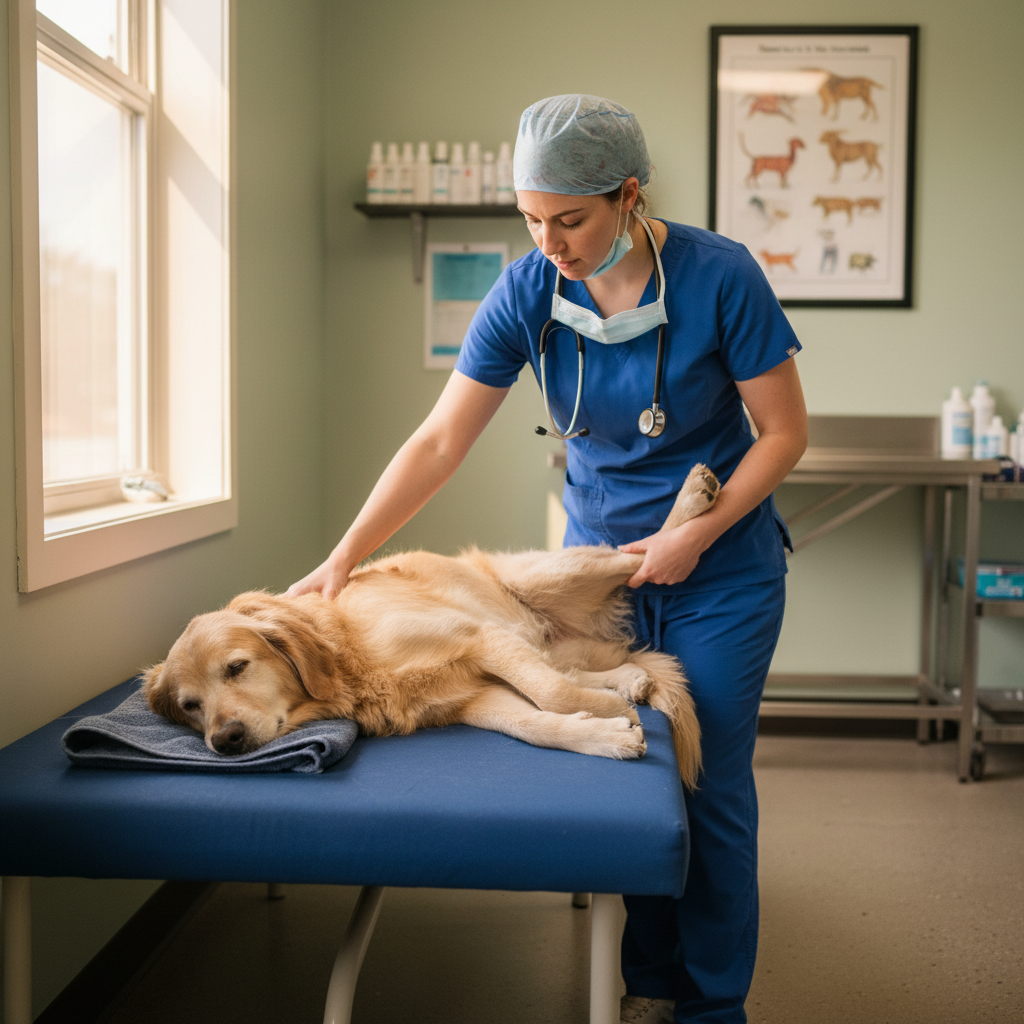
Apply cold gel packs wrapped in a thin towel over the hip incision for ten to fifteen minutes, three times daily. Beginning around day four, your vet will demonstrate gentle passive range of motion (PROM) exercises.
While your dog lies on their unaffected side, gently support the operated leg and flex and extend the hip through a comfortable range. Perform ten gentle cycles twice daily to prevent fibrous adhesions from forming stiffly.
Weeks 3 to 6: Encouraging Early Weight-Bearing
Once skin staples or sutures are removed at day fourteen, active rehabilitation begins in earnest. The goal during this phase is teaching your dog that putting their foot on the ground is safe and painless.
Switch from cold therapy to moist heat packs applied for ten minutes before each walking session. Take short, slow leash walks lasting five to ten minutes on flat, non-slip surfaces three times a day.
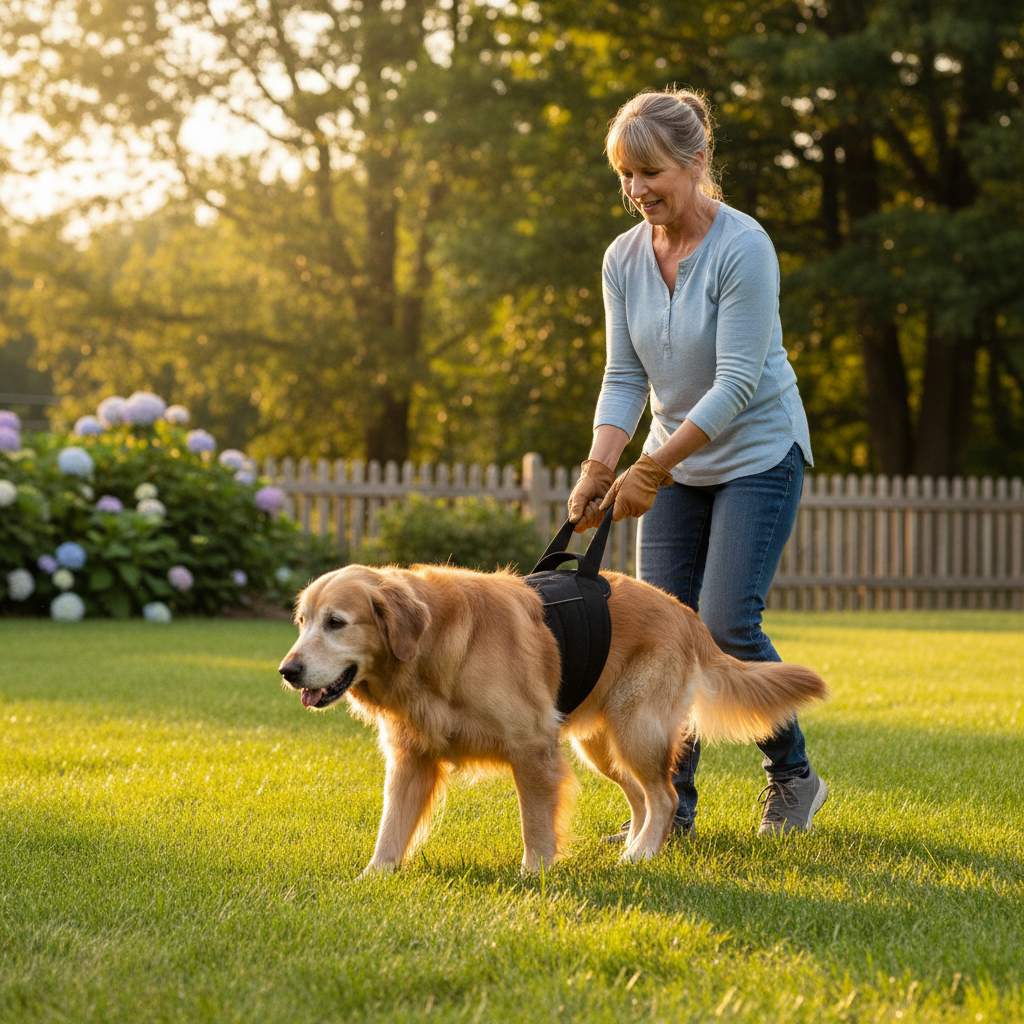
Walking slowly forces your dog to place all four paws down rather than hopping on three legs. Using support harnesses to help an older dog get up and walk takes excess pressure off the healing hip while building confidence.
Weeks 7 to 12: Building Muscle Strength and Stamina
By the second month, the fibrous pseudarthrosis is firmly established. Rehabilitation shifts toward rebuilding atrophied thigh and gluteal muscles that shrank during months of pre-surgical limping.
Increase leashed walks to fifteen or twenty minutes twice daily. Introduce gentle incline walking on gradual hills, which activates the hamstring and hip extension muscles.
Hydrotherapy on an underwater treadmill provides one of the most effective rehabilitation tools for older dogs. The buoyancy of warm water supports up to sixty percent of their body weight, allowing free range of motion without joint strain.
Clinical resources from the Cornell University Riney Canine Health Center mobility recommendations highlight how regular low-impact exercise preserves muscle mass and mobility in geriatric pets.
Home Preparation Checklist for Post-Op Care
Preparing your home before your dog returns from the surgical hospital ensures a smooth, stress-free recovery. Set up your living space with these senior-friendly adjustments:
- Traction Everywhere: Lay down non-skid rugs, yoga mats, or interlocking foam tiles across all hardwood, tile, and laminate floors. Slipping on slick flooring can tear healing muscle tissue.
- Low-Profile Orthopedic Bedding: Provide thick memory foam beds that support joints without requiring your dog to climb up or down. Avoid deep fluffy cushions that are difficult to step out of.
- Block All Stairs: Install sturdy baby gates at staircases. Climbing stairs places extreme shearing forces on the healing false joint during the first six weeks.
- Install Easy Incline Ramps: Set up non-slip ramps for senior dogs over low patio steps or doorway thresholds so your dog navigates outdoor bathroom breaks safely.
- Elevate Food and Water Bowls: Place dishes on a raised feeder so your companion does not have to lean awkwardly or shift heavy weight onto their hind legs while eating.
FHO Surgery Costs and Financial Planning
Orthopedic surgeries represent a significant financial commitment. The cost of FHO surgery in the United States typically ranges from $1,200 to $3,000 per hip.
Several variables influence your final surgical bill:
- Facility Type: Procedures performed at general veterinary practices usually cost between $1,200 and $2,000. Board-certified veterinary surgeons operating at large specialty referral hospitals typically charge $2,500 to $4,000 due to advanced monitoring equipment and overnight ICU care.
- Dog Size: Larger breeds require higher dosages of anesthesia, surgical consumables, and post-operative medications, which slightly increases overall costs.
- Diagnostic Inclusions: Comprehensive surgical estimates generally include pre-op bloodwork, anesthesia, surgical time, intraoperative fluids, pain medications, and post-op checkup radiographs.
Pet insurance policies covering accident and illness frequently reimburse between seventy and ninety percent of surgical costs, provided hip dysplasia was not recorded as a pre-existing condition. Third-party veterinary medical credit lines also offer low-interest financing options to help families manage care costs comfortably.
When to Call Your Veterinarian During Recovery
While complications following FHO surgery are rare, monitoring your dog’s recovery closely prevents minor setbacks from turning into serious problems. Contact your veterinary clinic immediately if you notice:
- Redness, swelling, heat, or cloudy drainage oozing from the surgical incision line.
- Inability to rise or stand with help seventy-two hours after returning home.
- Sudden vocalization, whining, or intense resistance when touching the operated leg.
- Persistent refusal to eat or drink lasting longer than twenty-four hours post-op.
- Dark tarry stools, repeated vomiting, or extreme lethargy, which can indicate adverse reactions to prescription pain medications.
Frequently Asked Questions
Can a dog walk normally after FHO surgery?
Yes, most dogs walk very comfortably after complete healing, though subtle biomechanical changes are common. The operated leg is slightly shorter than the original leg because the femoral head has been removed. You may notice a mild mechanical skip or altered gait during fast walking, but your dog will be completely free of bone-on-bone pain.
How long before a senior dog can bear weight after FHO?
Many senior dogs begin lightly toe-touching within ten to fourteen days after surgery. Full functional weight-bearing and confident walking generally develop between six and ten weeks post-op as gluteal muscles strengthen. Dedicated home rehabilitation and early movement exercises directly accelerate this timeline.
Can FHO surgery be done on both hips?
Yes, bilateral FHO surgery can be performed when both hips suffer from end-stage degeneration. Most veterinary surgeons prefer staging the procedures eight to ten weeks apart so the first hip develops sufficient muscle strength to support the dog while the second hip heals. Performing both hips simultaneously is occasionally done in lightweight dogs under thirty pounds with intensive nursing care.
Is FHO better than a total hip replacement for an older dog?
FHO is often the preferred choice for older companions because it carries far fewer catastrophic risks than Total Hip Replacement (THR). THR requires inserting permanent metal stems and cups that can dislodge, fracture thin senior bone, or become infected. FHO is less invasive, costs roughly one-third the price of THR, and eliminates painful bone contact permanently without foreign implants.
What happens if my senior dog does not do physical therapy after FHO?
Skipping post-operative physical therapy is the primary reason for poor surgical outcomes. Without regular passive stretching and controlled leashed walks, tight scar tissue contracts around the joint space, permanently limiting leg extension. Daily rehabilitation ensures the fibrous false joint heals flexible, supple, and fully functional.
Giving Your Senior Dog a Pain-Free Second Chapter
Making surgical decisions for an older companion is an emotional journey filled with worry. Yet seeing an aging dog who once struggled in silence stand up eagerly, wag their tail, and enjoy gentle morning walks again is an unforgettable reward.
FHO surgery does not roll back the clock on aging, but it removes the grinding torment that robs senior dogs of their dignity. With attentive home nursing, gentle physical therapy, and your loving support, your faithful friend can enjoy their golden years in comfort and peace.
Take a moment to bookmark this recovery guide, and share it with fellow pet parents facing difficult orthopedic decisions for their aging companions.