


My senior golden retriever, Rusty, has a routine every morning. He ambles into the kitchen, rests his grey chin on my knee, and watches me prepare breakfast.
A few years ago, when his morning appetite began to slow down, I found myself holding a tub of dairy and wondering: Is Greek yogurt good for dogs? Many pet parents ask this exact question when looking for a gentle, gut-friendly food topper to tempt an aging dog.
The short answer is yes, plain Greek yogurt can be a wonderful, nutrient-dense addition to a senior dog’s diet. Strained Greek yogurt offers concentrated protein, bioavailable calcium, and live probiotic cultures that support an aging gut. However, older dogs have specific metabolic limits, so proper selection and strict portion control are essential.
Quick Answer:
Plain, unsweetened nonfat Greek yogurt is safe and beneficial for most senior dogs in small portions (one teaspoon to two tablespoons daily). It delivers live probiotics for digestive balance and easy-to-digest protein. Avoid flavored yogurts, full-fat tubs that risk pancreatitis, and any products containing toxic xylitol.
Key Takeaways:
- Lactose Advantage: Traditional straining removes most liquid whey, reducing lactose to trace amounts that senior dog stomachs can process comfortably.
- Microbiome Support: Active live cultures help soothe sluggish digestion, firm up soft stools, and replenish helpful gut bacteria.
- Fat Caution: Senior dogs are prone to pancreatitis, so always select 0% nonfat plain tubs rather than whole milk varieties.
- Portion Control: Limit dairy treats to less than ten percent of total daily calories, using it as an occasional meal topper or pill-masking treat.
Why Greek Yogurt Differs From Regular Dairy for Senior Dogs
Most adult mammals gradually lose the ability to digest lactose as they grow older. Canines produce less lactase enzyme once they are weaned from mother milk.
Pouring a splash of regular cow milk into an older dog’s bowl frequently triggers loose stools, loud stomach gurgling, and smelly gas.
Greek yogurt undergoes an intensive physical straining process that changes the nutritional profile. Traditional processors strain out the liquid whey three separate times.
Because lactose resides primarily in the liquid whey, straining removes up to eighty percent of the natural milk sugars. What remains is a dense, creamy cultured curd with minimal sugar and maximum nutrition.
Straining also doubles the protein concentration compared to unstrained yogurts. Senior dogs frequently suffer from sarcopenia, which is the progressive loss of lean muscle mass that accompanies old age.
High-quality animal proteins provide essential amino acids that help sustain hind-leg strength and spinal stability without adding excessive carbohydrates.
4 Key Health Benefits for Aging Dogs
Adding a small spoonful of plain Greek yogurt can provide specific therapeutic advantages for an aging companion. When used deliberately, it targets several common challenges faced by senior pets.
1. Restoring a Fragile Senior Gut Microbiome
An aging immune system often begins in the gut. Senior dogs experience shifts in their natural digestive flora due to past antibiotic treatments, dietary changes, and slower metabolic transit times. These shifts can leave older dogs vulnerable to chronic low-grade gut inflammation.
Plain Greek yogurt contains live active bacterial cultures, such as Lactobacillus acidophilus, Lactobacillus bulgaricus, and Streptococcus thermophilus. The Merck Veterinary Manual microbiome clinical findings highlight how beneficial bacterial strains compete against harmful pathogens in the small intestine.
Feeding active cultures assists food breakdown, improves nutrient absorption, and helps firm up periodic soft stools.
2. Bone and Joint Support With Bioavailable Calcium
Senior dogs demand steady mineral support to maintain skeletal integrity and joint comfort. Greek yogurt provides a rich source of dietary calcium, phosphorus, and potassium in a highly bioavailable food matrix.
Calcium plays an active role in cellular signaling, muscle contraction, and cardiac health.
Unlike synthetic calcium powders that can cause constipation, food-based dairy calcium digests gently alongside natural proteins. This gentle mineral boost supports older dogs dealing with mild stiffness, especially when paired with veterinary joint care supplements.
3. Natural Flavor Boost for Picky Senior Eaters
Aging canines often lose sensory acuity. Their sense of smell and taste blunts over time, leading to sudden disinterest in dry kibble.
When an older dog skips meals, muscle wasting accelerates quickly.
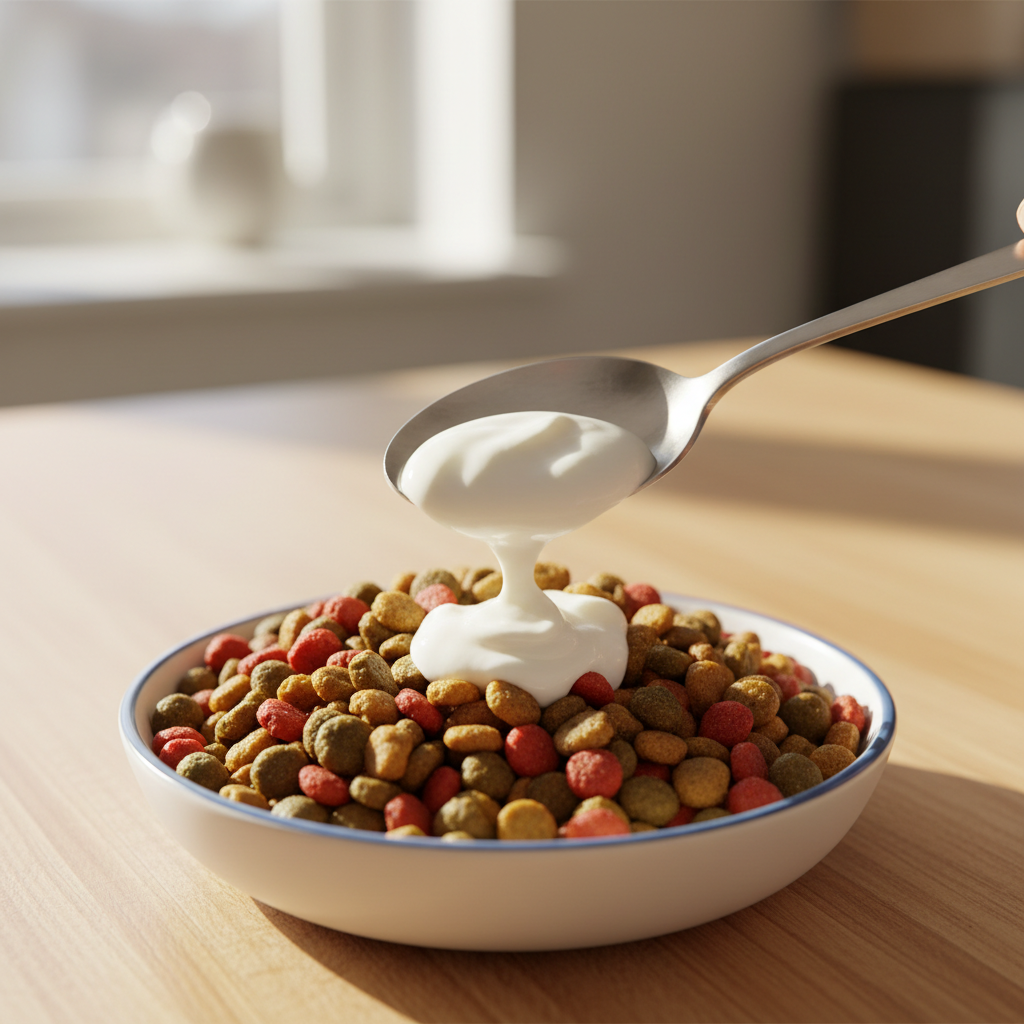
A cool, velvety dollop of Greek yogurt mixed into dry kibble creates an irresistible aroma and rich mouthfeel. It coats dry biscuits, softening the texture for dogs with sensitive gums or dental wear.
This simple trick serves as one of the most effective dog food toppers for aging pets, reviving mealtime excitement without artificial flavorings.
4. The Ultimate Low-Stress Pill Pocket
Many senior dogs take multiple daily prescriptions for arthritis, heart support, or thyroid health. Commercial pill treats are often loaded with sodium, vegetable oils, and starch fillers that irritate sensitive stomachs.
Forcing tablets down a reluctant dog’s throat damages trust and creates daily stress.
A single cold teaspoon of thick Greek yogurt hides capsules and bitter tablets seamlessly. The thick texture traps the pill so your dog swallows it whole in one eager gulp. Your older friend receives their necessary medication while feeling thoroughly spoiled.
Senior Canine Dairy Comparison
Not every dairy item in your refrigerator belongs in your dog’s dish. Comparing the moisture, fat, protein, and lactose levels across common dairy staples helps you make safe nutritional choices.
| Dairy Option | Lactose Level | Protein Content | Fat Profile | Senior Suitability |
|---|---|---|---|---|
| Plain Nonfat Greek Yogurt | Very Low (Strained) | High (10g / 100g) | 0% Fat | Top Choice |
| Plain Regular Yogurt | Moderate (Unstrained) | Medium (5g / 100g) | Low to Whole | Moderate (Watch Stool) |
| Low-Fat Cottage Cheese | Low to Moderate | High (11g / 100g) | Low (1-2%) | Good (Watch Sodium) |
| Plain Goat Milk Kefir | Extremely Low | Medium (4g / 100g) | Low to Moderate | Excellent Alternative |
| Whole Cow’s Milk | High (Liquid Whey) | Low (3g / 100g) | High (3.5%+) | Avoid (Triggers Diarrhea) |
Critical Risks and When Greek Yogurt Is Dangerous
While plain Greek yogurt is safe for most healthy dogs, certain ingredients and medical conditions make dairy dangerous. Knowing these risks protects your senior pet from sudden health emergencies.
The Deadly Danger of Xylitol (Birch Sugar)
The single greatest hazard in modern yogurt aisles is artificial sweeteners. Food manufacturers frequently sweeten “sugar-free”, “keto”, or “low-carb” yogurts with xylitol, which is also labeled as birch sugar or wood sugar.
Xylitol is exceptionally poisonous to dogs, causing a massive surge of insulin that drops blood sugar to fatal levels within thirty minutes. It can also cause acute, irreversible liver damage.
The American Veterinary Medical Association guidelines urge all pet owners to inspect ingredient lists meticulously.
Never feed your dog yogurt containing artificial sweeteners, stevia, monk fruit extracts, or flavor syrups. If the label lists anything beyond cultured milk and active live cultures, leave it on the grocery shelf.
High Fat and the Threat of Pancreatitis
Whole-milk Greek yogurt contains high levels of concentrated butterfat. Senior dogs are particularly prone to acute pancreatitis, a painful and potentially life-threatening inflammation of the pancreas.
Schnauzers, Yorkshire Terriers, and overweight older dogs face heightened risk from dietary fat spikes.
The Tufts Clinical Nutrition Service recommendations emphasize strictly controlling dietary fat for older dogs with sensitive digestions.
Always buy nonfat (0% milkfat) Greek yogurt. Skipping the extra fat prevents pancreatic irritation while still delivering beneficial proteins and probiotics.
Kidney Disease and Phosphorus Restrictions
Chronic kidney disease affects many dogs over ten years of age. Damaged kidneys struggle to filter phosphorus from the bloodstream, leading to elevated blood phosphorus that accelerates renal decline.
Dairy products naturally concentrate phosphorus along with calcium.
If your senior dog has been diagnosed with Stage 2, 3, or 4 kidney disease, dairy treats must be restricted or avoided entirely. Always ask your veterinarian before introducing Greek yogurt if your companion eats a therapeutic renal diet.

Exact Senior Dog Portion Sizes and Serving Rules
Moderation keeps dairy beneficial rather than disruptive. Even the healthiest treat can upset an older dog’s stomach if fed in excessive quantities. Dairy should never exceed ten percent of your dog’s daily caloric intake.
Use these weight-based daily limits when offering plain nonfat Greek yogurt:
- Toy and Small Seniors (under 20 lbs): One teaspoon daily (roughly 5 to 7 calories).
- Medium Seniors (20 to 50 lbs): One tablespoon daily (roughly 15 to 20 calories).
- Large Seniors (51 to 90 lbs): One and a half to two tablespoons daily (roughly 25 to 30 calories).
- Giant Seniors (over 90 lbs): Two to three tablespoons daily (roughly 30 to 45 calories).
The 3-Day Test Spoon Protocol
Every dog possesses unique digestive tolerances. When offering Greek yogurt for the first time, start with the three-day test method to ensure your companion tolerates dairy comfortably:
- Day 1: Offer one-quarter of the recommended portion mixed into breakfast. Observe your dog closely for the next twelve hours for excessive flatulence, soft stool, or stomach rumbling.
- Day 2: If their stool remains firm and their energy is normal, offer half of the recommended portion. Watch for signs of skin scratching or paw licking, which could signal a dairy protein allergy.
- Day 3: Provide the full recommended portion. If your dog remains energetic and stool consistency is firm, you have confirmed that their system handles cultured dairy well.
If at any point your dog develops loose stools, discontinue the yogurt immediately. Return to a gentle bland digestive recovery diet for dogs until their stomach settles.
Creative Serving Ideas for Older Dogs
Plain Greek yogurt provides flexible enrichment options for senior dogs who spend more time resting indoors. Here are three simple, vet-approved serving methods:
- Warm Meal Glaze: Stir a tablespoon of room-temperature Greek yogurt with two tablespoons of warm water or low-sodium bone broth. Drizzle this savory mixture over kibble to release tempting aromas. This works wonders for stimulating an older dog’s appetite.
- Frozen Lick Mat: Spread two tablespoons of nonfat Greek yogurt across a textured silicone lick mat. Top with three fresh mashed blueberries and freeze for two hours. Licking releases calming endorphins, soothing older dogs suffering from cognitive anxiety or restlessness.
- Pill Wrap: Scoop a marble-sized dollop onto a spoon. Press your dog’s joint capsule into the center, coating it completely. Offer it straight from the spoon for clean, zero-fuss medication delivery.
When to Call Your Veterinarian
Most senior dogs tolerate a spoonful of plain Greek yogurt without difficulty. However, you should consult your veterinarian if you observe any of the following clinical warning signs after feeding dairy:
- Repeated vomiting or retching within twenty-four hours of eating.
- Watery diarrhea lasting more than two consecutive bathroom breaks.
- Signs of abdominal pain, such as a hunched posture, whining when touched, or refusal to lie down comfortably.
- Sudden facial swelling, hives, or intense itching, which indicates an acute allergic reaction.
- Lethargy, weakness, or complete refusal of water.
Frequently Asked Questions
Can older dogs eat vanilla Greek yogurt?
No, you should never feed vanilla Greek yogurt to an older dog. Vanilla yogurt contains substantial amounts of added refined sugar or synthetic syrups that can spike blood glucose and cause severe intestinal distress.
Some vanilla flavorings also contain trace amounts of alcohol or artificial sweeteners that are unsafe for canine digestion. Always stick to one hundred percent plain, unsweetened yogurt.
How much Greek yogurt can I give my senior dog daily?
Small dogs should receive no more than one teaspoon per day. Medium dogs can safely enjoy one tablespoon, while large senior breeds can have up to two tablespoons daily. Keep total dairy treats under ten percent of their daily calorie allotment to prevent nutritional imbalances or excessive weight gain.
Does Greek yogurt help an older dog with diarrhea or upset stomach?
Greek yogurt can support mild, chronic digestive irregularities by supplying live probiotics, but it is not a cure for acute gastroenteritis. Introducing dairy during an active bout of severe diarrhea can actually aggravate an inflamed intestinal lining due to residual lactose. For sudden watery diarrhea, consult your veterinarian and utilize a traditional boiled white chicken and rice bland diet instead.
Can I mix fruit into my senior dog’s Greek yogurt?
Yes, safe fresh fruits make wonderful additions when offered in moderation. Fresh blueberries, sliced strawberries, and small pieces of seedless watermelon pair safely with plain Greek yogurt. Never mix in grapes, raisins, cherries, or citrus fruits, as these are toxic to dogs.
Is Greek yogurt better than regular yogurt for senior dogs?
Yes, Greek yogurt is generally superior for older dogs because the traditional triple-straining process eliminates the majority of lactose-rich whey. This makes it far gentler on sensitive senior digestive systems. Greek yogurt also supplies twice the protein content per ounce compared to regular unstrained yogurt, supporting muscle retention in aging bodies.
Keeping Your Senior Dog’s Gut Happy
Watching our companions grow grey around the muzzle reminds us how precious their daily comfort is. Small dietary enhancements, such as a cool dollop of plain nonfat Greek yogurt, provide an easy way to deliver beneficial probiotics and joyful mealtime enrichment.
By choosing plain tubs, skipping dangerous additives, and honoring your dog’s individual tolerance, you can safely nourish their golden years from the inside out.
Take a moment to bookmark this guide for future mealtime reference. Share it with fellow senior dog parents looking for gentle, vet-backed ways to support their aging companions.