
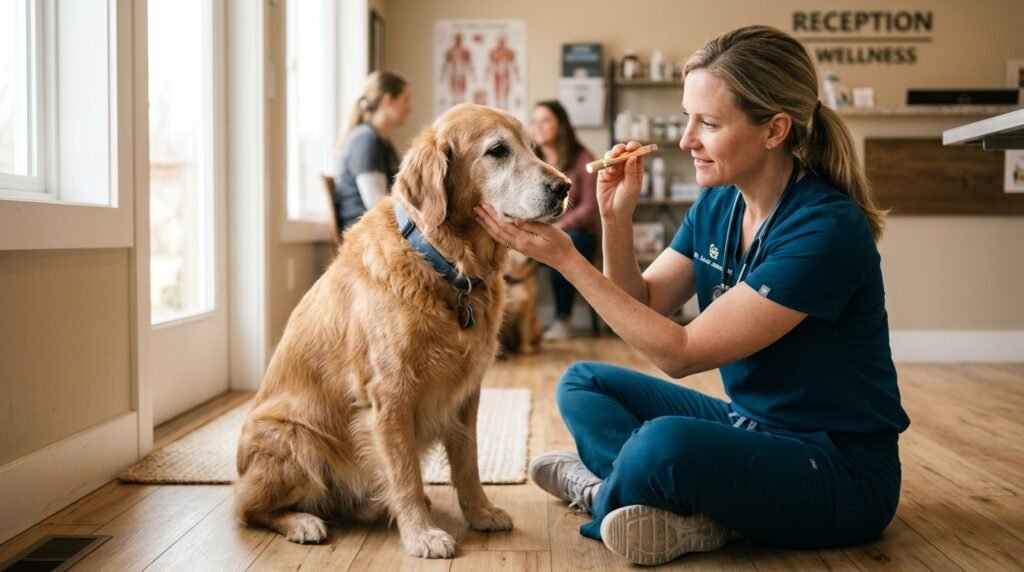
Hearing your faithful old companion sneeze occasionally while rolling on the rug or greeting you at the front door is completely normal. Dogs often sneeze during play to signal excitement and harmless intentions. However, when dog sneezing turns into violent, repetitive fits or drags on for days with nasal discharge, loving pet parents naturally grow anxious.
In senior canines, sudden or persistent sneezing is rarely just a minor seasonal cold. An older dog’s respiratory passages, dental roots, and immune defenses undergo gradual degenerative changes over time. Recognizing what triggers chronic sneezing in older dogs helps you distinguish harmless quirks from serious medical issues that require veterinary intervention.
Quick Answer:
Dog sneezing in senior pets is frequently caused by advanced dental disease, such as an upper tooth root abscess eroding into the nasal cavity, inhaled foreign bodies like foxtails, or benign reverse sneezing episodes. In older dogs, chronic sneezing accompanied by bloody discharge or one-sided facial swelling can also indicate fungal rhinitis or a nasal tumor, requiring prompt veterinary imaging.
Key Takeaways:
- Play Sneezes vs. Spasms: Occasional light snorts during excitement are harmless, but violent, paroxysmal sneezing fits point toward acute nasal irritation or obstruction.
- The Hidden Dental Link: The roots of your dog’s upper fourth premolars sit directly beneath the nasal passages, allowing deep tooth decay to breakthrough into the nose.
- Reverse Sneezing Reassurance: Loud, rhythmic snorting spasms through the nose sound alarming like choking, but they are physically harmless and usually pass within two minutes.
- Red-Flag Warning Signs: Blood-tinged mucus, one-sided nasal discharge, facial asymmetry, or pawing at the muzzle warrant an immediate veterinary evaluation.
Normal Sneezing vs. When to Worry in Senior Dogs
Every dog sneezes from time to time. When your senior companion sniffs dusty corners under the bed or investigates a flowerbed in the yard, foreign particles tickle the sensitive cilia lining their nasal cavity. Sneezing is the body’s natural, involuntary reflex designed to expel dust, hair, and pollen forcefully.
Dogs also communicate through body language using play sneezes. When an older dog plays with a favorite toy or wags their tail excitedly during meal preparation, they often wrinkle their nose and let out light, airy snorts. This is purely behavioral and signals that they are happy, relaxed, and having fun.
Sneezing crosses into clinical concern when it changes in frequency, intensity, or sound. If your senior dog sneezes ten or fifteen times in rapid succession without catching their breath, shakes their head violently between sneezes, or develops fluid leaking from their nostrils, underlying pathology is present. If you also notice persistent nasal fluid, compare symptoms with our practical guide on causes of a dog runny nose.
The Top 6 Causes of Dog Sneezing in Senior Pets
When an aging dog develops chronic or violent sneezing, veterinarians investigate several distinct anatomical and pathological culprits.
1. Advanced Tooth Root Abscesses and Oronasal Fistulas
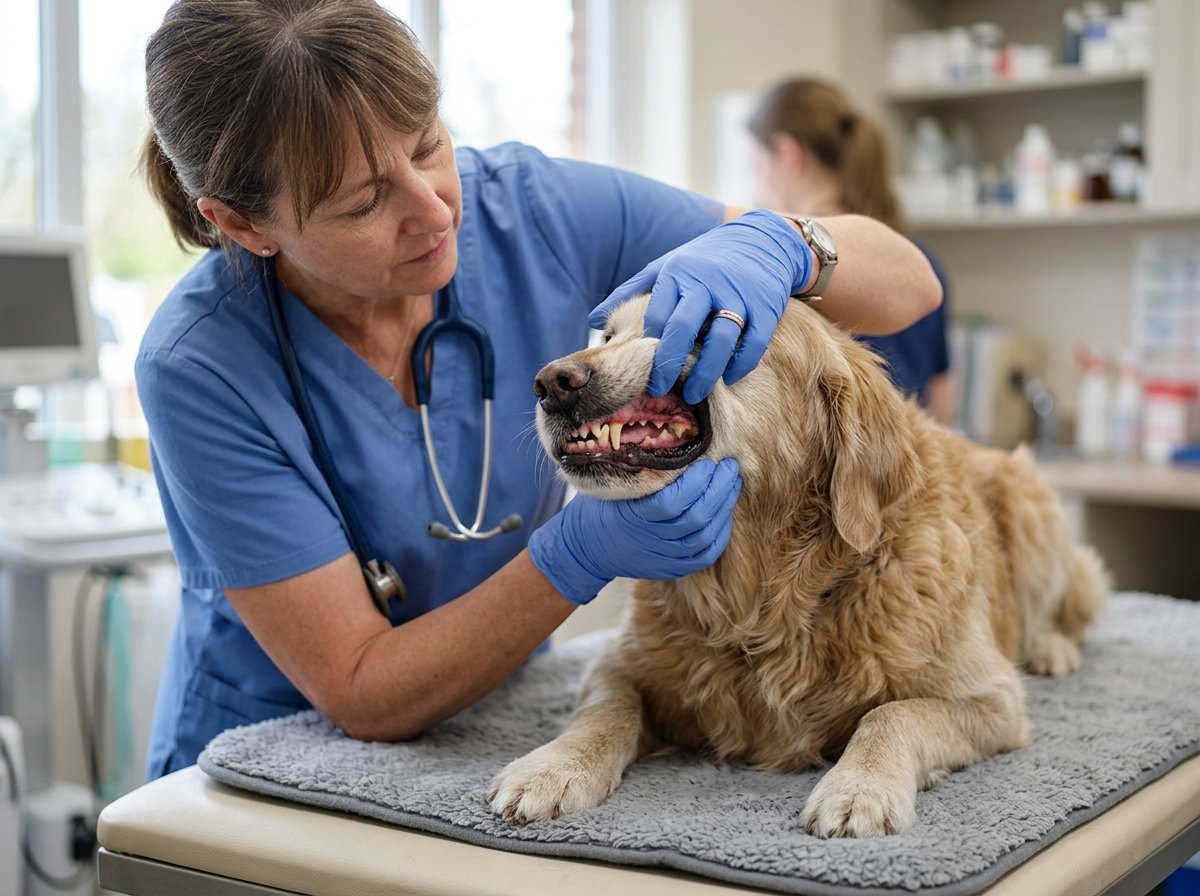
Dental disease is by far the most frequent underlying cause of chronic sneezing in geriatric canines. The long roots of the upper canine teeth and upper fourth premolars (carnassial teeth) extend deep into the maxilla, separated from the nasal cavity by paper-thin bone.
When severe periodontal disease destroys the gumline, bacteria migrate down the tooth root, forming a painful abscess. As pressure builds, the infection dissolves the thin bone separating the mouth from the nose, creating an abnormal communication channel called an oronasal fistula. Food particles, saliva, and bacteria pass directly into the nasal passage, provoking continuous sneezing, foul odor, and persistent nasal discharge.
2. Inhaled Foreign Bodies (Foxtails and Grass Awns)
Curious older dogs with declining eyesight rely heavily on their sense of smell, inhaling deeply during outdoor walks. In many regions, barbed grass seeds known as foxtails or cheatgrass are widespread hazards during summer and autumn.
When an arrow-shaped foxtail is snorted into a nostril, its backward-facing barbs prevent it from being sneezed out. The foreign body triggers immediate, violent, frantic sneezing fits, accompanied by pawing at the nose and occasional nosebleeds. Because foxtails migrate deeper into tissues over time, veterinary removal under sedation is required quickly.
3. Reverse Sneezing (Pharyngeal Gag Reflex)
Reverse sneezing sounds terrifying to owners who have never witnessed it. Instead of expelling air outward, your dog stands still with their elbows splayed, neck extended, and eyes wide, inhaling air forcefully through their nose in rapid, loud, rhythmic snorts that sound like a honking goose.
This harmless spasm occurs when the soft palate or throat becomes irritated by dust, post-nasal drip, or rapid swallowing. While it looks like your dog is suffocating, their airway remains open. Episodes almost always resolve on their own within sixty to ninety seconds without causing physical harm.
4. Nasal Tumors and Benign Polyps
Unfortunately, older canines are at increased risk for neoplasia. Nasal tumors, most commonly adenocarcinomas and transitional cell carcinomas, develop slowly within the intricate turbinate bones of the nasal cavity.
In the early stages, a growing nasal tumor manifests as chronic, one-sided sneezing and clear drainage. As the mass expands, it erodes blood vessels, causing unilateral nosebleeds (epistaxis), facial asymmetry, and noisy breathing. If your older companion also displays respiratory struggles, review our detailed resource on dog breathing heavy symptoms to assess their airway comfort.
5. Fungal Infections (Nasal Aspergillosis)
Aspergillus is a common environmental mold found in soil, decomposing leaves, and compost. While healthy adult dogs routinely filter these spores, senior dogs with weakened local mucosal defenses can develop fungal rhinitis.
The fungal colonies form invasive plaques inside the nasal cavity, destroying delicate turbinate bones. Common symptoms include persistent sneezing, facial pain, loss of black pigment on the nose leather (depigmentation), and thick, gray-green discharge. For practical tips on protecting damaged nasal tissue, explore our walkthrough on dog dry crusty nose care.
6. Household Airborne Irritants and Seasonal Allergens
Older dogs spend the majority of their day indoors, resting close to floor level where dust, cleaning chemicals, and aerosol particles settle. Scented candles, plug-in air fresheners, essential oil diffusers, cigarette smoke, and powdery carpet deodorizers can irritate delicate nasal membranes, triggering allergic rhinitis and sneezing fits.
Comparing Causes of Senior Dog Sneezing
Distinguishing between benign causes and progressive medical conditions is essential for planning timely veterinary care. The comparison table below outlines the distinctive patterns of common conditions.
| Condition | Sneezing Pattern | Discharge Type | Facial Pain / Swelling | Urgency Level |
|---|---|---|---|---|
| Tooth Root Abscess | Chronic, intermittent | Yellow-green, foul-smelling | Swelling below eye | Within 24 to 48 hours |
| Inhaled Foreign Body | Violent, sudden, nonstop | Clear initially, then bloody | Paws violently at face | Same-day urgent care |
| Reverse Sneezing | Inward snorting spasms | None | None | Non-urgent (monitor) |
| Nasal Tumor | Progressive, long-term | Unilateral blood or mucus | Bulging bridge of nose | Prompt veterinary workup |
| Nasal Aspergillosis | Chronic, worsening | Thick mucus, bleeding | Tender muzzle, ulcerated nose | Within 48 hours |
How Veterinarians Diagnose Sneezing in Older Dogs
Because the interior of the canine nasal cavity is packed with microscopic, scroll-like bones called turbinates, simple visual inspection with a penlight cannot reveal deep pathology. Your veterinarian will employ structured diagnostic tools to pinpoint the exact issue.
- Conscious Oral and Facial Exam: The vet checks for facial symmetry, gently palpates the bridge of the nose for pain, and lifts the upper lip to inspect the premolars for loose teeth or gum swelling.
- Dental Radiographs under Sedation: Full-mouth dental X-rays reveal tooth root resorption, bone loss, and hidden abscesses that are invisible from the surface of the mouth.
- Rhinoscopy: A flexible or rigid optical camera is passed into the nasal cavities and behind the soft palate to directly visualize foxtails, polyps, fungal plaques, or bleeding tumors.
- Cross-Sectional Imaging (CT Scan): Computed tomography provides detailed cross-sectional slices of the skull, showing if bone erosion is present and guiding precise biopsies.
Medical and Surgical Treatments for Senior Canines
Treatment protocols depend entirely on the confirmed diagnosis. In senior pets, veterinarians balance curative interventions with gentle palliative comfort.
When dental disease is the culprit, extracting the diseased tooth and surgically debriding the underlying oronasal fistula provides immediate, permanent relief. Your veterinarian will advance a flap of healthy oral mucosa to close the hole between the mouth and nose securely, followed by a short course of broad-spectrum antibiotics and soft food while the surgical site heals.
For inhaled foreign bodies, endoscopic removal during rhinoscopy resolves the issue immediately. If fungal rhinitis is detected, topical infusion of clotrimazole directly into the sinuses under general anesthesia successfully eradicates the fungal colonies.
In cases involving confirmed nasal tumors, curative surgery is rarely possible due to the delicate anatomy of the skull. However, advanced stereotactic radiation therapy can shrink tumors, halt bleeding, and control sneezing while preserving quality of life. Palliative anti-inflammatory medications like piroxicam, paired with pain management, keep older dogs comfortable and happy for many months.
Home Care and Practical Comfort Strategies
While veterinary treatments address the root medical problem, thoughtful home adjustments help your senior dog breathe easier and recover smoothly.
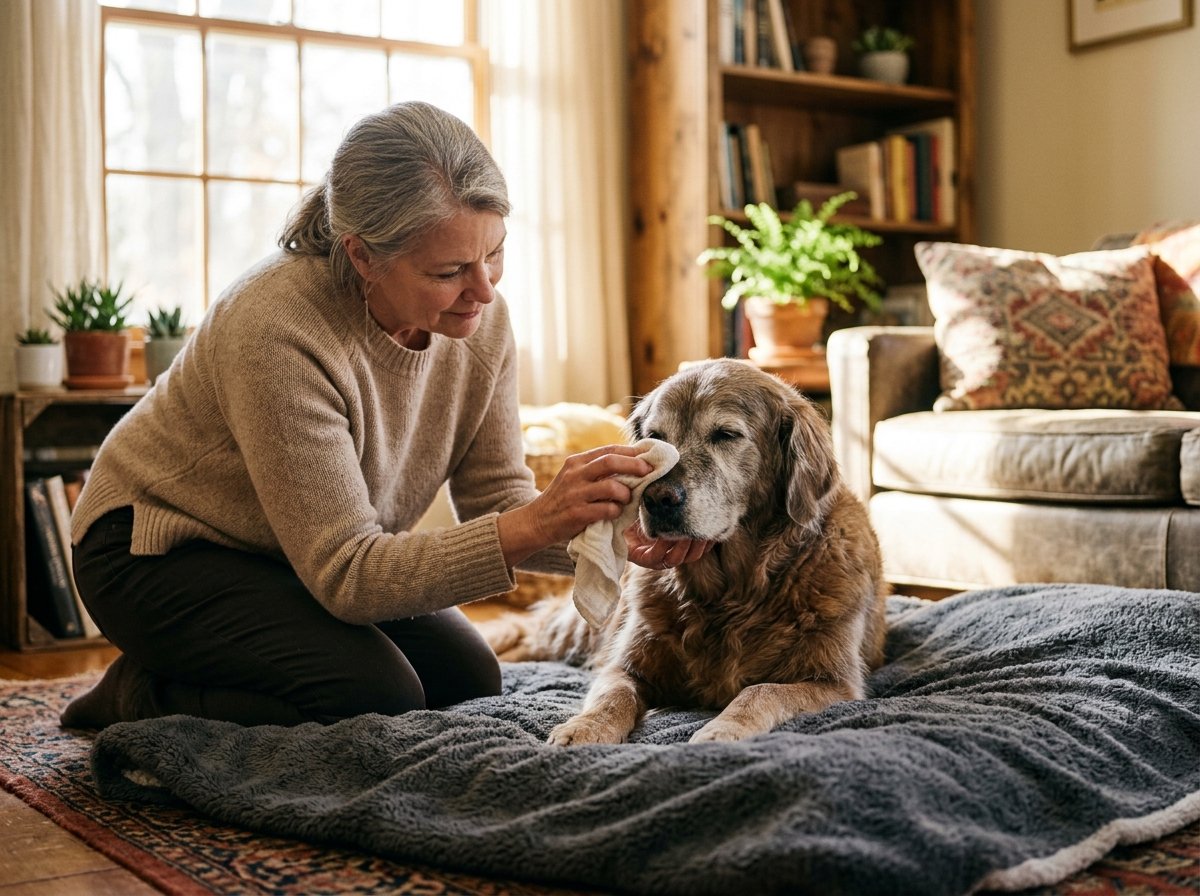
- Use a Cool-Mist Humidifier: Placing a cool-mist humidifier near your dog’s primary sleeping bed moistens dry nasal passages and loosens stubborn crusts, making breathing easier.
- Gentle Warm Compresses: Moisten a soft washcloth with warm water and hold it gently against the outside of their nostrils to soften dried discharge before wiping it away.
- Stop a Reverse Sneezing Fit: During an episode, stay calm. Gently massage your dog’s throat or briefly cover both nostrils with your fingers for two seconds; this encourages them to swallow, which immediately resets the soft palate.
- Warm Their Food: When dogs cannot smell their food due to nasal congestion, they often lose their appetite. Warming canned food slightly releases enticing aromas that encourage them to eat.
- Clear the Indoor Air: Discontinue the use of plug-in air fresheners, scented aerosol sprays, and incense. Vacuum regularly with a HEPA-filter vacuum to minimize dust mite exposure.
Authoritative Research and Clinical Guidelines
Delivering high-standard care requires following established veterinary protocols. Geriatric wellness frameworks from the AVMA senior pet wellness recommendations emphasize scheduling bi-annual physical exams to detect hidden dental decay and early respiratory changes. Detailed pathology chapters in the Merck Veterinary Manual canine rhinitis reference outline the clinical progression of fungal and neoplastic nasal disorders, while clinical resources from the Cornell University canine dental disease library highlight the direct anatomical connection between neglected carnassial roots and secondary chronic sinusitis.
Frequently Asked Questions
Can older dogs catch human colds and sneeze?
No, the human rhinovirus does not infect dogs. Canines have their own respiratory pathogens, such as canine parainfluenza and Bordetella, but they cannot catch human colds or pass them to human family members.
Is reverse sneezing dangerous for an elderly dog?
Reverse sneezing sounds alarming, but it is physically harmless and does not restrict your dog’s oxygen levels. However, if episodes become very frequent or last longer than a few minutes, have your vet check for underlying nasal mites or an elongated soft palate.
What should I do if my senior dog sneezes blood?
Sneezing blood (epistaxis) is an urgent symptom in an older dog. Keep your dog calm, apply a cold pack wrapped in a towel to the bridge of the nose, and contact your veterinarian immediately for diagnostic imaging.
Can I give my dog human Benadryl for sneezing?
Never administer over-the-counter antihistamines without explicit veterinary approval. Some human allergy medications contain decongestants like pseudoephedrine or artificial sweeteners like xylitol, both of which are fatal to dogs.
Why does my senior dog sneeze after eating?
Sneezing immediately after eating is a classic symptom of an oronasal fistula resulting from an upper tooth root abscess. Food particles slip through the bone defect into the nasal passages, irritating tissues and provoking immediate sneezing.
Restoring Quiet, Comfortable Breathing
Watching your loyal old friend struggle with violent sneezing fits or persistent congestion tugs at your heartstrings. Senior canines deserve comfortable, peaceful days free from chronic nasal irritation and hidden dental pain.
By scheduling a timely evaluation with your veterinary team, you can pinpoint the exact cause of their sneezing and start the right treatment plan. With a clean airway and healthy teeth, your faithful companion can get back to peaceful naps and happy, comfortable days by your side.