
Noticing persistent moisture, dripping droplets, or thick mucus from a dog’s runny nose is a common concern that warrants close attention in older pets. You watch your sweet senior companion wipe their muzzle against their front paws, sneeze repeatedly in sudden bursts, or leave wet droplet marks across the living room floor.
You wonder whether your dog caught a simple seasonal cold or sniffed up dust from the yard and you worry whether that dripping nostril points to an infected tooth root abscess eroding into the sinus, an invasive nasal tumor, or a deep fungal infection.
Your concern is completely justified. While a runny nose in a young puppy is often a mild viral cold, nasal discharge in a senior dog past age eight is far more likely to stem from complex dental disease, structural growths, or chronic inflammation. Understanding the color of the discharge, whether it comes from one nostril or both, and accompanying facial symptoms helps you seek prompt veterinary care to restore your companion’s easy breathing.
Quick Answer:
A dog runny nose (nasal discharge) in senior pets is most frequently caused by advanced dental disease (such as an upper tooth root abscess eroding into the sinus cavity), nasal tumors (like adenocarcinomas), chronic fungal rhinitis (Aspergillosis), or environmental allergies. Discharge coming from only one nostril strongly suggests a tooth abscess, tumor, or foreign object, requiring veterinary dental X-rays or rhinoscopy. If your older dog’s snout has also developed hard, dry, or cracked ridges along the top leather, explore our practical guide on dry, crusty dog nose in senior dogs. If your older dog’s nasal drainage is accompanied by violent, repetitive snorting fits or tooth pain, read our comprehensive overview on dog sneezing in senior dogs.
Key Takeaways:
- Unilateral vs. Bilateral Clue: Discharge from one nostril typically indicates localized issues (tooth root abscess, tumor, foreign body); discharge from both nostrils suggests systemic allergies, viral infection, or high blood pressure.
- Discharge Color Diagnostic: Clear watery fluid is usually allergies; thick yellow/green mucus indicates bacterial infection or sinus fistula; bloody discharge (epistaxis) points to tumors or fungal ulceration.
- The Dental-Sinus Connection: The roots of upper canine and carnassial teeth sit directly beneath the nasal floor; chronic root infections frequently break through into the nose.
- Emergency Red Flags: Uncontrolled continuous nosebleeds, facial deformity or bulging eyes, severe breathing distress, or sudden collapse.
This guide explains why older dogs develop nasal discharge, how to decode clear, colored, and bloody drainage, the dental-sinus connection, common causes, safe home steam relief, and veterinary diagnostics.
Decoding Nasal Discharge: Colors, Textures, and Nostril Patterns
Evaluating the appearance of your dog’s nasal discharge provides your veterinarian with immediate diagnostic clues.
| Discharge Appearance | Nostril Pattern | Likely Underlying Cause |
|---|---|---|
| Clear, Watery (Serous) | Both nostrils (Bilateral) | Environmental allergies, dust inhalation, mild viral rhinitis, or excitement |
| Thick Yellow / Green (Mucopurulent) | One nostril (Unilateral) | Upper Tooth Root Abscess (Carnassial tooth) or Oronasal Fistula |
| Thick Mucus with Grey Crust | One or both nostrils | Fungal Rhinitis (Canine Aspergillosis) with nasal leather depigmentation |
| Blood-Tinged or Active Bleeding (Epistaxis) | Usually one nostril progressing to both | Canine Nasal Tumor (Adenocarcinoma), severe fungal infection, or coagulopathy |
One of the most important observations you can make is whether the dripping comes from a single nostril or both sides. Let us examine the five primary causes behind senior dog nasal discharge.
5 Common Causes of Runny Nose in Older Dogs
1. Advanced Periodontal Disease and Tooth Root Abscesses
In senior dogs, dental disease is the single most frequent cause of chronic unilateral nasal discharge. The roots of the large upper carnassial molars and upper canine teeth penetrate deep into the maxillary bone, separated from the nasal cavity by only a paper-thin layer of bone.
When chronic periodontal bacteria destroy the tooth root, the infection erodes through the bone into the sinus cavity, creating an open passage called an oronasal fistula. Food and bacteria enter the nasal cavity, causing chronic sneezing and foul yellow mucus from one nostril. If your dog also has bad breath, review our guide on dog bad breath in senior dogs.
2. Canine Nasal Tumors (Adenocarcinomas and Sarcomas)
Nasal tumors represent roughly 1% to 2% of all canine cancers, with the vast majority occurring in senior dogs over age nine, particularly medium-to-large breeds with long snouts (like Collies, Shepherds, and Retrievers).
Nasal tumors typically begin with clear discharge from one nostril, which gradually turns into thick mucus and intermittent nosebleeds (epistaxis). In advanced stages, you may notice subtle swelling over the bridge of the nose or facial asymmetry. Learn more about senior masses in our guide on tumor signs in dogs.
3. Fungal Rhinitis (Aspergillosis)
Aspergillosis is caused by an environmental mold commonly found in soil, compost, and decaying vegetation. When an older dog sniffs contaminated soil, fungal spores colonize the delicate turbinate bones inside the nose.
Fungal hyphae destroy nasal tissue, producing a thick mucus discharge, nosebleeds, facial pain, and a classic loss of black pigment (depigmentation) around the nostril rim.
4. Inhaled Foreign Bodies (Grass Seeds and Foxtails)
Curious senior dogs can accidentally inhale dry plant awns, foxtails, or small twigs while sniffing outdoor lawns. Once inside the nasal passages, barbed plant seeds cannot back out.
This causes violent, sudden sneezing fits, pawing at the face, and unilateral mucus discharge as the body attempts to expel the irritant.
5. Environmental Allergies and Viral Infections
Older dogs can suffer from seasonal allergies to pollen, mold spores, household dust, or air fresheners. Allergic rhinitis produces clear, watery discharge from both nostrils, accompanied by mild sneezing and watery eyes. If your dog also has eye symptoms, explore our guide on dog eye infection in senior dogs.
Signs of Hidden Sinus Pain in Senior Dogs
Sinus and nasal infections produce throbbing pressure and headaches. Watch for these subtle discomfort cues:
- Frequent Reverse Sneezing: Rapid, snorting inhalations that sound like a honking goose as your dog attempts to clear their soft palate.
- Pawing at the Muzzle: Wiping their snout aggressively across carpets, sofa cushions, or front legs.
- Head Shyness: Pulling away or flinching when you attempt to pet their nose bridge, cheeks, or forehead.
- Noisy Breathing and Snoring: Audible whistling, rattling, or congested breathing sounds while resting or sleeping.
If your senior dog is experiencing general breathing changes, explore our companion guide on senior dog heavy breathing and panting.
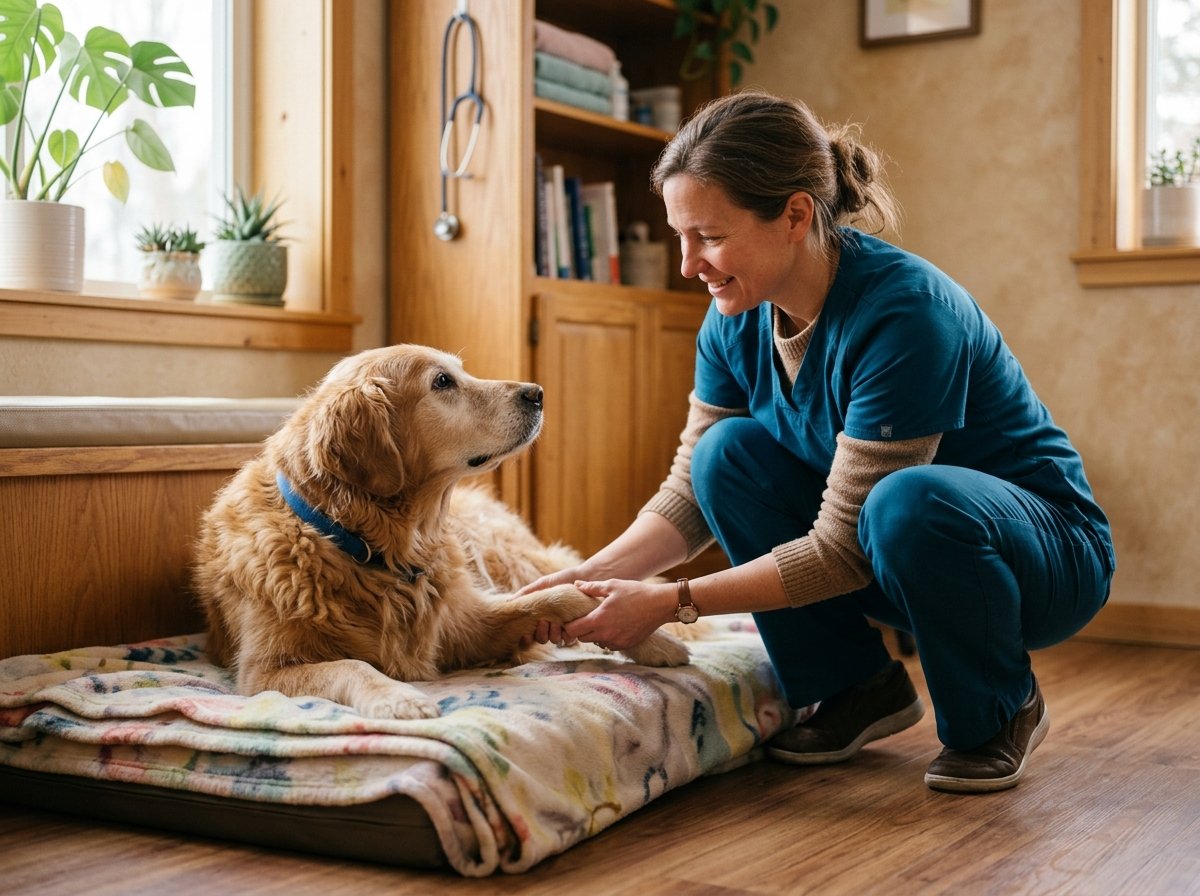
When to Call Your Vet: Warning Red Flags
While mild clear dripping can be monitored for a few days, certain nasal symptoms require prompt veterinary evaluation.
| Symptom Combination | Required Action |
|---|---|
| Clear watery dripping from both nostrils, alert and eating | Monitor at home; schedule vet check if lasting over 7 days |
| Thick yellow/green mucus from one nostril + Bad breath | Schedule veterinary dental examination and skull X-rays |
| Intermittent nosebleeds + Visible bump on nose bridge | Schedule veterinary CT scan & rhinoscopy (suspected tumor) |
| Profuse, uncontrollable bleeding from nose + Pale gums | Immediate emergency veterinary hospital visit |
Schedule a prompt veterinary exam if:
- Nasal discharge lasts for more than 48 hours without improvement.
- Discharge is coming exclusively from a single nostril.
- Your dog sneezes violently multiple times an hour.
Seek immediate emergency veterinary care if:
- Your dog suffers continuous, heavy bleeding from the nose that does not stop with a cold compress.
- You notice visible facial distortion, a bulging eye, or a lump on the nose bridge.
- Nasal congestion is accompanied by severe open-mouth breathing and blue gums.
According to veterinary internal medicine standards published on PetMD’s guide on canine nasal discharge, advanced imaging (such as a skull CT scan) and rhinoscopy biopsy are the gold standard diagnostic tools to differentiate tumors from chronic rhinitis.
5 Safe Home Steps to Provide Sinus Comfort
While awaiting your veterinary appointment and during treatment, these gentle home remedies soothe irritated nasal passages.
Step 1: Provide Bathroom Steam Therapy (15 Minutes)
Turn your bathroom shower on hot and close the door, allowing the room to fill with gentle steam. Sit inside with your senior dog on a soft rug for 10 to 15 minutes.
Warm, moist air naturally loosens dry crusts, hydrates inflamed mucous membranes, and eases sinus congestion without medication.
Step 2: Clean Nostrils with Warm Saline Solution
Never pick dry crust off delicate nose leather with dry fingers, as this causes skin tears and bleeding.
Soak a clean washcloth or cotton pad in lukewarm sterile saline. Hold it against the nostrils for 30 seconds to soften dried discharge, then gently wipe outward away from the nose.
Step 3: Apply a Dab of Pet-Safe Nose Balm
Chronic nasal discharge causes the black skin around the nostrils to become raw, cracked, and painful.
Apply a thin layer of organic virgin coconut oil or vet-approved canine nose balm to soothe chafed skin. Never use human ointments containing zinc or petroleum jelly.
Step 4: Elevate Head and Bedding During Sleep
Lying completely flat causes mucus to pool in the back of the throat, triggering coughing fits and choking during sleep.
Provide a supportive orthopedic bed with raised bolster edges so your dog can rest their chin in an elevated position. For home setups, explore our guide on keeping senior dogs comfortable.
Step 5: Eliminate Environmental Smoke and Aerosols
Inflamed senior airways are hyper-sensitive to airborne irritants. Eliminate cigarette smoke, scented candles, aerosol sprays, and harsh floor cleaners in rooms where your dog rests.
What Not to Do for a Dog with a Runny Nose
Avoid these common mistakes to protect your dog’s safety:
- Never Give Human Decongestants or Cold Pills: Over-the-counter human cold medications containing pseudoephedrine, phenylephrine, or acetaminophen (Tylenol) are highly toxic and fatal to dogs.
- Never Ignore One-Sided Discharge: A runny nose from only one nostril almost never resolves on its own and signals a structural or dental issue.
- Never Use Human Medicated Nasal Sprays: Sprays like Afrin constrict blood vessels aggressively and cause rebound swelling and cardiovascular complications.
Frequently Asked Questions
Why is my senior dog’s nose running from only one side?
Unilateral (one-sided) nasal discharge in an older dog is strongly linked to a tooth root abscess eroding into the sinus cavity, a nasal tumor, a fungal infection, or a trapped foreign plant awn.
Can a bad tooth cause a dog’s nose to run?
Yes. The roots of the upper carnassial and canine teeth sit directly beneath the sinus cavity. When an infection destroys the root, it breaks into the nose (oronasal fistula), causing chronic yellow mucus discharge and sneezing.
Is a bloody runny nose in an old dog always cancer?
Not always. While nasal tumors are a common cause of bloody nose (epistaxis) in seniors, severe fungal infections (Aspergillosis), foreign bodies, rodenticide poisoning, and severe dental abscesses can also cause bleeding.
How can I help my congested senior dog breathe better at night?
Use a cool-mist bedroom humidifier, elevate their head on a bolster bed, clean nasal crusts with warm saline, and sit in a steamy bathroom for 15 minutes before bedtime.
When should a runny nose in an older dog be seen by a vet?
If the discharge is thick yellow/green, contains blood, comes from one nostril, or persists for more than 48 hours, schedule a veterinary examination promptly.
Restoring Clear, Comfortable Breathing
Dealing with a dog runny nose can be concerning, but understanding the underlying causes allows you to take proactive steps to restore your companion’s comfort. By monitoring discharge color, providing soothing steam relief, and working closely with your veterinarian for dental and sinus evaluations, you help your old friend breathe easily and comfortably.
Always consult your veterinarian for diagnostic X-rays and targeted treatment plans. Review official resources from the American Veterinary Medical Association senior care FAQ to keep your loyal companion happy, healthy, and thriving.