
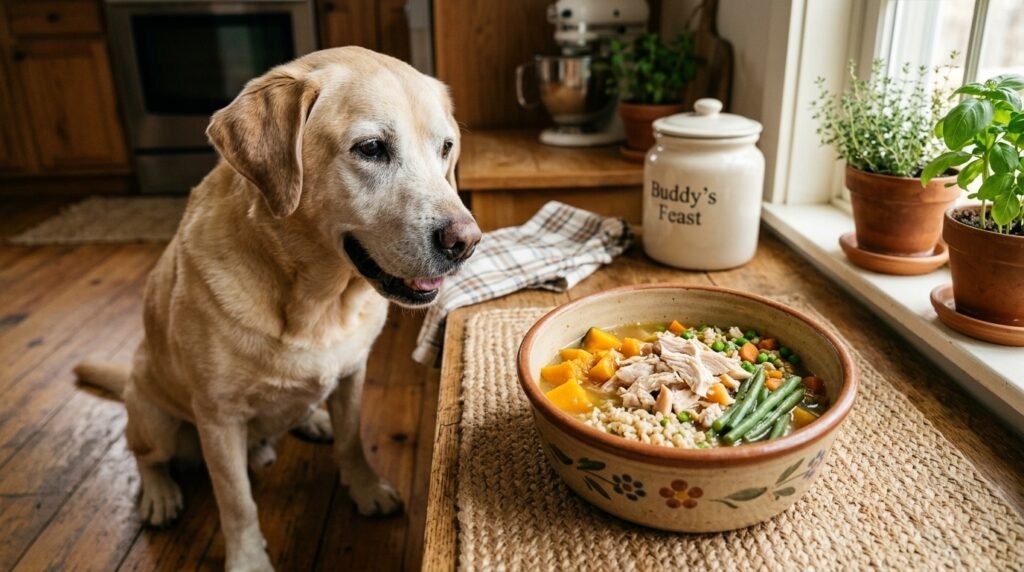
Placing a freshly filled bowl on the floor only to watch your older companion sniff it once, turn their head away, and walk back to bed is a deeply frustrating and worrying moment. You remember the years when your loyal senior dog would inhale their dinner in seconds, and you wonder why they have suddenly become so finicky about food.
You wonder whether your dog is simply being stubborn, or whether their favorite brand changed its recipe and you worry whether this sudden pickiness signals mouth pain from an aching tooth, a fading sense of smell, or low-grade nausea from underlying organ strain.
Your concern is completely natural. Appetite changes in older dogs can be stressful. However, senior dogs rarely become picky eaters out of spite or stubbornness. In reality, biological changes in aging olfactory nerves, sensitive gums, and slower digestive systems change how food smells, tastes, and feels. With the right palatable foods, simple aroma-enhancing tricks, and gentle feeding adjustments, you can reignite your dog’s excitement for mealtime.
Quick Answer:
The best dog food for picky senior eaters combines highly aromatic, gently cooked real meats, soft palatable textures (such as savory stews, loafs, or tender shredded kibbles), and easily digestible proteins. Senior dogs decide to eat with their noses; warming food to body temperature (100°F / 38°C), adding warm bone broth, or mixing in high-value toppers like sardines or freeze-dried liver dust stimulates fading olfactory senses and triggers enthusiastic eating. For dogs dropping body condition, introducing a vet-approved high calorie dog food provides dense daily energy. For dogs with food intolerances alongside finicky appetites, consider a limited ingredient dog food. If your senior dog refuses hard kibble, discover the benefits and palatable options in our guide to wet food for old dogs. To entice hesitant senior eaters without completely replacing their dry food, consider adding a nutrient-dense dog food topper for senior dogs.
Key Takeaways:
- Why Seniors Get Picky: Loss of olfactory scent receptors, oral/dental pain, low-grade metabolic nausea, and neck stiffness bending to floor bowls.
- The 10-Second Warming Rule: Warming food releases volatile fatty aroma molecules that stimulate aging olfactory nerves and jumpstart appetite.
- Top Texture Solutions: Switch from hard, dry kibble to savory gravies, gently cooked fresh foods, or shredded meat blends to avoid mouth discomfort.
- Veterinary Red Flags: A dog that refuses all food for more than 24 hours or exhibits yellow bile vomiting requires immediate veterinary diagnosis.
This guide explains why older dogs become finicky eaters, how to identify hidden physical causes, simple home tricks to make food irresistible, and top vet-recommended dog foods for picky seniors.
Why Senior Dogs Become Picky Eaters: 5 Hidden Causes
When a previously hearty eater begins turning down meals, one or more underlying biological shifts are usually responsible.
1. Fading Sense of Smell and Taste
Dogs experience the world primarily through scent, possessing over 200 million olfactory receptors compared to a human’s 5 million. A dog decides whether food is safe and delicious before their tongue ever touches the bowl.
As dogs enter their double-digit years, olfactory nerve cells gradually decline, and taste buds dull. Cold, dry commercial kibble has almost no scent to an elderly dog, smelling like dry cardboard.
2. Dental Pain, Loose Teeth, and Gum Disease
Over 85 percent of dogs past age three suffer from periodontal disease. In senior dogs, infected tooth roots, cracked molars, and raw inflamed gums make crunching hard kibble feel like chewing on glass.
Your dog may walk to the bowl feeling hungry, sniff the food eagerly, but back away because they anticipate the sharp pain of biting down. If your dog also has strong breath, read our guide on dog bad breath in senior dogs.
3. Low-Grade Nausea from Organ Strain
Mild elevations in kidney waste products (blood urea nitrogen) or liver enzymes cause a subtle, persistent sour stomach. Nausea creates a psychological food aversion, making your dog associate their regular food with feeling sick.
If your older dog is drinking lots of water while turning down food, review our guide on senior dog not eating but drinking water.
| Behavior Observed | Probable Cause | Immediate Solution |
|---|---|---|
| Sniffs food and walks away with zero interest | Dulled sense of smell (olfactory decline) | Warm food for 10 seconds; add warm bone broth or sardine oil |
| Eats soft treats eagerly but refuses dry kibble | Dental pain, broken teeth, or inflamed gums | Transition to soft wet stews or gently cooked fresh food |
| Licks lips, drools, or vomits yellow morning bile | Acid reflux, empty stomach nausea, or organ strain | Feed smaller frequent meals; vet bloodwork screening |
| Stands stiffly over bowl, shifts feet, and gives up | Neck, shoulder, or spinal arthritis pain | Elevate food bowl to chest height; place non-slip floor mat |
4. Arthritis and Neck Pain
Bending down to a bowl resting flat on slippery hardwood floors puts heavy downward pressure on arthritic cervical vertebrae, elbows, and hips. An elderly dog may simply find standing over a floor bowl too exhausting and painful to finish.
5. Cognitive Confusion and Distraction
Dogs experiencing canine cognitive dysfunction (canine dementia) can become disoriented during mealtime. They may forget where their food bowl is, get easily distracted by ambient room movements, or wander away mid-meal.
6 Proven Ways to Make Dog Food Irresistible
Transforming mealtime from a struggle into an enjoyable ritual requires simple sensory adjustments:
1. Apply the 10-Second Warmth Rule
Never serve food straight from the refrigerator. Cold temperatures trap volatile aroma molecules inside the food matrix.
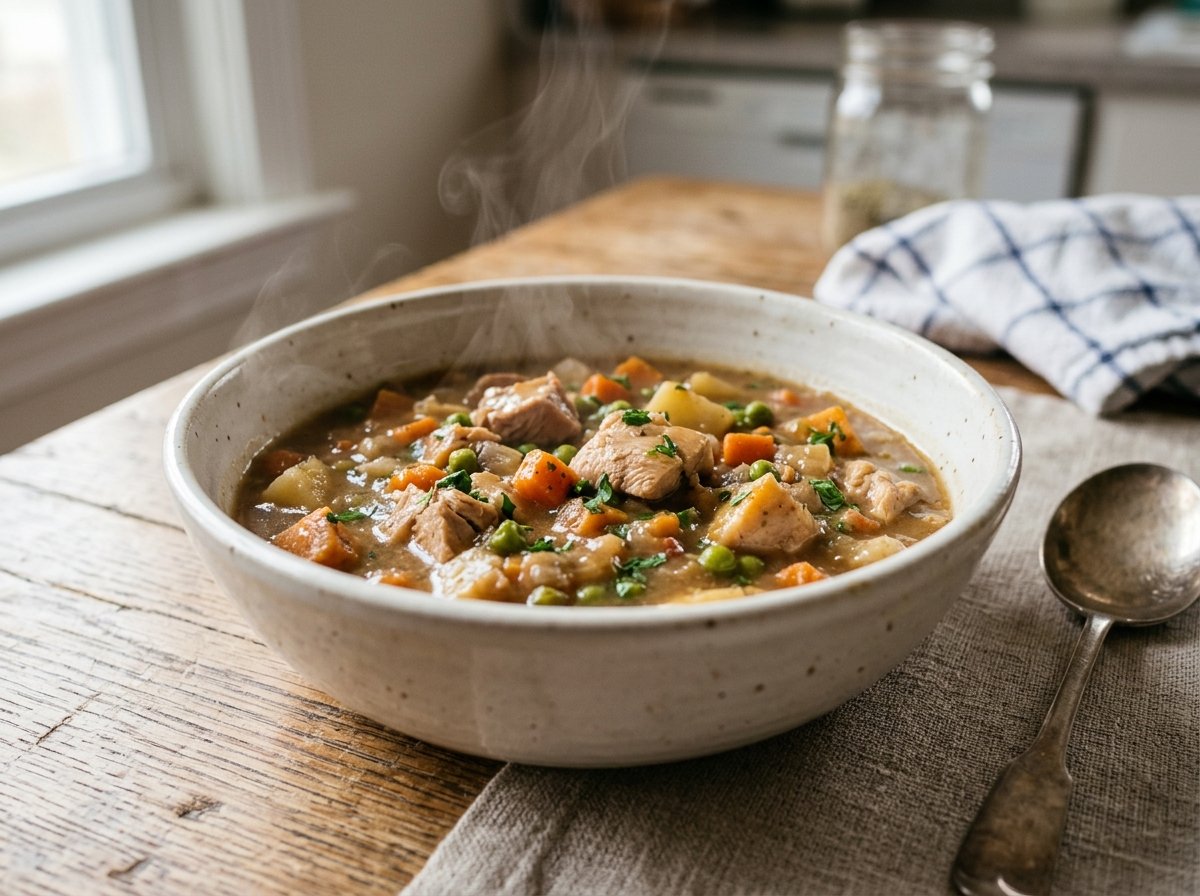
Warm canned food or moistened kibble in the microwave for 10 to 15 seconds until it reaches body temperature (around 100°F / 38°C). Stir thoroughly to eliminate hot spots. The rising steam instantly triggers hunger reflexes.
2. Hydrate with Warm Low-Sodium Bone Broth
Pouring warm, unsalted beef, chicken, or bone broth over dry food creates a rich gravy that softens hard nuggets into an easily chewable consistency.
3. Use High-Value Natural Flavor Dust Toppers
A tiny sprinkle of intensely aromatic topper creates instant excitement without adding heavy fat:
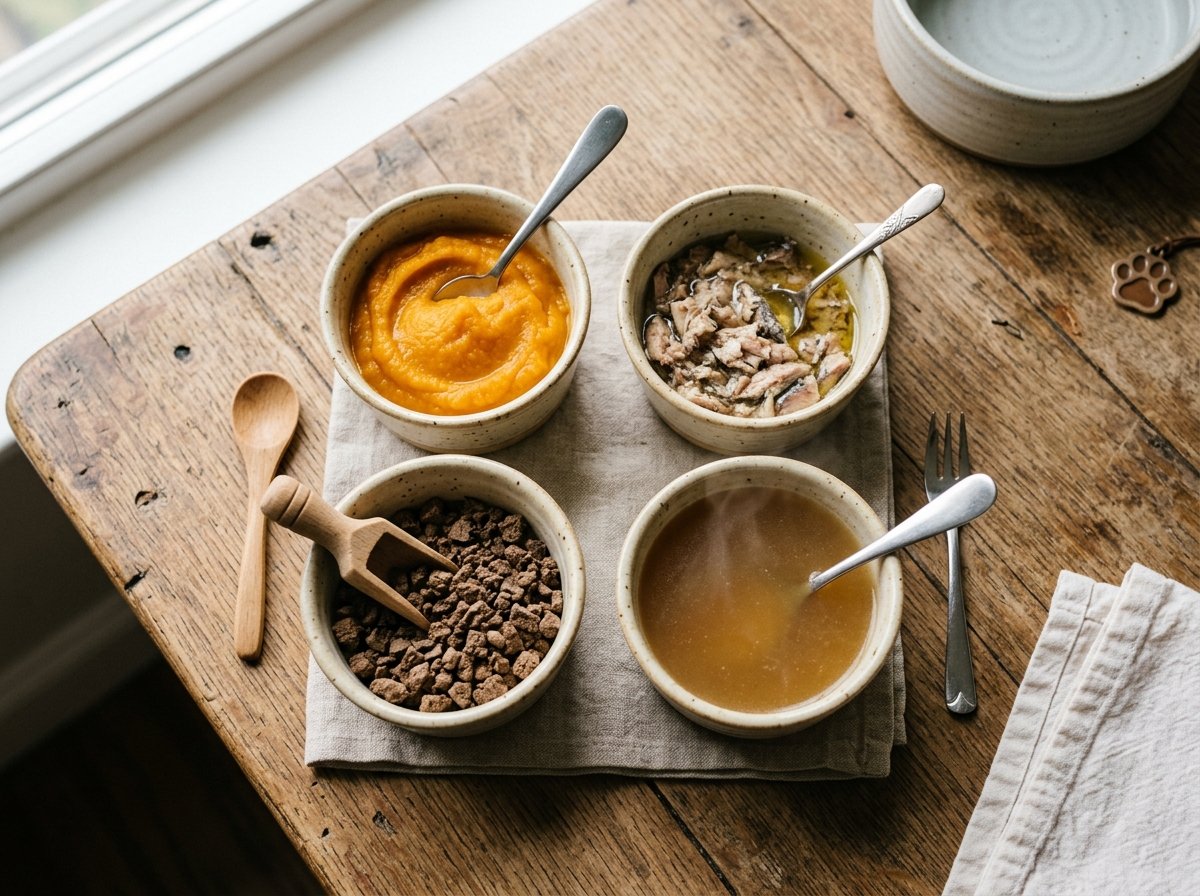
- Freeze-Dried Liver Dust: Crush a single freeze-dried beef or chicken liver treat into a fine powder and dust it over the surface of the food.
- Canned Wild Sardines in Water: Mash one half of a plain sardine packed in water over their meal. The pungent fish scent and rich Omega-3s are irresistible.
- Nutritional Yeast: A pinch of nutritional yeast provides a savory, cheesy umami flavor that dogs love, along with beneficial B-vitamins.
- Plain Cooked Scrambled Egg: Mix a warm, fluffy scrambled egg into the bowl for high biological value protein.
4. Elevate the Food Bowl to Chest Height
Raise the bowl on an elevated stand so your dog can eat with their neck and spine in a neutral, relaxed horizontal position. Place a non-slip rubber mat under their paws so their feet do not slide on tile or hardwood floors.
5. Hand-Feed the First Two Bites
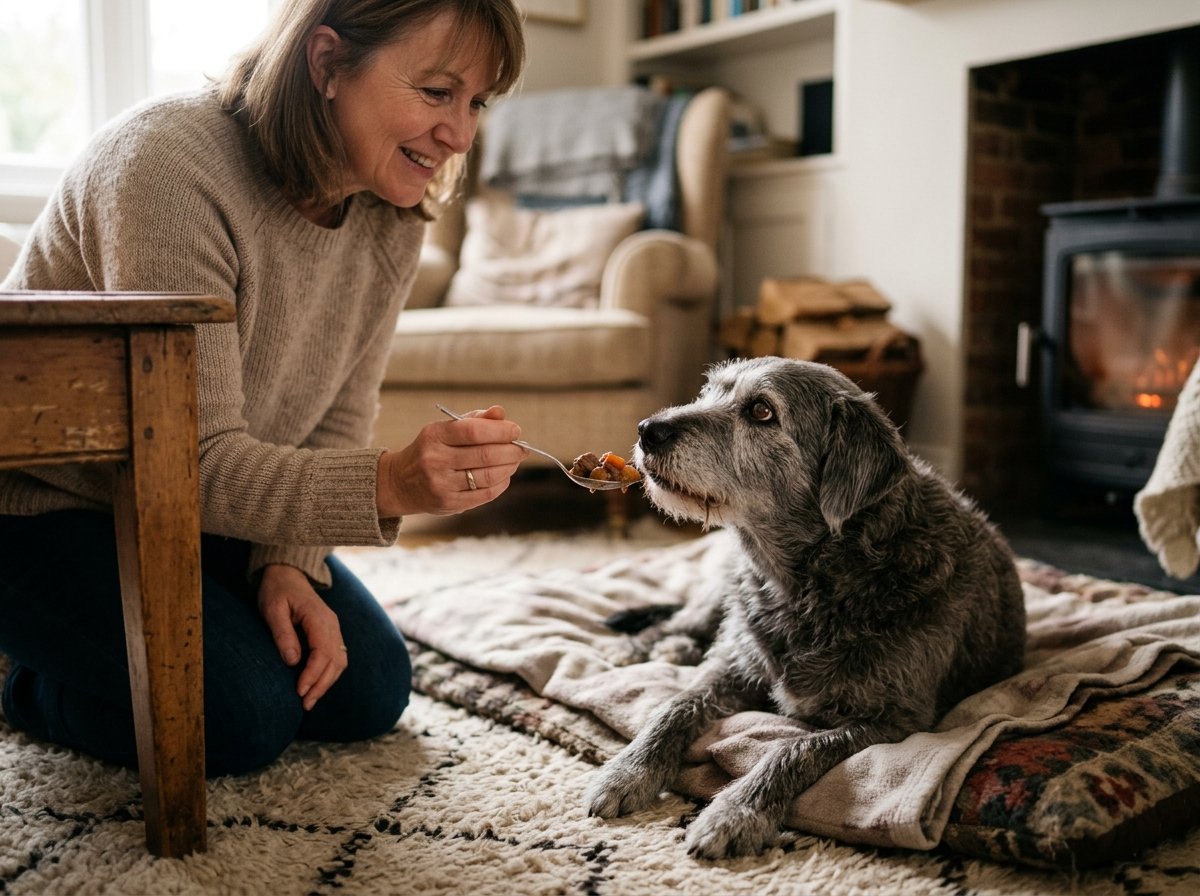
If your senior dog is hesitant, sit beside them and offer the first two bites gently from your open palm or a spoon. Once they taste the warm food, their appetite reflex takes over, and they will usually finish the rest of the bowl on their own.
6. Feed Smaller Meals More Frequently
A huge mountain of food can be visually overwhelming to an older dog with a low appetite. Offer three or four small, fresh portions throughout the day rather than two massive bowls.
Best Vet-Recommended Dog Foods for Picky Senior Dogs
These commercial formulas feature exceptional palatability, soft textures, and high nutritional density for aging dogs:
1. JustFoodForDogs Fresh Frozen / Pantry Fresh (Gently Cooked)
- Texture: Real shredded whole foods (chicken, rice, carrots, apples)
- Why Picky Dogs Love It: 100% human-grade ingredients that smell and taste like a home-cooked Sunday roast. Learn how whole-food nutrition supports aging canines in our complete guide to human grade dog food for senior dogs. Exceptionally digestible for sensitive older stomachs.
2. Royal Canin Aging 12+ Senior Wet Dog Food Loaf
- Texture: Ultra-soft, velvety loaf in savory sauce
- Why Picky Dogs Love It: Specially formulated for geriatric dogs with tender teeth, featuring high aroma intensity, kidney-supportive phosphorus levels, and EPA/DHA.
3. Purina Pro Plan Shredded Blend Senior (Chicken & Rice)
- Texture: Crunchy kibble blended with tender, savory shredded meat pieces
- Why Picky Dogs Love It: Provides varied mouthfeel and meaty texture that keeps dogs engaged with every bite, plus live guaranteed probiotics.
4. The Honest Kitchen Dehydrated Grain-Free Turkey or Beef
- Texture: Warm savory porridge / stew
- Why Picky Dogs Love It: Adding warm water rehydrates pure human-grade meats and vegetables into a warm, fragrant meal that requires zero chewing effort.
According to veterinary nutritionists on PetMD’s guide on wet dog food benefits, canned and fresh foods provide higher moisture content that aids senior kidney filtration while delivering intense natural flavors.
When to Call Your Vet: Medical Red Flags
While finicky behavior is common, total food refusal (anorexia) is an urgent medical concern in older dogs.
| Appetite Situation | Required Action |
|---|---|
| Picky with kibble, but eats warm toppers eagerly | Transition to soft wet foods; schedule routine dental check |
| Refuses food for 24 hours + Acting bright and drinking | Schedule veterinary appointment within 24 to 48 hours |
| Refuses all food and water + Lethargic or vomiting | Same-day urgent veterinary clinic evaluation |
| Approaches bowl crying + Swelling on face under eye | Urgent veterinary dental exam (suspected tooth abscess) |
Prescription Appetite Stimulants
If your dog refuses food due to chronic illness or medication side effects, your veterinarian can prescribe safe, fast-acting appetite stimulants:
- Capromorelin (Entyce): A modern oral liquid that mimics the natural hunger hormone ghrelin, stimulating appetite within hours.
- Mirtazapine: An effective medication that reduces nausea while boosting appetite.
What Not to Do with a Picky Senior Dog
Avoid these common feeding traps:
- Never Force a “Tough Love” Hunger Strike: Letting a senior dog go without food for days can cause dangerous hypoglycemia, hepatic lipidosis, and rapid muscle wasting.
- Never Switch Brands Every Single Day: Changing complete formulas daily creates digestive upset, diarrhea, and teaches your dog to hold out for better food. Stick to one base food and rotate healthy toppers.
- Never Feed Fatty Table Scraps as a Substitute: Feeding bacon, sausages, or cheese to get them to eat triggers acute pancreatitis.
Frequently Asked Questions
Why did my senior dog suddenly become a picky eater?
Sudden pickiness is usually caused by dental pain, a fading sense of smell, low-grade nausea from kidney or liver changes, or side effects from arthritis medications.
What can I put on my senior dog’s food to make them eat?
Safe, delicious toppers include warm low-sodium bone broth, plain scrambled eggs, mashed canned sardines in water, freeze-dried liver dust, and pure canned pumpkin.
How long can an old dog go without eating?
A senior dog should never go more than 24 hours without food. If they refuse food for a full day, contact your veterinarian promptly to identify the underlying cause.
Is wet food better than dry food for picky senior dogs?
Yes. Wet and gently cooked fresh foods have significantly stronger natural aromas, soft textures that do not hurt aging teeth, and high moisture content that aids kidney hydration.
Can warming dog food really help a picky dog eat?
Yes. Warming food to body temperature (around 100°F) vaporizes aromatic fat molecules, allowing dogs with dulled scent receptors to smell their food clearly and trigger their natural appetite.
Bringing Joy Back to Your Companion’s Mealtime
Watching your old companion regain their appetite and eagerly wag their tail at dinner is one of the greatest joys of senior dog care. By understanding the physical reasons behind finicky eating, warming meals to enhance aroma, and choosing soft, nutrient-dense foods, you help your loyal companion stay nourished and comfortable.
Always work closely with your veterinarian to treat dental pain, evaluate bloodwork, and tailor nutritional choices. Review official guidance from the American Veterinary Medical Association senior care FAQ to keep your cherished pet happy, healthy, and thriving throughout their golden years.