
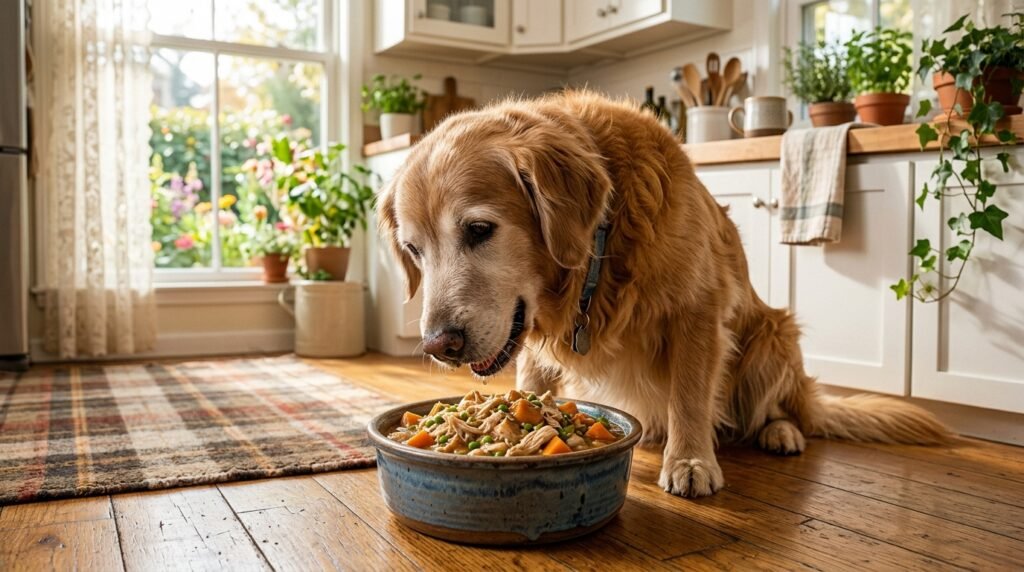
Running your hands along your older companion’s back and suddenly feeling prominent spine bumps, hollow hip bones, and sunken shoulder blades is a deeply concerning realization. You look down at your loyal senior dog, who used to be solid and sturdy, and you realize they have been gradually losing weight despite finishing their daily meals.
You wonder whether this weight loss is simply an inevitable sign of growing old and you worry whether your dog’s current food lacks the concentrated calories and digestible protein needed to sustain their aging body, or whether an underlying medical issue is silently consuming their strength.
Your concern is completely justified. While younger senior dogs often battle excess weight, geriatric dogs (typically past age ten) face the opposite challenge: age-related muscle wasting (sarcopenia) and reduced digestive absorption. Feeding a nutrient-dense, high calorie dog food specifically formulated for aging pets helps rebuild lean muscle, boosts daily stamina, and keeps your golden companion strong and vibrant.
Quick Answer:
High calorie dog food for senior dogs provides concentrated energy (typically 400 to 500+ kcal per cup) combined with high-quality, easily digestible protein (26% to 32%) and healthy fats to reverse age-related muscle wasting (sarcopenia) and restore lost body weight. Geriatric dogs benefit most from calorie-dense kibbles, nutrient-rich wet stews, and healthy toppers like scrambled eggs, bone broth, and goat milk. If your aging companion is hesitant at dinner, explore our guide on dog food for picky eaters to rekindle their appetite. In addition to calorie boosters, targeted senior dog vitamins support aging cellular metabolism. For a structured daily nutritional schedule, review our vet-approved senior dog diet plan.
Key Takeaways:
- Sarcopenia vs. Cachexia: Sarcopenia is natural age-related muscle loss requiring higher protein; cachexia is rapid weight loss driven by chronic organ disease or cancer.
- Ideal Nutritional Benchmarks: Look for foods with 28%+ digestible animal protein, 16%+ healthy dietary fat, and high Omega-3 (EPA/DHA) fatty acids.
- Safe Calorie Boosters: Add plain scrambled eggs, warm low-sodium bone broth, full-fat plain goat milk, or veterinary high-calorie nutritional gels to daily meals.
- Veterinary Check First: Always rule out kidney decline, diabetes, dental pain, and thyroid issues before increasing dietary fat and protein.
This guide explains why older dogs lose weight, how to reverse senior sarcopenia, key ingredients to look for in calorie-dense dog foods, safe home toppers, and top vet-recommended brands.
Why Senior Dogs Lose Weight: Sarcopenia vs. Chronic Illness
Weight loss in senior dogs generally stems from two distinct biological mechanisms: physiological aging changes or underlying medical conditions.
1. Age-Related Muscle Wasting (Canine Sarcopenia)
Starting around age eight or nine, a dog’s body naturally experiences a gradual loss of skeletal muscle mass and strength, known as sarcopenia. Older bodies become less efficient at synthesizing dietary amino acids into new muscle tissue.
Unlike fat loss, sarcopenia causes muscle atrophy along the spine, hips, and top of the head (temporalis muscles) while body fat may remain unchanged. To combat sarcopenia, senior dogs actually need more protein per pound of body weight than younger adult dogs.
2. Decreased Digestive Absorption Efficiency
As dogs advance into their golden years, the pancreas and intestinal lining produce fewer digestive enzymes. Even if your dog eats their normal portion of commercial kibble, their gut absorbs fewer calories, fats, and vitamins, leading to gradual weight loss.
3. Medical Causes of Senior Weight Loss (Cachexia)
If weight loss is rapid or accompanied by increased thirst, lethargy, or vomiting, an underlying medical condition must be diagnosed and treated:
| Medical Condition | How It Causes Weight Loss | Key Accompanying Signs |
|---|---|---|
| Chronic Kidney Disease | Protein loss through urine & chronic uremic nausea | Excessive thirst, frequent urination, ammonia breath |
| Diabetes Mellitus | Body cannot process glucose, breaking down muscle/fat | Ravenous appetite, rapid weight loss, high thirst |
| Severe Dental Disease | Chewing hard kibble causes acute mouth pain | Dropping food, chewing on one side, foul mouth odor |
| Heart Disease / CHF | Cardiac cachexia driven by high inflammatory cytokines | Coughing at night, elevated resting breath rate |
If your older dog is drinking excessive water alongside weight loss, review our guide on senior dog not eating but drinking water to screen for systemic triggers.
What to Look for in a High Calorie Senior Dog Food
Not all high-calorie dog foods are created equal. Feeding an older dog cheap high-fat junk food can trigger acute pancreatitis. Instead, look for clean, high-density nutrition with these four key benchmarks:
1. High Concentration of Digestible Protein (26% to 32%)
Look for real deboned meat as the first two ingredients (such as real chicken, salmon, turkey, or lamb). High-quality animal proteins provide rich essential amino acids (leucine, lysine) that rebuild wasted muscles.
2. Healthy Moderate-to-High Dietary Fat (15% to 20%)
Fat contains more than double the calories per gram compared to protein or carbohydrates. Healthy fats from cold-water salmon oil, flaxseed, and chicken fat provide concentrated energy in smaller, easy-to-eat meal volumes.
3. Elevated Calorie Density (400+ kcal / cup)
Standard senior foods often contain only 320 to 350 kcal per cup (designed for overweight seniors). For an underweight senior with a small appetite, look for performance, active, or recovery formulas delivering 400 to 500+ kcal per cup so every bite counts.
4. Concentrated Omega-3 Fatty Acids (EPA and DHA)
Omega-3 fatty acids from fish oil reduce muscle inflammation, protect joint cartilage, and support brain cognitive function. For mobility support, explore our guide on senior dog joint stiffness remedies.
5 Safe Calorie Booster Toppers for Senior Dogs
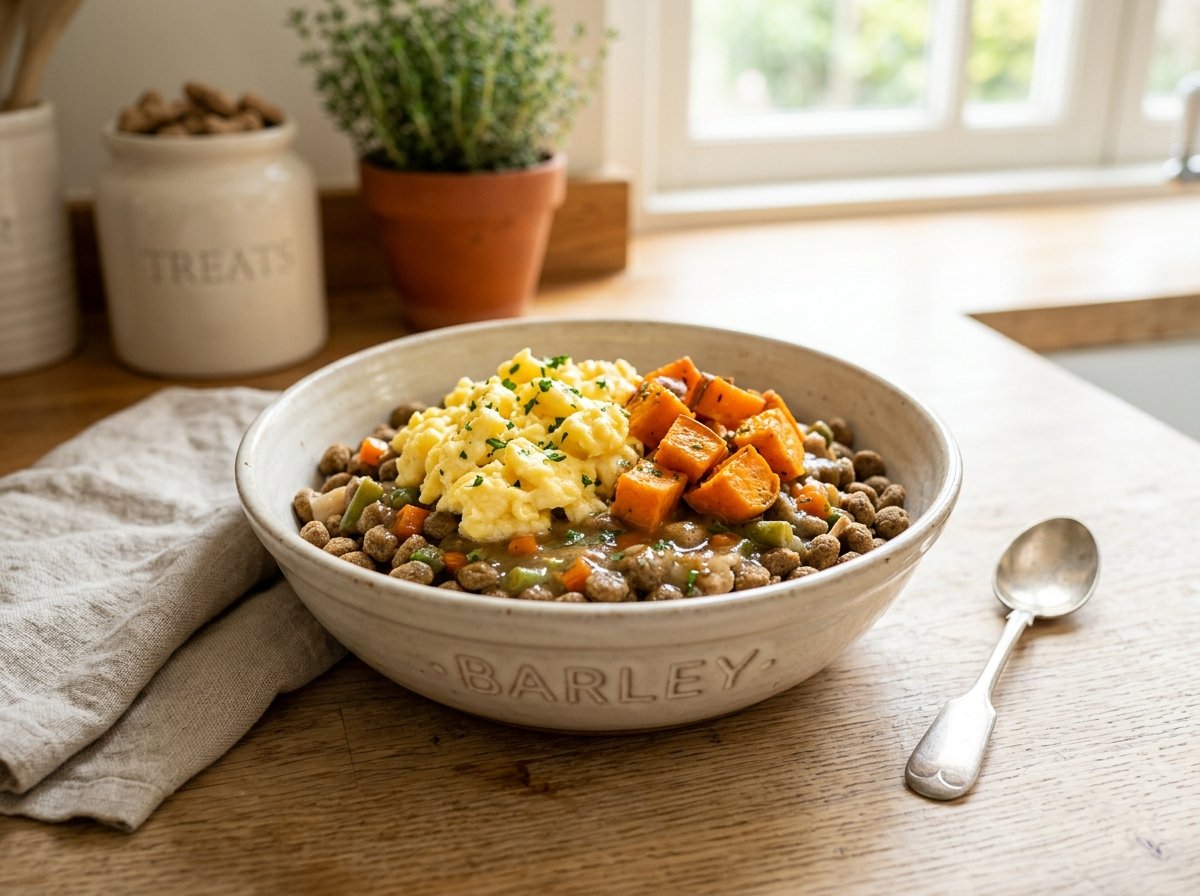
You can significantly boost daily calorie intake by adding these wholesome, natural toppers to your dog’s regular food bowl:
1. Plain Scrambled Eggs (70–80 kcal per egg)
Eggs have one of the highest biological protein values of any whole food. Cook an egg in a dry non-stick pan without butter, salt, or oil, and mix it into their morning meal.
2. Warm Low-Sodium Bone Broth
Warming bone broth releases rich savory aromas that stimulate aging olfactory nerves. Pouring warm broth over dry food softens hard kibble and creates an irresistible gravy.
3. Full-Fat Plain Goat Milk
Goat milk has smaller fat globules than cow milk, making it exceptionally easy for senior canine digestive systems to absorb without triggering lactose upset. Add two tablespoons to their meal.
4. 100% Pure Canned Pumpkin with a Dash of Coconut Oil
Pumpkin provides soluble fiber to keep digestion firm, while pure organic virgin coconut oil delivers medium-chain triglycerides (MCTs) that provide direct cellular energy for aging brains.
5. High-Calorie Veterinary Nutritional Gel (Nutri-Cal)
Veterinary high-calorie malt gels deliver concentrated calories and essential vitamins in a small, highly palatable paste that can be wiped on your dog’s paws or nose.
Best Vet-Recommended High Calorie Dog Foods
These proven commercial formulas provide high calorie density and superior digestibility for senior dogs needing to gain healthy weight:
1. Purina Pro Plan Sport Performance 30/20 (All Life Stages)
- Calorie Density: 496 kcal / cup
- Nutritional Profile: 30% Protein / 20% Fat
- Key Highlights: Real chicken as first ingredient, concentrated calories, live guaranteed probiotics, and glucosamine for joint health.
2. Royal Canin Veterinary Diet Gastrointestinal High Energy (Wet Canned)
- Calorie Density: 477 kcal / can
- Nutritional Profile: High energy density in a soft, delicious loaf
- Key Highlights: Specifically formulated for dogs with sensitive stomachs needing maximum calories in small meal volumes.
3. Blue Buffalo Wilderness High Protein (Salmon or Chicken Recipe)
- Calorie Density: 415 kcal / cup
- Nutritional Profile: 34% Protein / 15% Fat
- Key Highlights: Grain-inclusive with wholesome oatmeal and brown rice, rich in EPA/DHA Omega-3s.
4. Hill’s Prescription Diet a/d Urgent Care (Prescription Recovery Wet)
- Calorie Density: 180 kcal / 5.5 oz can (exceptionally calorie-dense soft mousse)
- Key Highlights: Smooth texture ideal for spoon feeding or syringe feeding dogs recovering from severe illness.
According to clinical nutrition guidelines published on PetMD’s guide on high calorie dog food benefits, consulting your veterinarian ensures your chosen formula does not exceed safe fat levels if your dog has a history of pancreatitis.
5 Practical Steps to Help Your Senior Dog Gain Weight Safely
Step 1: Feed 3 to 4 Smaller Meals Throughout the Day
Senior stomachs cannot comfortably digest large portions in a single sitting. Splitting their daily food intake into three or four smaller meals prevents digestive overload and allows better nutrient absorption.
Step 2: Warm All Food to Body Temperature (100°F / 38°C)
Older dogs often lose their sharp sense of smell. Microwave wet food or moistened kibble for 10 seconds to unlock rich meaty aromas that trigger appetite reflexes.
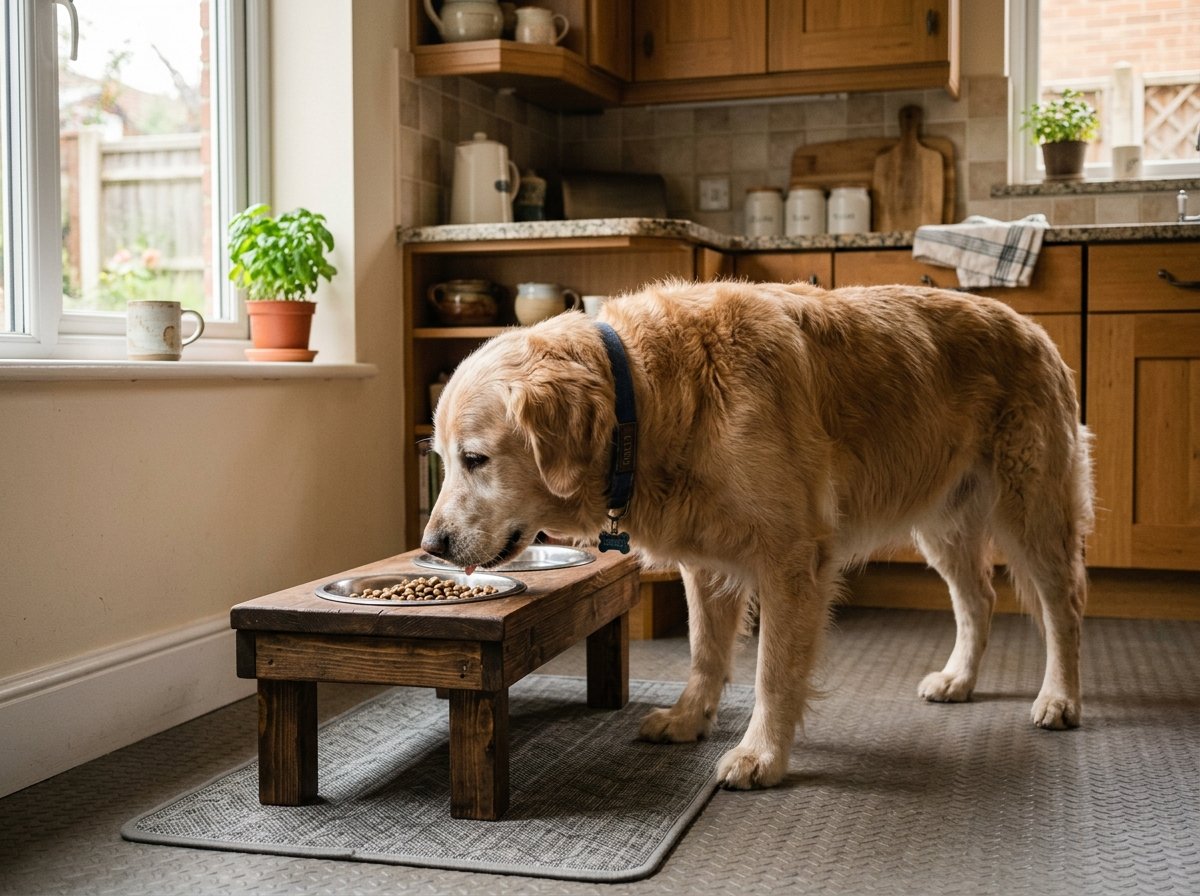
Step 3: Elevate the Food and Water Bowls
Bending down to floor level places painful strain on arthritic necks, shoulders, and hips. Elevating bowls to chest height allows your dog to eat comfortably without rushing or stopping early.
Step 4: Weigh Your Dog Weekly on the Same Scale
Aim for a slow, steady weight gain of 1% to 2% of total body weight per week. Rapid weight gain stresses aging hearts and joints.
Step 5: Schedule Regular Veterinary Blood and Organ Panels
Recheck blood chemistry every six months to confirm kidney and liver values remain healthy as weight increases. For daily routine care, explore our guide on senior dog routine daily schedules.
What Not to Do When Trying to Put Weight on an Older Dog
Avoid these common feeding mistakes:
- Never Feed Greasy Human Table Scraps: Bacon grease, butter, and fried meats trigger severe, life-threatening acute pancreatitis in senior dogs.
- Never Double Portion Sizes Overnight: Abruptly increasing food volume causes diarrhea and vomiting, resulting in further weight loss.
- Never Ignore Dental Pain: If your dog approaches the bowl eagerly but backs away crying, painful broken teeth must be addressed by a veterinarian.
Frequently Asked Questions
What is the fastest way to help a senior dog gain weight safely?
Transition to a high-calorie (400+ kcal/cup), high-protein (28%+) diet, divide daily food into 3–4 warm meals, and add healthy toppers like plain scrambled eggs and warm bone broth.
Can high-protein food damage a senior dog’s kidneys?
No. Modern veterinary science has debunked this myth. Healthy senior dogs need higher protein to prevent sarcopenia. Protein restriction is only recommended in advanced, late-stage kidney failure under strict vet guidance.
Why is my old dog always hungry but still losing weight?
A ravenous appetite accompanied by weight loss is a classic warning sign of diabetes mellitus, Cushing’s disease, or severe intestinal malabsorption (EPI). Schedule a vet blood panel immediately.
How many calories does an older dog need per day?
A typical resting senior dog needs approximately 30 calories per pound of body weight daily. An underweight senior trying to gain weight may need 35 to 40 calories per pound under veterinary supervision.
Are high-calorie puppy foods safe for senior dogs?
Puppy foods are calorie-dense but have high calcium and phosphorus levels that can strain aging kidneys. Specially formulated high-calorie adult/performance foods are much safer for older dogs.
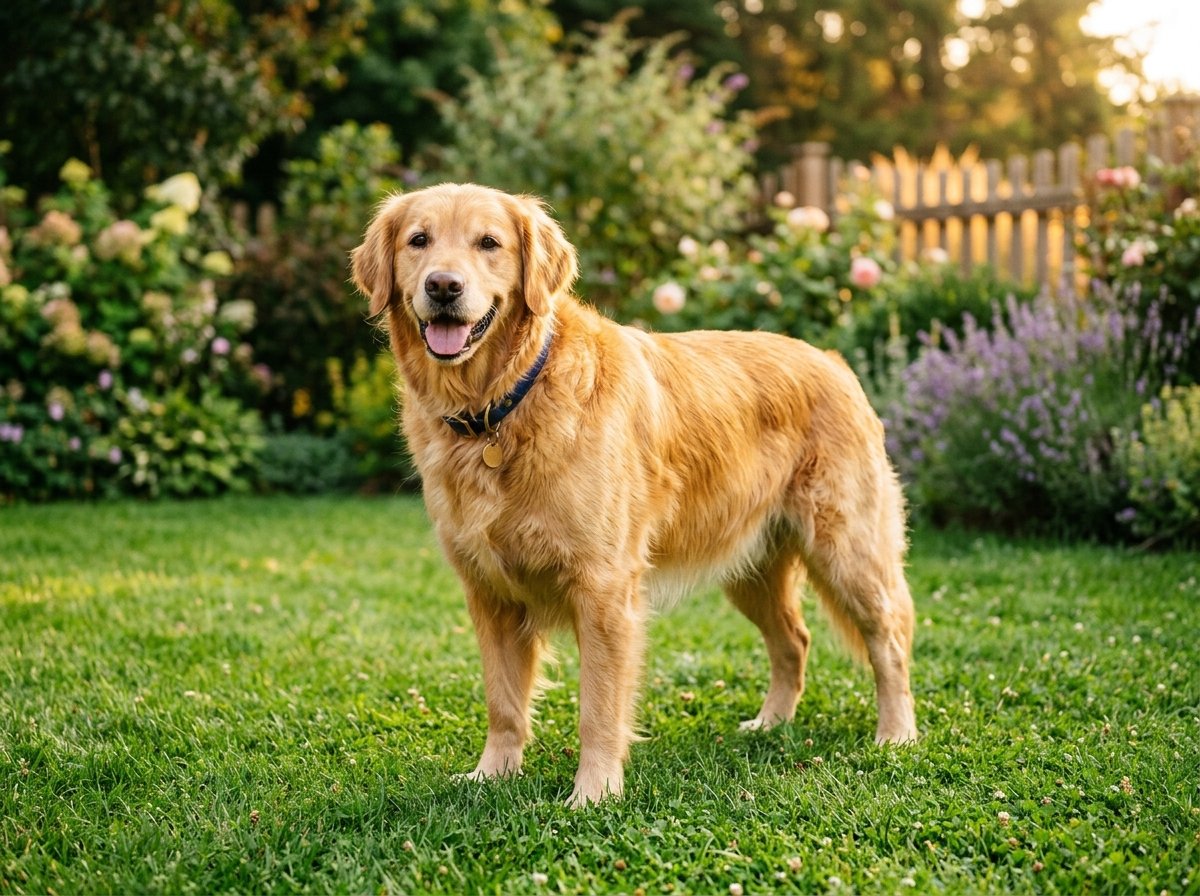
Restoring Strength and Joy to Your Golden Companion
Helping your older dog regain lost weight and rebuild lean muscle is one of the most rewarding ways to care for them in their golden years. By choosing nutrient-dense, high-calorie meals, adding wholesome toppers, and monitoring their health alongside your veterinarian, you give your faithful friend the energy and comfort they deserve.
Always collaborate with your veterinarian to rule out underlying medical conditions and customize daily calorie goals. Review official recommendations from the American Veterinary Medical Association senior care FAQ to keep your companion strong, happy, and thriving.