
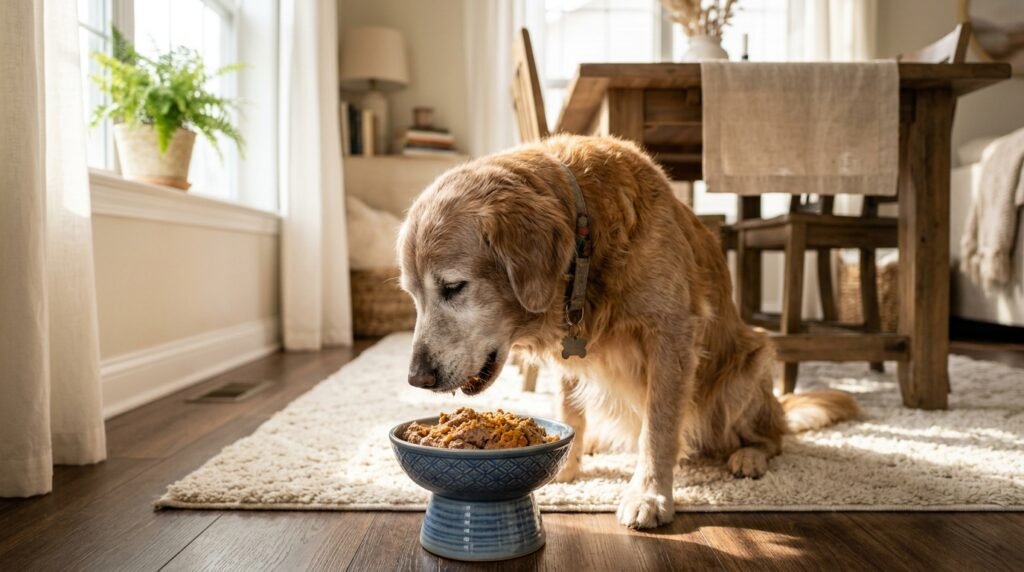
Watching your senior dog sniff their food bowl and turn away without eating is a distressing experience for any pet parent. As dogs enter their golden years, changes in appetite, declining olfactory senses, and dental decay can make chewing dry kibble painful and unappealing. Transitioning to or incorporating high-quality wet food for old dogs offers a nutritious, highly palatable solution that supports daily hydration and vital organ function.
Canned, pouch, and fresh wet dog foods provide a rich aroma, high moisture content, and soft texture that make mealtime enjoyable for aging pets. Additionally, wet diets deliver concentrated animal protein and essential fatty acids without requiring strenuous chewing.
In this comprehensive guide, you will learn the primary health benefits of wet food for senior dogs, explore key ingredient criteria, discover feeding techniques for picky eaters, and understand how wet diets support long-term organ health.
Why Appetite and Chewing Change in Senior Dogs
To address mealtime struggles effectively, it is essential to understand what happens inside an aging dog’s mouth and olfactory system.
As dogs age, their sense of smell naturally dulls. Because taste in dogs is tied directly to scent, a dry piece of kibble may smell unappetizing to a senior dog. Furthermore, periodontal disease, fractured teeth, and inflamed gums make crunching hard kibble extremely painful.
According to veterinary dental studies, over 80 percent of dogs past age eight suffer from some degree of active periodontal disease. Soft wet food eliminates mechanical pressure on sore teeth, allowing senior dogs to eat comfortably without fear of pain.
Key Health Benefits of Wet Food for Aging Pets
Incorporating wet food into your senior dog’s daily routine offers several distinct physiological advantages:
- Superior Hydration Support: Wet food contains up to 78 percent moisture, helping maintain fluid balance and supporting aging kidney function.
- Enhanced Palatability and Aroma: Warming wet food releases strong meaty aromas that stimulate dulling appetites.
- Gentle on Sensitive Gums and Decayed Teeth: Smooth textures prevent mouth trauma and gum bleeding.
- Higher Lean Protein Concentration: Delivers essential amino acids to protect muscle mass without extra carbohydrates.
- Lower Caloric Density by Volume: High water content allows larger, satisfying meal portions with fewer total calories.
1. Hydration Support for Aging Kidneys
Kidney function naturally declines as dogs enter their senior years, making adequate hydration a top medical priority.
Senior dogs often drink less water than their bodies require due to joint stiffness that makes walking to the water bowl painful. Feeding a wet diet provides natural fluid intake with every bite, reducing the risk of urinary tract infections, bladder stones, and kidney stress.
To learn more about managing kidney health, explore our guide on old dog kidney disease signs and care.
2. Supporting Dental Comfort and Gum Health
Chewing hard kibble with receding gums or loose teeth causes sharp pain that leads to food avoidance.
Wet food eliminates the need for forceful crushing, allowing dogs with severe dental loss or oral tumors to swallow comfortably. For dogs recovering from tooth extractions, wet food provides safe nutrition during healing.
Pairing soft meals with routine oral care is vital. Read our complete advice on old dog dental care.
3. Maintaining Lean Muscle Mass with Quality Protein
Aging dogs require higher levels of digestible protein to prevent sarcopenia, the age-related loss of muscle mass.
Wet foods typically feature higher protein levels and fewer grain fillers compared to standard dry kibble. Look for real meats like deboned turkey, lamb, salmon, or chicken listed as the primary ingredient.
Strong muscle mass supports aging joints and maintains stability during walks. Learn how protein supports body condition in our guide on senior dog weight management.
4. Enticing Picky Eaters and Inappetent Seniors
Senior dogs suffering from cognitive decline or chronic illness often develop picky eating habits.
Warming wet food in the microwave for 5 to 10 seconds amplifies natural meat aromas, signaling safety and appetizing flavors to your dog’s brain. Mixing a spoonful of wet food as a topper over kibble entices hesitant dogs to eat their full meal.
5. Managing Calorie Intake for Weight Control
Because water contributes weight and volume without adding calories, wet food helps manage weight safely.
An overweight senior dog can eat a satisfying volume of wet food while consuming fewer total calories than a smaller portion of dense dry kibble. For comprehensive dietary strategies, check out our guide on low calorie senior dog food.
Wet Food vs. Dry Kibble Comparison
| Nutritional Parameter | Standard Dry Kibble | Premium Wet Senior Food | Senior Health Advantage |
|---|---|---|---|
| Moisture Content | 10–12% | 75–78% | Protects kidney & bladder health |
| Protein Digestibility | Moderate | High (Real Meats) | Preserves lean muscle mass |
| Textural Resistance | Hard / Crunchy | Soft / Pate or Stew | Prevents dental & gum pain |
| Aromatic Intensity | Low | High (Enhanced Scent) | Stimulates weak appetite |
| Carbohydrate Load | 30–50% | 5–15% | Reduces unnecessary starch intake |
How to Select the Best Wet Food Formula
Not all canned foods offer equal nutritional value. Use these evaluation rules when selecting wet food for your senior dog:
- Check the First Ingredient: Ensure specific animal protein (chicken, turkey, beef, salmon) is listed first, not meat by-products or water.
- Review Phosphorus and Sodium Levels: Choose moderate to low phosphorus levels to protect aging kidneys.
- Look for Added Functional Nutrients: Opt for formulas containing omega-3 fatty acids for joint relief and prebiotic fiber for gentle gut digestion.
- Verify NASC or AAFCO Compliance: Confirm the label states the food is formulated for adult maintenance or senior care.
To balance your dog’s feeding routine, consult our guide on senior dog feeding schedules and portion timing.
Transitioning Your Dog to a Wet Diet Safely
Switching diets too quickly can cause digestive upset or loose stools. Follow a gradual 7-day transition plan:
- Days 1–2: 75% current food, 25% new wet food
- Days 3–4: 50% current food, 50% new wet food
- Days 5–6: 25% current food, 75% new wet food
- Day 7: 100% new wet senior food
Veterinary guidelines from VCA Animal Hospitals recommend storing opened cans in the refrigerator and using them within 3 days.
Frequently Asked Questions
#### Can I mix wet food with dry kibble for my senior dog?
Yes. Mixing wet food with kibble (“topping”) enhances aroma and moisture while maintaining kibble texture benefits. Adjust total amounts to prevent overfeeding.
#### Does wet food cause soft stools in senior dogs?
Sudden diet changes can cause temporary soft stool. Introduce wet food gradually over seven days to allow gut bacteria to adapt smoothly.
#### Is canned wet food better than fresh refrigerated dog food?
Both canned wet food and fresh refrigerated options provide excellent moisture and quality protein. Fresh foods often contain fewer preservatives, while canned foods offer longer shelf life.
#### How long can wet food sit in a dog’s bowl safely?
Discard any uneaten wet food left at room temperature after 2 hours to prevent bacterial growth and spoilage.
#### Does wet food cause dental plaque buildup?
While wet food does not scrape teeth, kibble provides minimal dental cleaning benefits as well. Daily tooth brushing and dental wipes remain necessary regardless of diet type.
#### Should I warm wet food before serving it to an old dog?
Yes. Warming wet food for a few seconds in the microwave enhances scent and makes the texture softer, which entices picky or visually impaired senior dogs.
Nourishing Your Senior Dog with Care
Incorporating high-quality wet food into your senior dog’s diet provides vital hydration, protects sore teeth, and entices fading appetites. By selecting nutrient-dense formulas and transitioning gradually, you ensure your loyal companion enjoys wholesome, painless meals throughout their golden years.