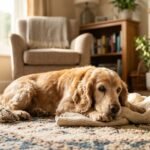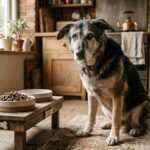


You find your gray-muzzled companion standing in the corner of the kitchen, staring blankly at the wall as if waiting for a doorway to open. Later that night, they pace back and forth across the hardwood floor, whimpering softly in the dark.
Moments like these are heartbreaking for any pet owner. When an older dog begins forgetting house rules or getting trapped behind familiar doors, families naturally ask: do dogs get dementia, or is this simply part of normal canine aging?
The short answer is yes. Canine Cognitive Dysfunction (CCD), often referred to as dog dementia, is a real neurodegenerative disorder that mirrors Alzheimer’s disease in humans. Recognizing the early behavioral indicators allows you to start supportive therapies that preserve precious quality time together.
Quick Answer:
Dogs do get dementia, clinically diagnosed as Canine Cognitive Dysfunction (CCD) or Cognitive Dysfunction Syndrome (CDS). Affecting nearly one in three dogs over eleven years old, CCD is caused by toxic beta-amyloid plaque buildup, brain tissue atrophy, and reduced cerebral circulation. Common signs include disorientation, wandering, nighttime pacing (sundowning), forgetting housetraining, and social withdrawal. While incurable, medications like selegiline, dietary medium-chain triglycerides (MCTs), and environmental adjustments slow progression.
Key Takeaways:
- Clinical Reality: CCD is an organic brain disease sharing striking biological similarities with human Alzheimer’s disease.
- The DISHA Framework: Veterinarians assess Disorientation, Interactions, Sleep-wake cycles, Housetraining loss, and Activity changes to gauge severity.
- Medical Rule-Outs: Arthritis, kidney disease, vision loss, and endocrine disorders can mimic cognitive decline and require professional screening.
- Early Support: Combining prescription therapies, brain-fuel diets rich in MCT oils, and rigid daily routines dramatically improves comfort.
What Happens to the Canine Brain During Cognitive Decline?
Just like human brains, canine brains change physically as birthdays pass. In dogs affected by cognitive dysfunction, microscopic proteins called beta-amyloid fragments misfold and clump together into toxic plaques.
These amyloid plaques accumulate inside brain parenchyma and along cerebral blood vessels. Over time, the plaques trigger chronic neuroinflammation, restrict oxygen delivery to cerebral tissue, and accelerate the death of vital neurons.
As cortical brain mass slowly atrophies, levels of crucial neurotransmitters drop. Dopamine, which controls mood and motor function, and acetylcholine, which regulates memory and learning, deplete significantly.
Cellular mitochondria also lose their efficiency over time, generating high levels of toxic free radicals. These unstable oxygen molecules damage delicate nerve membranes in a continuous process called oxidative stress.
Microscopic strokes and tiny calcifications within small cerebral vessels further impair circulation to the frontal cortex and hippocampus. As these vital regions shrink, your dog gradually loses the biological ability to process spatial orientation and recall learned behaviors.
According to veterinary neurology studies from the Cornell University College of Veterinary Medicine, canine dementia closely parallels human Alzheimer’s disease, making early clinical intervention crucial for slowing cognitive decline.
The DISHA Diagnostic Framework: Key Warning Signs
Because dogs cannot tell us they feel foggy or confused, veterinary behaviorists developed the DISHA acronym. This clinical checklist groups cognitive symptoms into five observable behavioral categories.
| DISHA Category | Observable Senior Dog Behaviors | At-Home Support Strategy |
|---|---|---|
| D – Disorientation | Staring blankly at walls, getting trapped in corners, standing at the wrong side of doors | Keep furniture in fixed positions; block tight spaces with gates |
| I – Interactions | Clingy neediness or uncharacteristic withdrawal; no longer greeting family members | Offer calm, gentle physical contact without forcing interaction |
| S – Sleep-Wake Cycles | Sleeping heavily all day, then pacing, panting, or vocalizing through the night (sundowning) | Use gentle nightlights, structured bedtime routines, and vet-approved calming aids |
| H – Housetraining Loss | Accidents indoors shortly after walks; failing to signal at exterior doors | Schedule frequent potty breaks every two to three hours; use washable pads |
| A – Activity Changes | Repetitive aimless pacing, compulsive licking, or loss of interest in walks and play | Engage with gentle snuffle mats and low-impact sensory strolls |
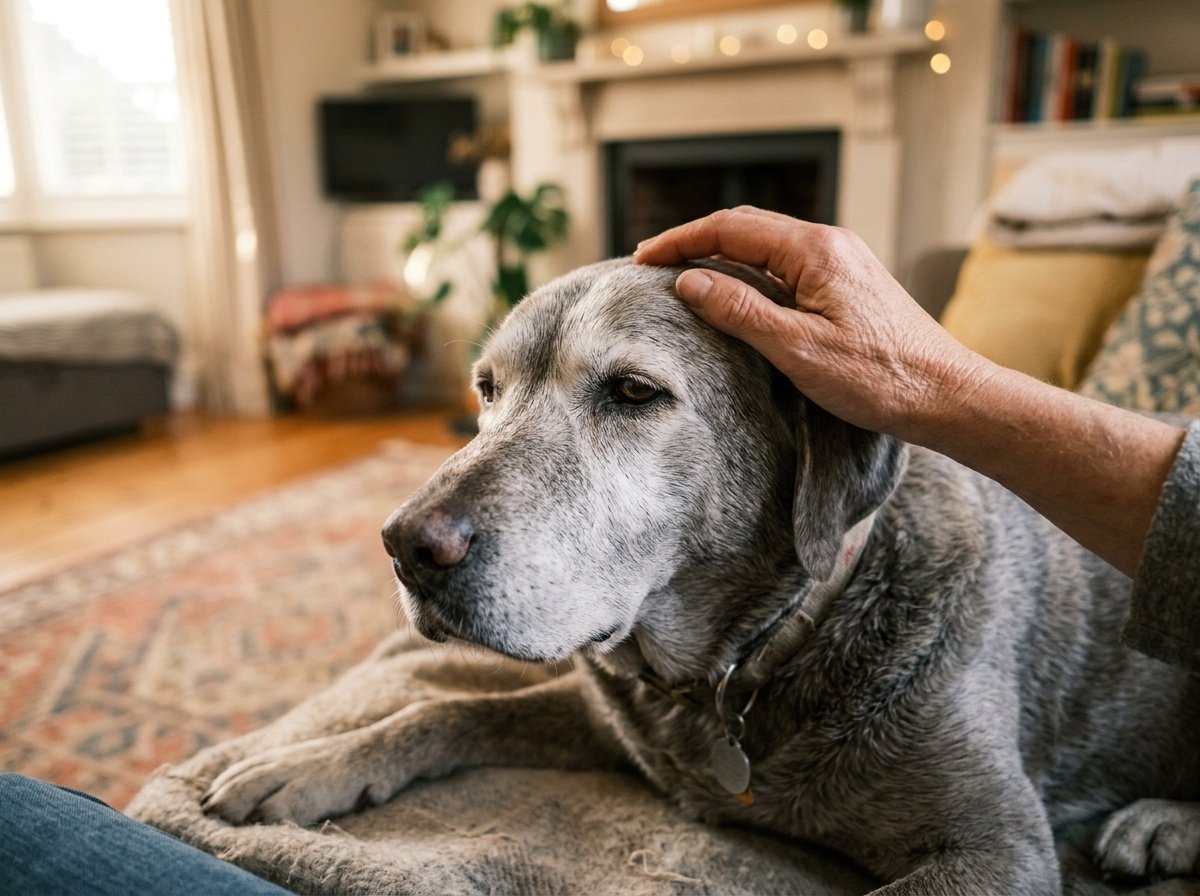
Breaking Down the Five Signs of DISHA in Daily Life
Recognizing how these symptoms appear in your living room helps you spot cognitive decline long before severe disorientation sets in.
1. Disorientation in Familiar Spaces
Disorientation is frequently the first sign owners notice. An older dog may walk into the bathroom and stand behind the door, unable to figure out how to back up and turn around.
You might see them stand at the hinge side of an exterior door waiting for it to open. Some dogs stop recognizing their food bowls or stare intently at empty baseboards as if watching something invisible.
2. Altered Social Interactions
Dementia alters a dog’s emotional personality. A companion who spent a decade glued to your side may suddenly become distant, spending hours sleeping in an empty spare bedroom.
Conversely, other dogs become intensely anxious and velcro-like, panicking whenever you step into another room. Some dogs lose bite inhibition or growl when startled because they no longer recognize familiar hands reaching out to pet them.
3. Disruptions in Sleep-Wake Cycles (Sundowning)
The internal master clock within the brain relies on melatonin and retinal light cues to regulate sleep. When cognitive decline damages these pathways, sleep patterns flip upside down.
Your dog may sleep peacefully through loud daytime household activity, only to wake up at two in the morning. They wander the hallways, pant anxiously, and scratch at doors while the house is dark.
4. Loss of Housetraining Memory
Housetraining loss in cognitive dysfunction is not spiteful behavior. The neural connection between bladder fullness and the learned signal to go outside simply breaks down.
Your dog may spend thirty minutes exploring the backyard, step back inside onto the living room rug, and immediately squat to urinate. They often look puzzled or guilty afterward because their cognitive control has slipped away.
5. Changes in General Activity Levels
Some senior dogs develop repetitive motor rituals. They pace fixed geometric paths through the house, circle in one direction, or lick furniture fabric until it is soaked through.
Other dogs show profound apathy. They stop greeting you at the front door, ignore favorite toys, and show little interest in the sights and smells of their neighborhood walks.
Disorientation and Sundowning: The Nighttime Struggle
One of the most challenging manifestations of canine dementia is sundowning syndrome. As ambient daylight fades into dusk, confused dogs often become visibly agitated, restless, and disoriented.
Loss of circadian clock control causes affected dogs to sleep deeply through morning and afternoon hours. When darkness falls and human family members try to sleep, the dog wakes up fully confused, pacing hallways and whining at empty spaces.
For actionable steps on managing evening agitation, explore our specialized guide on sundowners in dogs and evening calming steps.
If your pet’s sleep disruptions are keeping the whole house awake, review our companion resource on old dog restlessness at night.
Medical Rule-Outs: Conditions That Mimic Dementia
Before assuming that unusual behaviors stem purely from dementia, your veterinarian must perform a detailed medical workup. Several common senior dog ailments present identical symptoms.
Chronic orthopedic pain from severe osteoarthritis frequently causes senior dogs to pace relentlessly at night. When lying down produces throbbing ache in hips and elbows, an older dog stands and walks simply to escape the pain.
Nuclear sclerosis and mature cataracts diminish eyesight, while progressive hearing loss isolates dogs from household cues. A pet who fails to greet you or gets startled when touched may simply have lost their vision or hearing.
Systemic conditions like chronic kidney disease, diabetes mellitus, and Cushing’s disease cause dramatic increases in thirst and urination, leading to indoor accidents that look like cognitive housetraining lapses.
Systemic hypertension, or high blood pressure, damages tiny cerebral blood vessels and causes sudden bouts of disorientation. Intracranial tumors, such as benign meningiomas, also create behavioral changes that closely copy cognitive decline.
Guidelines established by the American Veterinary Medical Association emphasize that senior pets require routine metabolic blood testing and blood pressure checks to distinguish physical illness from behavioral decline.
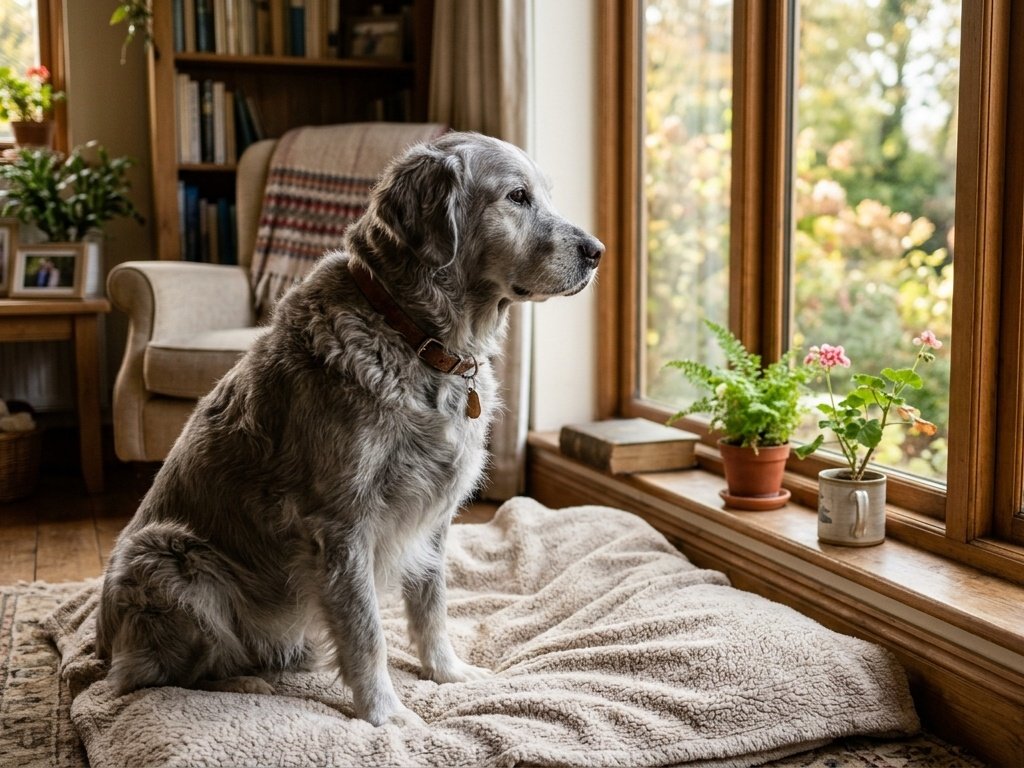
Veterinary Medications and Nutritional Brain Therapies
While veterinary science cannot reverse brain atrophy, modern multimodal therapy significantly slows down plaque accumulation and boosts neural communication.
1. Prescription Medical Therapies
The primary FDA-approved pharmaceutical for canine cognitive dysfunction is selegiline hydrochloride, sold under the brand name Anipryl. Selegiline is a selective monoamine oxidase B (MAO-B) inhibitor.
By preventing the rapid breakdown of dopamine, selegiline enhances transmission between surviving neurons and reduces oxidative free radical damage. Clinical responses vary, but many dogs show marked improvements in alertness and sleep patterns within four to eight weeks.
2. Medium-Chain Triglyceride (MCT) Diets
Aging brains experience reduced glucose metabolism, leaving neurons starved for energy. Medium-chain triglycerides, found naturally in coconut and palm oils, provide ketone bodies that bypass impaired glucose pathways.
These ketones serve as an alternate direct energy source for aging brain cells. Specialized veterinary diets, such as Purina Pro Plan NeuroCare or Bright Mind, incorporate enhanced botanical oils to sharpen alertness and improve memory recall.
3. Neuroprotective Supplements
Antioxidant therapy plays a central role in mitigating cellular damage. Diets fortified with Vitamins E and C, beta-carotene, selenium, and omega-3 fatty acids (EPA and DHA) protect cell membranes from lipid peroxidation.
Supplements containing S-adenosylmethionine (SAMe) support cellular methylation and glutathione synthesis in both the liver and central nervous system. Apoaequorin, a calcium-buffering protein derived from jellyfish, helps maintain healthy intracellular calcium balance in aging brain cells.
For nighttime restlessness, veterinarians often suggest low-dose melatonin given thirty to forty-five minutes before sunset. Melatonin resets internal circadian rhythms and gently eases twilight anxiety without heavy sedation.
Clinical data compiled in the Merck Veterinary Manual confirms that combining antioxidant diets with environmental enrichment yields far superior cognitive outcomes compared to single-agent therapies.
Adapting Your Home for a Dog with Dementia
Modifying your living environment reduces daily stress for a disoriented pet. Simple physical adjustments help your dog feel safe and grounded in their familiar surroundings.
First, maintain rigid consistency in your household routine. Feed meals, go on outdoor potty breaks, and turn out bedroom lights at the exact same times every single day. Predictability provides immense emotional security for a foggy mind.
Second, avoid rearranging living room furniture. A dog with combined vision loss and dementia relies on muscle memory to navigate rooms. Moving a coffee table or couch creates sudden obstacles that cause fear and panic.
Third, install low-wattage warm nightlights in hallways, near the dog bed, and beside the water station. Complete darkness disorients dogs with cognitive decline and triggers severe midnight pacing.
Lay down textured non-slip rugs across slick hardwood or tile paths to prevent slipping. Block narrow gaps behind sofas, laundry hampers, and open doors with baby gates so your companion never gets wedged into tight corners.
Consider setting up a dedicated safe haven room. Furnish this space with an orthopedic bed, absorbent pads, a non-tip water dish, and familiar-smelling blankets so your pet has a secure sanctuary when home alone.
To establish a peaceful daily schedule, review our detailed guide on senior dog daily routine and comfort schedule.
Frequently Asked Questions
At what age do dogs usually get dementia?
Canine Cognitive Dysfunction typically appears in dogs aged nine years and older, with incidence rising steeply as pets advance in age. Veterinary studies indicate that roughly twenty-eight percent of dogs aged eleven to twelve years show at least one sign of cognitive impairment. By fifteen to sixteen years of age, nearly sixty-eight percent of canines exhibit measurable signs of cognitive decline.
What is the life expectancy of a dog with dementia?
Dementia itself is rarely directly fatal, but it is a progressive neurodegenerative disease. Most senior dogs live one to two years following their initial clinical diagnosis. Long-term prognosis depends on how well home modifications, dietary adjustments, and medications preserve their day-to-day comfort and sleep quality.
How do veterinarians test for dog dementia?
Veterinarians diagnose canine dementia primarily through clinical history, behavioral symptom checklists like DISHA, and thorough physical examinations. Because no single blood test confirms cognitive decline, your vet will perform senior bloodwork, urinalysis, blood pressure screening, and orthopedic evaluations to rule out underlying pain, kidney failure, or metabolic illnesses.
Can you reverse or cure canine cognitive dysfunction?
No, there is currently no cure for canine dementia, and lost brain tissue cannot be regenerated. However, starting multimodal management early slows down disease progression substantially. Combining prescription selegiline, MCT-rich diets, antioxidant supplements, and environmental structure helps restore mental clarity and stabilizes daily sleep patterns.
When is it time to consider euthanasia for a dog with dementia?
Considering end-of-life care becomes necessary when severe cognitive decline permanently strips away your dog’s dignity, comfort, and connection to their world. Persistent panic, unmanageable vocalizing, complete loss of mobility, or an inability to rest despite medical intervention indicate that quality of life has deteriorated. To assess your companion objectively, consult our senior dog quality of life checklist.
Cherishing Your Senior Companion Through the Fog
Caring for a dog with dementia tests your patience, emotional strength, and resilience. Cleaning up midnight accidents and soothing an anxious companion in the dark is undeniably exhausting.
Remind yourself that your dog is not acting out on purpose. Their confusing behaviors are the result of biological changes in their aging brain, and they still depend entirely on your gentle guidance to feel secure.
Celebrate the quiet, sunny mornings when their tail still wags and their recognition shines through. With compassionate home adaptations and proactive veterinary guidance, you can help your faithful friend navigate their final years with comfort, dignity, and love.
Authority and Research Reference Map
Internal Guidance:
- sundowners in dogs and evening calming steps: Managing dusk pacing, anxiety, and twilight confusion.
- old dog restlessness at night: Diagnostic breakdown of pain, sensory decline, and sleep shifts.
- senior dog daily routine and comfort schedule: Establishing structured schedules for cognitive stability.
- senior dog quality of life checklist: Evaluating comfort and dignity using the HHHHHMM scale.
External Authoritative Veterinary Sources:
- Cornell University College of Veterinary Medicine: Neurobiology of canine cognitive dysfunction and beta-amyloid accumulation.
- American Veterinary Medical Association: Senior pet cognitive health screening, metabolic rule-outs, and caregiver support.
- Merck Veterinary Manual: Clinical pharmacology of selegiline, nutritional interventions, and environmental enrichment.