
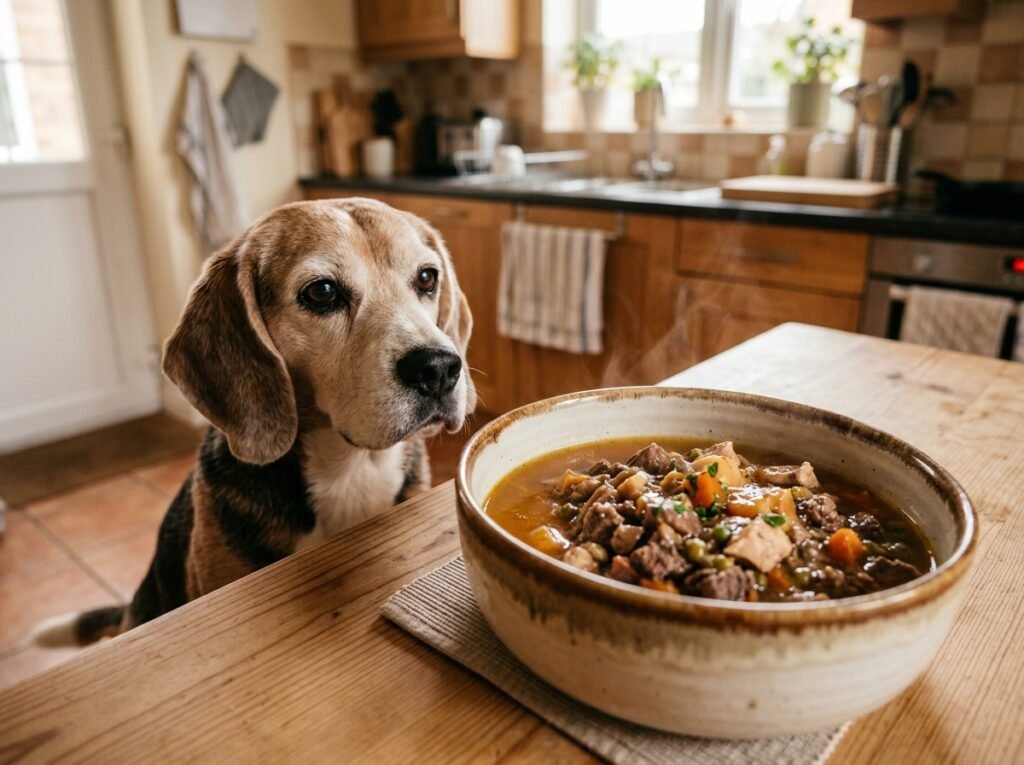
Switching your aging companion to a low fat dog food is one of the most effective dietary steps you can take to protect their pancreas, liver, and digestive comfort. You might notice your older dog suffering from periodic bouts of vomiting, experiencing painful stomach gurgling after meals, or gaining stubborn pounds that put heavy pressure on stiff, arthritic joints.
You wonder whether your dog’s current food contains too much dietary fat for their slowing metabolism and you worry about how to choose a truly low-fat formula that still provides plenty of lean protein and essential nutrients to maintain muscle mass.
Your concern is completely justified. As dogs enter their senior years, their metabolic rate slows down, and their digestive organs produce fewer digestive enzymes. High-fat commercial diets that your dog tolerated effortlessly in their youth can suddenly trigger painful acute pancreatitis, gastrointestinal flare-ups, or unhealthy weight gain. Feeding a carefully formulated low-fat senior diet keeps digestion smooth and energy steady.
Quick Answer:
Low fat dog food for senior dogs is formulated with a dry matter fat content under 10% (and under 8% for dogs with chronic pancreatitis) to prevent painful pancreatic inflammation, ease sensitive digestion, and manage healthy body weight. Senior dogs benefit most from diets that combine moderate, highly digestible lean proteins with prebiotic fiber while strictly limiting heavy oils and animal fats.
Key Takeaways:
- Target Fat Level: Look for foods with under 10% fat on a Dry Matter (DM) basis for general gut health, or under 8% DM fat for pancreatitis history.
- How to Read Labels: Always calculate Dry Matter fat to accurately compare wet food vs. dry kibble across different moisture levels.
- Key Medical Reasons: Acute or chronic pancreatitis, hyperlipidemia (high blood fats), lymphangiectasia, gallbladder mucoceles, and obesity.
- Transition Rule: Always transition to low-fat food slowly over 10 to 14 days to prevent stomach upset.
This guide explains why older dogs need lower-fat meals, how to calculate true dry matter fat percentages, the best vet-recommended low-fat diets, and safe feeding tips for senior comfort.
Why Senior Dogs Often Need a Low-Fat Diet
Dietary fat is a dense source of calories, providing more than twice the energy per gram compared to protein or carbohydrates. In active young dogs, dietary fat fuels intense exercise and maintains skin oils. However, in senior dogs past age eight, high fat levels present several health risks.
As dogs age, the pancreas produces fewer digestive enzymes (like lipase) needed to break down dietary lipids. When a high-fat meal enters the stomach, the pancreas must work overtime, releasing excessive digestive enzymes that can leak into surrounding tissue and cause severe auto-digestion and inflammation (pancreatitis).
| Health Condition | Recommended Dry Matter Fat % | Primary Dietary Goal |
|---|---|---|
| Chronic Pancreatitis | Under 8% to 10% DM Fat | Minimize pancreatic enzyme stimulation & prevent flare-ups |
| Hyperlipidemia (High Blood Fats) | Under 10% DM Fat | Lower circulating blood triglycerides & cholesterol |
| Sensitive Stomach & IBD | 10% to 12% DM Fat | Improve gastric emptying & reduce diarrhea or nausea |
| Senior Weight Management | 9% to 11% DM Fat | Reduce calorie density while preserving lean muscle mass |
Identifying your dog’s specific health needs ensures you choose the appropriate fat threshold. Let us explore the math required to read dog food labels accurately.
How to Calculate Dry Matter Fat: The Label Math
Pet food labels display guaranteed analysis numbers on an “as-fed” basis. Because canned wet food contains up to 78% water, while dry kibble contains only 10% water, comparing label numbers directly will lead to dangerous mistakes.
To compare foods accurately, you must remove the water content and calculate the percentage on a Dry Matter (DM) basis using this simple formula:
Dry Matter Fat % = (Label Fat % ÷ (100 − Label Moisture %)) × 100 For overweight senior dogs needing to shed pounds gently, explore our review of low calorie senior dog food.
Example 1: Dry Kibble with 8% Fat and 10% Moisture
First, subtract moisture: 100 − 10 = 90% dry matter.
Then divide: (8 ÷ 90) × 100 = 8.8% Dry Matter Fat.
Result: This is a safe, true low-fat diet for most sensitive senior dogs.
Example 2: Canned Wet Food with 3.5% Fat and 78% Moisture
At first glance, 3.5% looks extremely low. Let us do the dry matter math:
Subtract moisture: 100 − 78 = 22% dry matter.
Then divide: (3.5 ÷ 22) × 100 = 15.9% Dry Matter Fat.
Result: This wet food is actually moderate-to-high in fat and could trigger a painful pancreatitis attack in a sensitive dog!
5 Key Health Reasons for Low-Fat Senior Dog Food
1. Preventing and Managing Canine Pancreatitis
Pancreatitis is a severe, intensely painful inflammation of the pancreas. Once a dog experiences an acute pancreatitis attack, their pancreas remains sensitive for the rest of their life.
Feeding a low-fat diet containing under 10% dry matter fat is the single most important long-term therapy to prevent recurrent attacks.
2. Protecting Against Gallbladder Issues and Mucoceles
The gallbladder stores bile produced by the liver to help digest fats. When senior dogs eat high-fat foods, bile can become thick and sluggish, forming a gelatinous mass called a gallbladder mucocele.
Low-fat diets keep bile flowing freely and prevent painful gallbladder blockages.
3. Managing Hyperlipidemia (Elevated Blood Triglycerides)
Certain senior breeds, especially Miniature Schnauzers, Shetland Sheepdogs, and Beagles, are genetically prone to high circulating fat levels in the blood.
Hyperlipidemia puts dogs at high risk for secondary organ disease. Switching to a low-fat diet clears excess lipids from the bloodstream within weeks.
4. Easing Sensitive Stomachs and Acid Reflux
High-fat foods delay stomach emptying, allowing gastric acid to pool in the stomach for hours. This causes morning bile vomiting, stomach gurgling, and esophageal burning.
Low-fat diets digest quickly and move smoothly through the gastrointestinal tract. If your dog suffers from morning tummy upset, review our guide on senior dog not eating but drinking water for digestive solutions.
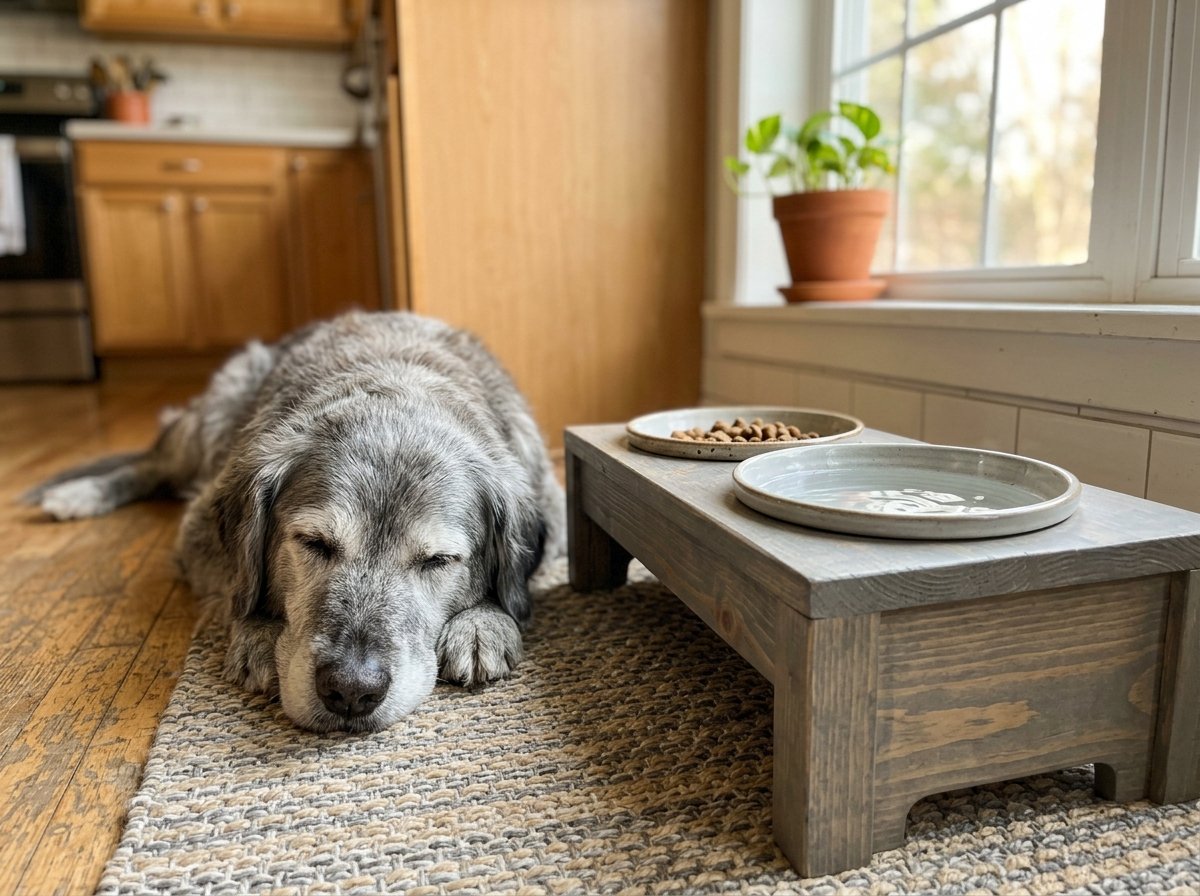
5. Healthy Senior Weight Control and Joint Relief
Every extra pound on an older dog places immense strain on arthritic hips and knees. Because fat contains 9 calories per gram (compared to 4 calories for protein and carbs), reducing fat lowers calorie density naturally.
A low-fat, high-fiber senior food allows your dog to enjoy a satisfying, full bowl of food while shedding unhealthy excess weight. If your dog struggles with stiff joints, read our companion guide on senior dog joint stiffness remedies.
Best Vet-Recommended Low-Fat Dog Foods
When selecting a low-fat diet, veterinary prescription formulas offer the highest quality control and guaranteed dry matter fat restriction.
1. Royal Canin Veterinary Diet Gastrointestinal Low Fat
- Dry Matter Fat: Approximately 7.5% (Dry Kibble) / 8.0% (Canned Wet)
- Key Features: Highly digestible proteins, prebiotic fibers (FOS), and Omega-3 fatty acids. Considered the gold standard for chronic pancreatitis management.
2. Hill’s Prescription Diet i/d Low Fat Digestive Care
- Dry Matter Fat: Approximately 8.3% (Dry Kibble)
- Key Features: Formulated with Hill’s ActivBiome+ prebiotic technology to nourish beneficial gut microbiome bacteria and ginger to settle nausea.
3. Purina Pro Plan Veterinary Diets EN Gastroenteric Low Fat
- Dry Matter Fat: Approximately 8.5% (Dry Kibble)
- Key Features: Contains coconut oil as a source of medium-chain triglycerides (MCTs), which provide energy without requiring heavy pancreatic enzyme breakdown.
According to nutritional guidelines published on PetMD’s guide on low-fat dog food benefits, consulting your veterinarian to confirm the correct calorie targets prevents unwanted muscle loss in aging dogs.
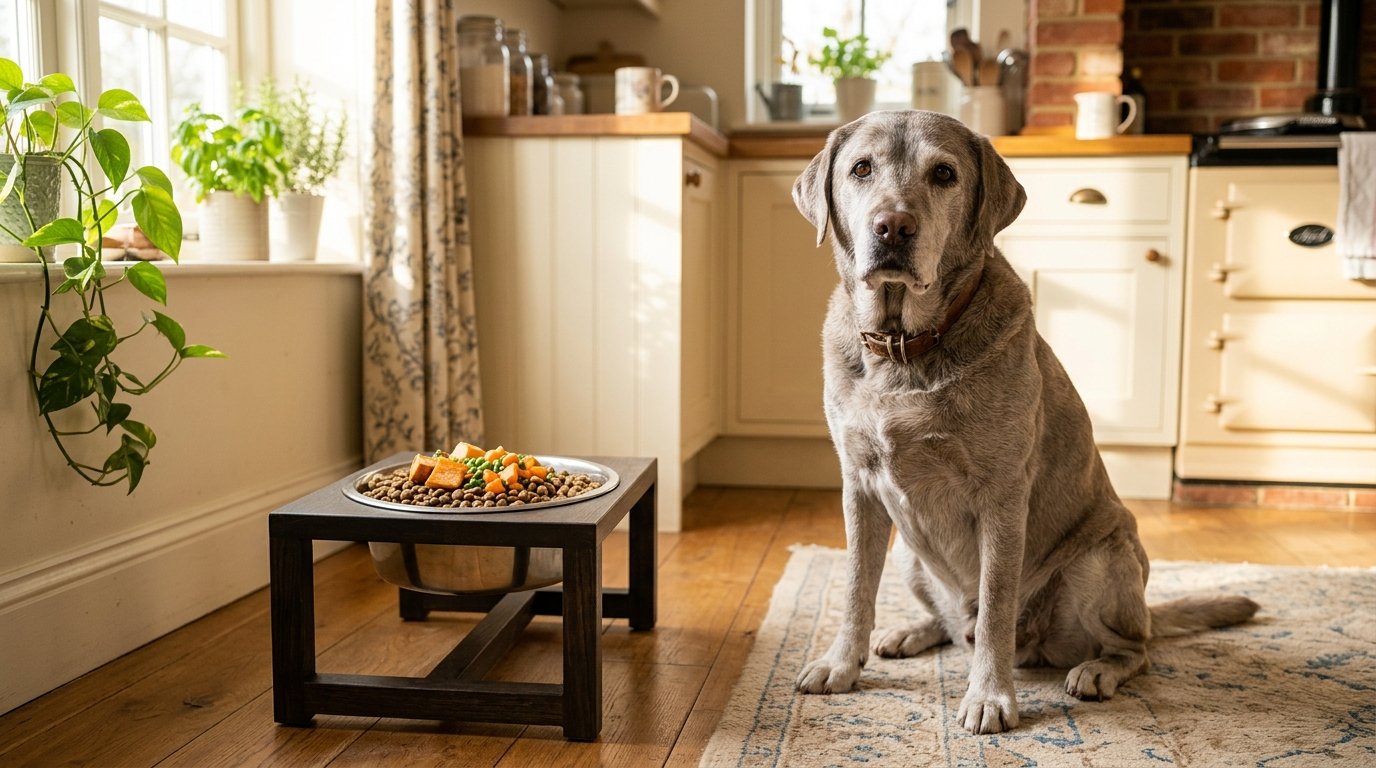
5 Practical Steps to Transition to Low-Fat Food
Step 1: Execute a Gradual 10-to-14-Day Transition
Sudden food switches cause digestive shock. Mix increasing portions of the new low-fat food with your dog’s current food over two full weeks:
- Days 1–3: 25% new low-fat food, 75% old food
- Days 4–7: 50% new low-fat food, 50% old food
- Days 8–10: 75% new low-fat food, 25% old food
- Day 11 onwards: 100% new low-fat food
Step 2: Feed Smaller, More Frequent Meals
Feeding one large meal floods the stomach and overstimulates pancreatic enzyme secretion.
Divide your dog’s total daily food portion into three or four small meals spaced evenly throughout the day. Smaller meals digest effortlessly and keep blood sugar levels steady.
Step 3: Eliminate High-Fat Table Scraps and Commercial Treats
A single piece of bacon, cheese, or hot dog can deliver enough fat to trigger an acute pancreatitis emergency.
Replace fatty commercial treats with healthy low-calorie options like plain canned pumpkin, cooked green beans, carrot slices, or freeze-dried chicken breast treats with zero added oils.
Step 4: Maintain High Moisture and Hydration
Adequate water intake aids enzymatic digestion and keeps stool soft.
Mix warm water or plain, unsalted bone broth into your dog’s kibble. Offering moistened food enhances aroma and makes chewing easier for senior teeth. For comprehensive senior routines, explore our guide on senior dog routine schedules.
Step 5: Monitor Weight and Body Condition Monthly
Older dogs must lose fat without losing critical lean muscle mass.
Weigh your dog every two to four weeks. You should be able to feel their ribs easily under a thin layer of fat without seeing individual bone points jutting out.
What Not to Do When Feeding Low-Fat Dog Food
Avoid these common nutritional pitfalls:
- Never Feed Low-Protein Diets for Fat Issues: Senior dogs need adequate high-quality protein to prevent muscle wasting (sarcopenia). Look for low fat, not low protein.
- Do Not Rely on Unchecked Commercial “Weight Loss” Foods: Some store-brand diet foods cut fat by adding excessive fibrous filler that causes loose stools and gas.
- Never Give Fatty Salmon Oil Drops Without Calculating: Adding multiple pumps of fish oil to a low-fat diet defeats the purpose. Use concentrated EPA/DHA capsules approved by your vet.
Frequently Asked Questions
What percentage of fat is considered low-fat in dog food?
On a dry matter basis, foods with under 10% fat are considered low-fat. For dogs recovering from severe acute pancreatitis, veterinarians often recommend ultra-low fat diets containing under 8% dry matter fat.
Can senior dogs eat low-fat food permanently?
Yes. Veterinary-formulated low-fat diets are 100% nutritionally complete and balanced for long-term adult and senior maintenance, providing all required vitamins, minerals, and amino acids.
What treats can I give a dog on a low-fat diet?
Safe low-fat treats include fresh baby carrots, steamed green beans, seedless apple slices, plain pure canned pumpkin, and single-ingredient freeze-dried turkey breast.
Will low-fat dog food cause muscle loss in older dogs?
Not if the food contains high-quality, easily digestible protein. Quality low-fat diets maintain protein levels while restricting heavy fats to protect organs and preserve lean muscle.
How do I know if my dog’s food has too much fat?
Signs of excess dietary fat include frequent bouts of yellow bile vomiting, greasy or loose stools, abdominal gurgling, and lethargy after eating.
Nourishing Your Senior Companion with Care
Transitioning your dog to a high-quality low fat dog food is a compassionate and proactive choice that protects vital digestive organs, eases joint burden, and restores daily comfort. By calculating dry matter fat percentages and offering small, consistent meals, you support your dog’s well-being for many joyful golden years.
Always collaborate with your veterinarian to assess your dog’s specific nutritional needs and monitor blood work. Review clinical recommendations from the American Veterinary Medical Association senior care FAQ to keep your companion thriving in comfort.