
Discovering that your sweet, house-trained senior companion is suddenly having indoor accidents from a dog UTI is a stressful and confusing situation. You notice your aging dog asking to go out to the yard every thirty minutes, squatting repeatedly to produce only a tiny trickle of urine, or licking their genital area constantly in discomfort.
You wonder if this sudden loss of bladder control is simply a normal sign of growing older and you worry whether your dog is experiencing an uncomfortable urinary tract infection or coping with an underlying metabolic condition like diabetes or kidney strain.
Your concern is completely natural. Urinary tract infections are among the most common and uncomfortable bacterial conditions affecting senior dogs, particularly aging females and dogs with chronic health issues. However, a UTI is not something you must accept as a normal part of aging. With a simple veterinary urinalysis, a short course of targeted antibiotics, and thoughtful daily hydration, your dog can find quick relief and return to peaceful comfort.
Quick Answer:
A dog UTI (Urinary Tract Infection) occurs when opportunistic bacteria travel up the urethra and multiply inside the bladder, causing inflammation, pain, frequent urination, blood in urine (hematuria), and sudden indoor accidents. Senior dogs are especially vulnerable due to reduced immune function, diabetes, or kidney changes. UTIs require veterinary-prescribed antibiotics to clear the infection and prevent dangerous kidney complications.
Key Takeaways:
- Primary Indicators: Frequent attempts to pee (pollakiuria), straining, pink-tinged urine, strong ammonia odor, and persistent genital licking.
- Why Seniors Get More UTIs: Weakened immune response, incomplete bladder emptying, diabetes mellitus, Cushing’s disease, or bladder stones.
- Standard Medical Plan: Veterinary urinalysis and culture followed by 7 to 14 days of targeted oral antibiotics and anti-inflammatories.
- Emergency Red Flag: Complete inability to pass urine, accompanied by severe pacing or vomiting, indicates a life-threatening blockage requiring immediate emergency care.
This guide explains why older dogs develop urinary tract infections, the seven most common signs to watch for, why UTIs happen more frequently in golden years, and practical home care steps to help your dog heal.
Why Urinary Tract Infections Are Common in Older Dogs
Under normal circumstances, your dog’s urinary system has natural defense mechanisms to keep bacteria away. The continuous flushing action of acidic urine, healthy immune antibodies in the bladder lining, and strong sphincter muscle tone prevent outside bacteria from taking hold.
In senior dogs, these natural defenses often weaken over time. Aging bladder walls lose elasticity, preventing the bladder from emptying completely during each bathroom break. Stagnant urine left behind inside the bladder creates an ideal warm environment for bacteria like E. coli, Staphylococcus, and Proteus to multiply rapidly.
| Urinary Symptom | Typical Underlying Condition | Recommended Action |
|---|---|---|
| Frequent squats with tiny urine drops | Bacterial Cystitis (Standard Bladder UTI) | Vet urinalysis and prescription antibiotics |
| Urine leaking involuntarily while asleep | Hormone-Responsive Sphincter Incontinence | Urinary incontinence medication (e.g., PPA / Incurin) |
| Pink or cloudy urine with strong foul odor | Severe Bladder Infection or Bladder Stones (Calculi) | Urine culture, bladder X-ray, or ultrasound |
| Excessive drinking with large clear urine puddles | Chronic Kidney Disease or Diabetes Mellitus | Comprehensive senior blood panel & glucose check |
Distinguishing a bacterial UTI from hormonal incontinence or kidney decline ensures your dog receives the right targeted treatment. Let us examine the seven main warning signs of a canine UTI.
7 Warning Signs of a Dog UTI
1. Frequent Urination in Small Amounts (Pollakiuria)
The most telltale sign of a UTI is a dramatic increase in how often your dog attempts to pee. Bladder inflammation makes nerve receptors hyper-sensitive, creating a false sensation of an overfull bladder.
Your dog will ask to go outside every 15 to 30 minutes. When they squat or lift a leg, they only produce a few tiny drops or a weak trickle before stopping.
2. Sudden House-Soiling Accidents in a Trained Dog
A senior dog who has been reliably house-trained for a decade does not suddenly forget their bathroom habits out of spite or misbehavior. Bladder spasms cause sudden, intense urgency that makes holding urine physically impossible.
Your dog may pee right in front of the door, on their sleeping bed, or in the hallway while walking toward you. Punishing a dog for UTI accidents only creates fear and anxiety.
3. Straining, Whining, or Arching During Urination (Dysuria)
Bacterial infection causes the urethra and bladder lining to become raw, red, and swollen. Passing acidic urine over inflamed tissue creates a sharp burning sensation.
Your dog may hold an awkward squat for several minutes, arch their back, whimper softly, or shift their feet uncomfortably while attempting to pee.
4. Cloudy, Dark, or Blood-Tinged Urine (Hematuria)
Healthy dog urine is a clear, pale-yellow liquid. When an infection takes hold, white blood cells, bacteria, and microscopic blood cells turn the urine cloudy, dark amber, or visibly pink.
You might notice small pink drops on snow outside, on white puppy pads, or on light-colored tile floors.
5. Strong, Foul, or Ammonia-Like Urine Odor
Certain bacteria like Proteus and Staphylococcus produce an enzyme called urease. This enzyme breaks down urea in the urine into ammonia, creating a pungent, harsh chemical odor.
If your dog’s urine smells unusually fishy, sour, or sharp, bacterial colonization is very likely.
6. Excessive Licking of the Genital Area
Dogs instinctively lick painful or itchy areas to seek relief. A dog suffering from a UTI will lick their vulva or penis repeatedly throughout the day and night.
You may notice the surrounding fur becomes wet, discolored, or reddened from continuous grooming.
7. Lethargy, Low Appetite, or Fever
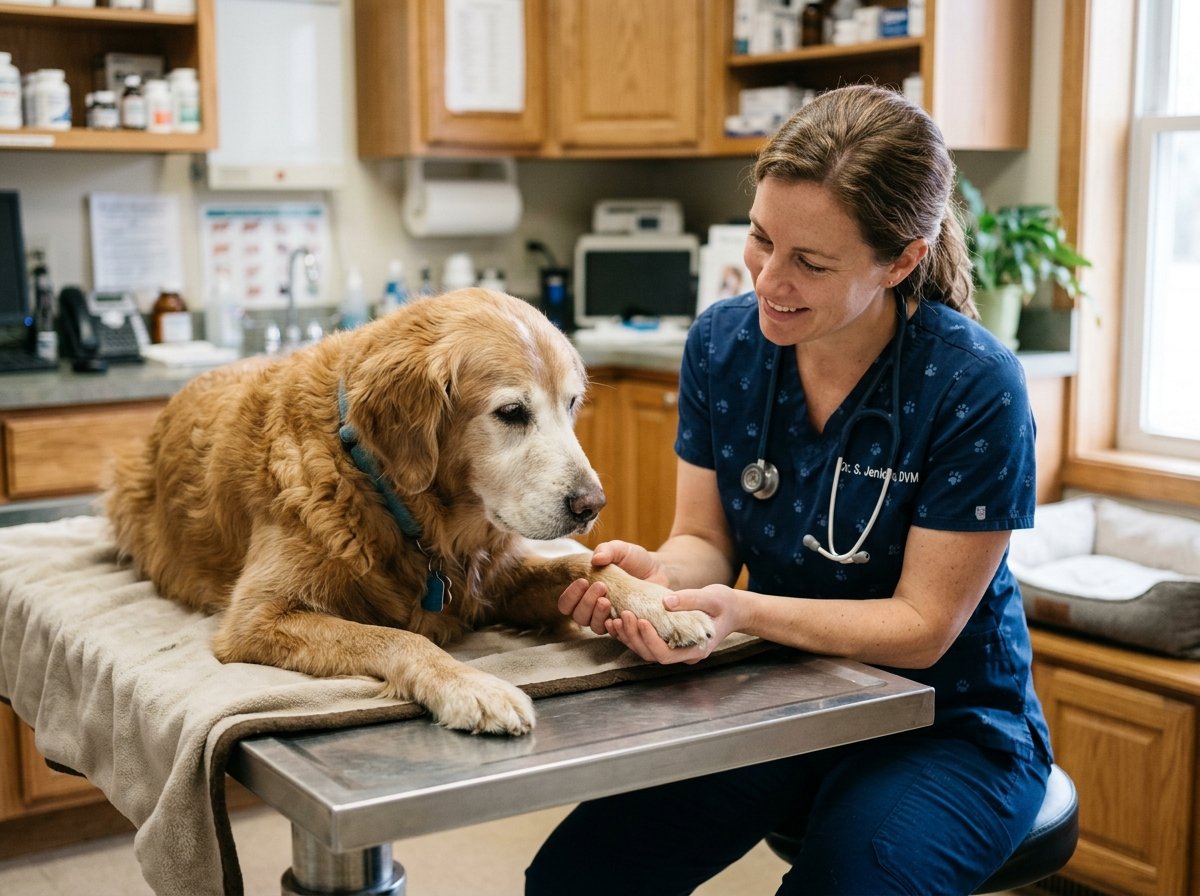
If bacteria begin traveling upward toward the kidneys (pyelonephritis), systemic symptoms will develop. Your dog may lose their appetite, become unusually tired, or run a mild fever.
If your older dog is also drinking excessive water while refusing dinner, review our guide on senior dog not eating but drinking water to identify systemic red flags.
Why Senior Dogs Are More Prone to UTIs
While dogs of any age can develop a bladder infection, senior pets face unique anatomical and health vulnerabilities that make UTIs far more frequent.
1. Underlying Diabetes Mellitus
Diabetic dogs have high levels of glucose (sugar) spilling over into their urine. Bacteria thrive on sugar, turning the bladder into an ideal breeding ground for rapid bacterial overgrowth.
2. Cushing’s Disease (Hyperadrenocorticism)
Cushing’s disease causes the body to produce excess cortisol, a natural steroid that suppresses the immune system and weakens the bladder’s natural antimicrobial defenses.
3. Chronic Kidney Disease
Kidneys in decline produce very dilute urine that lacks normal natural acidity and concentrated urea, both of which normally inhibit bacterial growth. If your dog has known renal issues, review our comprehensive breakdown on kidney failure in dogs.
4. Reduced Mobility and Inactivity
Senior dogs with painful arthritis or weak hips spend more time lying down and may hold their urine for hours to avoid the pain of standing up. Infrequent urination allows bacteria to ascend the urinary tract unchecked.
When to Call Your Vet: Emergency Red Flags
A simple lower urinary tract infection is highly treatable with antibiotics, but a urinary blockage is a life-threatening medical emergency.
| Symptom Combination | Required Veterinary Action |
|---|---|
| Frequent squats + Tiny urine output, eating normally | Schedule veterinary urinalysis within 24 hours |
| Pink-tinged urine + Mild straining, alert and active | Same-day veterinary appointment for urine test |
| Straining continuously + Zero urine produced + Crying | Immediate emergency clinic visit (suspected obstruction) |
| Urinary symptoms + High fever, vomiting, or collapse | Immediate emergency care (suspected kidney infection / sepsis) |
Schedule a prompt veterinary exam if:
- Your senior dog has had two or more indoor accidents in the last 48 hours.
- You notice a strong ammonia smell when cleaning up urine.
- Your dog is constantly licking their private area after coming inside.
Seek immediate emergency care if:
- Your male dog strains intensely but cannot pass even a single drop of urine.
- Your dog whimpers or screams in sharp pain when touching their lower belly.
- Urinary straining is accompanied by repeated vomiting and extreme weakness.
A complete urinalysis and urine culture let your vet choose the antibiotic that works against the specific bacteria. The Merck Veterinary Manual on urinary tract infections explains how urinary infections are diagnosed.
5 Safe Home Steps to Support a Senior Dog with a UTI
While awaiting your veterinary appointment and during antibiotic therapy, these five home steps will keep your dog comfortable and speed recovery.
Step 1: Administer the Full Course of Vet-Prescribed Antibiotics
Never stop giving antibiotics early just because your dog stops straining after day three. Stopping medication early allows the strongest bacteria to survive, leading to a severe, antibiotic-resistant relapse.
Common veterinary antibiotics for canine UTIs include amoxicillin-clavulanate (Clavamox), cephalexin, and enrofloxacin. Give medications with a small spoonful of food if they cause mild stomach upset.
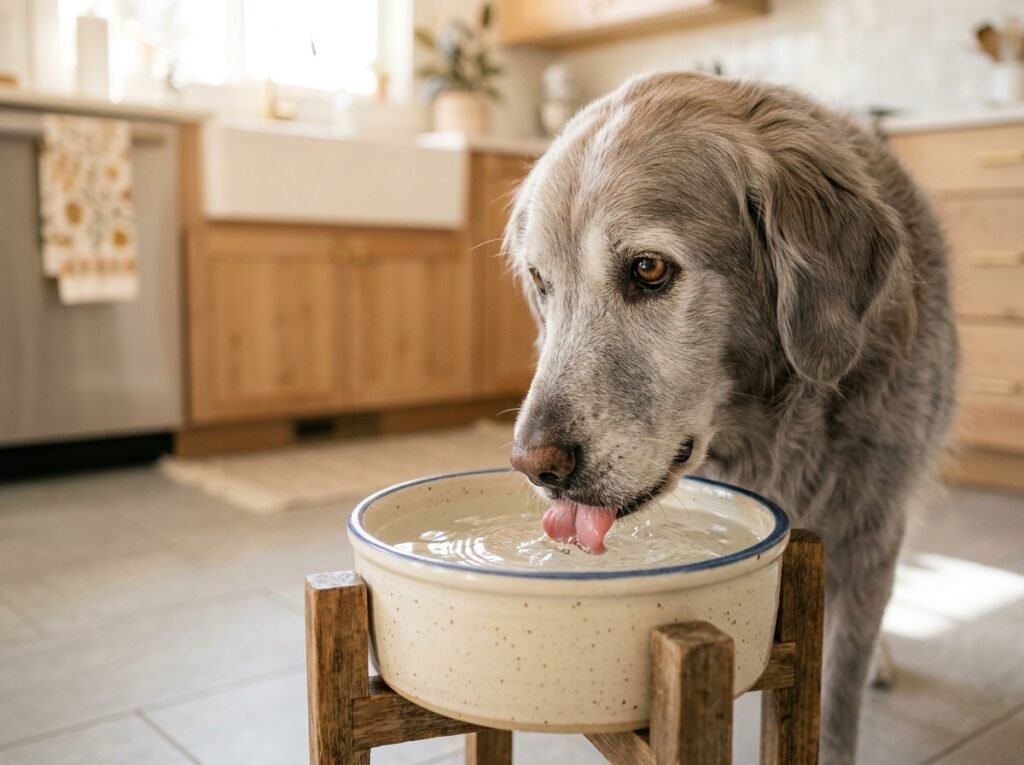
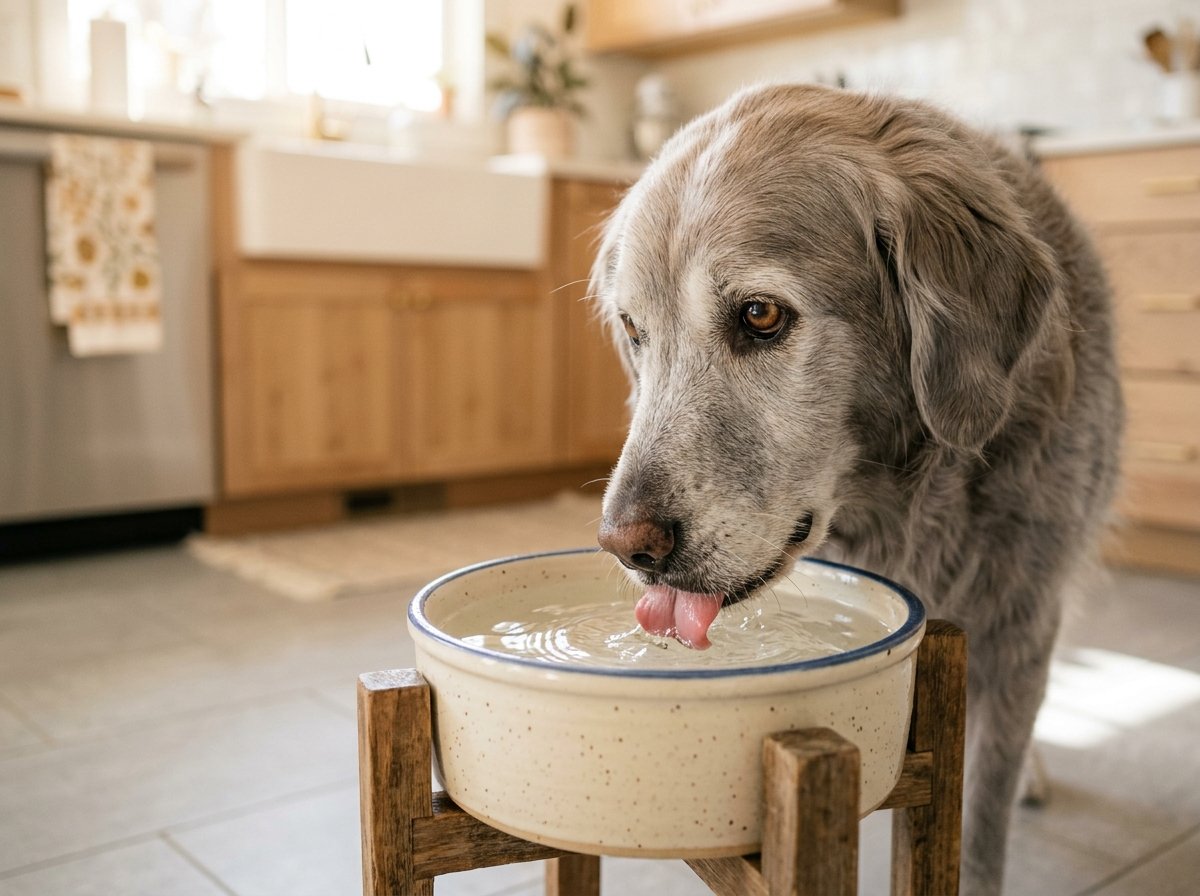
Step 2: Boost Daily Water Intake and Hydration
Flushing the bladder with fresh water is one of the most effective ways to wash away dead bacteria and inflammatory cells.
Add warm, unsalted plain bone broth or warm water to their wet food. Place multiple fresh water bowls around the house so your dog never has to walk far to drink.
Step 3: Provide Frequent, Low-Stress Outdoor Bathroom Breaks
Encourage your dog to empty their bladder regularly by offering short bathroom breaks every two to three hours during the day.
Frequent urination prevents urine from pooling in the bladder and gives bacteria less time to adhere to the bladder wall.
Step 4: Protect Indoor Areas with Washable Pads and Non-Slip Mats
Eliminate stress for both you and your dog by setting up convenient indoor bathroom zones during the healing phase.
Place large, absorbent washable pee pads near doors and beside their bed. Place non-slip rugs along slippery floors so your dog feels secure when squatting. Explore home comfort setups in our guide on keeping senior dogs comfortable.
Step 5: Discuss Veterinary Cranberry and D-Mannose Supplements
Ask your veterinarian about dog-specific urinary supplements containing D-mannose or cranberry extract (cranberry PACs).
D-mannose acts as a decoy molecule that binds to E. coli bacteria, preventing them from latching onto the bladder wall and allowing them to be flushed out naturally in the urine. Never give human cranberry juices, as they contain high sugar levels or toxic artificial sweeteners like xylitol.
What Not to Do When Caring for a Dog with a UTI
Avoid these common mistakes when managing urinary issues:
- Never Scold or Punish for Indoor Accidents: Accidents are caused by painful involuntary muscle spasms. Punishment causes intense anxiety and worsening health.
- Never Restrict Water to Prevent Accidents: Cutting off water concentrates urine, worsens bladder burning, and can trigger kidney damage.
- Never Use Human Over-the-Counter UTI Pills: Medications like phenazopyridine (AZO) are toxic to dogs and can cause irreversible red blood cell destruction (Heinz body anemia).
Frequently Asked Questions
Can a dog UTI go away on its own?
No. Bacterial urinary tract infections will not clear up without prescription veterinary antibiotics. Left untreated, the infection can travel up the ureters and cause severe kidney damage or bladder stones.
How long does it take for a dog to recover from a UTI?
Most dogs experience significant pain relief within 48 hours of starting antibiotics. However, the complete course of medication (typically 7 to 14 days) must be finished to eliminate the infection entirely.
How do vets test for a UTI in dogs?
Vets perform a urinalysis to check for white blood cells, red blood cells, bacteria, crystals, and urine pH. They may also run a urine culture and sensitivity test to determine the exact antibiotic needed.
What is the difference between a UTI and incontinence?
A dog with a UTI is awake, aware, and straining to pee frequently in small amounts. Incontinence occurs when a dog leaks urine passively and unconsciously while sleeping or resting, without straining.
Can cranberry juice cure my dog’s UTI?
No. Cranberry juice cannot cure an active bacterial infection. Commercial cranberry juices also contain high sugars and potentially toxic additives. Only vet-formulated supplements and antibiotics should be used.
Restoring Comfort to Your Senior Dog
Dealing with a dog UTI can be stressful, but with prompt veterinary diagnostics and targeted treatment, your senior pet can make a fast, complete recovery. By providing abundant fresh water, scheduling frequent outdoor breaks, and watching for early warning signs, you protect your golden companion’s health and comfort.
Always work closely with your veterinarian to diagnose urinary issues and create a safe care plan. Review official guidance from the American Veterinary Medical Association senior pet care FAQ to keep your pet happy and healthy throughout their golden years.