
Receiving a diagnosis of congestive heart failure in dogs is a heart-wrenching moment for any family. You notice your sweet senior dog coughing after waking up, tiring quickly during a short walk around the block, or breathing rapidly while sleeping peacefully on their rug.
You wonder what these subtle physical changes mean for your companion’s daily comfort and you worry about life expectancy and want to know exactly what steps you can take at home to keep your dog comfortable and stable.
Your concern is completely natural. Heart disease is one of the most common medical conditions affecting older dogs, particularly small breeds with leaky heart valves and large breeds with weakened heart muscles. However, a heart failure diagnosis is not an immediate end. Modern veterinary cardiology provides effective medications and home monitoring protocols that allow senior dogs to live comfortable, happy lives for months and years.
Quick Answer:
Congestive heart failure in dogs occurs when the heart can no longer pump blood efficiently, causing fluid to back up into the lungs (pulmonary edema) or abdomen. Key signs include chronic soft coughing, exercise intolerance, and a sleeping respiratory rate exceeding 30 breaths per minute. While incurable, heart failure is manageable with medications like pimobendan (Vetmedin) and diuretics (furosemide) alongside home breathing tracking. Most senior congestive heart conditions begin as an asymptomatic dog heart murmur. To understand how to monitor sleeping breath rates and differentiate panting from respiratory distress, review our comprehensive guide on dog breathing heavy in senior dogs.
Key Takeaways:
- Primary Triggers: Mitral Valve Disease (MVD) in small breeds or Dilated Cardiomyopathy (DCM) in large breeds.
- Most Critical Home Metric: Track Sleeping Respiratory Rate (SRR). A resting count consistently over 30 breaths/minute signals fluid buildup.
- Core Medical Plan: Inotrope medications (Pimobendan) to strengthen heart contractions and diuretics to clear lung fluid.
- Emergency Red Flags: Open-mouth breathing, blue/purple gums, fainting (syncope), or persistent nighttime coughing.
This comprehensive guide explains how canine heart failure develops, the four clinical ACVIM stages, vital warning signs, how to count resting breathing rates, and practical daily care strategies.
How Congestive Heart Failure Develops in Senior Dogs
The canine heart consists of four chambers designed to circulate oxygen-rich blood throughout the body. In senior dogs, two primary diseases cause heart function to decline:
- Myxomatous Mitral Valve Disease (MMVD): Most common in small to medium senior dogs like Cavalier King Charles Spaniels, Poodles, Chihuahuas, and Dachshunds. The valve between the left chambers thickens and fails to seal tightly, allowing blood to leak backward.
- Dilated Cardiomyopathy (DCM): Most common in large and giant breeds like Doberman Pinschers, Boxers, and Great Danes. The muscular heart walls stretch thin and become too weak to pump blood forward.
When blood leaks backward or pools in the heart, pressure increases in upstream blood vessels. This pressure forces liquid out of blood vessels into surrounding lung tissue (pulmonary edema) or into the belly (ascites), making breathing difficult.
| ACVIM Stage | Heart Status & Clinical Signs | Veterinary Management Focus |
|---|---|---|
| Stage A | High-risk breed, but no murmur or structural change | Routine annual wellness exams & heart listening |
| Stage B1 | Heart murmur present; no heart enlargement on X-ray | Monitoring without medications; recheck in 6–12 months |
| Stage B2 | Murmur + significant heart enlargement; no symptoms | Start Pimobendan (Vetmedin) to delay heart failure onset |
| Stage C | Active heart failure: coughing, fluid in lungs, rapid breathing | Pimobendan + Diuretics (Furosemide) + ACE Inhibitors |
| Stage D | Advanced heart failure resistant to standard medications | Specialized cardiology care; advanced multi-drug therapy |
Understanding these stages allows pet parents to act proactively long before fluid enters the lungs. Let us review the seven most common symptoms of canine heart failure.
7 Warning Signs of Congestive Heart Failure in Dogs
1. Soft, Persistent Coughing (Cardiac Cough)
A soft, hacking cough is often the first visible symptom of heart disease. In dogs, this cough frequently sounds like they are trying to clear their throat or gag up a hairball.
Cardiac coughing is caused by two mechanisms: an enlarged heart pressing upward against the main airway (trachea), or fluid building up inside lung air sacs. The cough typically worsens at night or right after your dog wakes up from a nap.
2. Elevated Sleeping Respiratory Rate (Above 30 Breaths/Min)
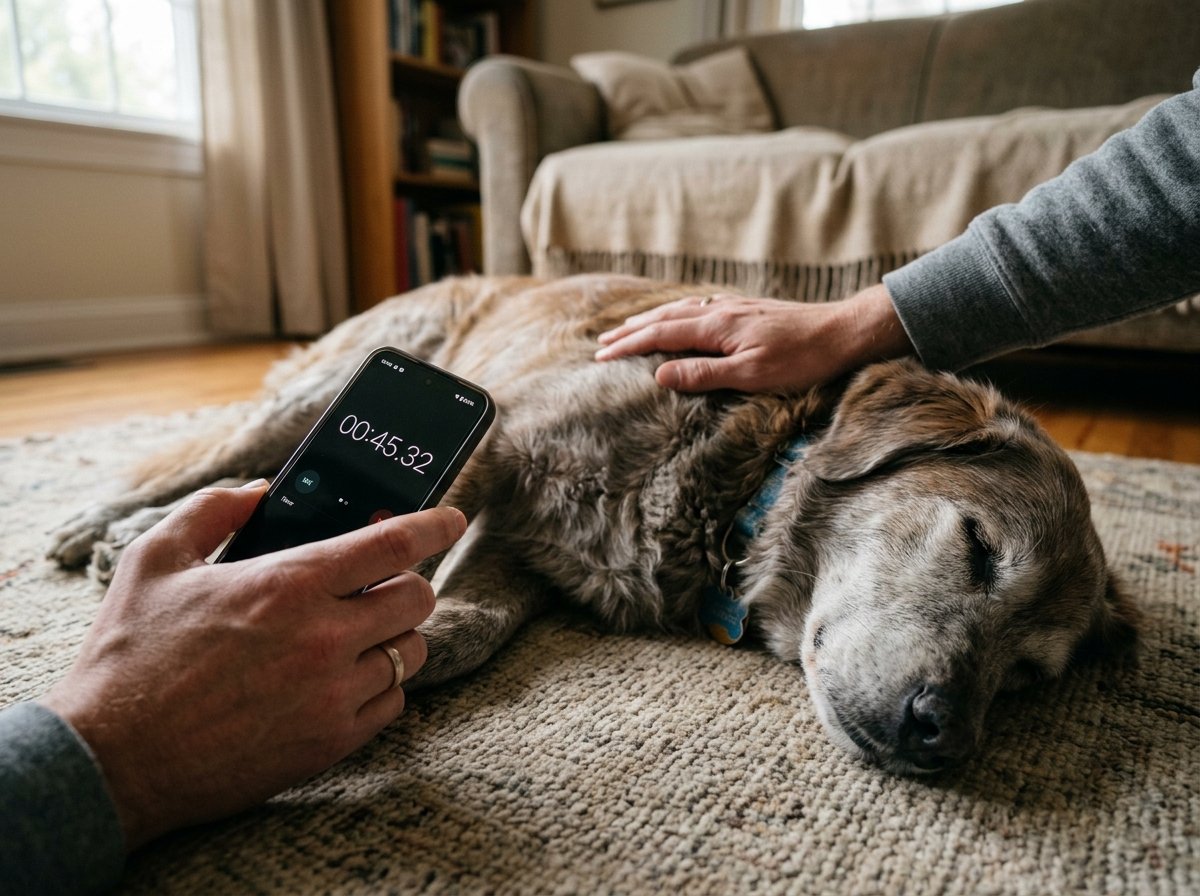
Tracking your dog’s breathing rate while they sleep is the single most reliable method to detect fluid in the lungs before an emergency develops.
A healthy sleeping dog takes between 15 and 25 smooth breaths per minute. When fluid accumulates in the lungs, the rate rises consistently above 30 breaths per minute.
3. Rapid Fatigue and Exercise Intolerance
When the heart cannot pump enough oxygen-rich blood to the muscles, your dog tires quickly during routine activities.
Your dog may sit down halfway through their normal walking route, lag behind on leash, or decline games of fetch. If your dog exhibits heavy breathing after slight exertion, read our guide on senior dog heavy breathing and panting to evaluate respiratory health.
4. Restlessness and Inability to Settle at Night
Fluid accumulation makes lying flat on their side uncomfortable, as fluid spreads across the lungs and restricts air flow.
Your dog may pace continuously around the room, sit with their elbows pointed outward, or shift sleeping positions every few minutes to keep their chest elevated.
5. Abdominal Swelling and Fluid Retention (Ascites)
In right-sided heart failure, blood pools in the veins returning from the body, forcing liquid to leak into the abdominal cavity.
Your dog’s belly will appear visibly distended, rounded, or pot-bellied, even while their spine and hips lose muscle mass. Vets can gently drain this fluid to provide immediate comfort.
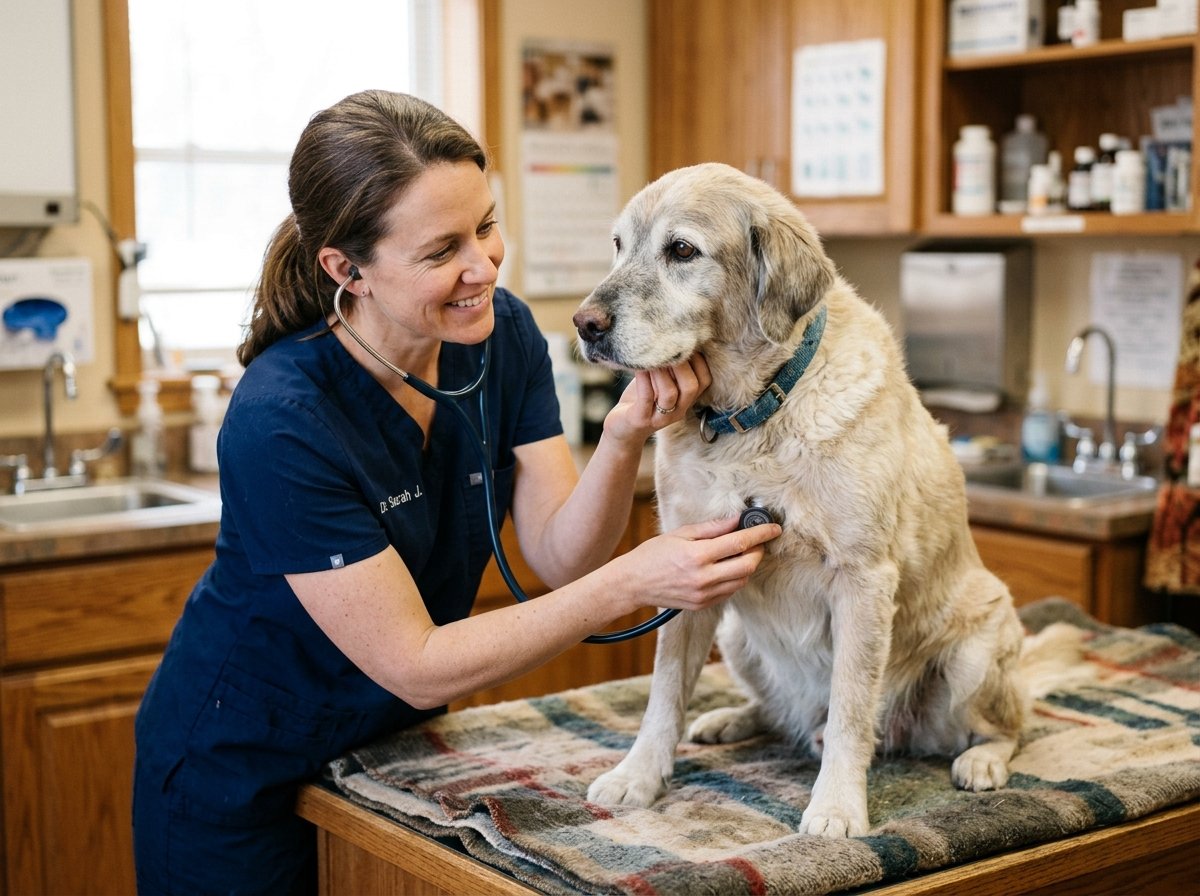
6. Pale or Bluish Gums and Tongue
Poor circulation reduces oxygen delivery to mucous membranes. Healthy gums should be a bright salmon pink.
If your dog’s gums appear light grey, whitish, or bluish-purple (cyanosis), their body is experiencing dangerous oxygen deprivation.
7. Sudden Fainting Spells (Syncope)
Syncope occurs when an irregular heart rhythm or drop in blood pressure temporarily starves the brain of oxygen.
Your dog may suddenly collapse onto their side, remain limp for a few seconds, and then stand back up, looking slightly dazed. Syncope can resemble a seizure but typically involves a faster recovery.
When to Call Your Vet: Emergency Red Flags
Heart failure can fluctuate quickly, requiring immediate veterinary hospital care when fluid levels rise.
| Symptom Combination | Required Action |
|---|---|
| Mild coughing after exercise + Normal resting breathing | Schedule vet exam for heart check within a few days |
| Sleeping breathing rate consistently 30–40 breaths/min | Contact your vet same-day to adjust diuretic dosages |
| Resting breathing rate over 40 breaths/min OR panting while cool | Immediate emergency clinic visit |
| Open-mouth breathing, bluish gums, or collapse | Immediate emergency oxygen therapy required |
Schedule a routine veterinary exam if:
- Your senior dog has a known heart murmur and has started coughing in the morning.
- Your dog is tiring faster than usual on mild daily walks.
- You notice a subtle increase in resting breathing rate over several days.
Seek immediate emergency veterinary care if:
- Your dog is breathing with an open mouth, outstretched neck, and flared nostrils.
- Your dog’s gums or tongue appear pale white or blue.
- Your dog collapses or coughs up pink, frothy liquid.
According to clinical guidelines on VCA Hospitals congestive heart failure overview, prompt administration of injectable diuretics and oxygen during acute crises saves canine lives.
How to Measure Sleeping Respiratory Rate (SRR) at Home
Measuring your dog’s sleeping respiratory rate is the easiest and most powerful tool you have to protect your dog’s heart health.
- Wait for Deep Sleep: Wait until your dog is lying down and completely asleep in a cool, quiet room (not dreaming, twitching, or panting).
- Count One Breath: Watch their chest rise and fall. One rise and one fall equals one full breath.
- Time 60 Seconds: Use the stopwatch on your phone to count the total number of breaths over 60 seconds (or count for 30 seconds and multiply by 2).
- Log Daily: Record the number daily in a notebook or smartphone app. If the count stays consistently under 30, fluid is controlled. If it climbs above 30 on consecutive days, notify your vet promptly.
5 Safe Home Steps to Support a Dog with Heart Failure
Combining modern veterinary medications with thoughtful home adjustments keeps your senior dog comfortable and active.
Step 1: Administer Prescribed Heart Medications Consistently
Modern cardiac management relies on three core drug classes:
- Inodilators (Pimobendan / Vetmedin): Strengthens heart muscle pumping and dilates blood vessels, significantly extending life expectancy.
- Diuretics (Furosemide / Torsemide / Spironolactone): Removes excess fluid from the lungs via urine.
- ACE Inhibitors (Enalapril / Benazepril): Relaxes blood vessels to lower blood pressure and reduce cardiac workload.
Never skip doses or alter medication amounts without consulting your veterinarian, as missing diuretics can cause fluid to return within 24 hours.
Step 2: Transition to Short, Gentle Sniffari Strolls
Strenuous exercise overtaxes a compromised heart, but complete inactivity leads to muscle loss.
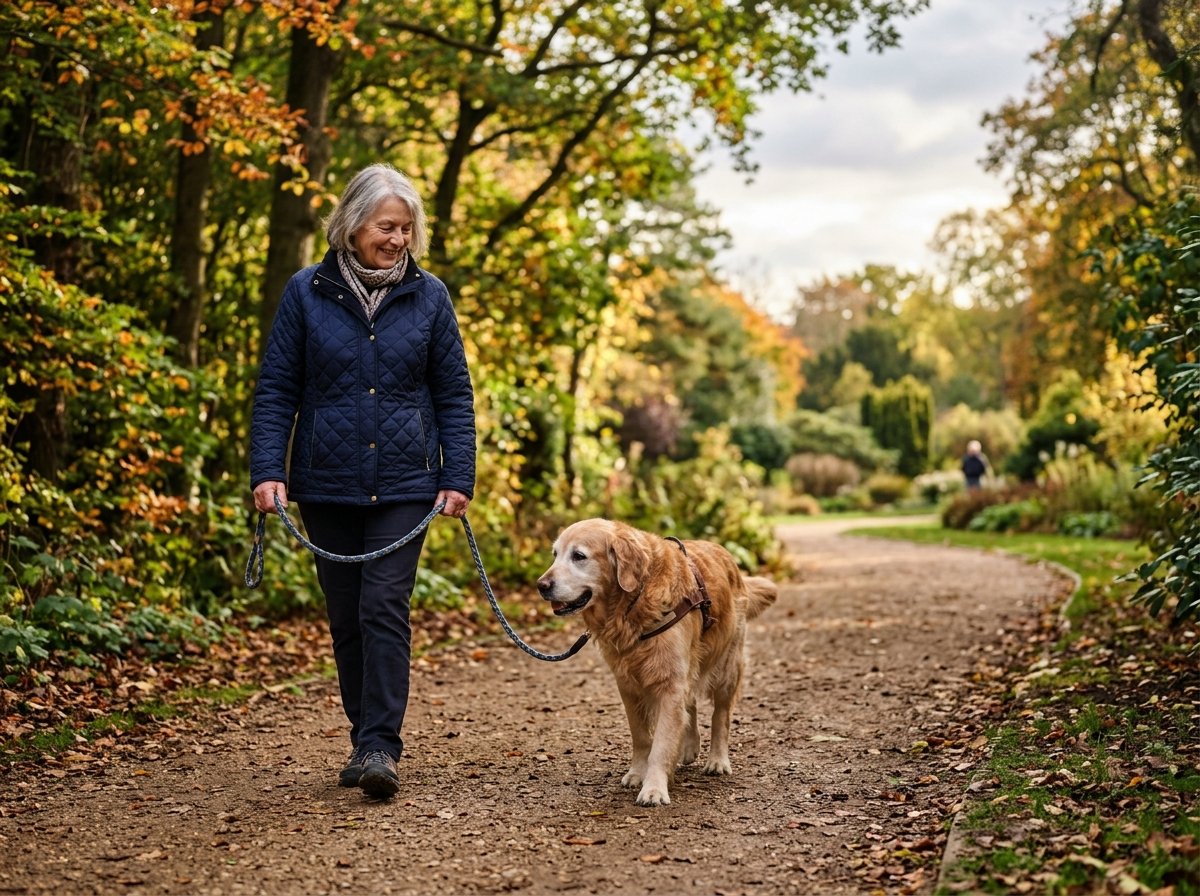
Replace long walks with two or three short, 10-minute slow strolls on flat ground. Let your dog sniff grass and explore at their own leisurely pace. Avoid walking during hot, humid afternoons, as heat stresses the cardiovascular system.
Step 3: Provide a Low-Sodium, High-Calorie Diet
Excess dietary sodium causes water retention, worsening fluid buildup in the lungs.
Avoid salty table scraps, processed cheeses, deli meats, and commercial treats high in salt. Feed a veterinary cardiac diet or a high-quality senior dog food enriched with Omega-3 fatty acids, L-carnitine, and taurine.
If your senior dog is losing weight due to cardiac cachexia, read our expert guide on how to help a senior dog gain weight safely.
Step 4: Keep Indoor Air Cool and Well-Ventilated
Senior dogs with heart failure are sensitive to humidity, smoke, and poor air quality.
Keep your home comfortably air-conditioned in summer and maintain good air flow. Avoid using strong aerosol sprays, scented candles, or wood-burning fireplaces near your dog’s resting spots.
Step 5: Create an Elevated, Supportive Sleep Setup
Sleeping with the head and chest slightly elevated allows gravity to keep fluid in the lower lungs, making breathing easier.
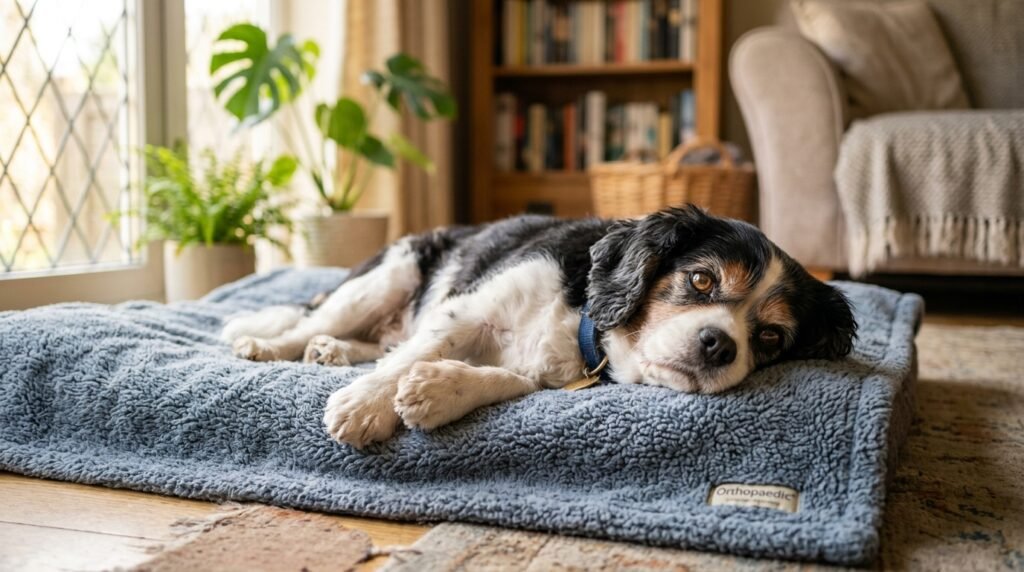
Provide a thick orthopedic memory foam bed with bolster pillows where your dog can rest their chin. Learn more home comfort ideas in our guide on keeping senior dogs comfortable.
What Not to Do for Dogs with Heart Failure
Avoid these common mistakes to protect your dog’s stability:
- Never Restrict Water Access: Dogs on diuretics need to drink more water to flush waste and avoid kidney strain. Always provide unlimited fresh water.
- Never Feed Salty Commercial Treats: Rawhides, hot dogs, and cured meats contain massive sodium levels that trigger fluid flare-ups.
- Never Walk in Extreme Heat: High heat forces the heart to work overtime to cool the body, which can trigger acute cardiac collapse.
Frequently Asked Questions
What is the life expectancy of a dog with congestive heart failure?
Life expectancy varies by stage. Dogs in Stage B2 who start pimobendan often live for years without symptoms. Once in Stage C (active fluid), most dogs live comfortably between 6 months and 2 years with diligent medication management.
Can congestive heart failure in dogs be cured?
No. Canine heart failure is a progressive, irreversible condition. However, modern medications effectively control fluid buildup, reduce coughing, and maintain excellent quality of life.
Why is my dog coughing more at night?
When a dog lies down flat, fluid distributes across the lungs, triggering the cough reflex. An enlarged heart also rests heavier against the trachea during sleep.
How do diuretics help dogs with heart failure?
Diuretics like furosemide stimulate the kidneys to excrete excess water and sodium through urine, drawing fluid out of the lungs and allowing easy breathing.
How will I know when my dog with heart failure is suffering?
Signs of declining quality of life include continuous labored breathing, inability to rest comfortably, severe food refusal, frequent fainting, and profound weakness. Work closely with your vet to evaluate daily comfort.
Cherishing Your Dog’s Golden Heart
Caring for a dog with congestive heart failure requires attentiveness and love, but modern veterinary care offers wonderful tools to keep your companion comfortable. By tracking daily sleeping breaths, administering medications faithfully, and enjoying gentle strolls, you can share many peaceful moments together.
Always collaborate closely with your veterinarian or a board-certified veterinary cardiologist to tailor care. Review official guidance from the American Veterinary Medical Association senior care FAQ to support your loyal friend throughout their golden years.