
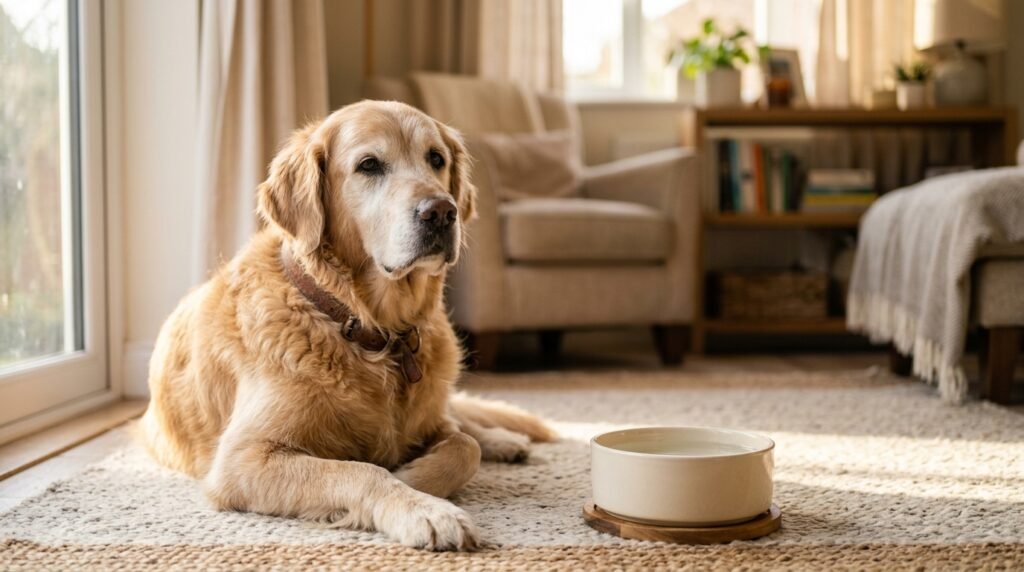
It is heartbreaking when your senior dog walks away from their dinner bowl. You fill their dish with their favourite meal, but they just turn their head. Yet, you notice they keep walking over to the water dish to lap up fresh water. Seeing a senior dog not eating but drinking water leaves almost every dog owner feeling anxious and helpless.
You wonder if your ageing companion is simply feeling picky today. You worry whether this appetite loss points to something far more serious.
Your instinct to pay close attention is completely right. In an older dog, appetite is one of the most reliable daily health meters. When a senior dog stops eating, their body is trying to tell you something important.
The good news is that drinking water shows their thirst drive is still working. That hydration buys you a small window of time to evaluate the situation calmly.
This guide walks you through why an aging dog refuses food while still drinking. You will learn the seven most common causes, the warning signs that require a vet visit, and soft home steps to support your dog safely.
Why Is Your Senior Dog Drinking Water But Refusing Food?
Food refusal paired with normal or increased thirst is a specific pattern in older dogs. When a dog drinks water, swallowing is easy and requires minimal effort. Eating food, however, requires chewing, stomach acid processing, and active digestion.
When a health issue creates mouth pain, nausea, or bodily exhaustion, dogs naturally avoid solid food. They continue to drink water because dehydration triggers a strong survival impulse.
| Symptom Pattern | Likely Primary Triggers |
|---|---|
| Drinks water, ignores food | Dental pain, nausea, kidney strain |
| Licks food then stops | Mouth ulcers, cracked tooth, gum sore |
| Sniffs food and backs away | Systemic nausea, liver or kidney issue |
| Stands over bowl, whines | Neck pain, arthritis, bowl height |
| Drinks excessively | Kidney disease, diabetes, Cushing’s |
Understanding this difference helps you identify where your dog is experiencing discomfort. Let us examine the seven main reasons behind this behaviour.
7 Causes of Senior Dog Not Eating But Drinking Water
1. Severe Dental Pain and Periodontal Disease
Dental trouble is the single most common reason an older dog refuses kibble. Over 80% of dogs over age three suffer from some form of gum disease. By age ten or twelve, tartar buildup can cause deep infection around root beds.
Chewing hard food with a cracked tooth or inflamed gums creates sharp pain. Water, on the other hand, glides past sore teeth without pressure. Your dog wants the energy from food, but the mechanical act of chewing hurts too much.
Watch your dog closely when you present a soft treat. If they drop it or lick it cautiously, their mouth is likely the source of trouble.
2. Kidney Disease and Metabolic Nausea
Kidney function naturally declines as dogs enter their golden years. The kidneys filter metabolic waste products from the bloodstream. When kidney function drops, toxin levels slowly rise in the blood.
This accumulation of waste creates constant, subtle nausea. It feels very similar to a persistent stomach bug in humans.
Kidney disease also increases thirst. The body attempts to flush out toxins by drinking extra water. This creates the classic combination of heavy water drinking alongside total food refusal.
If your dog is losing weight alongside appetite changes, read our guide on why your old dog is getting skinny to spot early metabolic signs.
3. Arthritis and Neck or Back Strain
We often think of arthritis as a hip or leg problem. However, joint degeneration frequently affects the spine and neck vertebrae in older dogs.
Bending down to floor level to reach a food bowl places heavy strain on a stiff neck and sore front legs. If eating causes physical ache, your dog may choose to skip meals entirely.
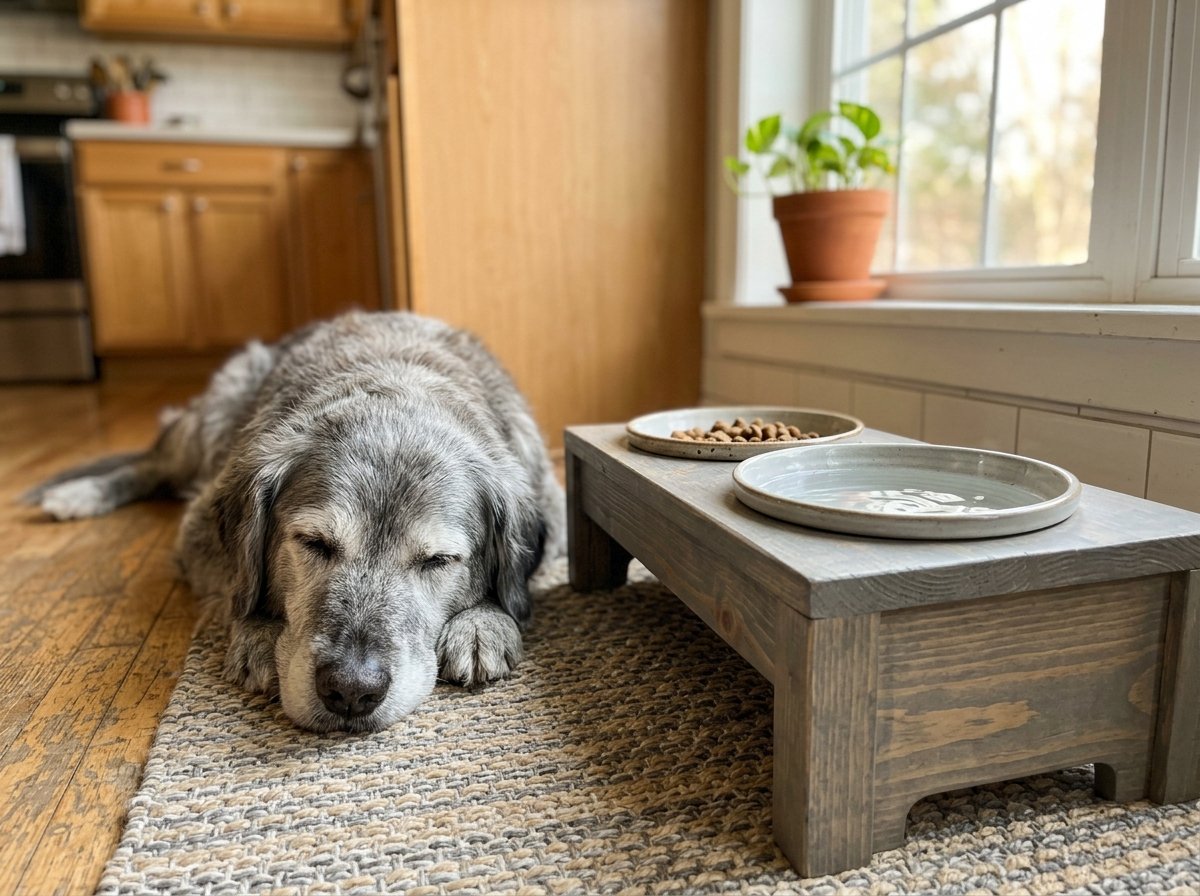
Drinking water requires only a quick dip of the tongue. Meals take several minutes of continuous stooping. If your dog hesitates over their bowl, elevated feeding dishes can make an immediate difference.
4. Medication Side Effects and Antibiotic Upset
Many senior dogs take daily prescription medications. Non-steroidal anti-inflammatory drugs for joint pain, heart medications, or antibiotics can upset the gastric lining.
If your dog started a new medication within the last week, stomach irritation is a strong suspect. Medications often cause mild gastritis, taking away their appetite while leaving thirst intact.
Never stop a prescribed medication without calling your veterinarian first. Your vet can often adjust the dosage or add a gentle stomach protector.
5. Gastrointestinal Inflammation or Pancreatitis
Pancreatitis is an inflammation of the pancreas that causes intense abdominal pain and severe nausea. It often occurs after an older dog eats a fatty meal or unexpected table scrap.
A dog with pancreatitis will feel far too nauseous to touch food. Yet, their mouth may feel dry, prompting them to lap small amounts of water.
Pancreatitis requires prompt medical care. Sudden digestive upset with appetite loss in a senior dog should always be checked by a vet. The VCA guide to appetite loss in dogs explains common causes of a poor appetite.
6. Canine Cognitive Dysfunction (Dog Dementia)
Cognitive changes affect many dogs past the age of ten. Dementia can disrupt simple daily habits that were once automatic.
A dog with cognitive decline may walk up to their food bowl, look at it, and seem to forget what to do next. They might wander away without taking a bite.
Water drinking often remains an instinctual reflex. If your dog seems disoriented or paces in the evening, cognitive changes may be playing a role.
7. Stress, Grief, or Household Routine Changes
Senior dogs thrive on predictable daily routines. They are far more sensitive to emotional and environmental shifts than younger dogs.
A recent house move, a boarding stay, or the loss of a fellow pet can cause emotional shutdown. Grief and anxiety cause a spike in stress hormones, which directly shuts down stomach contractions.
During periods of stress, a dog will continue to drink water to stay hydrated while refusing solid meals for a day or two.
When to Call Your Vet: Urgent Red Flag Checklist
While staying hydrated buys time, senior dogs have fewer physical reserves than young dogs. You should not adopt a wait-and-see approach for more than 24 hours.
| Timeline / Condition | Required Veterinary Action |
|---|---|
| No food for 24 Hours | Schedule a non-emergency vet check |
| No food for 48 Hours | Must be seen by a vet today |
| Diabetic dog skips 1 meal | Call emergency vet immediately |
| Appetite loss + Vomiting | Same-day veterinary evaluation |
| Appetite loss + Pale Gums | Emergency clinic visit right away |
Contact your vet within 24 hours if:
- Your senior dog has missed two consecutive meals.
- Your dog shows subtle weight loss or noticeable muscle wasting.
- Your dog smells bad from the mouth or drools excessively.
Seek immediate emergency care if you notice:
- Repeated vomiting or watery diarrhea alongside food refusal.
- Pale, white, or sticky gums instead of healthy pink.
- Marked lethargy, inability to stand, or sudden collapse.
- A hard, swollen, or painful abdomen when touched.
- Heavy breathing or panting while resting.
If you are evaluating your dog’s overall well-being, reviewing our senior dog quality of life checklist offers a structured way to track health changes.
5 Safe Steps to Encourage Your Senior Dog to Eat
While you arrange a veterinary checkup, you can try gentle home adjustments to coax your senior dog to eat. Never force food into your dog’s mouth, as this can create food aversion and increase the risk of choking.
1: Warm Up Wet Food to Heighten Smell
An older dog’s sense of smell naturally fades over time. Cold food straight from the refrigerator lacks an enticing aroma.
Place a portion of wet canned food into a glass bowl. Warm it in the microwave for five to eight seconds until it reaches body temperature.
Warming releases aromatic fats that stimulate the olfactory nerves. Always stir the food thoroughly and test it with your finger to ensure there are no hot spots.
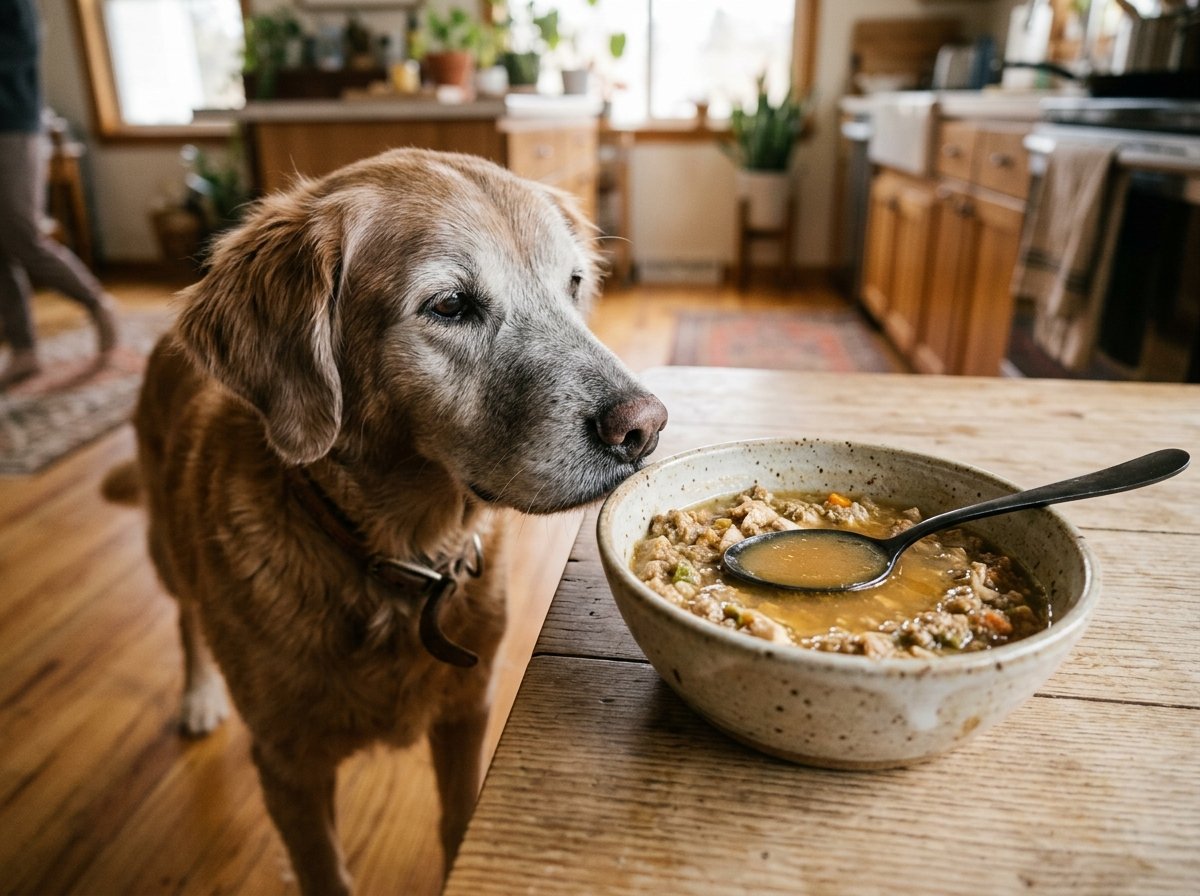
2: Add Warm Plain Bone Broth or Warm Water
Hard dry kibble can feel like chewing stones to a dog with dental soreness or sensitive gums.
Pour warm, low-sodium plain bone broth over your dog’s food. Ensure the broth contains no onion, garlic, or excessive salt.
Let the kibble sit for ten minutes until it absorbs the liquid and becomes soft like oatmeal. The rich broth smell encourages licking, which is easy on sore teeth.
3: Elevate Food and Water Bowls
If neck pain or arthritis makes reaching down uncomfortable, raise the dishes to shoulder height.
You can purchase an adjustable bowl stand or simply place their dish on a sturdy box. Position the bowl so your dog can eat with their neck straight and front paws comfortably planted.
Place a non-slip rug under their feeding station. Slipping on slick hardwood floors while trying to eat creates anxiety and physical strain.
4: Offer Small, Frequent Hand-Fed Meals
A large bowl packed with food can feel overwhelming to a nauseous older dog.
Offer a small bite of soft food directly from your hand. Hand feeding provides gentle emotional reassurance and breaks down the hurdle of approaching the bowl.
If your dog accepts one small bite, offer another a few minutes later. Four or five tiny meals throughout the day are much easier on an ageing stomach than one large dish.
For detailed feeding strategies to rebuild lost strength, explore our guide on how to help a senior dog gain weight safely.
5: Create a Quiet, Stress-Free Eating Zone
Senior dogs digest food best when they feel completely secure. Household noise, excited younger pets, or busy foot traffic can make an older dog retreat.
Move your dog’s feeding station to a quiet room away from main hallways. Keep younger pets in a separate area so your senior dog never feels rushed or defensive over their food.
According to VCA Hospitals feeding guidelines, a calm eating space is essential for senior pets recovering from appetite loss.
What Not to Do When Your Senior Dog Refuses Food
When we worry about our pets, it is easy to make well-intentioned mistakes. Here are three common pitfalls to avoid:
- Avoid Rich Human Table Scraps: Offering bacon, cheese, or rich meats can trigger severe pancreatitis or worsen kidney stress.
- Do Not Force-Feed with a Syringe: Forcing liquid food into an uncooperative dog’s mouth can cause aspiration into the lungs, leading to pneumonia.
- Do Not Constantly Switch Brands: Changing food types every few hours confuses your dog’s digestive system and can trigger diarrhea.
Frequently Asked Questions
How long can a senior dog go without eating if drinking water?
A senior dog can physically survive three to four days on water alone, but you should never wait that long. Senior dogs lose muscle mass rapidly and can develop metabolic imbalances. If your senior dog skips food for 24 hours, contact your veterinarian.
Why is my senior dog drinking lots of water but refusing food?
Drinking large amounts of water while ignoring food often points to kidney disease, diabetes, or Cushing’s disease. These conditions create internal thirst while causing mild nausea that turns your dog off solid food.
Can dental problems make an old dog stop eating completely?
Yes. Severe periodontal disease, abscessed teeth, or oral tumours cause intense pain when pressure is applied to hard food. Because drinking water requires no chewing, dogs will continue drinking while avoiding their food dish.
Should I take my old dog to the emergency vet for missing one meal?
If your dog is alert, happy, and drinking water, missing a single meal is not usually an emergency. However, if your dog is diabetic, lethargic, vomiting, or showing pain, seek immediate veterinary care without waiting.
What can I feed an old dog that refuses to eat kibble?
Try plain boiled chicken breast shredded finely, plain warm pumpkin puree, or soft canned senior dog food warmed slightly. Plain warm bone broth poured over soft food is also very enticing and gentle on an older digestive tract.
Supporting Your Golden Companion
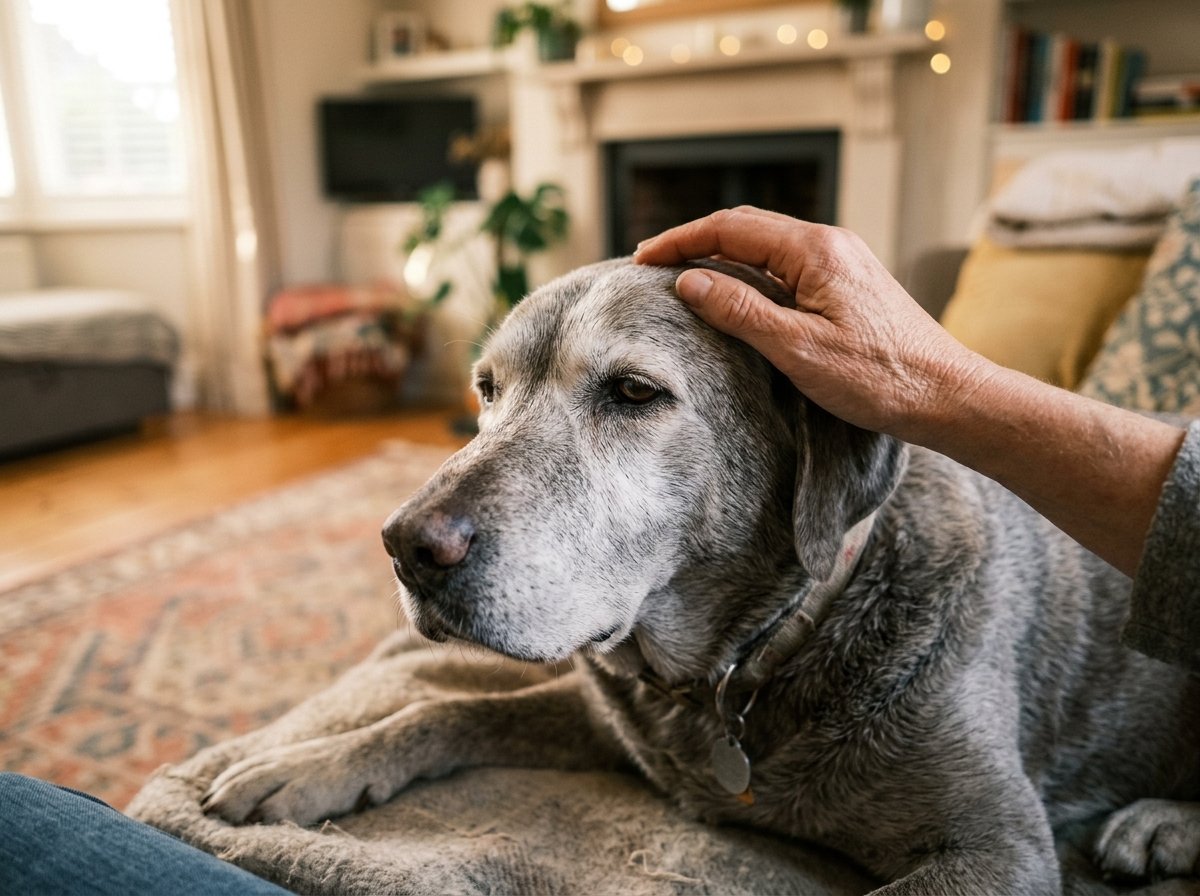
Watching your senior dog turn away from food is tough. Remember that drinking water is a positive sign that hydration is intact.
By observing their body language, checking for dental pain, and trying soft warmed meals, you can keep your dog comfortable while working with your veterinarian. Your prompt care ensures your old friend gets the gentle support they deserve in their golden years.
Always consult your veterinarian for an accurate diagnosis when appetite changes persist beyond 24 hours. Check out guidance from the American Veterinary Medical Association senior care FAQ to stay informed on golden year wellness.