


Noticing subtle physical shifts in an older canine companion can stir a quiet, persistent worry in any dog parent’s heart. Perhaps your senior dog has begun drinking from every water bowl with unquenchable thirst, asking to go outside during the middle of the night, or begging frantically for treats at odd hours. Over several weeks, you may also notice their abdomen sagging into a rounded shape while their muscle mass along the spine dwindles.
Many pet parents chalk these bodily changes up to normal aging, assuming that slowed mobility and thinning fur are simply unavoidable chapters of late life. Yet these interconnected symptoms frequently point to a recognized endocrine disorder known as cushings disease in older dogs. Also termed hyperadrenocorticism, this progressive condition develops when the adrenal glands produce an excess of the primary stress hormone, cortisol.
While receiving an endocrine diagnosis for an aging pet can feel daunting, the condition is manageable when detected through methodical veterinary testing. With targeted medical therapies, consistent home routines, and attentive monitoring, senior dogs diagnosed with this disorder routinely enjoy years of comfort, wagging tails, and happy companionship. In this veterinary-reviewed master guide, you will learn how the disease develops, the seven classic warning signs to look for, diagnostic testing steps, medical treatments, and daily home care adjustments.
Quick Answer:
Cushings disease in older dogs, or hyperadrenocorticism, occurs when the adrenal glands produce chronically elevated levels of cortisol, most often triggered by a benign pituitary microadenoma (80 to 85 percent of cases) or an adrenal tumor. Common clinical signs include a pendulous pot-bellied abdomen, excessive thirst and urination, ravenous appetite, persistent panting, symmetrical hair loss, and muscle wasting. Diagnosis requires clinical blood screening followed by specialized endocrine tests like the Low-Dose Dexamethasone Suppression Test. Most dogs are managed effectively with daily oral medication such as trilostane (Vetoryl), which suppresses cortisol production and restores quality of life.
Key Takeaways:
- Primary Biological Cause: Overproduction of systemic cortisol breaks down muscle proteins, mobilizes fat to the liver and abdomen, and weakens local immune responses.
- Recognizable Warning Signs: Watch for the hallmark triad of insatiable thirst (polydipsia), heavy urination (polyuria), and a distinct sagging pot belly accompanied by bilateral hair thinning.
- Diagnostic Protocol: A routine chemistry panel showing elevated alkaline phosphatase (ALP) warrants confirmatory testing, typically the 8-hour Low-Dose Dexamethasone Suppression Test (LDDST).
- Core Medical Treatment: Daily oral trilostane capsules, administered with food, block enzymatic cortisol synthesis and reverse clinical symptoms within weeks to months.
- Essential Home Support: Provide unrestricted fresh water, frequent bathroom access, padded orthopedic bedding, gentle grooming, and prompt veterinary checks for secondary infections.
What Is Cushing’s Disease in Older Dogs? Biological Mechanics of Hyperadrenocorticism
To understand what is happening inside your dog’s body, you must first examine the role of cortisol. Cortisol is a vital glucocorticoid hormone synthesized by the cortex of the adrenal glands, two tiny bean-shaped organs positioned forward of the kidneys. Under normal physiological conditions, cortisol assists in regulating blood glucose levels, metabolizing proteins and lipids, balancing blood pressure, and modulating immune system reactions during physical stress.
The secretion of cortisol is governed by a delicate endocrine feedback loop connecting the brain and the adrenal glands. The hypothalamus produces corticotropin-releasing hormone, which prompts the pituitary gland at the base of the brain to release adrenocorticotropic hormone (ACTH). ACTH travels through the bloodstream to the adrenal glands, stimulating them to manufacture and release cortisol into circulation.
When cortisol levels rise, the healthy brain senses the increase and dials back ACTH release, keeping circulating hormone levels within a safe physiological window. In canine hyperadrenocorticism, this biological feedback loop breaks down entirely. The adrenal glands flood the dog’s bloodstream with excessive quantities of cortisol around the clock.
Over time, chronically elevated cortisol shifts from a protective stress responder into a destructive metabolic force. It accelerates protein catabolism, stripping amino acids from skeletal muscles to fuel unnecessary glucose synthesis in the liver. At the same time, it weakens connective tissue collagen, suppresses thyroid signaling, and impedes white blood cells.
This biological breakdown leaves the older dog vulnerable to systemic complications. Cushing’s disease is predominantly a disease of maturity. It most commonly strikes canines between the ages of 8 and 12 years, though signs can begin developing in dogs as young as 6.
Certain breeds carry a higher statistical predisposition, including Miniature Poodles, Dachshunds, Boston Terriers, Boxers, Yorkshire Terriers, and German Shepherds. However, any senior canine of any breed or mix can develop the condition.
The Three Forms of Canine Cushing’s Disease
Canine hyperadrenocorticism is not a single uniform illness. Veterinarians classify the condition into three distinct forms based on where the hormonal malfunction originates. Determining if the culprit is pituitary or adrenal dictates the best treatment plan and long-term prognosis.
1. Pituitary-Dependent Hyperadrenocorticism (PDH)
Pituitary-dependent Cushing’s is by far the most widespread variant, accounting for approximately 80 to 85 percent of all naturally occurring cases. In this form, a microscopic, non-cancerous benign tumor (termed a microadenoma) forms within the pituitary gland at the base of the skull. Less commonly, a larger macroadenoma develops.
These abnormal pituitary cells ignore normal biological feedback mechanisms. They continuously secrete excessive amounts of ACTH into the bloodstream regardless of how much cortisol is already circulating. In response to this unrelenting hormonal signal, both adrenal glands enlarge (bilateral adrenal hyperplasia) and produce massive amounts of cortisol daily.
Because these pituitary microadenomas are usually tiny and slow-growing, medical management focused on suppressing adrenal output is the standard veterinary approach.
2. Adrenal-Dependent Hyperadrenocorticism (ADH)
Adrenal-dependent Cushing’s accounts for the remaining 15 to 20 percent of naturally occurring cases. In this variant, the origin of the problem lies directly within one of the adrenal glands themselves. A tumor develops within the adrenal cortex, producing cortisol independently without needing any stimulation from pituitary ACTH.
Approximately half of these adrenal tumors are benign adenomas, while the other half are malignant adrenal carcinomas that have the potential to invade adjacent blood vessels like the vena cava. Because the diseased adrenal gland churns out excessive cortisol autonomously, the brain’s pituitary gland senses the hormonal flood and shuts down ACTH production completely. Consequently, the opposite, non-tumorous adrenal gland shrinks down into an atrophied state.
Adrenal ultrasound imaging is crucial for identifying this form and planning targeted intervention.
3. Iatrogenic Cushing’s Disease
The third form of hyperadrenocorticism is iatrogenic, meaning it is induced inadvertently by medical intervention. When a senior dog receives high doses of synthetic corticosteroid medications over an extended timeframe, their body can develop physical symptoms identical to natural Cushing’s. Common culprit medications include oral prednisone, prednisolone, dexamethasone, injectable cortisone, and even long-term topical steroid ointments or medicated ear drops used for chronic allergic skin disease or arthritis.
The synthetic steroids mimic natural cortisol inside the body’s tissues, producing muscle wasting, pot bellies, and excessive thirst. Because the external medication provides an excess of steroid signaling, the dog’s natural pituitary and adrenal glands go dormant and atrophy. Treating iatrogenic Cushing’s requires a slow, carefully monitored tapering schedule managed by your veterinarian.
Abruptly stopping steroids can precipitate a life-threatening adrenal crisis.
Comparison Matrix: Forms of Canine Cushing’s Disease
To help you distinguish between these distinct variations, review the summary comparison table below detailing origins, anatomical impact, and primary veterinary solutions.
| Condition Type | Primary Origin | Prevalence | Adrenal Gland Status | Primary Treatment Approach |
|---|---|---|---|---|
| Pituitary-Dependent (PDH) | Pituitary microadenoma secreting excess ACTH | 80% to 85% of natural cases | Both adrenal glands enlarged (bilateral hyperplasia) | Daily oral enzyme inhibitor medication (trilostane) |
| Adrenal-Dependent (ADH) | Adrenal cortex tumor (adenoma or carcinoma) | 15% to 20% of natural cases | One enlarged gland with tumor; opposite gland atrophied | Surgical adrenalectomy or medical management (trilostane) |
| Iatrogenic Cushing’s | Prolonged exogenous steroid therapy (prednisone) | Medication-induced variable | Both adrenal glands dormant and atrophied | Gradual veterinary-supervised steroid taper |
7 Classic Warning Signs of Cushing’s Disease in Older Dogs
Because hyperadrenocorticism develops gradually over months or even years, its initial presentation is deceptively subtle. Pet parents frequently assume their dog is simply growing older, slowing down, or developing quirks. Learning to recognize the characteristic physical and behavioral hallmarks allows you to seek veterinary diagnostics before severe secondary health complications take root.
1. The Characteristic “Pot Belly” (Pendulous Abdomen)
One of the most recognizable visual indicators of canine Cushing’s is a rounded, sagging, pot-bellied abdomen. Owners often wonder why their dog looks bloated or overweight despite the fact that their legs and ribs feel thin. This physical transformation occurs through two simultaneous internal mechanisms driven by excess cortisol.
First, cortisol causes catabolism, or breakdown, of structural protein tissues. The abdominal wall muscles weaken, stretch, and atrophy, losing their ability to hold internal organs snugly against the spine. Second, cortisol prompts abnormal fat redistribution to the abdominal cavity while causing the liver to swell with stored glycogen and lipids (hepatomegaly).
The heavy, enlarged liver presses down against the weakened abdominal wall, producing the classic pear-shaped silhouette.
2. Excessive Thirst and Frequent Urination (Polydipsia and Polyuria)
Polydipsia (increased drinking) and polyuria (increased urination) are present in more than 85 to 90 percent of canine Cushing’s patients. You might notice your senior companion emptying their water bowl multiple times a day, standing by the faucet waiting for refills, or licking moisture from the shower floor. If you have been monitoring your pet’s fluid habits, you may recognize these shifts from our guide on senior dog drinking excessive water.
This insatiable thirst is not behavioral; it is rooted in kidney physiology. Cortisol acts as an antagonist to antidiuretic hormone (ADH, or vasopressin) within the renal collecting tubules. Without functional ADH signaling, the kidneys cannot reabsorb water back into the bloodstream, allowing enormous quantities of dilute urine to spill into the bladder.
The dog must drink immense volumes of water simply to prevent severe dehydration. Previously house-trained dogs may begin having accidents indoors, which is frequently mistaken for simple senior dog urinary incontinence.
3. Ravenous, Insatiable Appetite (Polyphagia)
While an older dog losing their appetite is a well-known concern, an older dog becoming obsessively hungry can be just as clinically significant. High levels of circulating cortisol exert a direct stimulatory effect on the appetite control centers within the hypothalamus. Dogs that were once polite eaters may suddenly transform into relentless scavengers.
A dog with Cushing’s may constantly hover around kitchen counters, raid trash cans, beg urgently during family meals, or even consume non-food items. They may gulp their meals down in seconds and continue licking the empty bowl with intense agitation. Because they appear enthusiastic about eating, pet parents frequently misinterpret this voracious appetite as a reassuring sign of vibrant vitality, delaying an accurate medical diagnosis.
4. Symmetrical Hair Loss and Poor Coat Regrowth
Dermatological changes are another hallmark of hyperadrenocorticism, occurring in over 60 percent of affected dogs. Unlike allergic reactions or flea infestations that cause intense scratching and patchy, raw hotspots, Cushing’s hair loss is non-pruritic (non-itchy) and remarkably symmetrical. Fur thins out evenly along both sides of the torso, the flanks, under the belly, and along the tail, giving the tail a sparse “rat tail” appearance.
Cortisol suppresses the anagen (active growth) phase of hair follicles, locking them into a prolonged telogen (resting) phase. When old hairs fall out through everyday shedding, new follicles fail to produce replacement shafts. The head and lower extremities typically retain their normal coat because hair follicles in those regions exhibit differing hormonal receptor sensitivity.
If your dog is clipped for grooming, you may discover that the shaved patches fail to grow back for months.
5. Fragile, Thinning Skin, Comedones, and Calcinosis Cutis
Beyond hair loss, elevated glucocorticoids degrade collagen and elastin fibers in the dermal matrix. The skin becomes remarkably thin, delicate, and papery, often allowing subcutaneous blood vessels to become clearly visible across the belly. Minor bumps or gentle grooming can lead to bruising or skin tears that heal frustratingly slowly.
Owners often notice clusters of blackheads, known clinically as comedones, forming along the lower abdomen, groin, and spine due to plugged sebaceous glands. In advanced or long-standing cases, dogs may develop a distressing condition called calcinosis cutis. Hard, chalky, gritty white or pink calcium deposits precipitate directly into the skin layers.
These calcified plaques can become inflamed, ulcerated, and prone to secondary bacterial infections that require veterinary antibiotic therapy.
6. Persistent, Heavy Panting Even at Rest
It is normal for a dog to pant after a spirited walk in warm weather. In contrast, an older dog with Cushing’s will often pant heavily while lying perfectly still on a cool floor in an air-conditioned room. This persistent respiratory effort stems from multiple underlying physiological disruptions.
First, cortisol catabolizes respiratory muscles, weakening the diaphragm and intercostal muscles that expand the chest wall. Second, the enlarged liver occupies substantial abdominal volume, physically crowding the diaphragm forward and reducing functional lung capacity. Third, chronically high cortisol levels alter central respiratory drive in the brainstem.
In severe cases, dogs with hyperadrenocorticism are also at heightened risk for pulmonary thromboembolism (blood clots in the lungs), which triggers acute, distressing respiratory compromise.
7. Muscle Wasting, Lethargy, and Hind-End Weakness
As cortisol systematically cannibalizes skeletal protein, noticeable muscle atrophy develops along the spine, hips, and shoulders. When running your hands along your dog’s back, their vertebrae and pelvis may feel sharp and bony, even while their belly hangs low. If you have noticed your pet’s physique shrinking, review our guide detailing unexplained senior dog muscle wasting.
This loss of structural muscle mass leads directly to progressive hind limb weakness. Senior dogs may struggle to rise from slick hardwood floors, hesitate before tackling a flight of stairs, or experience trembling in their rear legs after brief strolls. This physical weakness is compounded by systemic lethargy.
While often conflated with arthritis, the combination of motor fatigue and endocrine exhaustion requires veterinary differentiation. For broader cognitive and physical context, consult our checklist on senior dog behavior changes.
Clinical Diagnostics: How Veterinarians Confirm Cushing’s
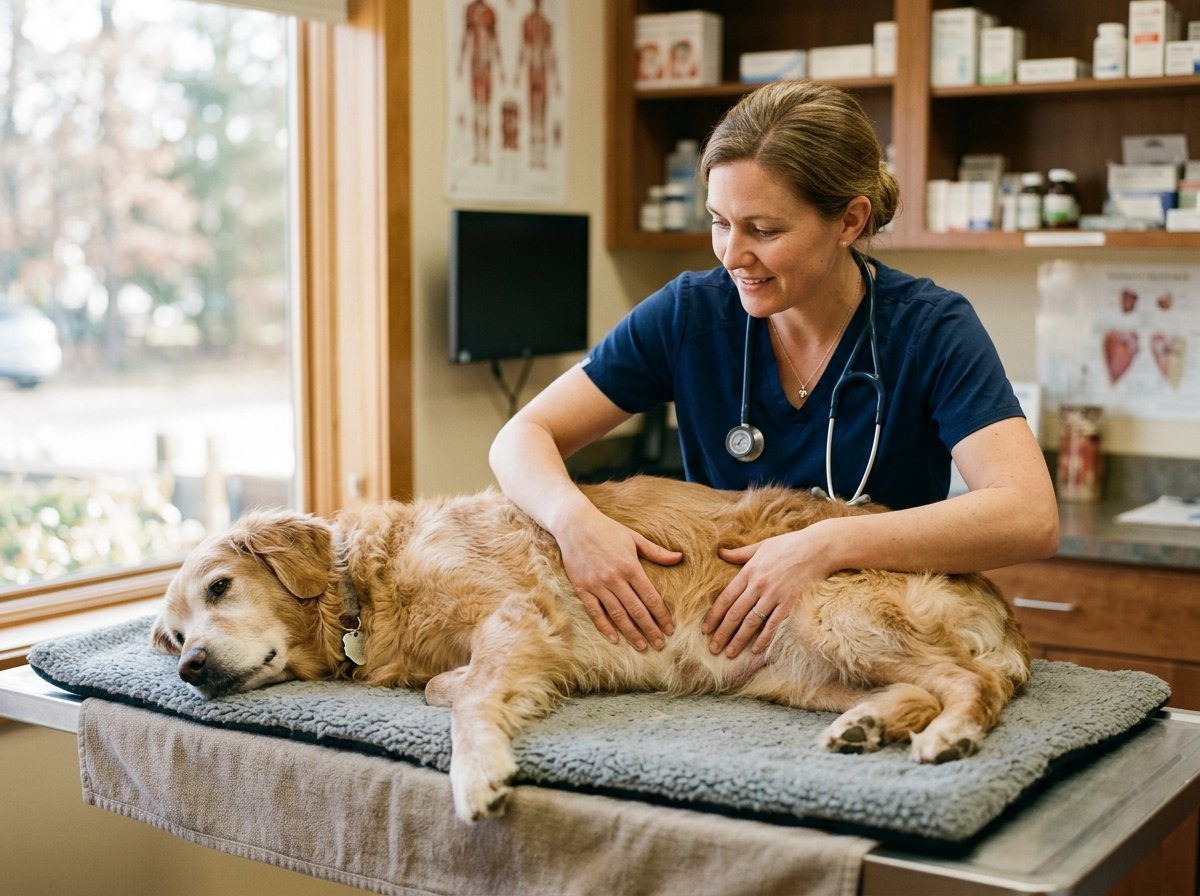
Diagnosing Cushing’s disease in an older canine requires patience, clinical precision, and a structured, multi-tier approach. No single routine blood test can definitively confirm hyperadrenocorticism. Because the symptoms of Cushing’s mimic other common geriatric ailments like diabetes mellitus, chronic renal disease, and liver dysfunction, veterinarians follow a methodical screening and confirmation protocol.
Stage 1: Initial Baseline Health Screening
The diagnostic path begins with routine laboratory tests: a complete blood count (CBC), serum biochemistry profile, complete urinalysis, and urine culture. These tests establish general organ health and rule out competing causes for your dog’s thirst and polyuria. For practical preparation steps, explore our walkthrough on senior dog veterinary blood testing.
A classic biochemical red flag is a dramatic elevation in alkaline phosphatase (ALP), an enzyme induced directly by glucocorticoids in the canine liver. It is common to see ALP levels surge into the thousands in dogs with Cushing’s. Other standard findings include mild elevations in alanine aminotransferase (ALT), high serum cholesterol, elevated triglycerides, and borderline-high fasting blood glucose.
Urinalysis typically reveals markedly dilute urine with a low specific gravity (often below 1.015 to 1.020). Because cortisol suppresses urinary white blood cell responses, up to 20 percent of Cushingoid dogs harbor silent, symptom-free urinary tract infections that must be identified via urine culture. Veterinarians also rely on foundational screening guidance outlined in the AVMA senior pet care guidelines to ensure baseline organ function is fully mapped before initiating specialized hormone testing.
Stage 2: Hormone Confirmation Testing
Once baseline screening demonstrates abnormalities consistent with hyperadrenocorticism, your veterinarian will recommend specific endocrine function tests. Simply measuring resting cortisol from a single random blood sample is medically useless, as normal cortisol levels fluctuate throughout the day in response to stress or clinic visits. Instead, dynamic functional testing is mandatory.
1. Low-Dose Dexamethasone Suppression Test (LDDST)
The LDDST is widely regarded as the gold standard confirmatory test for naturally occurring canine Cushing’s. It boasts high sensitivity (approximately 85 to 95 percent), making false negatives relatively rare. The test spans eight hours and evaluates how your dog’s adrenal glands respond to an exogenous steroid challenge.
The protocol begins with a baseline blood draw in the morning to measure resting cortisol. Next, your veterinarian administers a tiny intravenous dose of synthetic dexamethasone. In a healthy dog, the brain senses the dexamethasone and halts ACTH release, causing blood cortisol levels to plunge and remain suppressed at both the 4-hour and 8-hour blood draws.
In a dog with Cushing’s, the feedback loop fails; the cortisol level remains elevated at the 8-hour mark, confirming hyperadrenocorticism.
2. ACTH Stimulation Test
The ACTH stimulation test is another valuable diagnostic tool. While slightly less sensitive than the LDDST for detecting pituitary tumors, it is the only test that can accurately diagnose iatrogenic Cushing’s disease. In addition, it is the required clinical standard used to monitor dogs once they begin medical therapy.
During this test, a baseline blood sample is drawn, followed by an injection of synthetic ACTH (cosyntropin). Exactly one hour later, a second blood draw measures the adrenal glands’ maximum secretory capacity. A healthy adrenal gland responds with a moderate output of cortisol.
An overactive, hyperplastic adrenal gland loaded with cortisol reserves will surge to astronomical heights, confirming the diagnosis. Clinical background on this testing protocol is detailed in the VCA Animal Hospitals guide to canine Cushing’s.
3. Urine Cortisol-to-Creatinine Ratio (UCCR)
The UCCR is a simple, non-invasive screening tool performed on urine collected at home by the pet owner in the morning. Collecting urine in a calm home environment eliminates vet clinic stress spikes. If the UCCR returns completely normal, Cushing’s disease is virtually ruled out with 95 percent accuracy.
However, a positive high ratio is non-specific and requires formal LDDST follow-up.
Stage 3: Differentiating Pituitary vs. Adrenal Origin
Once Cushing’s is confirmed, determining if the culprit is pituitary or adrenal guides the optimal management strategy. Differentiation tests include:
- Abdominal Ultrasound: A skilled veterinary sonographer scans both adrenal glands. If both glands are symmetrically enlarged, pituitary-dependent disease is confirmed. If one gland contains a distinct mass while the opposite gland is tiny and atrophied, an adrenal tumor is identified. Ultrasound also checks for liver changes and vascular invasion.
- High-Dose Dexamethasone Suppression Test (HDDST): Similar to the low-dose version, but uses a higher dose of dexamethasone. Approximately 75 percent of pituitary-dependent cases show suppression at 4 hours, whereas autonomous adrenal tumors never suppress.
- Endogenous ACTH Concentration: A delicate frozen plasma test measuring circulating natural ACTH. Pituitary tumors generate high or normal ACTH levels, while autonomous adrenal tumors suppress natural ACTH down to undetectable levels.
Medical Management and Veterinary Treatments
Managing Cushing’s disease in an older dog is focused on restoring everyday quality of life, resolving uncomfortable symptoms, and preventing dangerous secondary health hazards. While medical treatments do not technically cure the underlying microadenoma, they effectively normalize circulating cortisol levels, reversing clinical signs and allowing dogs to thrive.
1. Trilostane (Vetoryl): The Gold Standard Oral Medication
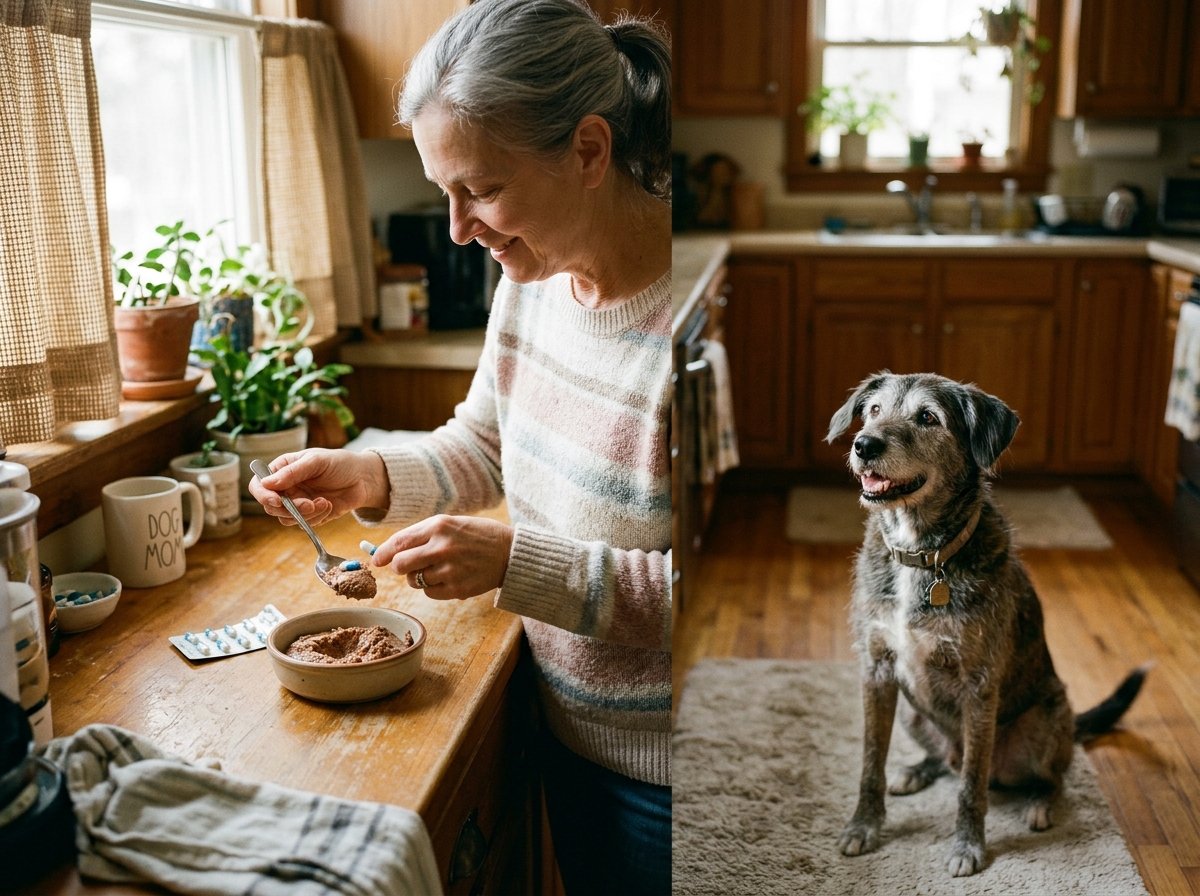
Trilostane, commercially marketed under the veterinary brand name Vetoryl, is the primary FDA-approved medical treatment for both pituitary-dependent and adrenal-dependent canine Cushing’s. It acts as a selective, reversible enzyme inhibitor. It temporarily blocks the 3-beta-hydroxysteroid dehydrogenase enzyme within the adrenal cortex, preventing the biological conversion of precursor hormones into cortisol.
Unlike older therapies that permanently destroyed adrenal tissue, trilostane simply turns down the hormone faucet for a defined period each day. Because the drug’s effect is temporary, it requires consistent, lifelong daily administration. Pet owners should review regulatory safety guidelines outlined in the FDA consumer guide on treating Cushing’s disease in dogs to understand dosage administration and monitoring protocols.
Crucially, trilostane capsules must always be given with a meal containing some dietary fat. Giving the capsule on an empty stomach drastically impairs gastrointestinal absorption, resulting in erratic cortisol control. Most dogs begin on a conservative once-daily dose, though veterinary endocrinologists occasionally divide the daily dose into twice-daily administration to maintain even hormone suppression across 24 hours.
2. Monitoring Protocols and Dosage Calibration
Starting trilostane is not a set-it-and-forget-it therapy. Calibrating the correct maintenance dose requires scheduled veterinary checkups. An ACTH stimulation test is performed 10 to 14 days after starting medication, and repeated at 30 days, 90 days, and every 3 to 6 months thereafter for the rest of the dog’s life.
Timing for these monitoring appointments is critical. The ACTH stimulation test must be initiated precisely 4 to 6 hours after your dog swallows their morning trilostane pill with food. This window captures the drug at its peak therapeutic suppression.
Your veterinarian will also check serum electrolytes (sodium and potassium), blood urea nitrogen, and creatinine at each visit to verify that the adrenal glands continue producing safe baseline aldosterone and that kidney function remains stable.
3. Watching for Hypoadrenocorticism (The “Addisonian” Shift)
The most significant medical risk associated with Cushing’s medication is over-suppressing the adrenal glands, driving cortisol levels too low. This induces a temporary or permanent state of hypoadrenocorticism, commonly called an Addisonian crisis. While elevated cortisol causes chronic wear and tear, zero cortisol is an immediate life-threatening emergency.
Every pet parent managing a dog on trilostane must memorize the warning signs of an Addisonian shift:
- Sudden profound lethargy, weakness, or inability to stand
- Complete refusal to eat (anorexia) in a dog that was previously ravenous
- Acute vomiting or watery, dark diarrhea
- Severe muscle trembling or generalized shaking
- Weak, thready pulse or collapse
If you observe any of these symptoms, do not give the next scheduled trilostane capsule. Contact your veterinarian or an emergency animal hospital immediately. In most instances, pausing medication for several days and administering temporary supportive fluids or emergency glucocorticoids restores stability, after which the doctor will resume trilostane at a lower, safer maintenance dose.
4. Alternative and Surgical Treatment Options
While trilostane is the predominant choice, alternative strategies exist for specific clinical situations:
- Mitotane (Lysodren): An older human chemotherapy drug that causes selective necrosis of the adrenal cortex. Mitotane permanently reduces adrenal mass. While effective and sometimes less expensive for massive giant-breed dogs, it carries a narrower margin of safety and a higher risk of irreversible adrenal destruction.
- Adrenalectomy: For dogs diagnosed with solitary, non-invasive adrenal tumors (ADH), surgical removal of the affected adrenal gland can be curative. This is a complex, high-risk abdominal surgery requiring advanced veterinary surgical specialists and extensive perioperative ICU care.
- Hypophysectomy: Surgical excision of the pituitary gland via transsphenoidal surgery is performed at select specialized veterinary university hospitals. While it addresses the root pituitary tumor, it requires lifelong hormone replacement therapy and carries substantial surgical risks.
At-Home Care and Daily Living Adjustments
While pharmaceutical therapy does the biological heavy lifting, thoughtful day-to-day home adjustments significantly enhance your senior companion’s comfort and emotional security. Managing an older dog with hyperadrenocorticism requires small, compassionate tweaks to your household routine.
1. Hydration Management and Potty Access
Never, under any circumstances, restrict your dog’s access to clean water. Because cortisol forces their kidneys to expel water continuously, limiting fluid intake can lead to fatal dehydration and acute kidney injury in a matter of hours. Keep multiple large, sturdy water bowls stationed throughout the house, ensuring an arthritic dog never has to walk far to drink.
Because what goes in must come out, increase the frequency of your dog’s outdoor bathroom breaks. Provide opportunities to relieve themselves first thing in the morning, right after meals, immediately before bedtime, and at least once during the night if they wake up restless. Consider setting up washable pee pads near exterior doors or laying down waterproof mattress pads over dog beds to manage nighttime leaks without scolding or stress.
2. Dietary Balance and Digestive Support
Dogs with Cushing’s have altered metabolic machinery and an elevated risk of developing pancreatitis, a painful inflammation of the pancreas. Transition your senior dog to a high-quality, highly digestible maintenance diet that features moderate, bioavailable protein and controlled, low-to-moderate fat levels (ideally under 12 to 14 percent fat on a dry matter basis).
Avoid high-fat table scraps, greasy marrow bones, and high-sodium commercial dog biscuits. Excess dietary sodium exacerbates hypertension (high blood pressure), which is already present in over 50 percent of canine Cushing’s patients. To satisfy their intense appetite between meals without packing on empty calories, offer safe, crunchy, low-calorie vegetables such as fresh green beans, steamed broccoli florets, or crisp sliced cucumbers.
3. Fragile Skin Care and Gentle Grooming
Because your dog’s skin is thin and easily bruised, approach grooming with tenderness. Replace stiff wire slicker brushes with ultra-soft bristle brushes or gentle rubber curry combs that massage the skin without scraping the dermal surface. Inspect their belly, groin, and paw pads weekly for signs of redness, comedones, or secondary bacterial infections.
Bathe your dog using lukewarm water and gentle, veterinary-formulated antiseptic shampoos containing chlorhexidine and ketoconazole. These medicinal washes keep opportunistic bacterial and fungal overgrowths in check without stripping natural moisture. Always pat their skin gently dry with plush microfiber towels rather than rubbing vigorously, and avoid hot blow dryers that can scorch delicate skin.
4. Mobility Accommodations and Low-Impact Exercise
Muscle loss along the spine and hips makes walking on slick flooring hazardous. Lay down non-slip rug runners, interlocking foam play mats, or yoga mats along high-traffic hallways and around feeding stations to give your dog stable footing. Upgrade their sleeping quarters to thick, supportive orthopedic memory foam beds that cushion bony joints and prevent pressure sores.
While strenuous agility or intense games of fetch are out of the question, gentle daily exercise remains essential. Take short, low-impact 10-to-15-minute sniff walks during the cool morning or evening hours. Regular movement stimulates circulation, preserves remaining skeletal muscle tone, and provides vital mental enrichment.
Because dogs with Cushing’s struggle to regulate body heat, keep outdoor walks brief during hot, humid summer afternoons.
Frequently Asked Questions
What is the life expectancy of an older dog with Cushing’s disease?
With timely diagnosis and consistent medical management using trilostane, the median life expectancy for senior dogs with pituitary-dependent Cushing’s disease ranges from two to two-and-a-half years following diagnosis, with many dogs living three to four happy years. Because Cushing’s typically develops in canines aged 10 or older, many dogs ultimately pass away from unrelated natural old-age conditions rather than the endocrine disease itself.
Can Cushing’s disease in dogs be cured?
Pituitary-dependent Cushing’s disease cannot be medically cured, but it can be controlled successfully with daily lifelong medication that suppresses excess cortisol production. For adrenal-dependent Cushing’s, complete surgical excision of a single benign adrenal adenoma (adrenalectomy) can provide a complete surgical cure, though the procedure carries surgical risks and requires specialized veterinary expertise.
How much does it cost to treat Cushing’s disease in older dogs?
The initial diagnostic phase, including baseline blood work, urinalysis, Low-Dose Dexamethasone Suppression testing, and abdominal ultrasound, typically costs between $800 and $1,800 depending on your geographic location. Ongoing maintenance involves daily trilostane medication, which runs approximately $60 to $180 per month based on your dog’s body weight, plus periodic monitoring ACTH stimulation tests and blood work every three to six months totaling $300 to $500 per visit.
What happens if Cushing’s disease goes untreated in senior dogs?
Leaving hyperadrenocorticism untreated allows unrelenting cortisol production to cause progressive systemic damage. Untreated dogs face significantly heightened risks of severe hypertension, chronic congestive heart failure, recurring urinary tract and skin infections, unmanageable diabetes mellitus, acute pancreatitis, and life-threatening pulmonary thromboembolisms (blood clots in the lungs).
How do I know if my dog’s Cushing’s medication dose is too high?
A medication dose that over-suppresses the adrenal glands can trigger dangerous hypoadrenocorticism (an Addisonian reaction). Key signs that a dose is too high include sudden extreme lethargy, complete loss of appetite, persistent vomiting, diarrhea, shivering or muscle tremors, and physical collapse. If you notice any of these signs, withhold the medication immediately and seek urgent veterinary care.
Can dietary changes alone manage canine Cushing’s disease?
No, dietary modifications cannot stop the pituitary or adrenal tumors from generating excessive hormonal signals. While a balanced, low-fat, highly digestible diet provides valuable nutritional support for the liver and helps prevent secondary pancreatitis, it cannot substitute for prescription medications like trilostane that biochemically block cortisol production.
Compassionate Long-Term Care for Your Senior Companion
Discovering that your faithful senior dog has developed an endocrine disorder can initially feel overwhelming. It is completely natural to look at your greying companion and feel a wave of heartache over their changing body and slowing steps. Yet managing canine Cushing’s is not an end-of-life sentence; it is a clinical call to partnership between you, your dog, and your trusted veterinary team.
When the flood of excess cortisol is brought back under control through daily medication, watching the physical transformation is deeply rewarding. Within weeks, their unquenchable thirst subsides, peaceful full-night sleep returns, and accidents inside the house disappear. Over the following months, lean muscle tone gradually returns, their coat softens and regrows, and that joyful sparkle shines brightly in their eyes once again.
Every senior dog deserves comfort, dignity, and gentle love in their twilight years. By staying attentive to their physical cues, administering daily medications with morning meals, and keeping routine monitoring checkups on schedule, you are providing your best friend with the greatest gift possible: comfortable, peaceful golden years spent happily by your side.