
Noticing your aging dog bump into doorframes or hesitate before descending stairs is a heart-wrenching experience for any owner. Vision loss is a common age-related condition in senior pets, affecting dogs as they navigate their golden years.
Whether caused by cataracts, nuclear sclerosis, glaucoma, or progressive retinal atrophy, declining eyesight alters how your dog interacts with their environment. With minor adjustments to your home layout and daily routine, visually impaired senior dogs can live comfortable, confident, and happy lives.
In this guide, you will learn how to recognize early signs of vision loss, understand the underlying medical causes, and implement practical home modifications to help your dog navigate safely.
Recognizing Early Signs of Vision Loss in Senior Dogs
Dogs adapt remarkably well to gradual eyesight loss by relying heavily on sound, scent, and spatial memory. Because the transition is often subtle, early warning signs can be easy to miss.
Watch for these common indicators of declining vision:
- Cloudy or Bluish Eye Appearance: A hazy film or bluish tint in the lens often indicates nuclear sclerosis or developing cataracts.
- Bumping Into Furniture: Hesitation or collisions when navigating unfamiliar rooms or rearranged furniture.
- Reluctance to Use Stairs: Refusal to walk up or down stairs, especially in low-light conditions.
- Startling Easily: Jumping or barking when approached suddenly from the side or back.
- Clinging to Owners: Following family members closely (“shadowing”) for reassurance and spatial guidance.
Common Causes of Eyesight Decline in Aging Pets
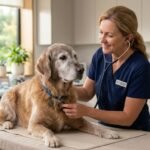
Several distinct medical conditions cause vision changes in senior dogs. A thorough veterinary eye examination is essential to determine the exact cause and rule out painful conditions.
- Nuclear Sclerosis: A normal aging change where the lens becomes dense and bluish-cloudy. Nuclear sclerosis affects light transmission slightly but does not cause total blindness.
- Cataracts: An opacity of the lens that blocks light from reaching the retina. Cataracts can progress to complete blindness and are frequently linked to canine diabetes.
- Glaucoma: Increased pressure within the eye that damages the optic nerve. Glaucoma is painful and requires immediate veterinary intervention to manage pressure.
- Progressive Retinal Atrophy (PRA): A genetic condition causing gradual degeneration of the retina, starting with night blindness and progressing to total vision loss.
Creating a Safe Home Environment for Blind Dogs
Modifying your home layout provides immediate safety and boosts your senior dog’s confidence.
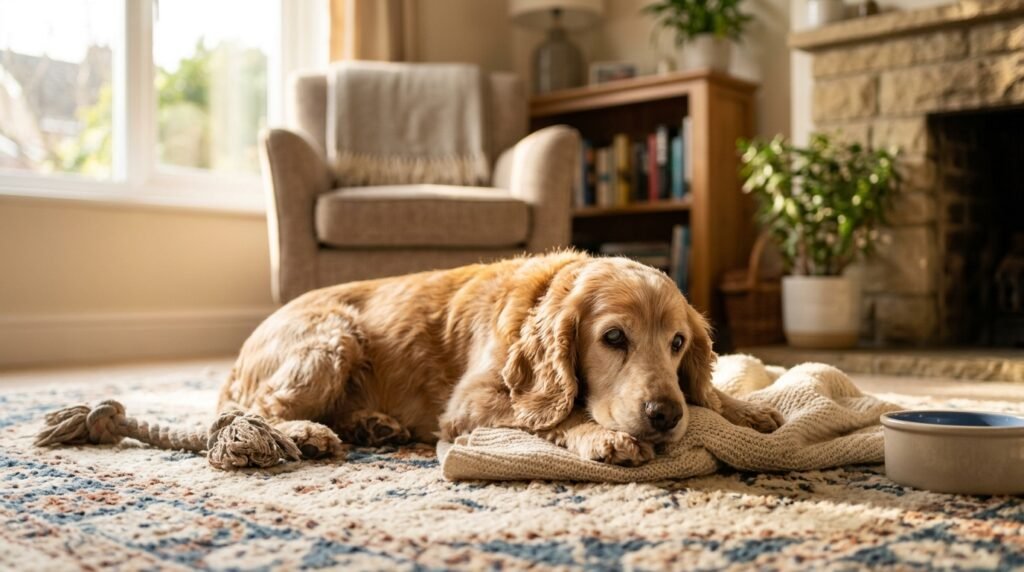
Keep furniture in fixed locations and avoid clutter on main walkways. Place scent markers, such as a drop of vanilla extract, near doorway frames to help your dog identify transition zones. Use different rug textures near stairs and backdoors so your dog feels tactile cues under their paws.
Block access to steep staircases with sturdy baby gates to prevent accidental falls. Secure outdoor swimming pools and deck ledges with protective fencing.
Helping Your Visually Impaired Dog Outdoor
Outdoor walks remain vital for mental health and physical fitness, but visually impaired dogs need extra guidance.
Use a short, non-retractable leash to maintain close physical control and offer gentle directional cues. Teach verbal warnings like “step up,” “watch out,” or “stop” to alert your dog to curbs and obstacles.
Attach a bright vest or harness labeled “Blind Dog” to inform passing pedestrians and dog owners to approach calmly and avoid sudden movements.
Maintaining Overall Senior Dog Health
Vision care is part of a complete senior wellness plan. Maintaining a healthy body weight reduces joint strain and diabetes risk, which protects eye health.
To support your senior dog’s overall wellness, review our guide on senior dog feeding schedules and portion timing and explore our recommendations for the best food for senior dogs.
According to veterinary ophthalmic guidelines from American Kennel Club, regular eye checks every six months help detect painful eye pressure early.
Frequently Asked Questions
Can a blind senior dog still live a happy life?
Yes. Blind dogs adapt exceptionally well using smell, hearing, and tactile whiskers. With a consistent home layout, loving guidance, and predictable routines, visually impaired dogs live full and happy lives.
Is eye cloudiness in old dogs always cataracts?
No. Bluish cloudiness is frequently nuclear sclerosis, a harmless aging change that allows functional vision. A vet must perform an ophthalmic exam to distinguish between nuclear sclerosis and cataracts.
How can I prevent my blind dog from getting injured indoors?
Use baby gates on stairs, avoid moving furniture, place textured mats near doorways, and use soft bumper collars or halos to cushion gentle wall contacts.
Conclusion: Supporting Your Loyal Companion
Caring for a senior dog experiencing vision loss requires patience, consistency, and minor home adjustments. By providing predictable surroundings, gentle verbal guidance, and routine vet care, you ensure your loyal friend continues enjoying peaceful and confident golden years.
Ophthalmic Medical Conditions Causing Canine Vision Loss
Understanding the exact medical underlying cause of eyesight changes allows pet owners to provide target support alongside veterinary care.
Nuclear sclerosis is a natural aging process where crystalline lens fibers compact over time, giving eyes a bluish hazy tint. Unlike cataracts, nuclear sclerosis permits light transmission and preserves functional vision.
Cataracts create dense opacities within the lens, blocking light from reaching the retina. Diabetic cataracts develop rapidly when high blood sugar alters fluid balance within the eye. Sudden cataract onset requires immediate blood glucose screening.
Glaucoma is an elevation of intraocular pressure resulting from fluid drainage blockages. Glaucoma causes severe headache pain and requires emergency veterinary care to prevent permanent blindness.
Home Environment Modifications for Blind Senior Dogs
Transforming your home into a predictable, touch-friendly sanctuary builds confidence and prevents injury:
- Textured Rug Transitions: Place distinct rug textures near doorways, stairs, and water bowls to give tactile cues.
- Scent-Marked Doorways: Apply a tiny drop of diluted lavender or vanilla oil near doorframes at dog nose height.
- Furniture Layout Lock: Avoid moving sofas or coffee tables once your blind dog has mapped the room layout.
- Staircase Safety Gates: Secure top and bottom staircase openings with padded safety gates.
- Bumper Halos: Fit your dog with a lightweight bumper halo vest that gently signals obstacles before their face makes contact.
Verbal and Tactile Communication Techniques
When visual cues disappear, your voice and gentle touch become your dog’s guiding compass.
Teach clear verbal commands like “step up,” “watch,” and “stop” during short indoor walks. Always speak softly before touching a visually impaired dog to avoid startling them.
Frequently Asked Questions
#### Can a blind senior dog live a happy life?
Yes. Blind dogs adapt exceptionally well using smell, hearing, and tactile whiskers. With a consistent home layout, loving guidance, and predictable routines, visually impaired dogs live full and happy lives.
#### Is eye cloudiness in old dogs always cataracts?
No. Bluish cloudiness is frequently nuclear sclerosis, a harmless aging change that allows functional vision. A vet must perform an ophthalmic exam to distinguish between nuclear sclerosis and cataracts.
#### How can I prevent my blind dog from getting injured indoors?
Use baby gates on stairs, avoid moving furniture, place textured mats near doorways, and use soft bumper collars or halos to cushion gentle wall contacts.
#### What should I do if my blind dog bumps into walls?
Check for newly moved furniture or clutter. Place runners along main paths and equip your dog with a protective halo harness to cushion wall contacts.
#### Can eye drops prevent cataracts in senior dogs?
Over-the-counter eye drops cannot dissolve existing cataracts. Only veterinary surgery can remove cataract lenses, though anti-inflammatory drops manage glaucoma pressure.
#### How do I walk a blind senior dog safely outside?
Use a short non-retractable harness, stick to familiar paved paths, and wear a “Blind Dog” patch so passing neighbors approach calmly.