


Watching your steady senior dog suddenly stagger like a drunken sailor is one of the most frightening sights a pet owner can witness. Your dog may stumble into doorframes, circle repeatedly in one direction, or fall sideways onto the floor unable to stand. Their head tilts sharply to one side, and their eyes dart back and forth in rapid, uncontrollable flickers.
When you see your senior dog losing balance so abruptly, your mind immediately jumps to catastrophic conclusions like a stroke or brain tumor. Taking a deep breath helps you stay calm for your dog. In many older dogs, this episode is caused by a benign inner ear condition known as idiopathic geriatric vestibular disease.
Quick Answer:
A senior dog losing balance abruptly is most commonly suffering from idiopathic geriatric vestibular disease, an inner ear disturbance that disrupts equilibrium. While symptoms mimic a stroke with severe head tilt, wobbling, and darting eyes (nystagmus), it is not fatal and most dogs show dramatic improvement within 72 hours with supportive nursing care and anti-nausea medication.
Key Takeaways:
- Terrifying But Temporary: Geriatric vestibular syndrome looks catastrophic, but the acute phase typically peaks within 24 to 48 hours before steady healing begins.
- Vestibular Disease vs. Stroke: True strokes cause facial paralysis and limb weakness on one side, while vestibular disease preserves leg strength despite severe loss of balance.
- Nausea Is the Main Enemy: The spinning sensation causes violent motion sickness; prescription anti-nausea medications like maropitant (Cerenia) provide immediate comfort.
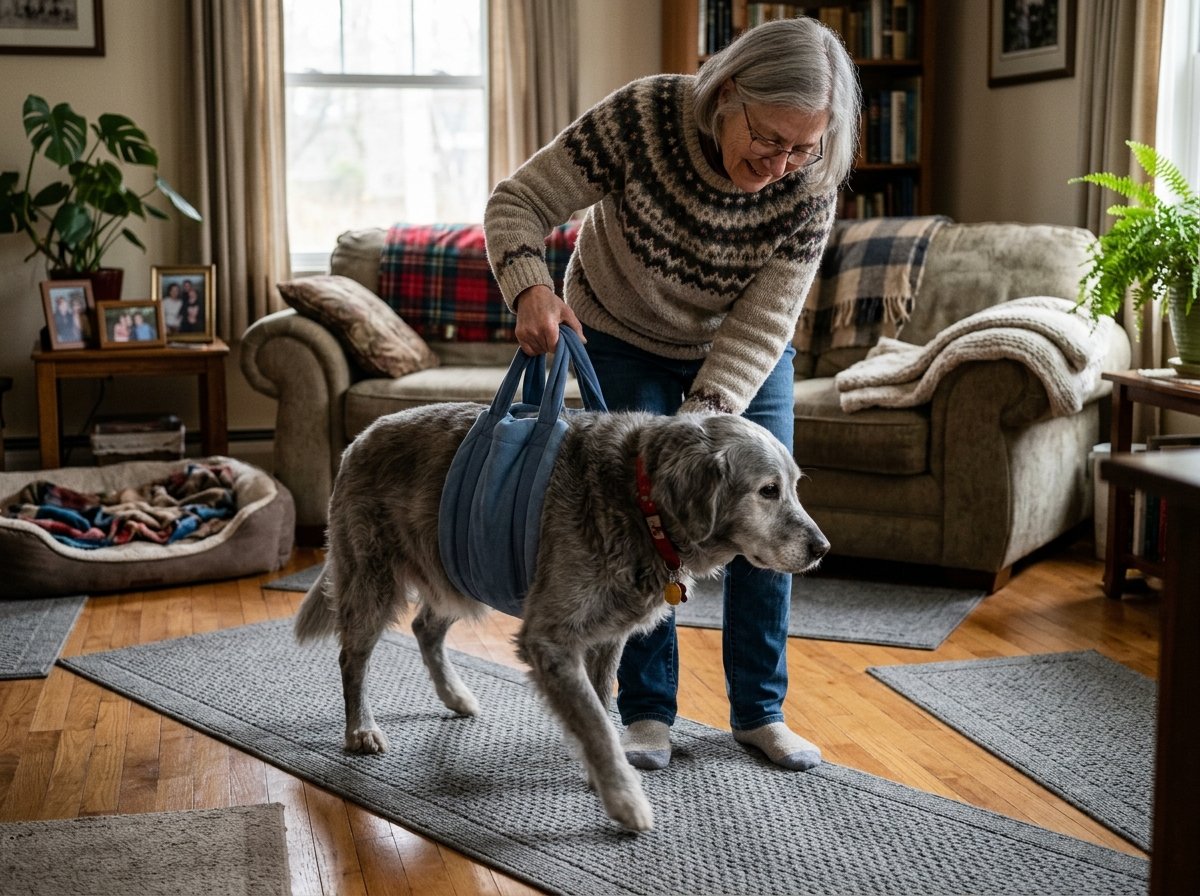
- Supportive Nursing Care: Padded resting zones, non-slip floor runners, towel slings, and hand-fed meals help your companion navigate the disorientation safely.
What Is the Canine Vestibular System?
To understand why your dog lost balance so rapidly, you must look at how canine equilibrium works. The vestibular system acts as your dog’s internal biological gyroscope. It informs the brain where the head and body sit in physical space relative to gravity.
Sensory receptors located inside the inner ear detect head motion and fluid shifts. These receptors send instantaneous electrical impulses through the vestibulocochlear nerve directly to the brainstem and cerebellum. The brain coordinates these signals with the eyes, neck, and limbs to keep your dog upright.
When sudden inflammation or sudden nerve disruption strikes this system, the internal gyroscope fails completely. The dog’s brain receives false signals that the room is violently spinning upside down. Severe vertigo, nausea, and disorientation take over, leaving your dog scrambling for footing.
Vestibular problems fall into two groups: peripheral (inner ear) and central (brain). The VCA Hospitals vestibular disease guide explains the difference. Peripheral disorders involve the inner ear or cranial nerve, while central disorders involve the brainstem itself. Most elderly dogs suffer from the peripheral variety, which carries a far brighter prognosis.
Classic Symptoms of Old Dog Vestibular Disease
Recognizing the hallmark signs of vestibular dysfunction helps you distinguish this condition from seizures, generalized arthritis weakness, or cardiovascular collapse. Symptoms develop very suddenly, often appearing within a matter of minutes or hours.
1. Pronounced Head Tilt
The dog holds their head rotated awkwardly to one side, with one ear dipping noticeably toward the shoulder. This tilt is persistent, not a curious cock of the head when listening to a strange sound. The head almost always tilts toward the side where the inner ear disturbance originated.
2. Involuntary Eye Darting (Nystagmus)
Looking closely into your dog’s eyes reveals eyeballs flicking rhythmically back and forth horizontally or rotating in small circles. This rapid, uncontrolled twitching is called nystagmus. It mirrors the disorienting feeling of watching telephone poles flash by from a fast train, causing profound motion sickness.
3. Staggering, Leaning, and Circling (Ataxia)
Dogs with vestibular disease lean heavily against walls or furniture for physical support. When attempting to walk, they drift or circle toward the side of the head tilt. In acute cases, they may roll over continuously onto their side when placed on their feet.
4. Motion Sickness, Nausea, and Vomiting
Because the world appears to be spinning incessantly, affected dogs experience intense sea sickness. You may notice heavy drooling, repeated lip smacking, refusal of treats, and foamy vomiting. Nausea is frequently the primary reason dogs become deeply depressed during the initial 48 hours.
5. Reluctance to Stand or Walk
Terrified by the sensation of falling, many dogs simply press their bodies flat against the floor. They splay their legs wide apart in a wide-based stance to create a broader center of gravity. They may whimper quietly when you encourage them to stand because moving makes the vertigo spin faster.
Diagnostic Comparison: Vestibular Syndrome vs. Stroke vs. Ear Infection
Because multiple conditions can make an older dog wobble, veterinarians run careful diagnostic checks to pinpoint the exact source of imbalance.
| Condition | Distinctive Clinical Signs | Primary Underlying Cause | Expected Recovery Timeline |
|---|---|---|---|
| Idiopathic Vestibular Syndrome | Sudden head tilt, horizontal nystagmus, wobbly gait, intact limb reflexes. | Spontaneous, non-infectious inflammation of the inner ear or balance nerve. | Rapid improvement in 72 hours; near-full recovery within 2 to 3 weeks. |
| Canine Stroke (Vascular Accident) | Unilateral limb paralysis, facial drooping, altered pupil sizes, mental stupor. | Disrupted blood supply to brain tissue from clot or ruptured blood vessel. | Variable; slow progress over months depending on location of brain injury. |
| Deep Middle Ear Infection | Head tilt, ear odor, discharge, pain when opening mouth or touching base of ear. | Chronic bacterial or yeast infection spreading into tympanic bulla. | Requires 4 to 6 weeks of targeted systemic and topical antibiotics. |
| Brainstem / Cerebellar Tumor | Gradual onset, vertical nystagmus, seizures, behavior shifts, weakness worsening. | Neoplastic mass putting mechanical pressure on central brain structures. | Progressive decline; managed with palliative steroids or oncology care. |
When to Rush to the Veterinary Clinic
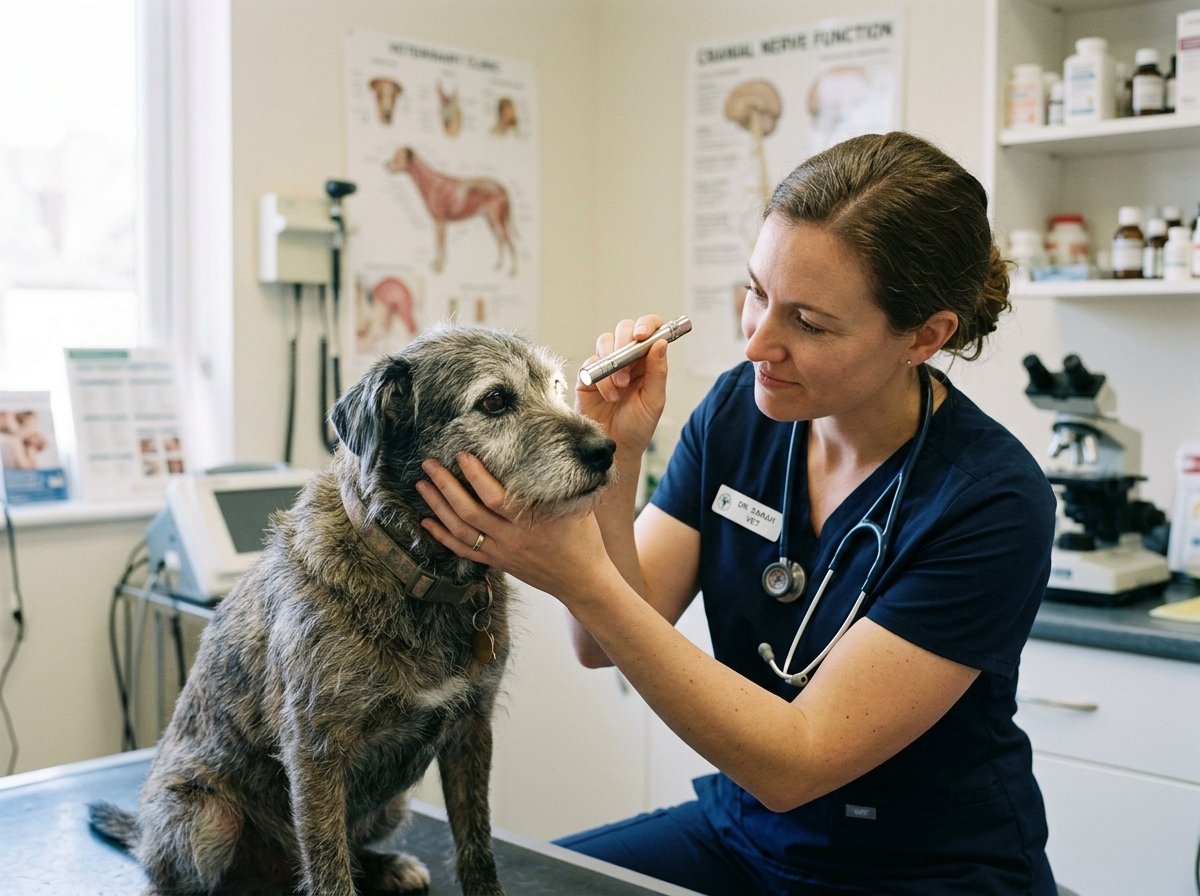
Any sudden loss of balance warrants prompt veterinary evaluation. While idiopathic vestibular disease is non-fatal, you need professional confirmation to rule out acute strokes, toxic ingestions, severe inner ear infections, or hypoglycemia.
Your veterinarian will perform a neurological exam to test cranial nerve responses, paw placement proprioception, and eye reflexes. They will examine deep ear canals with an otoscope to look for ruptured eardrums or bulging fluid behind the tympanic membrane.
Vertical nystagmus, where the eyes flick up and down, usually points to a central (brain) cause rather than an inner ear problem. See the VCA Hospitals vestibular disease guide for more. Horizontal or rotary flicking usually confirms benign peripheral disease, offering immediate relief to anxious pet owners.
Proven Medical Treatments and Supportive Therapies
Because idiopathic vestibular syndrome is self-limiting, there is no single pill that cures it instantly. Instead, medical treatment focuses on suppressing debilitating nausea, calming panic, and maintaining hydration while the body heals naturally.
1. Controlling Severe Nausea (Maropitant / Meclizine)
The most crucial medical intervention is halting motion sickness. Veterinarians frequently administer maropitant citrate (Cerenia) via subcutaneous injection or oral tablets. Cerenia blocks neurokinin-1 receptors in the brainstem vomiting center, rapidly quelling nausea.
Antihistamines like meclizine (Antivert) provide additional inner ear sedation by blocking vestibular stimulation. Relieving constant vertigo allows your dog to relax and accept fluids without immediately throwing up.
2. Subcutaneous Fluid Therapy
When dogs feel intensely dizzy, bending down to a water bowl sparks extreme disequilibrium. Many dogs become dehydrated within twenty-four hours because they cannot drink. Your vet may administer balanced electrolyte fluids under the skin to keep kidneys protected while your companion recovers.
3. Calming Sedatives for Panic Management
Waking up in a spinning world can terrify an older dog. In severe distress cases, mild sedatives like trazodone or gabapentin quiet anxiety and encourage restful sleep. Deep sleep gives the inflamed nervous system the peace it needs to reset its balance pathways.
Physical Rehabilitation and Assisted Mobility Exercises
Once acute vertigo subsides after the first few days, gentle rehabilitation helps retrain brain pathways. The nervous system relies on neuroplasticity to adapt to altered inner ear signals.
Begin with slow, guided standing exercises on a firm, non-slip rubber surface. Gently support your dog’s flanks while holding a tasty treat at eye level to encourage them to maintain balance for thirty seconds at a time. This simple practice helps sensory nerves in the paws recalibrate position awareness.
Gentle massage along the neck and spine also relieves muscular tension. Dogs with vestibular disease tense their neck muscles constantly to hold their tilted head steady. Soft, rhythmic strokes ease that tightness and improve comfort during rest periods.
Home Nursing Care: Creating a Safe Recovery Sanctuary
The bulk of recovery happens at home under your gentle, watchful care. Implementing simple nursing accommodations protects your dog from secondary injuries and relieves immense stress.
1. Cushion the Environment and Block Stairs
Wobbly dogs can easily strike sharp table corners, tumble down steps, or wedge themselves behind heavy furniture. Block all staircases with sturdy baby gates immediately. Create a secure, padded perimeter using cushions, rolled blankets, or soft foam play mats in a quiet corner of your main living space.
This layout directly aligns with our principles on keeping senior dogs comfortable when managing sudden mobility impairments. A cushioned nest keeps your dog safe from accidental slips during balance lapses.
2. Lay Down Non-Slip Floor Runners
Hardwood, tile, and laminate flooring turn into slick ice rinks for a vestibular dog. Place rubber-backed runner rugs or inexpensive yoga mats along the entire pathway from their bed to the bathroom door. Traction builds confidence and prevents frantic scrambling that exhausts weak leg muscles.
When helping your dog up to go outside, use a wide bath towel looped under their belly or a dedicated support harness. Our detailed guide on helping a senior dog get up demonstrates how gentle pelvic support stabilizes shaky rear legs without straining your own back.
3. Hand-Feeding and Elevated Bowls
Bending their neck downward often makes vertigo surge violently, causing dogs to back away from food bowls. Bring their food and water up to chin level by holding bowls in your hands, or place them on low sturdy boxes. Feed small, frequent meals of warm wet food, chicken, or bone broth to keep calorie intake steady.
Do not be alarmed if your dog has minor accidental leaks while resting during the first few days. Disorientation makes walking outside challenging. Many owners temporarily pair recovery with wraps for senior dog incontinence to keep beds clean and dry without stress.
4. Maintaining a Predictable Daily Routine
Familiar sounds, gentle voice tones, and consistent schedules anchor a disoriented dog emotionally. Keeping lights low during acute eye flicking reduces sensory overload. Following a steady senior dog daily routine reassures your loyal companion that their familiar world is still safe and intact.
Realistic Recovery Timeline: What to Expect Day by Day
Healing from geriatric vestibular disease follows a predictable, encouraging timeline in the vast majority of older dogs.
- Days 1 through 3 (The Acute Peak): Severe rolling, stumbling, heavy eye darting, and nausea peak within 48 hours. Focus entirely on hydration, anti-nausea meds, and calm rest.
- Days 4 through 7 (Noticeable Turning Point): Nystagmus subsides or disappears completely. Nausea fades, appetite returns, and dogs begin standing and walking unassisted with wide, cautious steps.
- Weeks 2 through 3 (Steady Independence): Balance improves dramatically. Dogs navigate rugs easily and resume happy tail wags and normal bathroom habits.
- Long-Term (The Residual Head Tilt): A mild head tilt may persist permanently in some dogs. This permanent tilt causes zero discomfort and does not impede their quality of life in any way.
Frequently Asked Questions
Is old dog vestibular disease a reason to euthanize?
No, idiopathic vestibular disease is almost never a reason for euthanasia. Although the symptoms look catastrophic and look very similar to end-of-life decline, it is not a fatal disease and causes no permanent brain injury. Given 72 hours of anti-nausea medication and supportive nursing care, most senior dogs make a remarkable, functional recovery.
Can a dog get vestibular disease more than once?
While most dogs only experience a single bout of idiopathic vestibular syndrome in their lifetime, recurrence is possible. A second episode may occur months or years later, occasionally affecting the opposite ear. If symptoms recur, a veterinary re-check confirms that underlying middle ear disease or thyroid imbalances have not developed.
How can I tell if my dog had a stroke or vestibular disease?
Canine strokes usually cause asymmetrical limb weakness, meaning the legs on one side of the body go limp while the other side remains strong. Strokes can also cause facial drooping and changes in mental alertness. In contrast, vestibular dogs maintain strong leg reflex movements despite severe balance loss, and their awareness remains bright once nausea passes.
Does vestibular disease cause pain in older dogs?
Idiopathic vestibular disease does not cause physical pain in the head, ear, or body. The sensation feels identical to severe sea sickness or acute human vertigo, leaving dogs dizzy, confused, and nauseated. Relieving that motion sickness removes the vast majority of their distress.
Can motion sickness medicine like Dramamine help?
Over-the-counter meclizine or dimenhydrinate (Dramamine) can help suppress vertigo and nausea under veterinary supervision. However, you should never administer human motion sickness medications without confirming exact canine dosages with your veterinarian. Modern veterinary anti-nausea medications like Cerenia are significantly more effective and fast-acting.
Hope and Healing for Your Senior Dog
Witnessing your faithful companion lose balance so suddenly is heartbreaking, but do not lose hope. The storm of acute vestibular disease looks terrifying, yet the canine body possesses an astonishing ability to recalibrate its inner balance.
Wrap your dog in supportive warmth, follow your veterinarian’s medication plan, and give them the gentle nursing care they need. Within just a few short days, you will likely watch that gray muzzle lift with renewed confidence and steady balance once again.