


Watching your faithful senior dog take slow, hesitant steps across the living room rug, pause before climbing the patio steps, or struggle to stand after an afternoon nap is a tender reminder that time is passing. For years, their body moved with effortless spring and boundless enthusiasm. As the golden years arrive, natural wear and tear within joint cartilage, aging cellular membranes, and low-grade systemic inflammation quietly sap their daily vitality.
When searching for gentle, research-backed ways to support an aging companion, few nutritional tools offer the clinical impact of omega 3 for senior dogs. Unlike synthetic pharmaceuticals that carry risks of liver or kidney strain, marine-derived long-chain fatty acids provide targeted nourishment that works directly at the cellular level. By damping down inflammatory pathways, these essential fatty acids offer relief across multiple aging organ systems simultaneously.
If your companion is dealing with stiff, arthritic hips, early kidney decline, cognitive fog, or dry, flaky skin, adding the right marine oils to their daily dish can restore comfort and brighten their golden years. In this guide, you will explore the science of marine fatty acids, uncover the seven primary clinical benefits, learn exact weight-based dosing math, and discover how to choose the purest oil for your senior pet.
Quick Answer:
Omega 3 for senior dogs provides therapeutic long-chain fatty acids, specifically Eicosapentaenoic Acid (EPA) and Docosahexaenoic Acid (DHA), which displace pro-inflammatory arachidonic acid in cell membranes. Clinical trials demonstrate that daily marine omega-3 supplementation reduces joint pain in osteoarthritis, preserves renal blood flow in kidney disease, improves cognitive function in aging brains, and soothes dry, pruritic skin. For therapeutic joint and organ support, veterinary nutritionists recommend approximately 75 to 100 milligrams of combined EPA and DHA per kilogram of body weight daily (roughly 35 to 45 mg per pound), sourced from cold-water wild fish oils in triglyceride form.
Key Takeaways:
- Marine vs Plant Sources: Dogs lack the delta-6 desaturase enzymes needed to convert plant ALA (from flaxseed) into active EPA and DHA; always choose marine fish oil or algal oil.
- Joint Cartilage Protection: EPA blocks the matrix metalloproteinase enzymes that break down joint cartilage, noticeably improving mobility and reducing reliance on NSAIDs.
- Kidney Preservation: Omega-3 fatty acids lower intraglomerular capillary hypertension, protecting delicate nephrons in senior dogs with chronic renal insufficiency.
- Brain Aging Defense: DHA crosses the blood-brain barrier to maintain neural membrane fluidity, helping prevent disorientation and Canine Cognitive Dysfunction.
- Dosing Precision Matters: Calculate dosages based on combined EPA and DHA milligrams rather than generic teaspoons of fish oil to avoid underdosing or gastrointestinal upset.
The Science of Fatty Acids: Why EPA and DHA Matter Most for Older Dogs
To understand why marine fatty acids are so valuable for older dogs, you must look at how fats operate within canine cell biology. Fats are not merely concentrated sources of calories. They form the foundational lipid bilayer of every cell membrane in your dog’s body and serve as chemical precursors for signaling molecules that regulate systemic inflammation.
Fatty acids are categorized into two major opposing families: Omega-6 and Omega-3. Most commercial dry dog foods are naturally heavy in omega-6 fatty acids derived from poultry fat, corn, and seed oils. Omega-6 fats produce arachidonic acid, which enzymatic pathways convert into pro-inflammatory series-2 prostaglandins and series-4 leukotrienes. While short-term inflammation helps fight acute infections, chronic unchecked inflammation damages aging tissues over time.
Marine-derived omega-3 fatty acids provide two long-chain polyunsaturated superstars: Eicosapentaenoic Acid (EPA) and Docosahexaenoic Acid (DHA). When your dog consumes EPA and DHA, these molecules physically replace arachidonic acid within cell membranes. When inflammatory triggers arise, the cells release series-3 prostaglandins and series-5 leukotrienes instead, which are dramatically less inflammatory. This biochemical substitution effectively turns down the systemic flame throughout your dog’s body.
The Plant-Based Flaxseed Trap: Why ALA Fails Senior Canines
A common mistake pet parents make is buying flaxseed oil or chia seeds, believing they provide the same benefits as fish oil. Plant oils contain Alpha-Linolenic Acid (ALA), a short-chain omega-3 fatty acid. In human biology, ALA can be converted in small amounts into active EPA and DHA through enzymatic elongation.
Canine physiology is vastly different. Research demonstrates that dogs possess negligible amounts of the necessary delta-6 and delta-5 desaturase enzymes. As a result, an older dog converts less than one to two percent of plant ALA into active EPA, and virtually zero percent into DHA. Feeding flaxseed provides skin hydration from raw fats, but it delivers none of the therapeutic anti-inflammatory, cardiac, or cognitive protections of marine oils. For aging canines, marine-sourced EPA and DHA are irreplaceable.
1. Soothing Chronic Osteoarthritis and Joint Stiffness
Osteoarthritis is the most widespread source of chronic discomfort in senior canines. Decades of joyful running gradually erode the smooth hyaline cartilage capping the ends of their bones. As cartilage wears thin, bone grates against bone, triggering synovial inflammation, osteophyte (bone spur) formation, and debilitating joint stiffness.
EPA provides direct biological relief for arthritic joints. When chondrocytes (cartilage cells) are exposed to EPA, the fatty acid suppresses the genetic expression of matrix metalloproteinases (MMPs) and aggrecanases. These are the specific destructive enzymes responsible for digesting cartilage collagen. By turning off these enzymes, EPA slows down joint degradation.
Clinical studies show that dogs receiving therapeutic doses of EPA and DHA show significant improvements in weight-bearing capacity on force-plate gait analyses. In many cases, adding quality fish oil allows veterinarians to safely lower the required daily dose of non-steroidal anti-inflammatory drugs (NSAIDs), sparing older livers and kidneys from chemical stress. For a deeper look at complementary joint helpers, explore our guide on senior dog joint supplements and ingredients that help.
2. Protecting Aging Kidney Filtration and Slowing Renal Decline
Chronic kidney disease is a leading health concern for dogs entering their senior years. The kidneys filter waste products from the blood through microscopic functional units called nephrons. As nephrons degrade, remaining healthy units must work harder, leading to intraglomerular capillary hypertension and protein leakage into the urine (proteinuria).
Omega-3 fatty acids provide vital renal support. Clinical trials conducted at veterinary teaching hospitals confirm that dietary EPA and DHA reduce intraglomerular pressure by promoting renal vasodilation. This soothing circulatory effect slows down the progression of glomerulosclerosis and interstitial fibrosis. In addition, omega-3s decrease urinary protein loss, which directly correlates with prolonged survival times in senior pets with renal insufficiency.
According to veterinary pharmacological resources from VCA Animal Hospitals on fish oil supplementation, marine fatty acids are routinely recommended as a standard supportive therapy for dogs diagnosed with chronic renal disease. To identify the early physical signs of renal changes, review our detailed guide on kidney disease in senior dogs, stages, and care.
3. Preserving Cognitive Sharpness and Combating Canine Dementia
Just like aging humans, older dogs can experience progressive neurodegenerative changes known as Canine Cognitive Dysfunction (CCD), or canine dementia. Senior dogs may wander aimlessly, stare blankly at walls, pace restlessly at night, or forget basic house-training habits that were second nature for a decade.
The canine brain is composed largely of lipids, and DHA is the single most abundant polyunsaturated fatty acid in neural tissue and retinal membranes. DHA maintains fluid synaptic membranes, facilitates neurotransmitter transmission, and protects delicate neurons against oxidative damage and beta-amyloid plaque deposition. In clinical trials, older dogs supplemented with high-DHA marine oils showed measurable improvements in problem-solving ability, spatial memory retention, and nighttime sleep cycles.
Starting omega-3 supplementation before severe disorientation takes hold provides neuroprotective insurance for your dog’s brain. If your aging companion is beginning to show subtle behavioral shifts, read our companion article on canine dementia warning signs and senior carening signs.
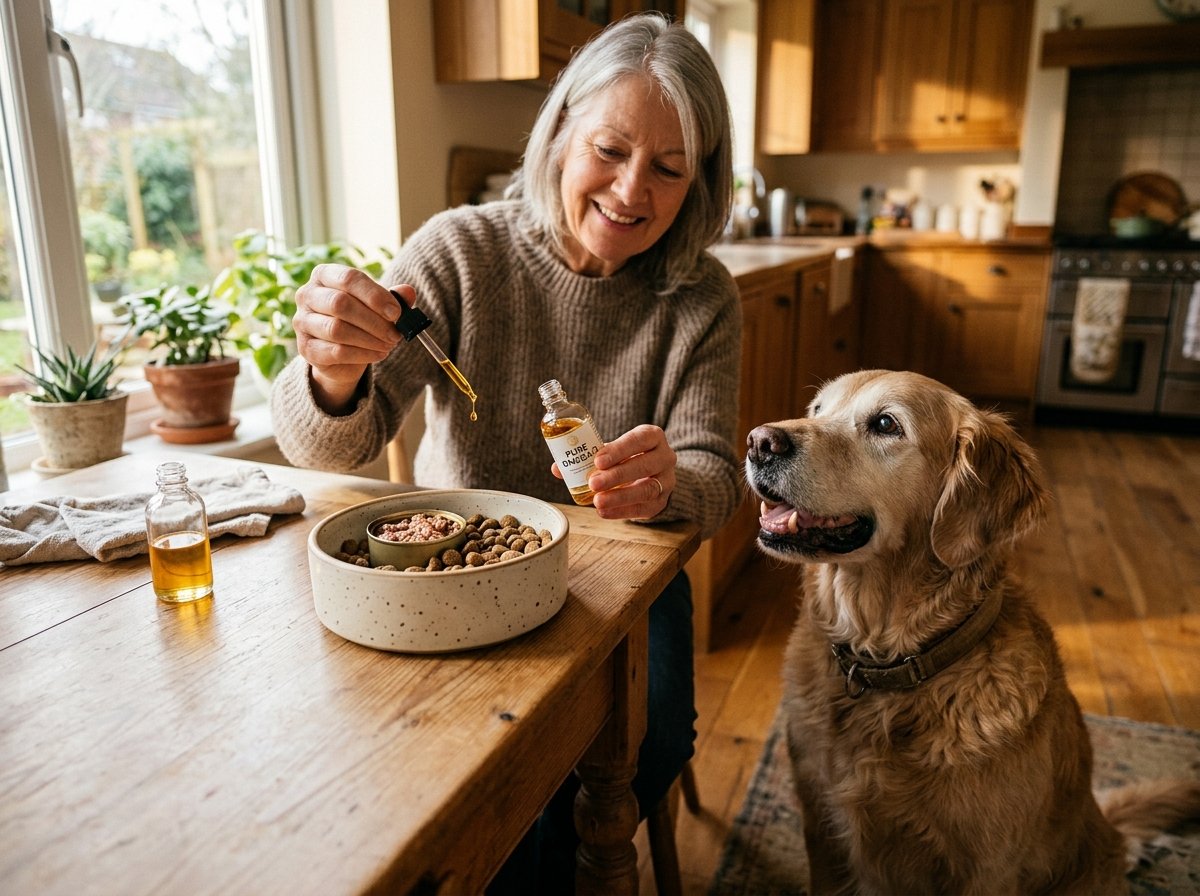
4. Supporting Cardiac Function and Preventing Muscle Wasting
Heart disease frequently affects older dogs, particularly degenerative mitral valve disease in small breeds and dilated cardiomyopathy in larger breeds. Cardiac disease triggers a dangerous metabolic condition known as cardiac cachexia, where inflammatory cytokines like Tumor Necrosis Factor-alpha (TNF-alpha) and Interleukin-1 strip lean muscle tissue from the dog’s spine and shoulders.
EPA and DHA work directly on cardiac physiology. They reduce circulating levels of muscle-wasting inflammatory cytokines, helping your older dog retain vital lean body mass. Additionally, omega-3 fatty acids stabilize cardiac electrical conduction in ventricular myocytes, reducing the frequency of dangerous cardiac arrhythmias. They also lower systemic vascular resistance, making it easier for an aging heart to pump oxygenated blood throughout the body.
5. Restoring Skin Barrier Function and Quenching Dry Senior Itch
As canines age, the sebaceous glands in their skin produce less protective natural sebum. The epidermal moisture barrier weakens, leading to dry, flaky skin, dull brittle coats, and persistent itching. Environmental allergens penetrate dry skin more easily, triggering chronic allergic dermatitis and secondary bacterial or yeast infections.
Supplementing with marine oils restores the skin’s natural lipid barrier from the inside out. EPA and DHA incorporate into epidermal cell membranes, reducing transepidermal water loss and preventing moisture from evaporating into the air. The anti-inflammatory action of EPA also calms the intense erythema (redness) and scratching caused by allergic skin flare-ups. If your companion is scratching constantly, check out our guide on dog skin allergies in senior dogs, causes, and relief.
6. Preserving Lean Muscle Mass Against Sarcopenia
Age-related loss of skeletal muscle mass, known as canine sarcopenia, affects virtually every geriatric dog. Sarcopenia is distinct from starvation; it occurs even when an older dog eats regular meals. Aging muscles develop anabolic resistance, meaning they become less responsive to the muscle-building signals of dietary amino acids.
Emerging veterinary research reveals that EPA and DHA enhance muscle protein synthesis in aging animals. By activating the mTOR signaling pathway and downregulating inflammatory catabolism, omega-3 fatty acids help older dogs extract greater muscle-building value from their daily meals. Maintaining strong quadriceps and spinal muscles provides essential mechanical support for arthritic joints, keeping older dogs walking confidently on their paws.
7. Regulating Immune Function and Dampening Cytokines
Aging induces a state of chronic, low-grade systemic inflammation termed “inflammaging,” coupled with a decline in adaptive immune responses known as immunosenescence. This delicate imbalance leaves senior dogs vulnerable to chronic inflammatory diseases while diminishing their ability to clear everyday infections.
Omega-3 fatty acids act as gentle biological immunomodulators. Rather than shutting down the immune system like high-dose steroid medications, EPA and DHA balance cytokine production. They promote the formation of specialized pro-resolving mediators (SPMs) known as resolvins, protectins, and maresins. These natural biological compounds actively clean up cellular debris and turn off inflammatory cascades once their job is done, helping aging tissues repair and regenerate.
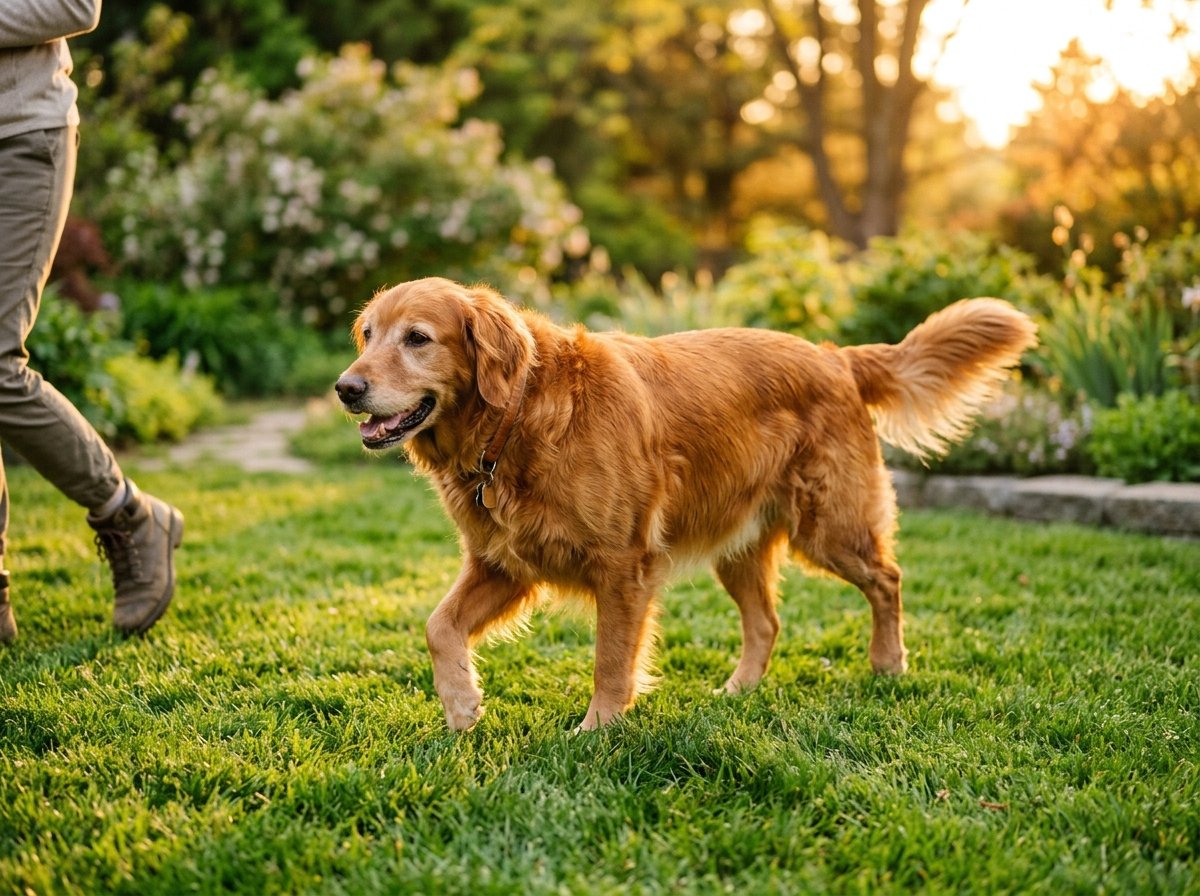
Veterinary Dosing Guide: How Much Omega 3 Does Your Senior Dog Need?
One of the most frequent points of confusion for pet parents is figuring out how much fish oil to give. Many commercial bottles simply advise “one pump per twenty pounds.” This generic guidance is often inaccurate because the concentration of active EPA and DHA varies wildly between brands.
Veterinary nutritionists calculate dosages based on the combined milligrams of EPA and DHA, not the total volume of liquid oil. For senior dogs with osteoarthritis or chronic inflammatory conditions, the recommended therapeutic dosage range is approximately 75 to 100 milligrams of combined EPA and DHA per kilogram of body weight daily (roughly 35 to 45 milligrams per pound).
| Dog Weight (lbs / kg) | Daily Maintenance (EPA + DHA) | Therapeutic Dose (Arthritis / Kidneys) | Typical Fish Oil Volume |
|---|---|---|---|
| Toy (10 lbs / 4.5 kg) | 150 to 200 mg | 350 to 450 mg | Approx. 1/4 teaspoon |
| Small (20 lbs / 9 kg) | 300 to 400 mg | 700 to 900 mg | Approx. 1/2 teaspoon |
| Medium (40 lbs / 18 kg) | 600 to 800 mg | 1,400 to 1,800 mg | Approx. 1 teaspoon |
| Large (60 lbs / 27 kg) | 900 to 1,200 mg | 2,100 to 2,700 mg | Approx. 1.5 teaspoons |
| Extra Large (80 lbs / 36 kg) | 1,200 to 1,600 mg | 2,800 to 3,600 mg | Approx. 2 teaspoons |
| Giant (100+ lbs / 45+ kg) | 1,500 to 2,000 mg | 3,500 to 4,500 mg | Approx. 2.5 teaspoons |
Always examine the “Guaranteed Analysis” panel on the back of the bottle. Add together the milligrams of EPA and DHA per serving to find the total active dose. To ensure you do not overfeed total daily calories when adding dietary fats, consult our weight-based guide on how much to feed a senior dog with portion tips.
Comparing Marine Oil Sources: Salmon, Sardine, Anchovy, Krill, or Algae?
Not all marine omega-3 sources are created equal. The type of marine organism used directly affects purity, potency, and sustainability.
| Oil Source | Fatty Acid Potency | Heavy Metal Risk | Best Feature |
|---|---|---|---|
| Small Forage Fish (Sardine & Anchovy) | Very High (Concentrated EPA/DHA) | Lowest; short lifespan prevents accumulation | Gold standard for safety and heavy metal purity |
| Wild Alaskan Salmon Oil | Moderate to High | Low (when sourced from wild cold waters) | Exceptional palatability; rich in astaxanthin |
| Antarctic Krill Oil | Moderate (Bound to phospholipids) | Extremely Low; pristine polar waters | Superior cellular bioavailability; potent antioxidant |
| Marine Algal Oil | High DHA, Moderate EPA | Zero; cultivated in closed bioreactors | 100% vegan; ocean-friendly sustainable alternative |
| Plant Seed Oils (Flax / Chia) | Poor (Contains only ALA) | Zero | Not recommended for canine therapeutic anti-inflammatory use |
For most senior canines, oils made from wild small forage fish (sardines and anchovies) provide the best balance of therapeutic potency and purity. Because these small fish sit at the bottom of the ocean food chain and live short lifespans, they do not bioaccumulate heavy metals like mercury, lead, or PCBs the way large apex predator fish do.
For more insights on veterinary perspectives on dietary fatty acids, read the authoritative analysis from the Tufts Clinical Nutrition Service on fish oil for pets.
How to Select a High-Quality Fish Oil: Purity and Safety Checklist
The pet supplement market is filled with low-grade oils that may do more harm than good. Polyunsaturated fats are chemically delicate and prone to oxidation when exposed to heat, light, and oxygen. Rancid fish oil introduces harmful free radicals and lipid peroxides that increase internal inflammation rather than reducing it.
When selecting an omega-3 supplement for your aging companion, insist on the following quality standards:
- Natural Triglyceride Form (TG): Look for oils in their natural triglyceride or re-esterified triglyceride form. Avoid cheap ethyl ester (EE) oils, which are synthetic by-products of chemical processing that dogs absorb poorly.
- Molecular Distillation: Choose products that undergo molecular distillation under cold temperatures to strip away heavy metals, PCBs, and environmental dioxins.
- Third-Party Purity Testing: Verify that the manufacturer provides a Certificate of Analysis (COA) tested by independent bodies such as IFOS (International Fish Oil Standards) or the National Animal Supplement Council (NASC).
- Light-Blocking Dark Glass Packaging: High-grade oils are bottled in dark amber glass or nitrogen-flushed aluminum bottles with airless pump dispensers to prevent light oxidation. Never buy clear plastic squeeze bottles.
- Natural Vitamin E (d-alpha-tocopherol): Processing omega-3 fats consumes the body’s natural vitamin E reserves. Quality formulas include natural vitamin E as an antioxidant preservative to protect both the oil in the bottle and your dog’s internal tissues.
Potential Side Effects, Risks and When to Use Caution
While omega-3 fatty acids are exceptionally safe when administered properly, they are pharmacologically active fats. Senior dog parents should be aware of a few key precautions:
1. Pancreatitis Risk
Because fish oil is pure fat, introducing a full therapeutic dose overnight can trigger digestive upset, greasy diarrhea, or a painful flare-up of acute pancreatitis in dogs prone to digestive illness. If your dog has a history of pancreatitis, consult your veterinarian before adding concentrated fatty acids.
2. Mild Anti-Platelet Effects (Blood Thinning)
High doses of EPA reduce platelet aggregation, which is beneficial for cardiovascular health but can slightly prolong bleeding times. If your senior dog is scheduled for dental extractions or orthopedic surgery, most veterinary surgeons advise discontinuing fish oil supplementation five to seven days before the procedure.
3. Beware of Cod Liver Oil
Never substitute cod liver oil for standard fish body oil. Cod liver oil is pressed from fish livers and contains massive concentrations of fat-soluble vitamins A and D. Because dogs store these vitamins in their liver and cannot excrete excess amounts easily, supplementing cod liver oil at therapeutic omega-3 doses can cause dangerous vitamin A or D toxicity and bone deformities.
Step-by-Step Introduction Protocol for Senior Canines
To avoid gastrointestinal upset and ensure smooth digestive acceptance, introduce fish oil gradually over two weeks:
- Days 1 to 4: Begin with one-quarter of the target daily dose mixed thoroughly into their evening meal.
- Days 5 to 8: If stool remains firm and normal, increase to one-half of the target dose.
- Days 9 to 12: Increase to three-quarters of the target dose.
- Day 13 and onward: Transition to the full therapeutic daily dose.
Keep open bottles refrigerated at all times and discard any unused oil after sixty to ninety days. Sniff the oil before each use. Quality fish oil should smell fresh like the ocean; if it smells sharp, sour, or rancid, discard it immediately.
Veterinary orthopedic research from the Cornell University College of Veterinary Medicine on canine osteoarthritis confirms that consistent daily nutritional management yields the greatest long-term mobility benefits.
Frequently Asked Questions
How long does it take for omega 3 to work in older dogs?
Unlike fast-acting pharmaceuticals, omega-3 fatty acids must physically incorporate into cell membranes before clinical improvements become visible. Most pet parents begin noticing improved coat luster and reduced skin flaking within two to three weeks. For chronic joint stiffness, mobility improvements, and kidney support, expect to see noticeable benefits after six to eight weeks of consistent daily supplementation.
Can I give my senior dog human fish oil capsules?
Yes, human-grade fish oil capsules are generally safe for dogs, provided they contain only pure fish oil and natural vitamin E without added flavorings or artificial sweeteners. Always check the ingredient label carefully to ensure the product contains zero xylitol (birch sweetener), which is lethal to dogs. Keep in mind that human capsules are dosed for adults, making exact dosing tricky for small or toy breeds.
Will omega 3 make my older dog gain weight?
Fish oil is energy-dense, containing approximately forty calories per teaspoon. While a few drops will not impact a large dog, providing two full teaspoons daily to an overweight senior can contribute uncounted calories. If your companion is on a strict weight management plan, subtract a few kibble pellets from their daily dish to balance out the healthy fat calories.
Can I give my senior dog fish oil if they take joint supplements?
Yes, fish oil pairs exceptionally well with traditional joint supplements like glucosamine, chondroitin sulfate, and hyaluronic acid. Glucosamine and chondroitin provide raw structural building blocks to support cartilage matrix synthesis, while EPA actively shuts down the inflammatory enzymes that destroy cartilage. Together, they create a synergistic joint comfort regimen.
What are the signs of fish oil overdose in dogs?
The most common symptoms of excessive fish oil intake include loose stools, greasy foul-smelling diarrhea, vomiting, and a strong fishy odor emanating from the skin or breath. In rare instances, severe overdosing can trigger pancreatitis or impaired blood clotting. If your dog accidentally consumes an entire bottle of fish oil, contact your veterinarian or animal poison control immediately.
Is wild salmon oil better than farmed salmon oil for dogs?
Yes, wild-caught salmon oil is markedly superior to farmed salmon oil. Wild salmon feast on a natural marine diet of krill, plankton, and smaller fish, producing a rich fatty acid profile with high natural astaxanthin antioxidants. Farmed salmon are raised on commercial pellet feeds often high in soy and terrestrial grains, resulting in lower omega-3 potency and higher pro-inflammatory omega-6 ratios.
Nourishing Your Senior Dog with Daily Compassion
Watching your dog grow gray around the eyes brings a tender appreciation for every quiet moment you share together. While we cannot halt the natural hands of time, providing targeted, evidence-based nutrition gives your companion the physical comfort, mental clarity, and joint ease they deserve in their golden years.
Introducing high-quality omega 3 into your senior dog’s daily meal is a simple, loving habit that yields profound health dividends. Partner with your veterinarian to establish the optimal daily dose, observe their renewed bounce as the weeks progress, and treasure every joyful tail wag along the way.