

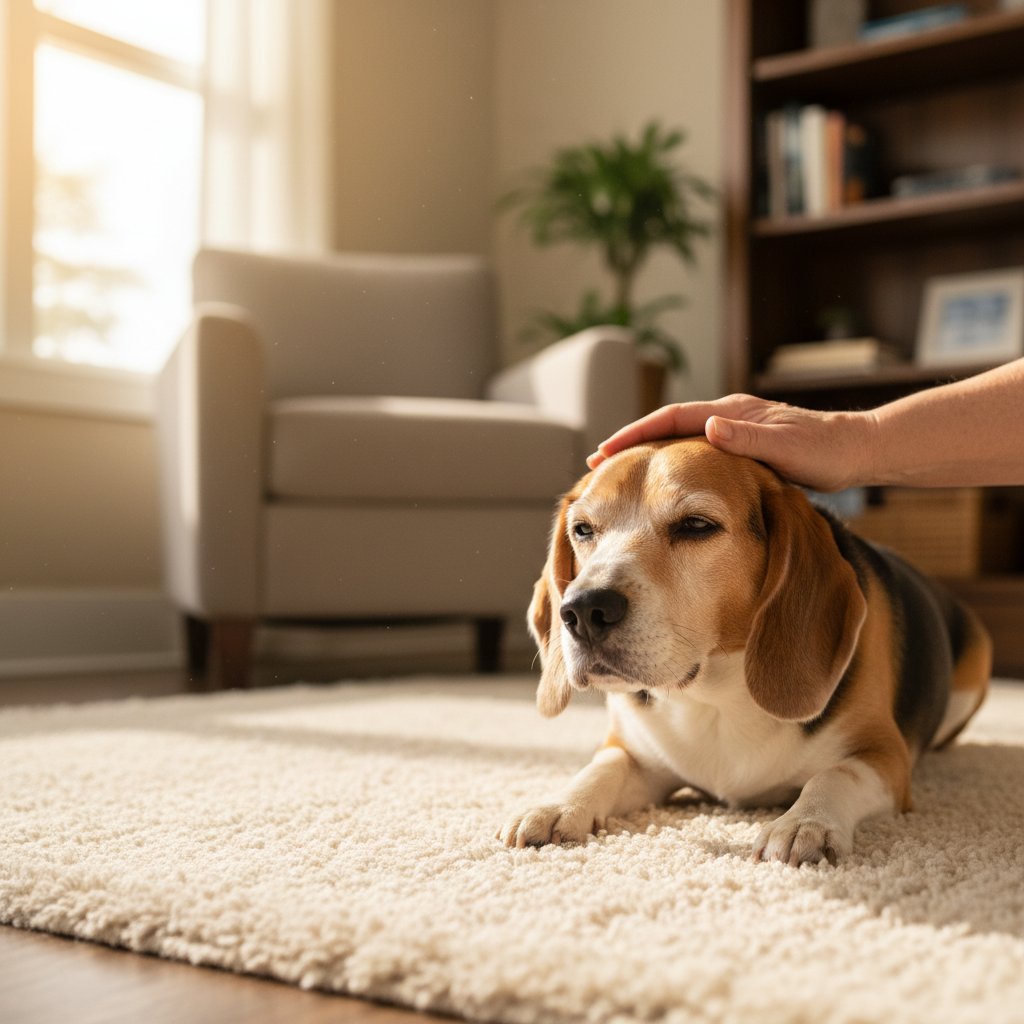
Your senior dog trots over to give you a warm greeting, but as soon as they pant near your face, you pull away instinctively. The foul smell coming from their mouth is far stronger than normal dog breath.
Many pet owners dismiss bad breath as a harmless, inevitable side effect of canine aging. However, persistent dog breath odor is never normal, and it rarely stems from old age alone.
Foul mouth odors are clear physiological signals that something requires attention inside your companion’s body. From advanced periodontal decay to hidden metabolic illness, decoding the exact scent helps you get your dog the relief they need.
Quick Answer:
Dog breath odor in senior dogs is primarily caused by advanced periodontal disease, where anaerobic bacteria colonize tartar below the gumline and produce smelly sulfur compounds. However, distinct odors also indicate systemic medical conditions, such as sweet breath from diabetes or ammonia scents from kidney decline. Professional veterinary dental scaling and daily enzymatic care effectively eliminate odor and relieve chronic oral pain.
Key Takeaways:
- Dental Disease Prevalence: More than 85% of dogs over age four suffer from active periodontal disease, making subgingival bacteria the primary culprit.
- Scent Clues: Rotten meat scents point to teeth decay, chemical ammonia points to kidneys, and fruity scents indicate diabetic ketoacidosis.
- Cardiovascular Risk: Oral bacteria enter the bloodstream through ulcerated gums, causing microscopic damage to aging heart valves and kidneys.
- Multi-Step Relief: Combining professional veterinary dental cleaning with enzymatic gels and water additives delivers lasting fresh breath and pain relief.
Why Does Old Dog Breath Smell Worse?
Over a dog’s lifetime, saliva, food particles, and oral bacteria combine on tooth enamel to form a soft, sticky biofilm called plaque. If this plaque is not brushed away daily, minerals in canine saliva harden it into rocky calculus (tartar) within forty-eight hours.
Tartar creates a rough, porous shield where colonies of anaerobic bacteria multiply rapidly. As these bacteria feed on trapped proteins, they release volatile sulfur compounds such as hydrogen sulfide and methyl mercaptan.
These sulfur gases produce the classic putrid, rotten stench associated with canine halitosis. In older canines, decades of tartar accumulation create deep periodontal pockets around tooth roots.
Saliva production also decreases as dogs age, leading to a dry mouth. Without natural saliva flow to wash away food particles, bacteria proliferate unchecked, intensifying the odor.
Breed Predispositions: Why Small Seniors Suffer More
While any senior canine can develop foul breath, small and toy breeds face severe biological disadvantages. Breeds like Yorkies, Chihuahuas, Maltese, and Dachshunds suffer from severe periodontal disease much earlier in life.
Small dogs have forty-two adult teeth packed into tiny jawbones. This severe crowding creates tight spaces where hair, food particles, and bacteria wedge tightly between enamel walls.
Toy breeds also have thinner alveolar bone supporting their tooth roots. Decaying bacteria erode this fragile bone quickly, causing premature tooth loss and deep jaw infections.
Larger senior breeds develop dental disease as well, especially if they have fractured chewing teeth on hard bones or antlers during their younger years.
Decoding the Scent: What Your Dog’s Breath Means
Not all bad breath smells identical. Veterinarians pay close attention to the specific aroma profile because different scents point directly to different organ systems.
| Scent Profile | Likely Cause | Accompanying Symptoms | Urgency Level |
|---|---|---|---|
| Rotten Meat / Putrid | Periodontal disease, tooth root abscess, oral mass | Red bleeding gums, dropped kibble, pawing at mouth | Moderate, schedule vet exam within days |
| Ammonia / Chemical / Urine | Chronic kidney failure, uremic toxins | Excessive thirst, frequent urination, vomiting, weight loss | High, prompt veterinary assessment |
| Sweet / Fruity / Acetone | Diabetes mellitus, diabetic ketoacidosis | Ravenous hunger with weight loss, weakness, cloudy eyes | High, emergency vet visit needed |
| Musty / Moldy / Extremely Foul | Liver disease, hepatic insufficiency | Yellowing gums or eyes (jaundice), abdominal swelling | High, immediate veterinary intervention |
| Fecal / Sewage | Intestinal blockage, severe coprophagia | Vomiting, abdominal guarding, painful bloating | Emergency if accompanied by vomiting |
Top 5 Causes of Dog Breath Odor in Older Pets
Investigating the root cause of halitosis requires examining both local oral issues and broader internal health factors.
1. Periodontal Disease and Gingivitis
Periodontal disease is by far the leading cause of foul breath in older dogs. According to the Merck Veterinary Manual periodontal disease guidelines, inflammation begins at the gingival margin before destroying the periodontal ligament and alveolar bone supporting each tooth.
When gums recede, deep pockets form along the roots, trapping decaying food particles, shedding epithelial cells, and purulent bacteria. The resulting infection produces a relentless, sickening odor.
Hard foods can become agonizing to chew under these conditions. If your dog hesitates to eat dry biscuits, review our advice on kibble dog food for senior dogs to learn how softening meals protects sore gums.
2. Tooth Root Abscesses and Oronasal Fistulas
The upper fourth premolar (carnassial tooth) has three deep roots reaching close beneath your dog’s eye socket. Bacteria invading this tooth can form an abscess deep in the maxillary bone.
In advanced cases, the infection erodes through the delicate bone separating the mouth from the nasal passage, creating an oronasal fistula. Pus and food debris leak straight into the nasal cavity, producing nasal discharge and severe bad breath.
If you notice facial swelling or sudden nasal irritation, explore our clinical guide on dog sneezing in senior dogs to understand warning signs of tooth root infections.
3. Kidney Disease and Uremic Breath
Healthy kidneys filter metabolic wastes and nitrogenous toxins out of the bloodstream. When renal function declines, waste products like blood urea nitrogen accumulate throughout the body.
Salivary enzymes break down these circulating wastes into volatile ammonia gases, creating a pungent metallic, fishy, or bleach-like odor. Dogs with uremia also develop painful mouth ulcers along the tongue and inner cheeks.
For a detailed breakdown of renal decline stages and diagnostic blood tests, read our complete guide on kidney disease in dogs.
4. Diabetes Mellitus and Ketoacidosis
Senior dogs with uncontrolled diabetes cannot use blood glucose for cellular energy. Their bodies begin breaking down fat stores for fuel, creating acidic by-products known as ketones.
Ketones produce a distinctly sweet, fruity, or nail polish remover (acetone) scent on your dog’s breath. If accompanied by excessive drinking and rapid weight loss, this condition represents a medical emergency called diabetic ketoacidosis.
5. Oral Tumors and Growths
Geriatric dogs have a higher risk of developing oral masses, including benign epulides as well as malignant melanomas and squamous cell carcinomas. Tumors often grow unnoticed beneath the tongue or at the back of the palate.
Because oral tumors have fragile blood supplies, sections of the mass can outgrow circulation, necrose, and become infected by oral bacteria. Dead tissue inside the mouth creates an overpowering, rotten odor that resists ordinary brushing.
The Hidden Threat: How Bad Breath Harms Vital Organs
Bad breath is far more than an unpleasant cosmetic annoyance. The inflamed, ulcerated gums accompanying severe dental disease act as open gateways directly into your dog’s bloodstream.
Every time an older dog with periodontal disease chews a treat or plays with a toy, millions of oral bacteria enter the blood circulation. These bacteria travel straight to major organs.
According to the AVMA companion pet dental care guidelines, chronic oral bacteremia is strongly linked to microscopic micro-abscesses in the kidneys, liver, and heart valves.
Treating your older dog’s oral health is not just about fresh breath. It is a vital medical step that shields their heart and kidneys from preventable damage.
Veterinary Solutions: The Gold Standard Dental Cleaning
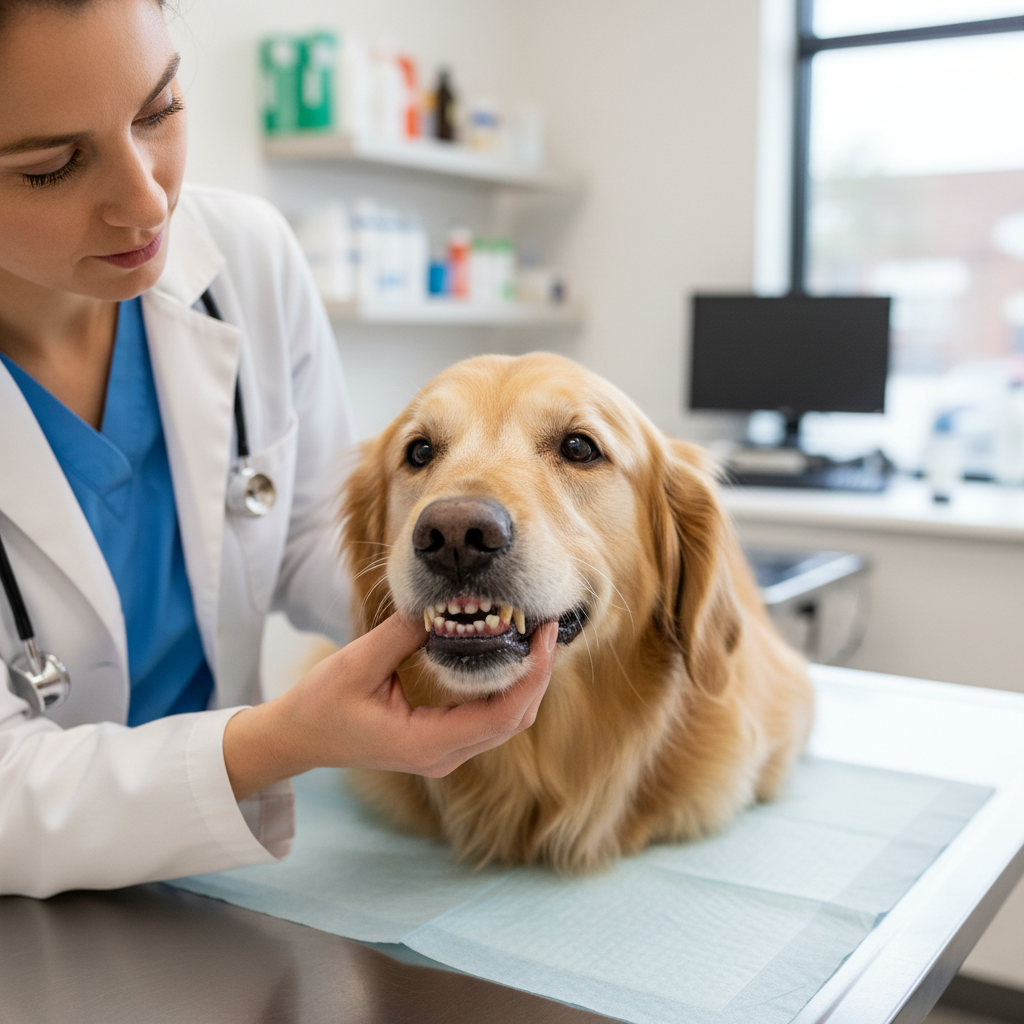
Over-the-counter chews and sprays can mask minor scents, but they cannot cure advanced dental infections. True resolution requires a professional veterinary dental procedure performed under general anesthesia.
Why Anesthesia Is Essential
Many owners worry about putting a senior dog under anesthesia. However, anesthesia-free cosmetic dental cleanings only scrape visible calculus off the tooth crown while leaving deep subgingival infection untouched.
During a professional veterinary dental procedure, modern protocols protect your older companion at every step:
- Pre-Anesthetic Blood Panels: Full laboratory testing verifies liver and kidney function before any sedative is administered.
- Full Dental Radiographs (X-rays): Subgingival X-rays reveal tooth root abscesses, bone loss, and hidden decay invisible to the naked eye.
- Dedicated Monitoring: Veterinary technicians monitor heart rhythm, blood oxygen, blood pressure, and core temperature throughout the cleaning.
- Subgingival Ultrasonic Scaling: Specialized ultrasonic tools remove bacteria from beneath the gumline, polishing enamel to deter future plaque adhesion.
Removing loose, diseased teeth eliminates chronic oral pain that many senior dogs have quietly endured for months. Owners frequently report their older dogs act years younger within days of recovery.
At-Home Maintenance and Prevention Routine
Once your veterinarian has resolved acute infections, establishing a daily home care routine keeps breath fresh and slows future tartar buildup.
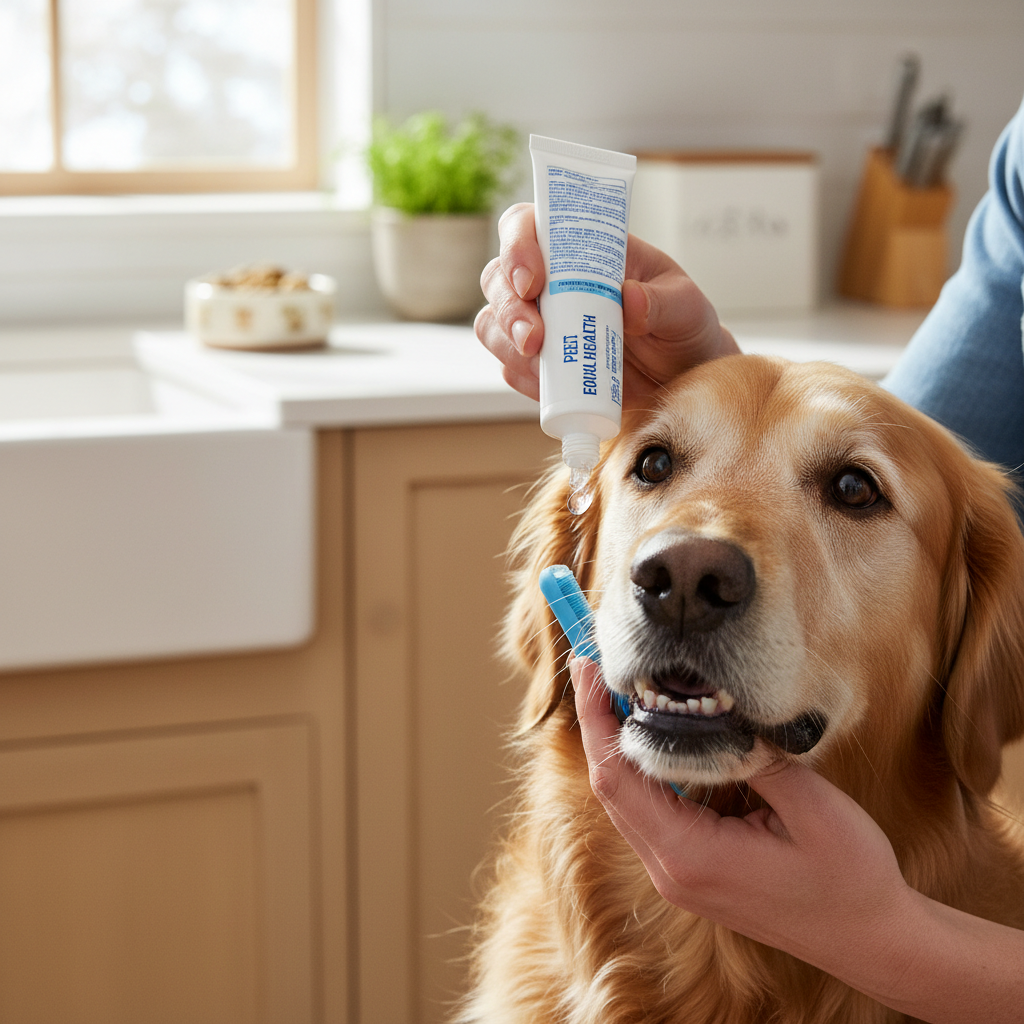
1. Enzymatic Toothpaste and Finger Brushes
Never use human toothpaste on a dog. Human formulas contain foaming detergents and xylitol, which is highly toxic to canines.
Use veterinary-approved enzymatic toothpaste formulated with glucose oxidase and lactoperoxidase. These natural enzymes break down bacterial plaque even if your dog only allows brief brushing.
Begin by letting your dog lick a pea-sized drop off your finger. Gradually progress to massaging their outer teeth using a soft silicone finger brush.
2. VOHC-Accepted Water Additives and Chews
When selecting dental treats, chews, or drinking water additives, look for the official seal from the Veterinary Oral Health Council. Products bearing the seal have passed rigorous clinical trials proving their ability to reduce plaque or calculus.
Explore the Veterinary Oral Health Council accepted products list to identify trustworthy, laboratory-verified dental rinses and chews.
3. Chlorhexidine Oral Sprays and Gels
For senior dogs who resist any physical toothbrushing, veterinary chlorhexidine rinses offer a gentle alternative. A quick spray onto the inner cheek lining binds to mucosal surfaces, releasing antibacterial agents over several hours.
Water additives formulated with zinc gluconate also neutralize volatile sulfur compounds directly in the mouth. Adding a capful to daily drinking water keeps oral bacteria counts low between meals.
Frequently Asked Questions
Can I give my senior dog dental bones if they have bad breath?
Hard dental chews can fracture brittle senior teeth or damage inflamed gums. Look for softer, pliable dental chews that bend easily under thumb pressure, or consult your veterinarian for safe options.
Is it safe to put a 12-year-old dog under anesthesia for dental work?
Age is not a disease. With modern pre-operative blood panels, individualized anesthetic protocols, and continuous monitoring, senior dogs routinely undergo safe, successful dental procedures that dramatically improve their quality of life.
Why does my dog’s breath smell like metal?
A metallic scent usually indicates either bleeding oral gums or rising uremic toxins from kidney disease. If your dog also drinks more water or appears sluggish, seek a prompt veterinary blood examination.
Will changing my dog’s diet fix bad breath?
Dietary changes alone cannot dissolve established calcified tartar beneath the gumline. While crunchy veterinary dental diets help prevent new plaque adhesion, existing bacterial tartar must be cleared professionally first.
Can bad breath in an older dog go away on its own?
No, chronic bad breath never resolves spontaneously. Oral bacteria continue to multiply, eroding bone structure and spreading into the bloodstream until the underlying infection is addressed medically.
How often should I brush my senior dog’s teeth?
Brushing once daily provides optimal plaque control because soft plaque hardens into mineralized tartar within forty-eight hours. Even brushing two or three times weekly significantly reduces bacterial colonies and freshens mouth odor.
Restoring Closeness and Daily Comfort
There is nothing quite like having your older dog rest their chin peacefully in your lap. When bad breath creates distance between you and your companion, everyone misses out on the warmth of daily bonding.
Taking bad breath seriously is one of the most compassionate choices you can make for an aging dog. By addressing the root cause, you relieve silent oral pain, safeguard vital organs, and bring back the joyful closeness you both cherish.
Authority and Research Reference Map
Internal Clinical Guides:
- Kidney Disease in Dogs: Recognizing uremic ammonia breath and diagnostic blood markers.
- Kibble Dog Food for Senior Dogs: Softening textures to protect receding gums and missing teeth.
- Dog Sneezing in Senior Dogs: Tooth root abscesses, nasal discharge, and oronasal fistulas.
External Veterinary Citations:
- AVMA Pet Dental Care Guidelines: Systemic organ risks associated with chronic canine periodontal disease.
- Veterinary Oral Health Council: Scientific testing protocols and approved plaque-reducing products.
- Merck Veterinary Manual: Periodontal pathology, staging classifications, and surgical extractions.