

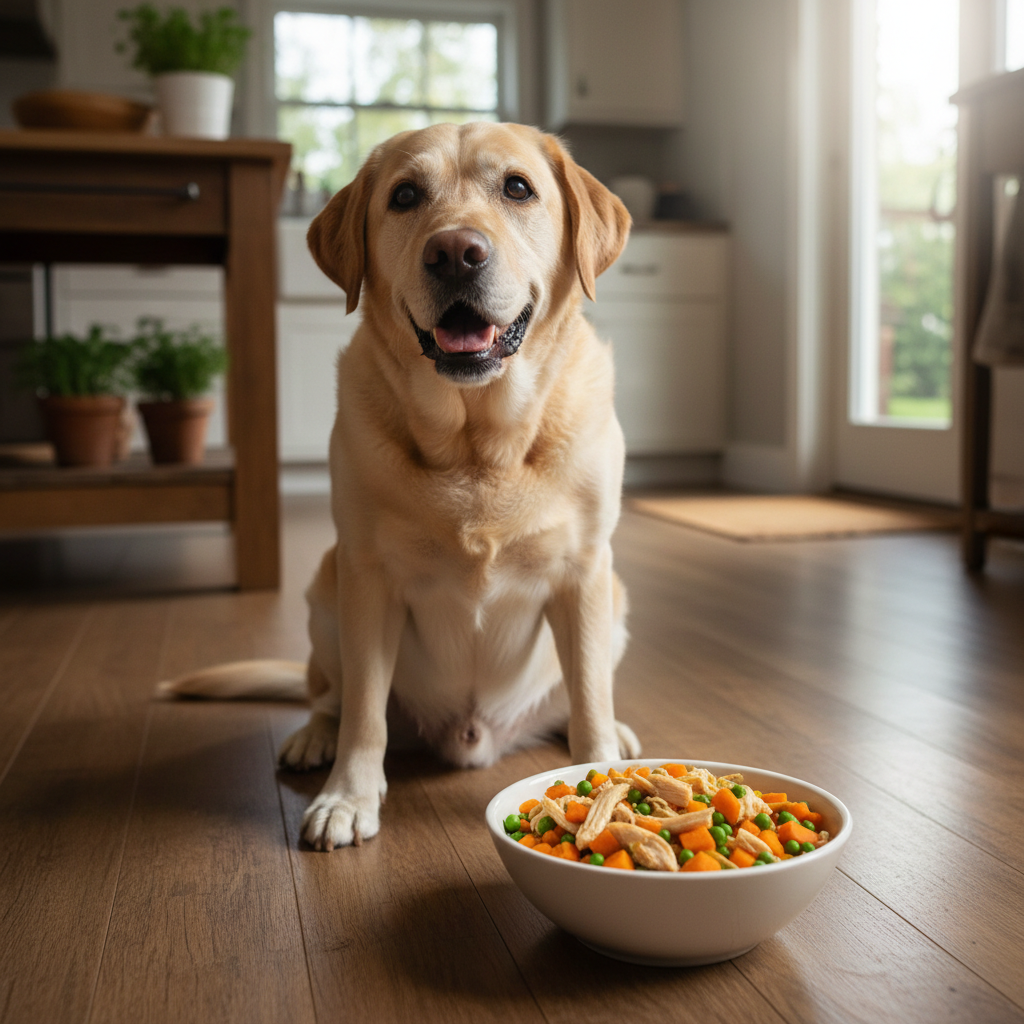
As my golden retriever, Rusty, reached his eleventh year, dinner became a battle. He would sniff his crunchy dry kibble, let out a tired sigh, and walk slowly away to lie down on the rug.
Like millions of caring pet parents with aging companions, I found myself researching human grade dog food to see if switching to fresh, whole ingredients could restore his appetite and vitality.
Senior dogs experience significant shifts in metabolism, organ efficiency, and oral comfort. Fresh human-grade food provides highly bioavailable animal proteins, seventy percent natural moisture for aging kidneys, and a tender texture that eliminates chewing pain.
Quick Answer:
Human grade dog food refers to pet meals made entirely with ingredients legally suitable for human consumption and produced in USDA-inspected food facilities. For senior dogs, these fresh gently cooked diets offer superior digestibility (exceeding 85%), high natural hydration for kidney support, and soft textures that relieve chewing pain.
Key Takeaways:
- Legal Standard: True human-grade dog food requires 100% human-edible ingredients handled under strict federal food safety regulations (21 CFR 110).
- Digestibility Boost: Clinical studies show fresh whole-food meals reduce advanced glycation end-products (AGEs) and dramatically improve nutrient absorption.
- Renal Hydration: Fresh meals naturally contain seventy percent moisture, protecting aging kidneys compared to dry kibble with only ten percent moisture.
- Gradual Transition: Older digestive systems require a slow seven-to-ten-day transition schedule to prevent loose stool during the switch.
What Does “Human Grade” Really Mean in Dog Food?
The term human grade appears on countless pet food bags, but it carries a strict legal definition established by the Association of American Feed Control Officials guidelines.
To carry an honest human-grade claim, every single ingredient in the recipe must be legally classified as edible for humans. That means whole USDA inspected meats, fresh market vegetables, and culinary oils rather than rendered animal meals or slaughterhouse by-products.
The standard also extends across the entire manufacturing supply chain. The food must be prepared, blended, cooked, packaged, and stored in a facility that complies with federal human food safety rules (21 CFR 110).
If a pet food brand uses USDA chicken but cooks it in an uninspected animal rendering plant, it legally cannot claim human-grade status. Choosing verified human-grade food guarantees that your aging companion eats meals held to the same safety standards as your own dinner table.
Why Senior Dogs Benefit From Fresh Whole-Food Diets
Aging affects every physiological system in canines. From sensory decline to joint inflammation, fresh whole-food nutrition provides targeted therapeutic support for older bodies.
1. Exceptional Digestibility and Nutrient Absorption
Senior dogs frequently suffer from reduced digestive enzyme secretion and slower gastrointestinal motility. Dry kibble is manufactured through extreme high-heat extrusion, which can alter protein structures and create inflammatory by-products.
A landmark clinical trial published in the Translational Animal Science canine digestibility research demonstrated that human-grade fresh diets are dramatically more digestible than extruded kibbles.
Because whole meats and gently steamed vegetables break down effortlessly, older dogs absorb vital amino acids and fatty acids without exhausting their digestive tracts. Pet owners also notice significantly smaller, firmer, and less smelly stools.
2. Protecting Aging Kidneys With Natural Moisture
Chronic renal decline affects many canines over ten years of age. Hard, dry kibbles contain only eight to ten percent moisture, requiring older dogs to drink copious amounts of water just to process dry biscuits.
Fresh human-grade food naturally delivers seventy to seventy-five percent clean water. Every meal hydrates the kidneys, flushes metabolic wastes, and helps maintain healthy urinary dilution.
For dogs that rarely drink enough water from their bowls, eating moisture-rich fresh meals provides effortless daily hydration that protects kidney longevity.
3. Gentle Comfort for Sensitive Teeth and Gums
Periodontal disease, chipped premolars, and loose teeth are exceptionally common in older dogs. Forcing an arthritic jaw or inflamed gums to crush hard, rock-solid kibble causes acute oral pain.
Many seniors refuse dry food simply because chewing hurts. Fresh human-grade food features a soft, tender, shredded texture that requires minimal jaw force.
Your companion can lap up savory meals comfortably without painful chewing. It is one of the most effective solutions for senior dogs losing their appetite due to dental wear.
4. Preserving Muscle Mass to Fight Sarcopenia
Canine sarcopenia is the progressive loss of lean muscle mass that occurs naturally as dogs grow old. Weakened hind legs and hollowed hips make standing and walking difficult.
Veterinary nutritionists have thoroughly debunked the outdated myth that senior dogs need low-protein diets. Unless an older dog has advanced Stage 3 or 4 kidney failure requiring phosphorus restriction, seniors actually need higher concentrations of digestible protein.
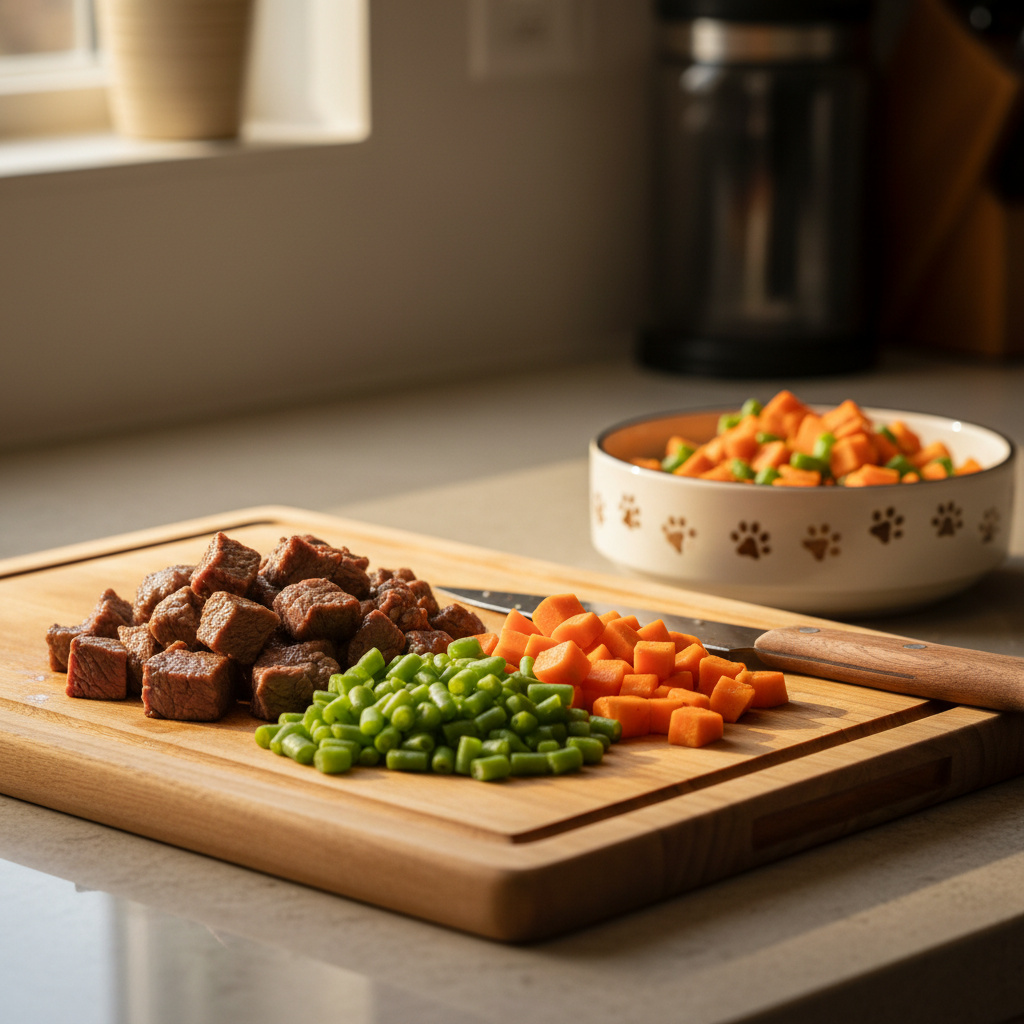
Human-grade food delivers clean muscle meat without bone ash or collagen fillers. These high-biological-value amino acids support muscle retention, helping your companion maintain spinal stability and leg strength.
Human-Grade vs. Traditional Senior Pet Foods
Evaluating the differences between modern fresh cooked diets and traditional commercial pet foods helps you choose the best feeding format for your budget and lifestyle.
| Diet Format | Moisture Level | Cooking Temperature | Digestibility | Senior Suitability |
|---|---|---|---|---|
| Gently Cooked Human-Grade | High (70-75%) | Low Steam (165°F) | Superior (>85%) | Outstanding (Hydrating & Soft) |
| Traditional Senior Dry Kibble | Very Low (8-10%) | High Heat Extruded (300°F+) | Moderate (70-78%) | Moderate (Hard on Teeth & Kidneys) |
| Commercial Canned Wet Loaf | High (75-80%) | Retort Pressure Cooked (250°F) | Good (78-82%) | Good (Easy to Chew) |
| Raw / Freeze-Dried Diets | Low unless rehydrated | Uncooked / Freeze-dried | High (82-86%) | Caution (Bacterial Risk for Seniors) |
The Tufts Clinical Nutrition Service fresh food evaluations emphasize that while gently cooked diets offer superior palatability and nutrient retention, raw foods present bacterial contamination risks that immunocompromised senior dogs struggle to fight off.
Top Vet-Recommended Fresh Food Options for Older Canines
Choosing the right fresh pet food requires looking closely at ingredient quality and clinical formulation. Here are three reputable fresh dog food options that cater directly to aging companions:
1. JustFoodForDogs Fresh Frozen & Pantry Fresh
JustFoodForDogs pioneered human-grade pet food and remains the only fresh food brand conducting extensive university clinical trials on canine health.
Their Turkey & Whole Wheat Macaroni and Joint Care Chicken recipes are particularly beneficial for seniors. Each batch is formulated by board-certified veterinary nutritionists with clear nutrient profiles.
The company also produces prescription veterinary diets, including renal and hepatic formulas for dogs managing chronic medical conditions under veterinary supervision.
2. The Farmer’s Dog
The Farmer’s Dog delivers pre-portioned, freshly cooked meals directly to your doorstep based on your dog’s age, weight, and activity level.
Their turkey and beef recipes feature USDA meats mixed with broccoli, carrots, and parsnips. The customized packaging prevents overfeeding, which protects older dogs from gradual weight gain.
The food stays fresh in the freezer, and individual daily packets thaw easily in the refrigerator overnight.
3. Ollie Fresh Dog Food
Ollie offers gently cooked recipes featuring human-grade meats, organ superfoods, and plant-based antioxidants like cranberries and blueberries.
Their chicken and lamb recipes provide easily digestible protein sources for dogs with sensitive stomachs. Added plant phytonutrients help combat cognitive decline and systemic cellular inflammation in aging pets.
Critical Health Watch-Outs Before Switching
While human-grade food offers exceptional nutritional advantages, pet owners must evaluate two crucial health factors before making the transition.
1. Fat Content and Pancreatitis Protection
Older canines have a much lower tolerance for dietary fat. Pancreatitis is a severe, excruciating inflammation of the pancreas that can be triggered by sudden spikes in rich meats or dietary oils.
When selecting a human-grade formula for an older dog, inspect the guaranteed analysis carefully. Choose recipes formulated with lean chicken, white turkey, or venison rather than high-fat pork, duck, or fatty beef.
If your companion has a history of gastrointestinal flare-ups, consult our guide on low-fat dog food for sensitive older dogs to keep dietary fat safely below twelve percent on a dry matter basis.
2. Verified Complete and Balanced Formulations
Cooking plain chicken breast and white rice at home is not a balanced long-term diet. Home-cooked meats lack vital calcium, trace minerals, choline, and fat-soluble vitamins essential for heart and brain support.
Always verify that commercial human-grade recipes carry an AAFCO nutritional adequacy statement for Adult Maintenance. Reputable fresh food companies employ board-certified veterinary nutritionists to formulate complete recipes that prevent dangerous mineral deficiencies.
Step-by-Step Transition Schedule for Older Dogs
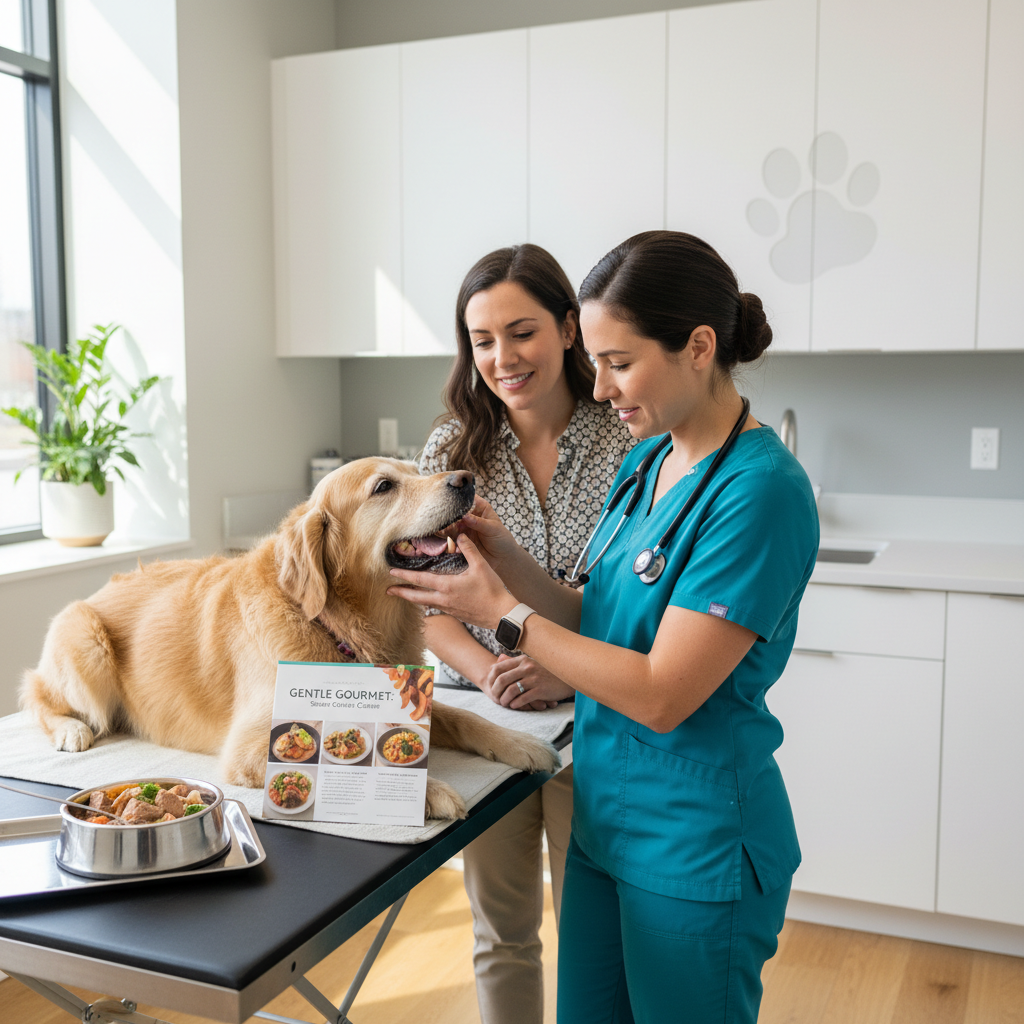
Older dogs have sensitive intestinal microbiomes. Switching diets abruptly can trigger vomiting, gas, and acute diarrhea.
Follow this gentle ten-day transition protocol to allow your senior companion’s digestive tract to adapt smoothly:
- Days 1 to 3: Feed seventy-five percent old food mixed with twenty-five percent fresh human-grade food.
- Days 4 to 6: Feed fifty percent old food and fifty percent fresh human-grade food.
- Days 7 to 9: Feed twenty-five percent old food and seventy-five percent fresh human-grade food.
- Day 10 and Beyond: Transition to one hundred percent fresh human-grade food.
If your dog develops loose stools at any point, pause the schedule and remain at that ratio for two extra days until stool consistency normalizes.
Managing Costs: Full Meal vs. Meal Topper Strategy
Human-grade dog food is premium pet nutrition, which comes with higher grocery costs. Feeding a sixty-pound senior dog a 100% fresh diet can cost between $200 and $350 monthly.
If a full fresh diet does not fit your household budget, adopting a meal topper strategy delivers outstanding health benefits at a fraction of the cost. Replacing just twenty to thirty percent of your dog’s daily kibble with fresh human-grade food provides powerful antioxidant and hydration support.
This hybrid approach stimulates picky appetites, eases chewing difficulty, and provides high-quality protein without breaking your monthly budget. If your aging pet needs extra support building lean weight, review our recommendations for weight gain food for frail senior dogs.
Frequently Asked Questions
Is human-grade dog food safe for senior dogs with kidney disease?
Senior dogs with early Stage 1 or 2 kidney disease often thrive on fresh food because high moisture helps flush metabolic wastes. However, dogs with advanced Stage 3 or 4 kidney disease require strict phosphorus and protein restrictions that standard commercial human-grade foods may not provide. Always consult your veterinarian for bloodwork monitoring before switching a renal patient.
Can I just cook human food at home for my senior dog?
You can prepare fresh meals at home, but you must use a veterinary-formulated recipe with precise vitamin and mineral supplements. Feeding only plain meats, rice, and vegetables leads to severe calcium and trace mineral deficiencies within months. Work with a board-certified veterinary nutritionist or choose an AAFCO-certified commercial fresh brand.
How do I store fresh human-grade dog food?
Fresh cooked foods contain no synthetic chemical preservatives. Commercial fresh meals arrive frozen and should be kept in your freezer until ready to use. Thaw pouches in the refrigerator twenty-four hours before serving, and store opened food in an airtight container for up to four to five days.
Does fresh food help older dogs with bad breath?
Yes, many pet parents notice improved breath within two to three weeks of switching to fresh food. Dry kibble leaves starchy residues between teeth that feed odor-causing bacteria. Fresh whole meats leave minimal sticky film on teeth, reducing foul oral odors.
Is human-grade dog food worth the higher cost for senior dogs?
For most pet owners, the investment pays dividends in improved daily vitality, reduced veterinary visits for digestive issues, and joyful mealtimes. The combination of high moisture, superior digestibility, and soft texture addresses the core physical challenges facing aging canines.
Nourishing Your Senior Dog’s Golden Chapter
Our senior dogs give us a lifetime of devoted companionship. When their golden years arrive, offering wholesome, fragrant meals made with real human-grade ingredients is one of the most loving ways to honor their daily comfort.
Watching an older companion eagerly finish their dinner, lick their bowl clean, and wag their tail with renewed energy is a priceless everyday joy. With thoughtful recipe selection and your loving care, fresh whole-food nutrition can help your companion enjoy a vibrant, happy senior life.
Take a moment to bookmark this nutrition guide, and share it with fellow dog lovers looking for gentle, vet-backed ways to nourish their aging companions.