

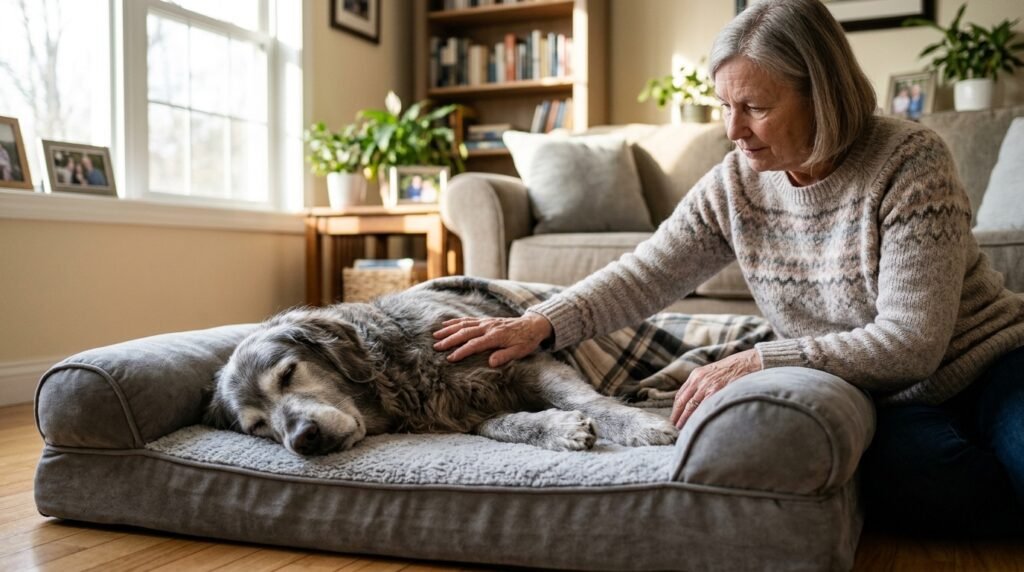
Sitting quietly on the couch in the evening and noticing that your older companion’s chest is rising and falling with rapid, exaggerated effort is a deeply alarming experience. You lean down, gently placing a hand against their ribcage, and you realize their breathing sounds shallow, heavy, or accompanied by an unusual raspy wheeze even though the room is pleasantly cool.
You wonder whether your dog is simply having a vivid dream, feeling overheated, or struggling with unmanaged joint pain. You worry whether their heavy breathing signals early congestive heart failure, fluid accumulating in their lungs, or a narrowing airway, and you desperately want to know how to help them catch their breath safely.
Your concern comes from a place of deep devotion. While light panting after a stroll is normal, persistent heavy breathing while resting or sleeping is one of the most significant clinical warning signs in geriatric canine medicine. Older dogs experience physiological shifts in cardiovascular efficiency, airway cartilage stability, and metabolic hormone regulation. By understanding normal canine respiration, tracking resting breath rates, and recognizing true respiratory emergencies, you can protect your loyal companion’s health and comfort.
Quick Answer:
A senior dog breathing heavily while resting is most often caused by congestive heart failure (pulmonary edema), laryngeal paralysis (upper airway obstruction), Cushing’s disease, chronic unmanaged osteoarthritis pain, or respiratory infections. While normal sleeping respiration is under 30 breaths per minute, any heavy breathing accompanied by blue or pale gums, an outstretched neck with elbows winged out, or deep abdominal heaving is a life-threatening emergency requiring immediate veterinary oxygen support.
Key Takeaways:
- The 30-Breaths-Per-Minute Rule: Healthy dogs breathe between 15 and 30 times per minute while sleeping; a sleeping breath rate consistently above 30 to 35 breaths per minute is the earliest indicator of fluid in the lungs.
- Panting vs. Dyspnea: Normal panting is open-mouthed and cooling; labored breathing (dyspnea) involves exaggerated stomach effort, flared nostrils, and physical distress.
- Laryngeal Paralysis (“Lar Par”): Large older dogs frequently develop raspy, roaring breathing because the vocal fold cartilages fail to open during inhalation.
- Pain Causes Silent Panting: Severe spinal arthritis and hip dysplasia trigger sympathetic adrenaline spikes, causing dogs to pant heavily while lying down in air-conditioned rooms.
This comprehensive veterinary guide examines the difference between normal panting and labored breathing, top medical causes in senior canines, how to track resting respiratory rates at home, and when to seek emergency veterinary care.
Panting vs. Rapid Breathing vs. Labored Distress
Before assessing underlying illnesses, it is vital to distinguish between the three distinct types of heavy breathing in dogs:
| Breathing Pattern | Physical Characteristics | Clinical Significance |
|---|---|---|
| Normal Panting (Thermoregulation) | Mouth wide open, tongue extended, shallow rapid breaths; dog appears relaxed, alert, and responsive | Natural cooling response after mild exercise or warm ambient temperatures; resolves quickly after resting in cool air |
| Tachypnea (Rapid Breathing at Rest) | Mouth closed or slightly open; rapid chest excursions without deep abdominal pulling; breath rate >35 per minute while calm | Early sign of oxygen hunger, pulmonary edema (fluid in lungs), fever, metabolic acidosis, or early cardiac decompensation |
| Dyspnea (Labored / Distressed Breathing) | Exaggerated abdominal muscular effort, head and neck extended forward, elbows pointed outward, pale or bluish gums | Critical Emergency: Acute airway obstruction, advanced congestive heart failure, pneumothorax, or pleural effusion |
According to veterinary cardiology standards established in the Tufts veterinary cardiology respiratory guidelines, tracking breath changes while your dog sleeps is the single most sensitive method for catching heart failure before severe distress occurs.
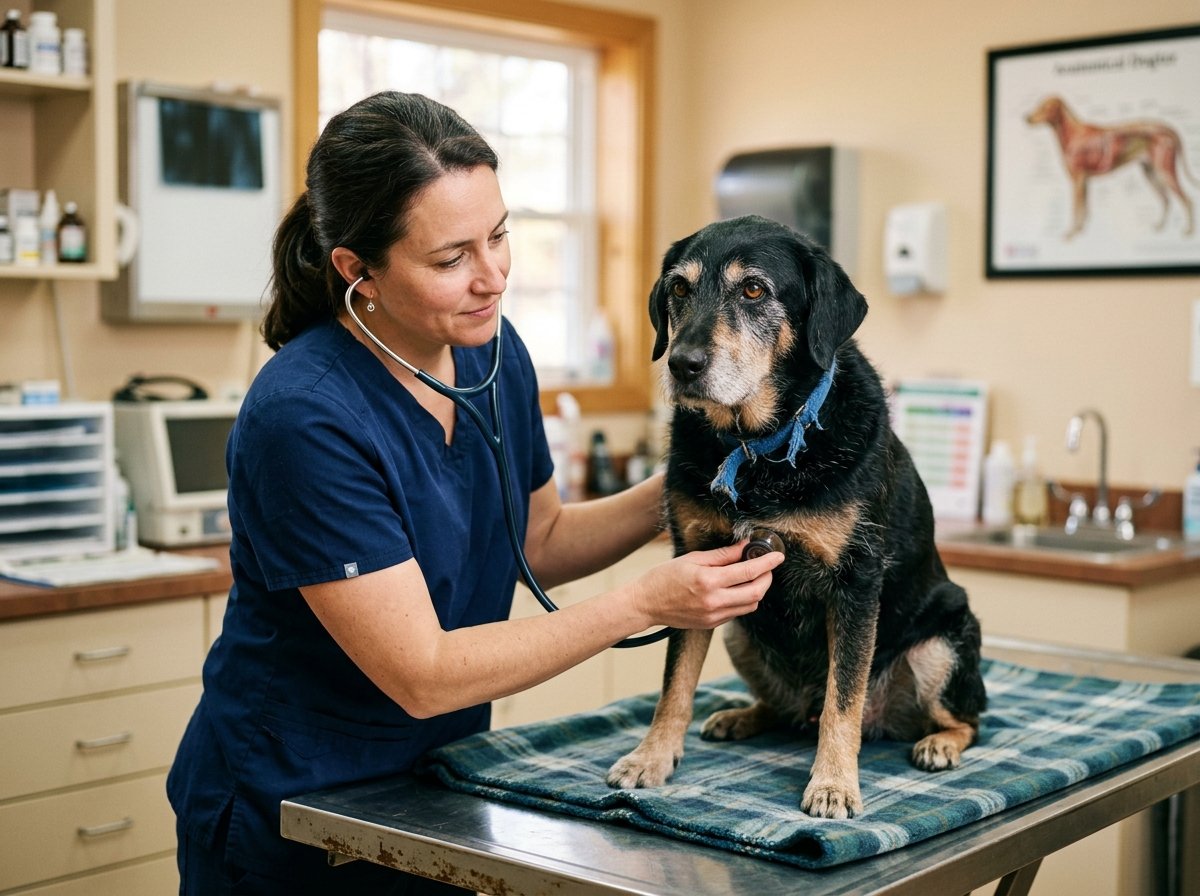
Top 6 Causes of Heavy Breathing in Senior Dogs
Aging bodies undergo structural and metabolic changes that directly impact the lungs, heart, and upper airway:
1. Congestive Heart Failure (CHF) and Pulmonary Edema
As dogs age, chronic degenerative valve disease (especially myxomatous mitral valve disease in small dogs) or dilated cardiomyopathy (in large breeds) impairs the heart’s pumping ability. Blood pools backward into the pulmonary vessels, forcing fluid out of capillaries directly into the lung tissue (pulmonary edema).
Because fluid fills the microscopic air sacs, oxygen cannot enter the bloodstream efficiently. Dogs compensate by breathing faster and heavier, especially when lying flat at night. Learn more in our detailed clinical guide on congestive heart failure in dogs.
2. Laryngeal Paralysis (“Lar Par” / GOLPP)
Laryngeal paralysis is an acquired neurological condition primarily affecting large senior breeds like Labrador Retrievers, Golden Retrievers, and Saint Bernards. The nerves controlling the arytenoid cartilages (the gates of the windpipe) degenerate, leaving the cartilages drooping shut across the airway during inhalation.
Instead of smooth air intake, the dog must pull with massive muscular effort, creating a harsh, high-pitched roaring or raspy wheeze (stridor). In hot weather or stressful situations, airway inflammation can trigger total asphyxiation. Detailed clinical insights are available through Cornell canine laryngeal paralysis clinical research.
3. Hyperadrenocorticism (Cushing’s Disease)
Cushing’s disease is an endocrine disorder common in older dogs where the adrenal glands produce excessive levels of cortisol. Elevated cortisol causes respiratory muscle weakness, promotes fat deposition around the liver (which pushes upward against the diaphragm), and directly stimulates the brain’s respiratory center.
Dogs with Cushing’s will pant heavily and continuously while lying completely still in an air-conditioned room, accompanied by excessive thirst, frequent urination, and a pot-bellied appearance.
4. Chronic Unmanaged Osteoarthritis Pain
Dogs instinctively hide visible weakness, but severe chronic pain from hip dysplasia, spinal spondylosis, or elbow arthritis causes systemic adrenaline and cortisol surges. This sympathetic nervous system activation elevates heart rate and causes rapid, rhythmic panting even when your dog is resting.
If your older dog pants heavily at night while constantly shifting positions, explore our guide on senior dog pain signs.
5. Tracheal Collapse
Frequent in aging small breeds (Yorkshire Terriers, Pomeranians, Toy Poodles), tracheal collapse occurs when the C-shaped cartilaginous rings of the windpipe lose cellular rigidity and flatten. Whenever the dog inhales deeply, gets excited, or drinks water, the airway collapses, causing heavy breathing and the hallmark dry “goose-honk” cough.
6. Aspiration Pneumonia and Lung Tumors
Senior dogs with megaesophagus or laryngeal paralysis are prone to micro-aspirating tiny amounts of food or saliva into the lungs, triggering acute aspiration pneumonia. Additionally, primary lung carcinomas or metastatic tumors can reduce healthy lung volume, requiring faster respiratory cycles.
If your older dog has a known heart condition, check our guide on dog heart murmur stages and care.
How to Measure Resting Respiratory Rate (RRR) at Home
The Resting Respiratory Rate (RRR) is the single most valuable home diagnostic tool for any senior dog owner. It detects fluid accumulation days before your dog starts coughing or gasping.
The Step-by-Step Counting Technique:
- Wait for Deep, Peaceful Sleep: Never count breaths when your dog is awake, dreaming, stretching, or resting after a walk. Wait until your dog is completely asleep and calm in a comfortable room.
- Watch the Flank or Chest: Focus on one spot on your dog’s chest or ribcage. One full cycle of rising and falling equals one breath (inhalation + exhalation = 1).
- Count for 30 Seconds: Use the stopwatch on your smartphone to count the number of breaths over 30 seconds, then multiply that number by 2 to get breaths per minute. (Alternatively, count for a full 60 seconds).
- Log the Number Daily: Record the number on a calendar or phone app once daily, ideally at the same time every morning or evening.
| Breaths Per Minute (RRR) | What It Means | Action to Take |
|---|---|---|
| 15 to 25 breaths/min | Normal, healthy resting breathing rate | Continue regular routine monitoring |
| 26 to 30 breaths/min | Borderline elevated; may reflect warm room or light sleep | Re-check in two hours when dog is in deeper sleep |
| Consistently >30 to 35 breaths/min | Abnormal: High probability of early pulmonary edema or respiratory distress | Contact your veterinarian or veterinary cardiologist promptly |
| >45 to 50 breaths/min | Acute Crisis: Severe oxygen deprivation | Transport to the nearest emergency animal hospital immediately |
Red Flag Emergency Symptoms: When to Rush to the Vet
Respiratory distress can deteriorate rapidly. Seek immediate veterinary emergency medical care if your senior dog exhibits any of these critical warning signs:
- Cyanotic or Pale Gums: Lift your dog’s upper lip. Gums should be a healthy bubblegum pink. If gums appear pale white, muddy gray, or dark purple-blue, blood oxygen is dangerously depleted.
- Orthopneic Posture: Your dog stands or sits with their front legs planted wide apart, elbows pointed outward, and head and neck stretched straight forward in a desperate effort to straighten their airway.
- Abdominal Pumping (Heaving): The stomach muscles pull inward forcefully with each breath, showing that normal chest expansion is no longer sufficient to move air.
- Foam, Blood, or Pink Froth from Mouth or Nose: A classic sign of severe, acute pulmonary edema where fluid fills the trachea.
- Sudden Collapse or Refusal to Lie Down: Dogs experiencing severe respiratory distress are terrified to lie down because lying flat compresses their compromised lungs.

Comforting Your Senior Dog at Home While Arranging Care
While you contact your veterinary clinic, follow these safe comfort protocols:
1. Keep the Environment Cool and Well-Ventilated
Heat dramatically worsens respiratory distress. Turn on the air conditioning, place an electric fan circulating gentle air across the room (never blowing directly into their face), and keep ambient temperatures between 68°F and 72°F (20°C to 22°C).
2. Eliminate Stress and Restrict Physical Movement
Excitement, barking, and physical exertion increase cellular oxygen demand exponentially. Speak in soft, calm tones, dim harsh lights, and carry your dog rather than making them walk to the car.
3. Switch from Neck Collars to Chest Harnesses
Never attach a leash to a neck collar on a dog with heavy breathing, tracheal collapse, or laryngeal paralysis. Any gentle tug on the windpipe can trigger an acute spasm and airway closure. Use a padded chest harness exclusively.
4. Elevate the Head with Bolstered Orthopedic Bedding
Provide a therapeutic memory foam bed with built-in bolster edges. Resting the chin slightly elevated helps keep the throat straight, reducing resistance in the upper airway during sleep. For setup recommendations, read old dog comfort care and wellness.
Frequently Asked Questions
Why is my old dog panting heavily while resting in a cool room?
Heavy panting in a cool room is almost always pathological. The most common causes are severe unmanaged osteoarthritis pain, Cushing’s disease, high blood pressure, or early congestive heart failure.
Can canine cognitive dysfunction (dementia) cause heavy breathing?
Yes. Cognitive decline frequently triggers nocturnal anxiety and confusion (sundowning), leading to pacing, disorientation, and heavy stress panting during the night. Review our guide on sundowners in dogs.
How can I tell if my dog’s heavy breathing is pain or heart disease?
Dogs in pain usually pant with open mouths while shifting restlessly, but their resting respiratory rate during deep sleep remains normal (under 30 breaths/min). In heart failure, the breathing rate remains elevated (over 30 to 35 breaths/min) even when sound asleep.
What should I do during an acute laryngeal paralysis breathing attack?
Keep your dog completely calm, move to an air-conditioned room, place cool damp cloths on their paw pads, and transport them immediately to an emergency hospital for oxygen therapy and mild sedation.
Cherishing Your Senior Dog’s Breathing and Peace
Every breath your senior companion takes is precious. While watching an older dog breathe heavily can be terrifying, learning to monitor their sleeping breathing rate, recognize early warning signs, and seek timely veterinary care makes all the difference.
Partner closely with your veterinary team to evaluate their heart, lungs, and joint comfort. Regular checkups aligned with the AVMA senior pet wellness guidelines help keep your faithful friend comfortable, happy, and breathing easily throughout their golden years.