
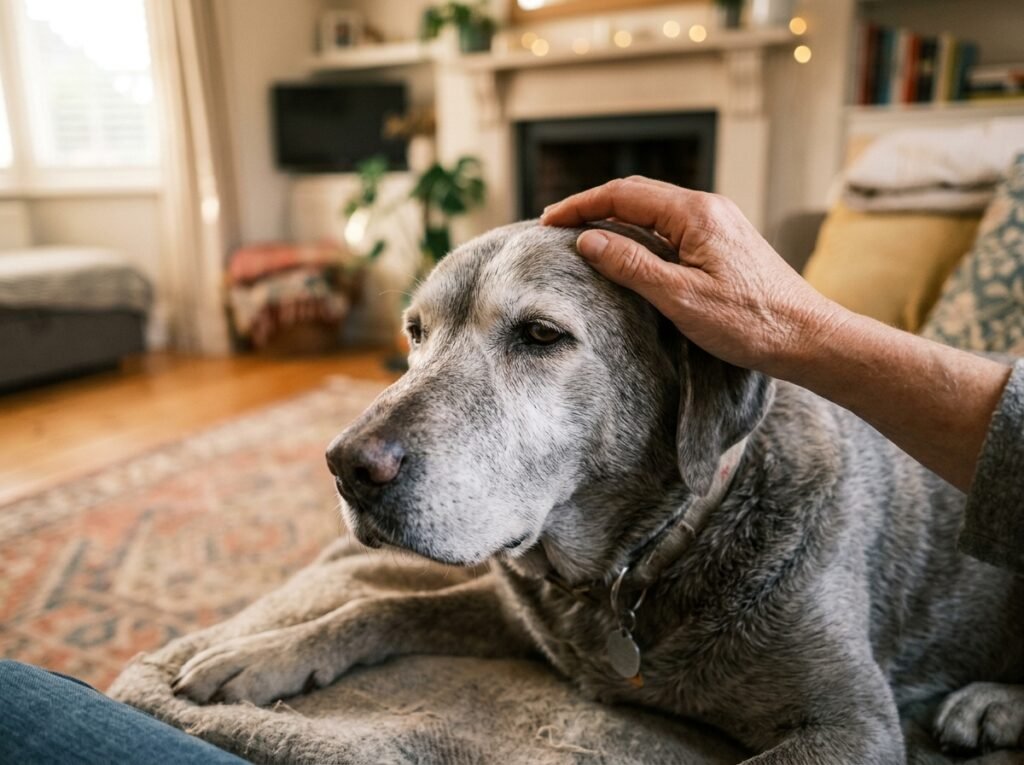
Leaning in for a gentle cuddle only to be met with an overwhelming wave of dog bad breath is a common and unpleasant experience for senior dog owners. You notice that your older companion’s normal morning breath has transformed into a foul, rotting, or chemical odor that lingers across the entire room.
You wonder whether this severe smell is just an inevitable part of your dog growing older and you worry whether that intense breath odor points to painful advanced periodontal disease, a hidden tooth root abscess, or a serious internal medical condition like kidney failure or diabetes.
Your concern is completely justified. Persistent, foul bad breath (halitosis) is never a normal sign of aging in dogs. Instead, it is an important biological signal that bacteria, oral disease, or metabolic waste products have built up in your dog’s system. With timely veterinary oral exams, dental care, and gentle home hygiene routines, you can eliminate oral pain and restore fresh, healthy breath to your loyal friend.
Quick Answer:
Dog bad breath (halitosis) in senior pets is most frequently caused by advanced periodontal disease, tartar buildup, or infected tooth root abscesses beneath the gumline. However, distinct breath odors can also indicate systemic organ decline: an ammonia or urine smell points to chronic kidney disease, while a sweet, fruity acetone scent signals diabetic ketoacidosis. A professional veterinary exam is essential to diagnose dental vs. metabolic causes. If the infection breaches the sinus, you may also observe a persistent dog runny nose alongside mouth odor.
Key Takeaways:
- Most Common Cause: Periodontal disease affecting over 85% of dogs past age three, causing subgingival bacteria colonies and bone loss.
- Scent Diagnostic Clues: Rotten/sulfur odor indicates infected gums or abscesses; ammonia/urine scent indicates uremic kidney waste; sweet/fruity scent indicates diabetes.
- Oral Pain Signs: Chewing on one side, dropping kibble, pawing at the muzzle, excessive drooling, or refusing hard dry treats.
- Safe Home Care: Use enzymatic dog toothpaste, veterinary oral water additives, soft rubber finger brushes, and moistened soft food.
This guide explains why older dogs develop severe bad breath, how to decode specific breath odors, common oral and metabolic causes, and practical steps to keep your dog’s mouth pain-free.
Why Senior Dogs Develop Severe Bad Breath
Every time your dog eats, microscopic food particles, saliva, and naturally occurring oral bacteria combine to form a sticky film called plaque across the teeth. If plaque is not removed within 48 hours, minerals in your dog’s saliva harden it into yellow-brown tartar (calculus).
In senior dogs, decades of tartar accumulation push beneath the gumline into the subgingival pocket. Anaerobic bacteria thrive in these oxygen-poor pockets, releasing volatile sulfur compounds that produce a foul, rotten odor. Over time, bacteria destroy the periodontal ligament and alveolar bone supporting the tooth root.
| Breath Odor Characteristic | Likely Underlying Cause | Recommended Action |
|---|---|---|
| Rotten, garbage, or sulfur odor | Severe Periodontal Disease, Gingivitis, or Tooth Root Abscess | Veterinary oral exam and dental scaling / extractions |
| Ammonia, metallic, or urine-like smell | Chronic Kidney Disease (Uremic Breath) | Senior blood biochemistry panel & urinalysis |
| Sweet, fruity, or nail polish remover smell | Diabetes Mellitus or Diabetic Ketoacidosis (DKA) | Urgent veterinary glucose screening and insulin evaluation |
| Foul, putrid rotting smell + Blood in saliva | Oral Tumor (Melanoma, Fibrosarcoma, or Epulis) | Sedated oral examination and tissue biopsy |
Decoding the specific scent of your dog’s breath provides crucial diagnostic clues. Let us examine the five primary causes behind senior dog halitosis.
5 Common Causes of Bad Breath in Senior Dogs
1. Advanced Periodontal Disease and Gingivitis
Periodontal disease is the number one cause of bad breath in older dogs. When bacteria penetrate beneath the gums, the gum tissue becomes bright red, swollen, and prone to bleeding.
As the infection deepens, it eats away at bone sockets, causing loose, painful teeth. The chronic bacterial colonies produce continuous foul-smelling sulfur gases that create overwhelming breath odors.
2. Tooth Root Abscesses
A fractured tooth or deep gum pocket allows bacteria to travel down into the root tip, forming a closed pocket of pus beneath the jaw or under the eye.
Tooth root abscesses are intensely painful. You may notice your dog chewing only on one side of their mouth, dropping hard food, or developing a sudden swelling on their cheek directly under their eye.
3. Chronic Kidney Disease (Uremic Breath)
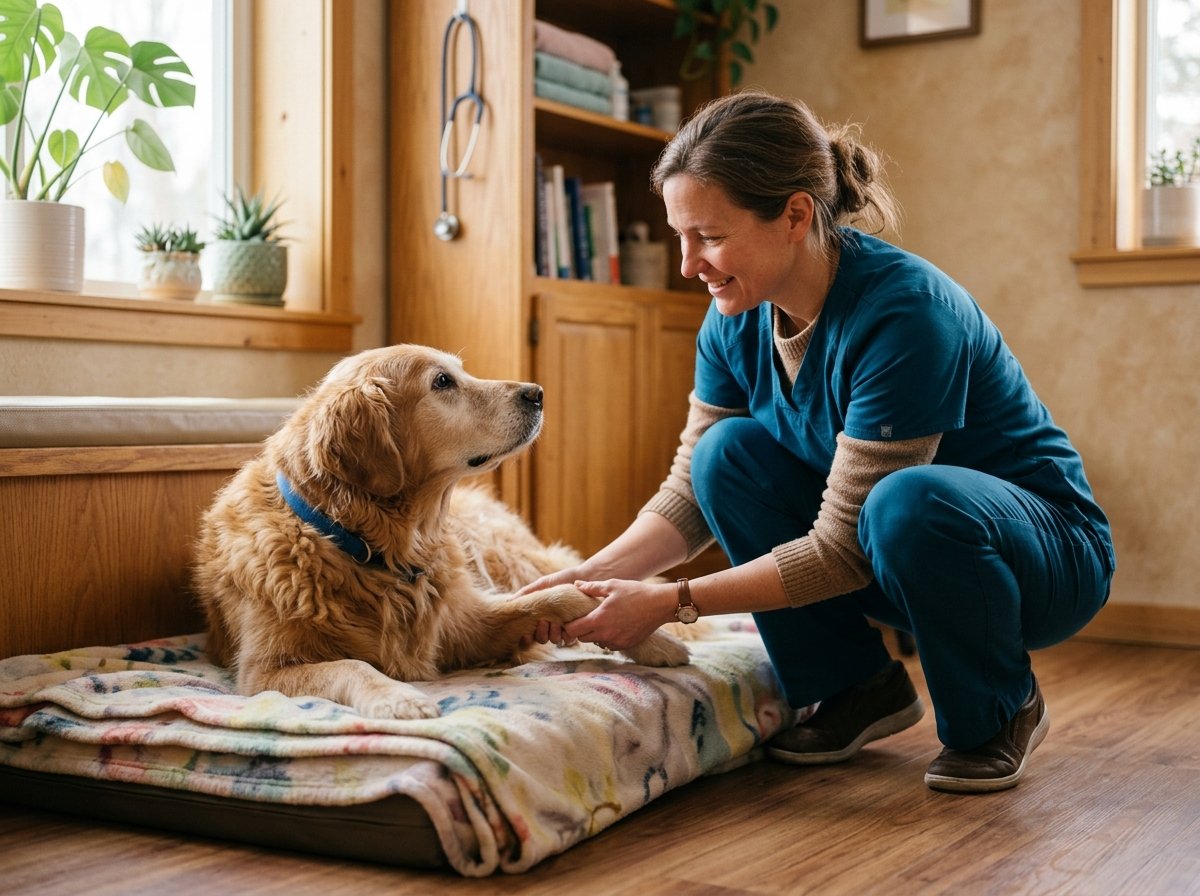
When aging kidneys lose their ability to filter toxins, metabolic waste products like blood urea nitrogen (BUN) and creatinine accumulate in the bloodstream.
These toxins circulate through saliva, where oral bacteria break urea down into ammonia. This gives your dog’s breath a sharp, chemical, or urine-like smell. If your dog is also drinking excessive water, review our detailed guide on kidney failure in dogs.
4. Diabetes Mellitus and Ketoacidosis
Diabetic dogs cannot utilize glucose properly, forcing their body to break down fat stores for energy. This fat breakdown produces chemical byproducts called ketones.
Elevated ketones produce a distinct sweet, fruity, or acetone odor on the breath. Diabetic ketoacidosis is a medical emergency that requires prompt veterinary fluid and insulin therapy.
5. Oral Tumors and Trapped Foreign Bodies
Senior dogs are at higher risk for benign and malignant oral masses, such as melanomas, squamous cell carcinomas, or epulides. As these masses grow, tissue in the center can die and ulcerate, producing a severe putrid odor.
Older dogs can also get wood fragments, bone shards, or hair caught between teeth or across the roof of the mouth, leading to localized rotting odors. Learn more about skin and body masses in our guide on tumor signs in dogs.
Signs of Hidden Oral Pain in Older Dogs
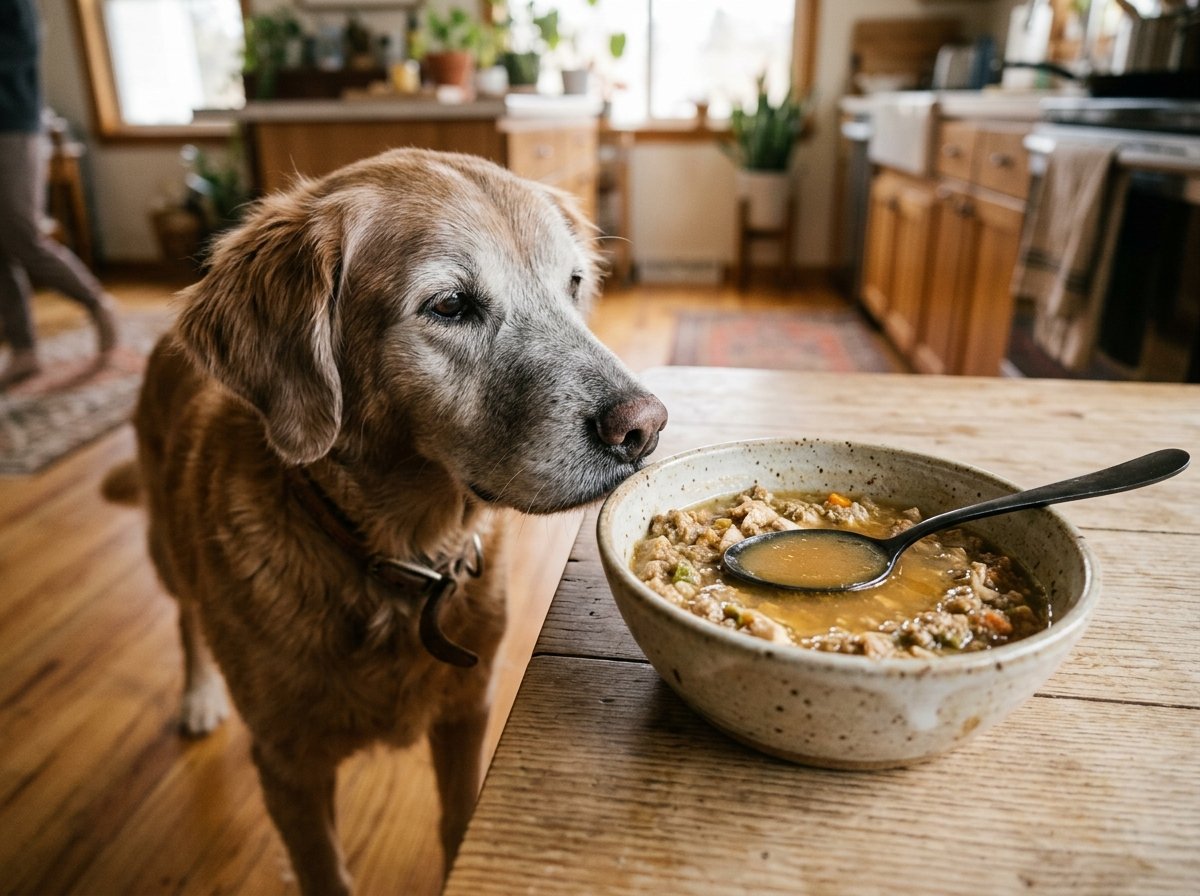
Dogs are stoic animals that instinctively hide physical pain. Many senior dogs continue eating despite having loose, throbbing teeth. Watch for these subtle cues:
- Dropping Food: Picking up kibble, dropping it back on the floor, and picking it up again to chew on the other side.
- Refusing Hard Treats: Eagerly accepting soft canned food while turning away from hard biscuits or chews.
- Excessive Drooling: Thick, ropy saliva hanging from the mouth, sometimes tinged with light pink blood.
- Pawing at the Face: Rubbing their muzzle along the carpet or pawing at their mouth after eating.
- Head Shyness: Pulling away when you attempt to pet them near their cheeks, jaw, or ears.
If your senior dog is turning away from food dishes, explore our comprehensive guide on senior dog not eating but drinking water to address appetite and dental discomfort.
When to Call Your Vet: Warning Red Flags
While mild breath changes can be discussed at a routine visit, certain oral and metabolic symptoms require urgent care.
| Symptom Combination | Required Action |
|---|---|
| Foul breath + Visible yellow tartar, eating normally | Schedule dental exam and professional cleaning |
| Bad breath + Dropping food or facial swelling under eye | Schedule vet visit within 48 hours (suspected abscess) |
| Ammonia breath + Increased thirst and vomiting | Same-day veterinary evaluation (suspected renal decline) |
| Sweet/fruity breath + Rapid breathing and weakness | Immediate emergency hospital care (suspected DKA) |
Schedule a prompt veterinary exam if:
- Your dog’s breath odor has suddenly worsened over recent weeks.
- You see bright red, bleeding, or receding gums when lifting their lips.
- Your dog whines or flinches when eating hard food.
Seek immediate emergency care if:
- Your dog has sweet, fruity breath accompanied by vomiting and severe lethargy.
- Your dog develops sudden facial swelling with pus draining near the eye.
- Your dog refuses all food and water for more than 24 hours.
According to dental health guidelines published on PetMD’s guide on bad breath in dogs, oral bacteria can enter the bloodstream through inflamed gums, placing chronic strain on the heart valves and kidneys.
5 Safe Home Steps to Improve Senior Dog Breath
Alongside professional veterinary dental care, these five gentle home steps help reduce oral bacteria and soothe sensitive gums.
Step 1: Use Enzymatic Dog-Specific Toothpaste
Enzymatic dog toothpaste contains natural glucose oxidase and lactoperoxidase enzymes that actively break down plaque bacteria without requiring vigorous scrubbing.
Apply a pea-sized amount of poultry- or peanut-butter-flavored dog toothpaste onto a soft silicone finger brush. Gently swipe it across the outside surfaces of the upper back molars and canines once daily.
Step 2: Add Veterinary Oral Water Additives (VOHC-Approved)
If your senior dog resists tooth brushing, oral water additives offer a completely stress-free alternative.
Look for products carrying the official VOHC (Veterinary Oral Health Council) seal. Adding a capful of chlorhexidine or zinc-based oral solution to your dog’s fresh water bowl reduces oral bacteria with every drink.
Step 3: Moisten Food to Protect Sore Teeth and Gums
Crunching hard, dry kibble against inflamed gums causes pain and gum bleeding.
Mix warm water or plain, low-sodium bone broth into your dog’s dry kibble for 10 minutes before serving, or transition to high-quality canned wet food. Softer food prevents oral trauma while keeping your dog well-nourished.
Step 4: Offer Soft, Vet-Approved Dental Chews
Avoid rock-hard bones, antlers, and synthetic nylon toys, which frequently fracture brittle senior teeth.
Choose flexible, VOHC-approved dental chews that bend easily. The chewing action mechanically cleans teeth and stimulates saliva flow without risking tooth fractures.
Step 5: Maintain Consistent Senior Wellness Bloodwork
Because halitosis can stem from kidney or liver changes, ensure your dog receives routine senior wellness blood and urine screening every six to twelve months.
Routine screening catches internal metabolic shifts years before they cause irreversible organ damage. For daily care schedules, review our guide on senior dog routine daily schedules.
What Not to Do for Dog Bad Breath
Avoid these common mistakes when managing your dog’s oral health:
- Never Use Human Toothpaste: Human toothpaste contains foaming detergents and artificial sweeteners like xylitol, which is fatal to dogs even in tiny amounts.
- Never Give Rock-Hard Antlers or Bones: Extremely hard chews cause painful slab fractures on the large upper carnassial teeth.
- Never Ignore Bad Breath as “Normal Old Age”: Persistent odor is a direct indicator of active infection or systemic disease that requires veterinary care.
Frequently Asked Questions
Can bad breath in an old dog be cured?
Yes. When caused by dental disease, a professional veterinary dental cleaning and removal of diseased teeth completely eliminates foul odors and pain. If caused by kidney or liver disease, managing the underlying condition significantly reduces odor.
Why does my senior dog’s breath smell like urine or ammonia?
An ammonia or urine-like smell is called uremic breath and is a key indicator of chronic kidney disease. It occurs when kidneys cannot filter waste products from the bloodstream.
Is it safe for a senior dog to undergo anesthesia for a dental cleaning?
Yes, modern veterinary anesthesia is very safe for senior dogs when preceded by pre-anesthetic bloodwork, IV fluids, and dedicated vital sign monitoring. Treating chronic mouth infections relieves significant pain and protects vital organs.
Can I scrape tartar off my dog’s teeth at home?
No. Scraping teeth with metal tools at home scratches microscopic grooves into the enamel, causing bacteria to accumulate faster. It also fails to clean beneath the gumline where periodontal disease thrives.
How often should I clean my older dog’s teeth?
Daily brushing with enzymatic toothpaste or daily use of VOHC-approved water additives is recommended to prevent plaque from calcifying into hard tartar.
Restoring Freshness and Comfort to Your Companion
Experiencing severe dog bad breath can be concerning, but understanding the root cause allows you to take proactive steps to restore your companion’s comfort. By scheduling a veterinary dental exam, decoding distinct breath odors, and incorporating gentle home oral hygiene, you protect your dog from silent dental pain.
Always collaborate with your veterinarian for tailored dental assessments and treatment plans. Review official recommendations from the American Veterinary Medical Association senior pet care FAQ to keep your loyal pet happy, comfortable, and pain-free throughout their golden years.