

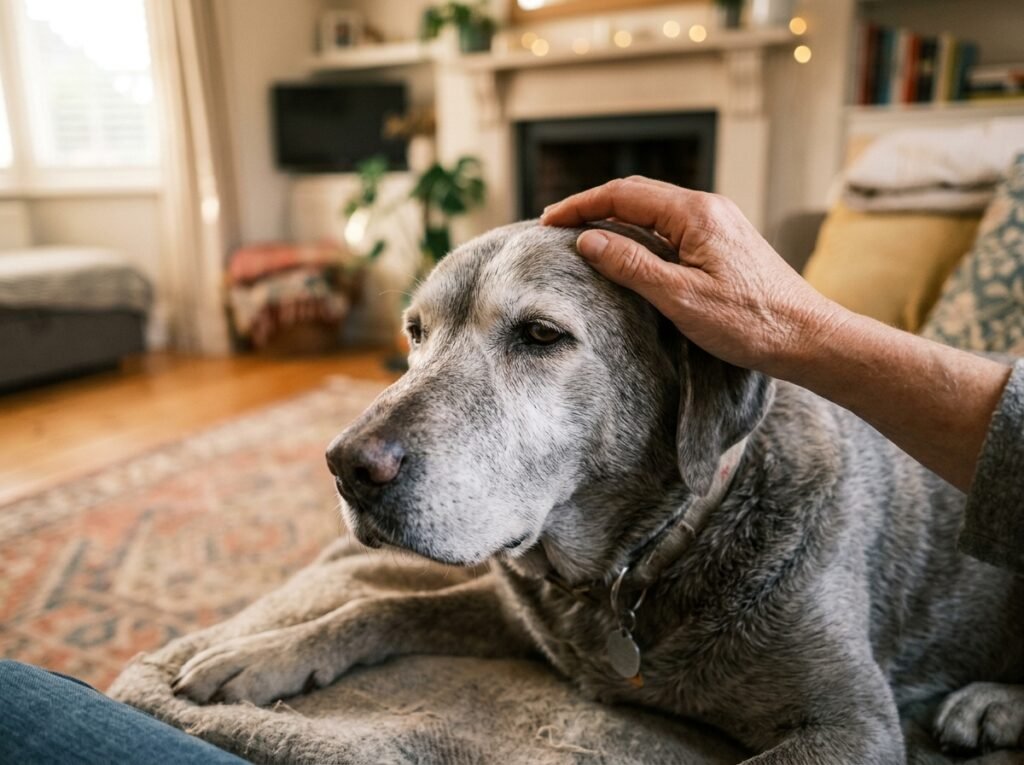
Watching your beloved senior companion experience a sudden dog seizure is one of the most frightening moments an owner can face. Out of nowhere, your gentle older dog collapses onto their side, their legs paddling stiffly, their jaw champing rapidly with foaming saliva, and their eyes staring blankly into space as if they cannot hear your voice.
You wonder what is happening inside your dog’s brain during these terrifying sixty seconds. You worry whether this first-time episode means a brain tumor, severe stroke, kidney failure, or irreversible neurological damage.
Your fear and distress are completely natural. Seeing a loyal companion lose physical control is overwhelming. However, understanding what happens during a canine seizure empowers you to stay calm, protect your dog from physical injury, and guide them safely through the post-seizure recovery phase. While late-onset seizures in dogs over age six require thorough veterinary investigation, modern medications and supportive care offer many senior dogs peaceful, happy lives.
Quick Answer:
A dog seizure is a temporary surge of abnormal electrical activity in the brain, causing sudden collapse, muscle spasms, limb paddling, drooling, and involuntary urination. When seizures start late in life (past age 6), they are rarely genetic epilepsy; instead, they typically stem from structural brain changes (like benign or malignant brain tumors) or metabolic imbalances (kidney failure, liver disease, or low blood sugar). Immediate veterinary diagnostics are vital to treat the underlying cause.
Key Takeaways:
- Late-Onset Difference: Seizures starting in senior dogs are usually structural (brain tumors, vascular strokes) or metabolic (organ toxins), unlike juvenile idiopathic epilepsy.
- The 3 Seizure Phases: The pre-ictal aura (anxious pacing), the ictus (active 1–2 minute convulsion), and the post-ictal phase (confusion, temporary blindness, deep fatigue).
- Most Critical Home Rule: Never put hands near your dog’s mouth (dogs cannot swallow their tongues, but involuntary jaw spasms cause severe bites). Clear nearby furniture and dim lights.
- Emergency Threshold: Any single seizure lasting over 5 minutes (status epilepticus) or 2+ seizures in 24 hours (cluster seizures) requires immediate emergency hospital care.
This guide explains why older dogs develop late-onset seizures, how to recognize the three distinct stages, common brain and metabolic causes, safe home actions, and when to rush to the emergency hospital.
Why Senior Dogs Develop Late-Onset Seizures
In young adult dogs (ages 1 to 5), the vast majority of seizures are diagnosed as idiopathic epilepsy, a benign inherited condition where the brain misfires without any visible lesion or organ disease.
However, when a dog experiences their very first seizure after age six or seven, veterinary neurologists classify it as late-onset seizure activity. At this age, idiopathic epilepsy is exceptionally rare. Instead, late-onset seizures fall into two primary medical categories: Structural Brain Disease and Metabolic / Reactive Conditions.
| Category | Underlying Medical Cause | Diagnostic Approach |
|---|---|---|
| Structural Brain Mass | Primary Brain Tumor (Meningioma, Glioma) or Metastatic Tumor | Brain MRI or CT Scan & neurological exam |
| Vascular / Stroke | Cerebrovascular Accident (Brain Infarct or Hemorrhage) | Blood pressure measurement & MRI imaging |
| Metabolic Organ Failure | Hepatic Encephalopathy (Liver Failure) or Uremic Toxins (Kidney Failure) | Comprehensive senior blood chemistry & bile acids |
| Endocrine / Glucose | Severe Hypoglycemia (Insulinoma or Diabetic Insulin Overdose) | Fasting blood glucose test & insulin levels |
Because the treatment for a brain tumor differs entirely from managing kidney toxins, a prompt veterinary diagnostic workup is essential. Let us explore the three distinct phases of a canine seizure.
The 3 Phases of a Dog Seizure
1. The Pre-Ictal Phase (The Aura)
Minutes to hours before a seizure occurs, abnormal electrical activity begins building in the brain. Your dog senses this strange internal shift and may become restless or anxious.
Common signs include pacing nervously, whining softly, seeking extra clingy physical contact, staring off into space, or hiding behind furniture.
2. The Ictal Phase (The Active Seizure)
This is the active seizure event. In a generalized (grand mal) seizure, your dog loses consciousness and collapses to the floor.
Their muscles stiffen into rigid extension (tonic phase), followed by rhythmic paddling of the legs (clonic phase). The jaw may snap or chew rapidly, saliva foams around the lips, and the bladder or bowels may release involuntarily. Most ictal episodes last between 30 and 90 seconds.
3. The Post-Ictal Phase (The Recovery Phase)
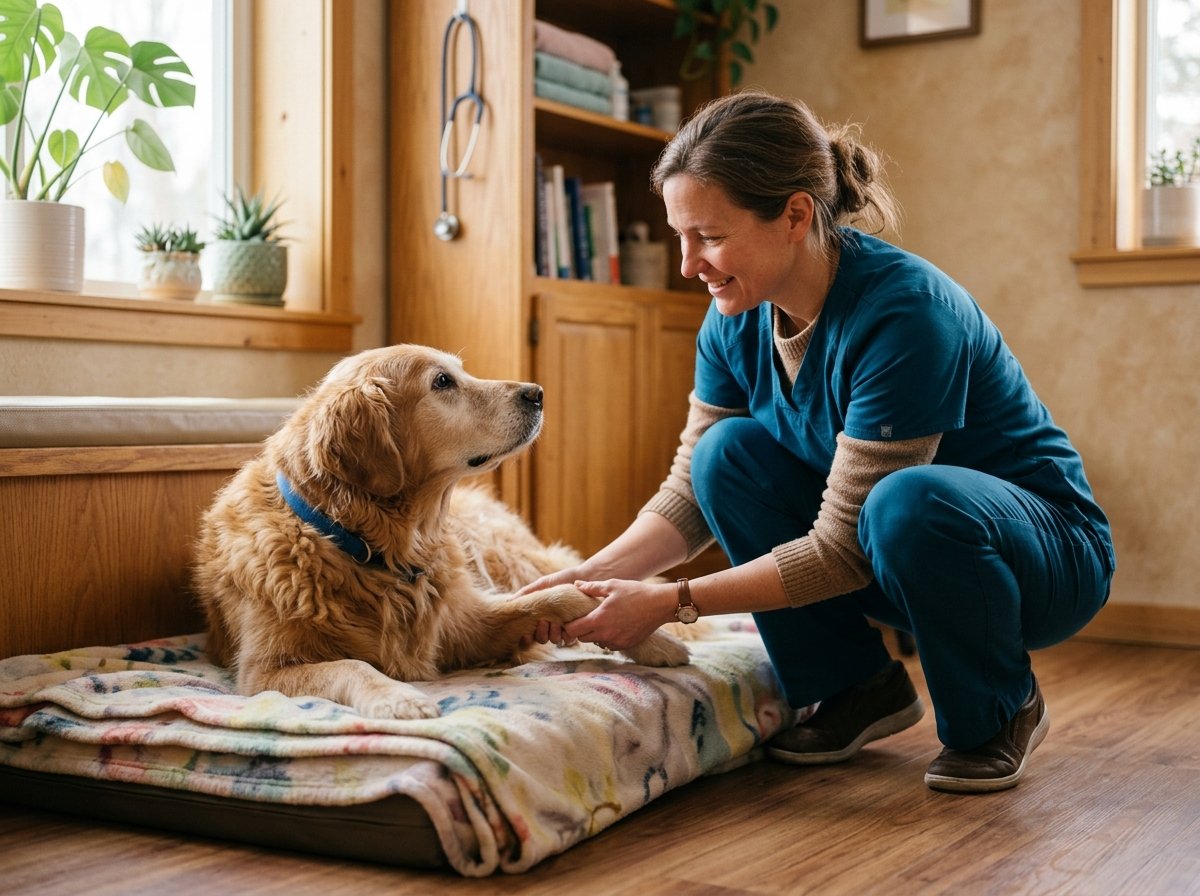
Once the active convulsion stops, the brain begins a slow recovery process. Your dog is not yet back to normal and is coping with temporary neurological exhaustion.
Your dog may stumble aimlessly, bump into walls due to temporary blindness, pace relentlessly, pant heavily, or sleep deeply for hours. This phase lasts from 15 minutes up to 24 hours. For nighttime wandering care, review our guide on old dog restless at night.
Focal Seizures vs. Grand Mal Seizures: Spotting Subtle Episodes
Not all seizures involve dramatic full-body convulsions. Older dogs frequently experience partial or focal seizures that affect only a small cluster of brain cells.
Focal (Partial) Seizures
- Fly-Biting Episodes: Snapping repeatedly at invisible flies in the air while staring into space.
- Facial Tics: Rapid twitching of one eyelid, lip curling, or ear fluttering on one side of the head.
- Limb Tremors: A single front or hind leg jerking repeatedly while the dog remains standing and awake.
If your older dog experiences isolated leg tremors, review our clinical guide on old dog shaking and trembling to distinguish seizures from arthritis weakness.
When to Call Your Vet: Emergency Red Flags
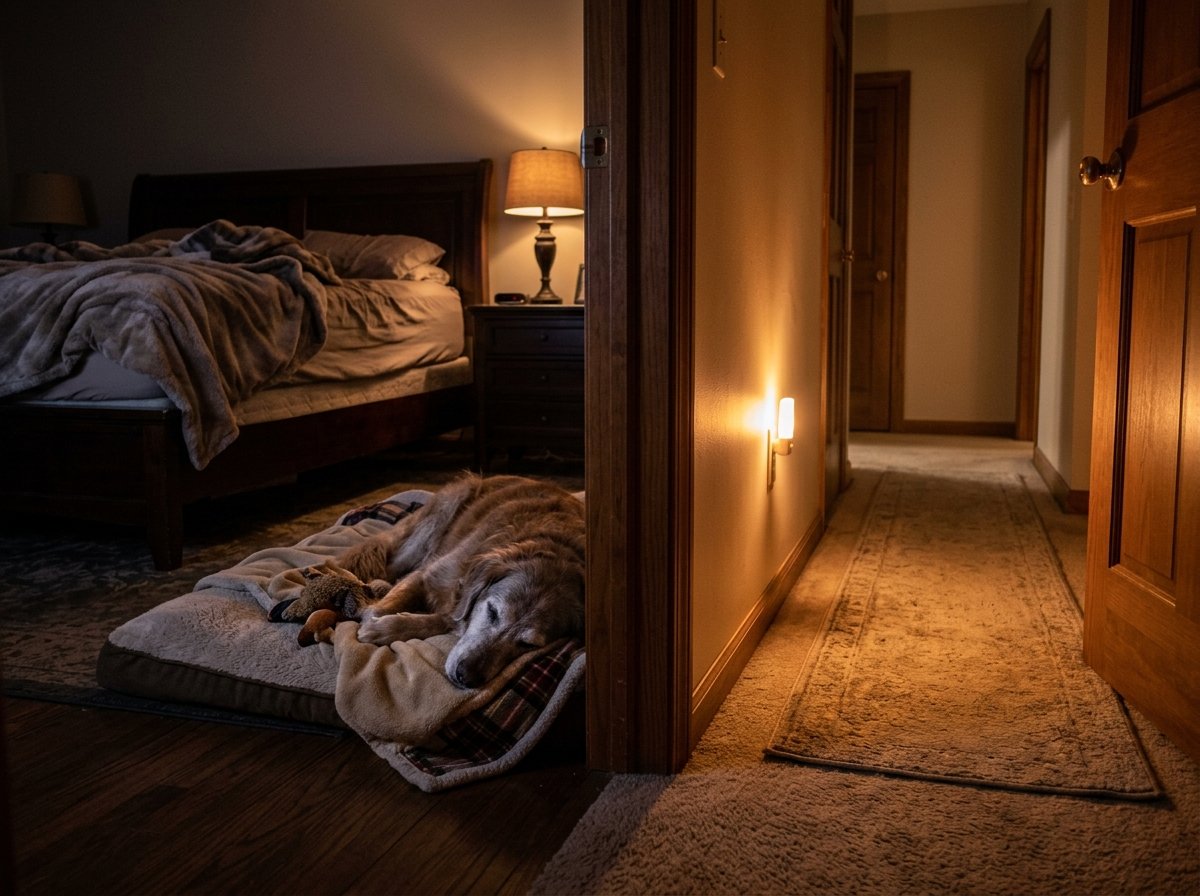
While a single brief seizure that ends under two minutes allows you to schedule a same-day or next-day vet visit, certain situations represent critical medical emergencies.
| Seizure Scenario | Required Action |
|---|---|
| Single seizure lasting under 2 minutes + Dog reboots normally | Contact vet clinic for same-day evaluation & bloodwork |
| Continuous seizure lasting longer than 5 minutes (Status Epilepticus) | Immediate Emergency Hospitalization (Risk of hyperthermia & brain damage) |
| Cluster Seizures: 2 or more seizures within a 24-hour window | Immediate Emergency Hospitalization for IV anticonvulsants |
| Dog fails to regain consciousness between episodes | Immediate Emergency Hospitalization |
Seek immediate emergency veterinary care if:
- An active seizure lasts longer than five continuous minutes.
- Your dog suffers two or more seizures in a single day.
- Your dog experiences severe breathing distress or blue gums during the event.
According to neurology standards published on VCA Animal Hospitals guide on canine seizures, prolonged seizures elevate internal body temperature past 106°F (41°C), causing secondary brain swelling and organ damage if not stopped with intravenous anticonvulsants.
What to Do During an Active Seizure: 5 Golden Rules
Follow these essential safety steps when your dog experiences a seizure:
1. Never Put Your Hands in or Near Your Dog’s Mouth
Dogs cannot swallow their tongues during a seizure. Placing your fingers, spoons, or towels in their mouth will not help and puts you at extreme risk of receiving a severe, involuntary crushing bite from spasmodic jaw muscles.
2. Move Hard Objects and Furniture Away
Do not try to restrain or hold your dog down. Instead, push coffee tables, chairs, and sharp objects away from their paddling legs. If they are near stairs, block the staircase immediately with a cushion.
3. Dim the Lights and Eliminate Noise
Sensory stimulation overexcites the recovering brain. Turn off overhead lighting, mute televisions, speak in a gentle whisper, and ask family members to give your dog calm space.
4. Time the Seizure and Record a Video
Look at your watch or phone immediately. Seizures feel like they last for hours to a frightened owner, but tracking the exact duration in seconds gives your veterinarian crucial clinical data. If safe, record a 20-second video of the episode for your vet.
5. Keep Them Cool and Safe Post-Seizure
Seizures generate intense muscle heat. Place a cool, damp washcloth near their paw pads if they feel overheated, and ensure they cannot stumble down stairs while temporarily disoriented.

Veterinary Diagnostics and Modern Seizure Management
When you bring your senior companion to the veterinarian, the diagnostic process begins with non-invasive baseline screening:
- Comprehensive Senior Blood & Urine Panel: Checks blood urea nitrogen (BUN) and creatinine for kidney failure, liver enzymes for hepatic disease, and fasting glucose for insulinomas. If kidney decline is detected, read our guide on kidney failure in dogs.
- Blood Pressure & Chest X-Rays: Evaluates cardiovascular stability and screens for primary tumors that could spread to the brain.
- Advanced Brain Imaging (MRI / CT): If bloodwork is normal, a brain MRI performed by a veterinary neurologist visualizes brain tumors (such as meningiomas) or vascular strokes.
Modern Anticonvulsant Medications
Veterinarians utilize safe, modern anti-seizure medications that control electrical impulses with minimal side effects:
- Levetiracetam (Keppra): Highly effective with minimal liver processing, making it ideal for senior pets with organ sensitivities.
- Zonisamide: A convenient twice-daily anticonvulsant that stabilizes neural membranes.
- Phenobarbital: A reliable classic medication requiring periodic liver monitoring.
- Corticosteroids (Prednisone): Often prescribed when a brain tumor is suspected to reduce surrounding brain swelling (peritumoral edema).
For setting up a secure, padded recovery home, explore our guide on keeping senior dogs comfortable.
What Not to Do During Canine Seizures
Avoid these common mistakes to protect your dog’s safety:
- Never Shake, Slap, or Yell at Your Dog: They are unconscious during a seizure and cannot hear you; loud noises only increase sensory overload.
- Never Force Food or Water Immediately After: Swallowing reflexes are impaired during the post-ictal phase, creating high risk for life-threatening aspiration pneumonia.
- Never Skip Daily Anticonvulsant Doses: Abruptly stopping anti-seizure medication triggers severe rebound cluster seizures.
Frequently Asked Questions
Can an old dog survive a seizure?
Yes. The vast majority of brief single seizures are not fatal. With veterinary diagnostic testing and targeted anti-seizure medications, many older dogs live comfortable, high-quality lives for years.
What is the difference between a seizure and a stroke in dogs?
A seizure involves sudden electrical storm activity with muscle convulsions, paddling, and loss of consciousness that resolves within minutes. A canine stroke (or vestibular episode) causes persistent head tilt, rolling, and eye flicking (nystagmus) without loss of consciousness.
How long does the confused post-ictal phase last?
The recovery phase typically lasts between 15 minutes and 2 hours, though some older dogs may remain mildly disoriented or sleepy for up to 24 hours.
Can kidney failure cause seizures in dogs?
Yes. In advanced kidney disease (uremia), toxins normally cleared by the kidneys accumulate in the bloodstream and cross into the brain, causing reactive seizures.
Is a brain tumor always a death sentence for a senior dog?
No. Many slow-growing brain tumors like meningiomas respond remarkably well to anti-inflammatory steroids (prednisone) and anticonvulsants, giving dogs months to years of comfortable quality life.
Guiding Your Senior Companion with Love and Calm
Witnessing a dog seizure is deeply distressing, but your calm presence and quick safety measures make all the difference. By creating a quiet, padded recovery space, keeping your hands away from their mouth, and collaborating closely with your veterinarian for diagnostic testing, you give your beloved companion the best protection and care.
Always consult your veterinarian for diagnostic evaluations and prescription treatment plans. Review official resources from the American Veterinary Medical Association senior pet care FAQ to keep your loyal pet safe, happy, and comfortable.