
Waking up to discover that your older dog has diarrhea is an immediate worry for any pet parent. You look over at your sweet senior companion and notice them pacing anxiously toward the back door, having messy indoor accidents, or standing in the yard with a soft, watery stool and an uncomfortable posture.
You wonder whether your dog simply ate something unusual off the kitchen floor and you worry whether that sudden loose stool points to a painful bout of acute pancreatitis, inflammatory bowel disease, or side effects from their daily arthritis medications.
Your concern is completely natural. Diarrhea in older dogs is far more serious than in young puppies because senior bodies have smaller hydration reserves and dehydrate very quickly. However, finding loose stool does not mean you are helpless. With prompt hydration tracking, a gentle 48-hour bland diet, and timely veterinary guidance, you can soothe your dog’s irritated digestive tract and restore healthy digestion.
Quick Answer:
When an older dog has diarrhea, the most frequent triggers are dietary indiscretion, high-fat food intolerance, acute pancreatitis, side effects from arthritis NSAIDs, or Inflammatory Bowel Disease (IBD). Mild cases often resolve with a temporary 48-hour bland diet of boiled chicken, white rice, and pure pumpkin puree. However, diarrhea lasting over 24 hours, or accompanied by blood or vomiting, requires urgent veterinary evaluation to prevent severe dehydration.
Key Takeaways:
- Primary Triggers: Fatty meal intolerance, sudden diet changes, medication reactions, gut microbiome shifts, or organ strain.
- Most Critical Home Step: Perform a skin turgor test to monitor hydration and feed small, frequent portions of a 2:1 white rice and boiled chicken bland diet.
- Stool Color Clues: Bright red blood (hematochezia) indicates lower bowel colitis, while black tarry stool (melena) indicates upper digestive bleeding.
- Emergency Threshold: Diarrhea accompanied by repeated vomiting, black stools, pale gums, or lasting longer than 48 hours requires immediate veterinary hospital care.
This guide explains why older dogs develop loose stools, how to assess stool colors and dehydration, step-by-step bland diet preparation, and when to seek emergency veterinary care.
Why Senior Dogs Are More Vulnerable to Diarrhea
A senior dog’s gastrointestinal system undergoes natural age-related shifts. Over time, the mucosal lining of the intestines becomes thinner, and the population of beneficial gut microbiome bacteria becomes less resilient to sudden changes.
Furthermore, older organs produce fewer digestive enzymes to break down dietary fats. Even a tiny piece of table cheese or greasy meat that your dog handled easily in their youth can trigger severe gut inflammation. Senior dogs also have a higher incidence of underlying kidney, liver, or endocrine conditions that affect digestion.
| Stool Appearance / Color | Likely Cause | Recommended Action |
|---|---|---|
| Soft serve or watery brown stool | Dietary indiscretion, mild stress, or rapid food change | Start 48-hour bland diet; monitor hydration closely |
| Streaks of bright red blood + Mucus jelly | Large bowel colitis or rectal inflammation | Schedule veterinary exam within 24 hours |
| Black, tarry, foul-smelling stool (Melena) | Upper gastrointestinal bleeding or stomach ulcer (often NSAID-related) | Immediate emergency veterinary clinic visit |
| Yellow or greasy, clay-colored stool | Maldigestion, rapid bowel transit, or liver/pancreas strain | Vet blood panel and fecal analysis |
Observing the color and consistency of your dog’s stool provides valuable clues for your veterinarian. Let us explore the six most common causes behind diarrhea in older dogs.
6 Common Causes of Diarrhea in Senior Dogs
1. Dietary Indiscretion and High-Fat Food Reactions
Senior dogs often retain their curious appetites, sniffing out grease on the sidewalk or table scraps from the counter. High-fat snacks flood the intestines with unabsorbed lipids, causing rapid fluid draw and explosive watery stool.
If your dog has a history of sensitive digestion or pancreatitis, explore our complete guide on low fat dog food for senior dogs to protect their pancreas.
2. Acute or Chronic Pancreatitis
Pancreatitis occurs when the pancreas becomes inflamed, causing digestive enzymes to activate prematurely. This produces intense abdominal pain, repeated vomiting, fever, and severe watery diarrhea.
Dogs with pancreatitis will often assume a “prayer position,” resting their front paws flat on the floor with their rear end in the air to relieve belly pressure.
3. Medication Side Effects (Arthritis NSAIDs and Antibiotics)
Many senior dogs take daily non-steroidal anti-inflammatory drugs (NSAIDs) like carprofen, meloxicam, or galliprant for arthritis pain. These medications can irritate the protective stomach lining and cause intestinal ulcers.
If your dog develops loose stools while taking arthritis medication, stop the medication immediately and call your vet. To manage stiffness safely, explore our guide on senior dog joint stiffness remedies.
4. Inflammatory Bowel Disease (IBD) and Food Allergies
IBD is a chronic immune-mediated condition where inflammatory cells invade the stomach and intestinal walls. It causes chronic, intermittent bouts of diarrhea, weight loss, and gas.
Dogs with IBD often require prescription novel-protein or hydrolyzed diets to calm chronic gut inflammation.
5. Underlying Kidney, Liver, or Endocrine Disease
Metabolic conditions like kidney failure, liver disease, and Addison’s disease affect the body’s fluid balance and electrolyte regulation, frequently manifesting as digestive upset.
If your dog is also showing changes in thirst and urination alongside diarrhea, read our overview on kidney failure in dogs.
6. Gut Dysbiosis and Bacterial Overgrowth
Senior dogs experience natural shifts in gut flora. Stress, aging, or a recent course of antibiotics can wipe out healthy probiotics, allowing harmful bacteria like Clostridium or Campylobacter to multiply.
In addition to bacterial imbalances, intestinal parasites remain a frequent yet overlooked trigger of chronic loose stool; review our complete guide on dog worms in senior dogs to learn how common parasites irritate aging digestive tracts.
How to Check Your Senior Dog for Dehydration
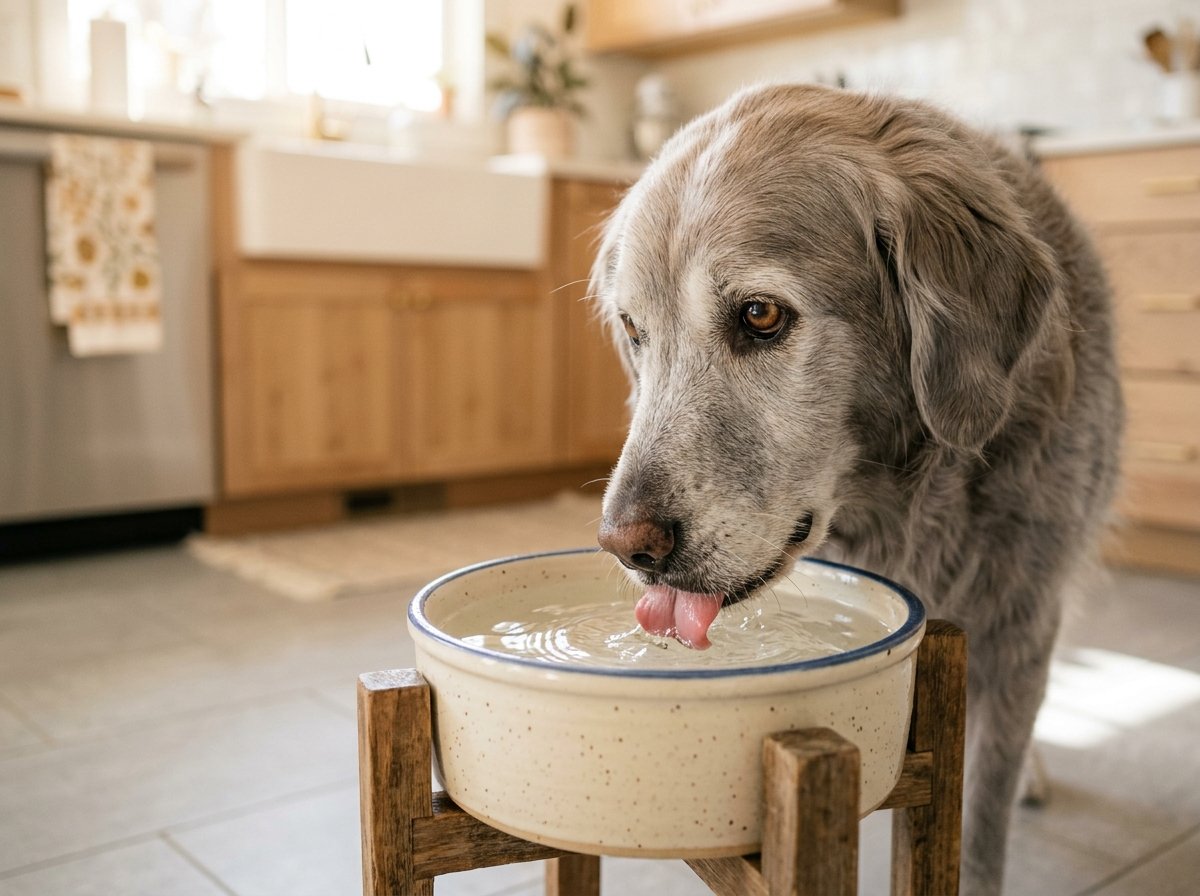
Dehydration is the greatest danger when an older dog has diarrhea. Perform these two simple 5-second checks at home:
1. The Skin Turgor (Pinch) Test
Gently pinch the loose skin on the back of your dog’s neck or between their shoulder blades into a small tent, then let go.
- Well-Hydrated: The skin snaps back smoothly into place in under one second.
- Dehydrated: The skin stays tented or slides back very slowly over two to three seconds.
2. The Gum Moisture & Capillary Refill Test
Lift your dog’s upper lip and touch their gums with a clean index finger.
- Healthy: Gums feel wet, slick, and slippery.
- Dehydrated: Gums feel tacky, sticky, or dry.
Press firmly on the pink gum tissue until it turns white, then release. The pink color should return within 1.5 seconds. If it takes longer than 2 seconds, blood circulation is sluggish due to fluid loss.
When to Call Your Vet: Emergency Red Flags
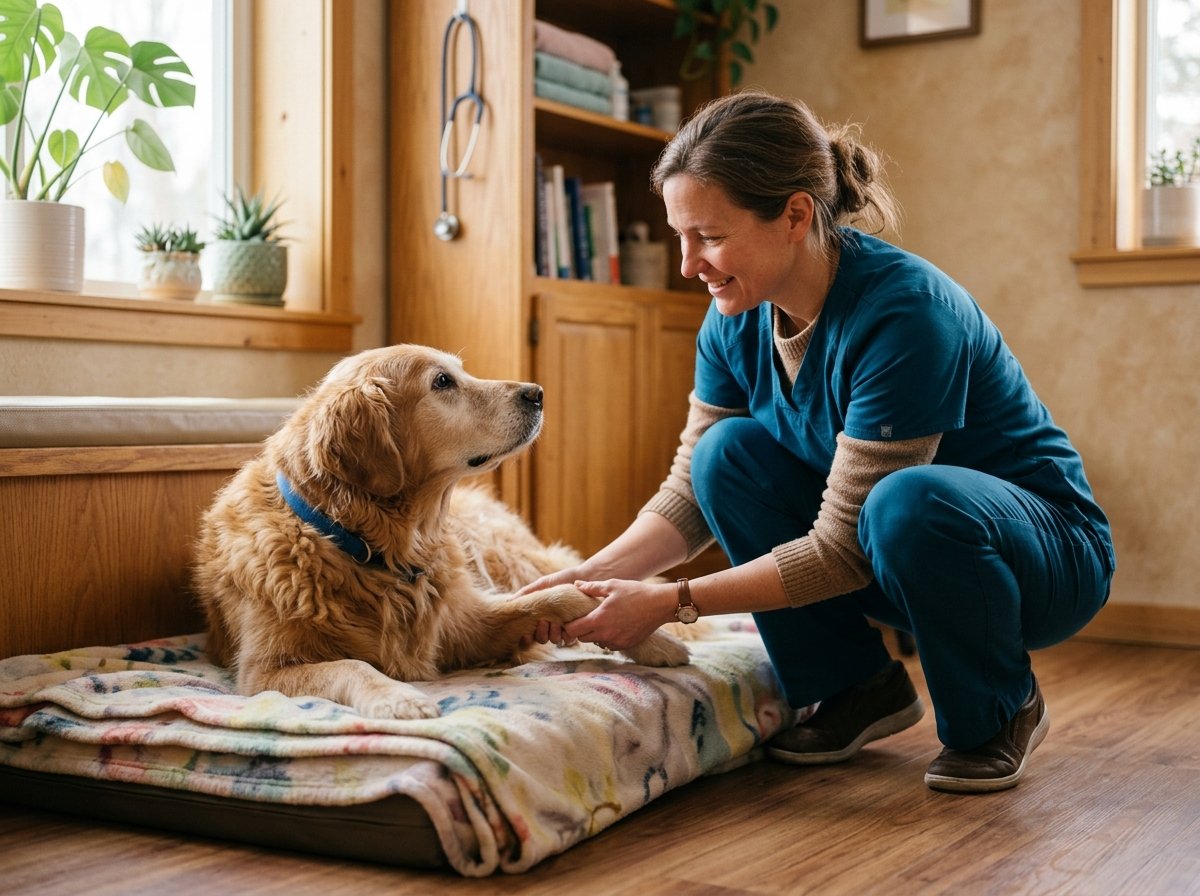
While mild loose stool can be managed at home for 24 hours, certain symptoms require immediate emergency care.
| Symptom Combination | Required Action |
|---|---|
| Single soft stool + Dog is bright, alert, and drinking | Start 48-hour bland diet; monitor at home |
| Diarrhea lasting 24–48 hours + Refusing food | Schedule veterinary appointment within 24 hours |
| Watery diarrhea + Repeated vomiting (cannot keep water down) | Immediate emergency clinic visit |
| Black tarry stool (Melena) OR pale gums + extreme weakness | Immediate emergency hospital care |
Schedule a prompt veterinary visit if:
- Diarrhea persists for more than 24 to 48 hours without improvement.
- You notice small streaks of red blood or mucus in the stool.
- Your dog is lethargic or refuses to eat their regular meals.
Seek immediate emergency care if:
- Your dog passes black, tarry, sticky stool (digested blood).
- Your dog vomits multiple times alongside diarrhea.
- Your dog’s abdomen feels hard, swollen, or painful to the touch.
- Your dog collapses or shows signs of severe dehydration.
According to clinical gastroenterology resources on PetMD’s guide on acute dog diarrhea, intravenous fluid therapy is often necessary in older pets to restore critical electrolyte balances.
The 48-Hour Bland Diet Protocol for Senior Dogs
If your dog is bright, has not vomited, and is drinking water, a temporary bland diet allows the digestive tract to rest and recover.
How to Prepare the Bland Diet
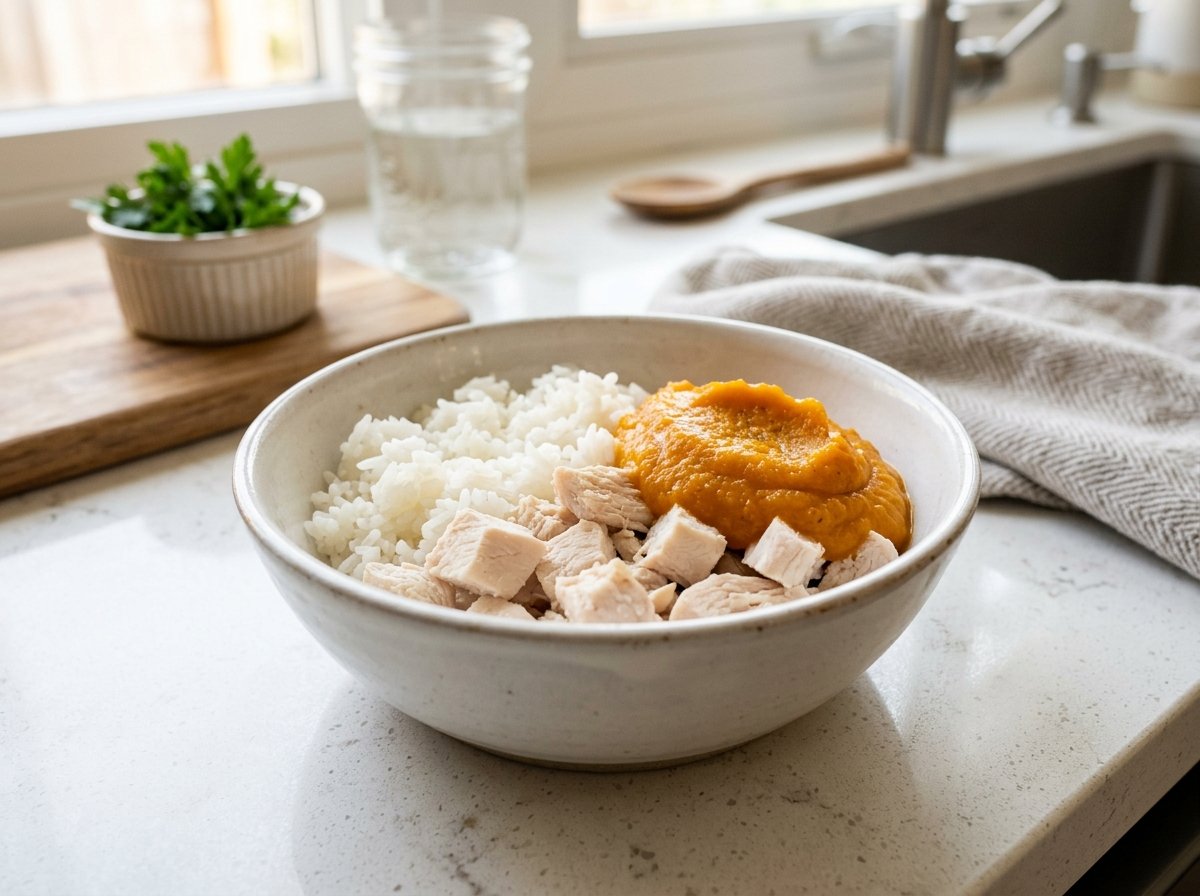
- Lean Protein (1 Part): Boil skinless, boneless chicken breast or 95% lean ground turkey in plain water. Do not add oils, butter, salt, garlic, or onions. Drain all excess fat completely and chop into bite-sized pieces.
- Easily Digestible Carbohydrate (2 Parts): Cook plain white rice in plain water until soft and slightly sticky. White rice digests effortlessly without stimulating excess bile.
- Fiber Addition (1 Tablespoon): Add 1 to 2 tablespoons of 100% pure canned pumpkin puree (NOT pumpkin pie mix). Pumpkin contains soluble fiber that absorbs excess water in the bowel.
Feeding Schedule and Transition
- Day 1: Feed 3 to 4 small meals of the 2:1 rice-and-chicken mixture with pumpkin throughout the day.
- Day 2: Continue the bland diet if stool is firming up.
- Days 3–5: Gradually reintroduce regular food by mixing 25% regular kibble with 75% bland diet, increasing to 100% regular food over three days.
If your senior dog is reluctant to eat, review our guide on how to help a senior dog gain weight safely for gentle nutrition ideas.
5 Safe Home Steps to Support a Dog with Diarrhea
Step 1: Keep Fresh Water Readily Accessible
Never restrict water access when your dog has diarrhea. Place multiple bowls of fresh water around the house, or add a splash of low-sodium plain bone broth to encourage drinking.
Step 2: Add a Veterinary-Approved Canine Probiotic
Probiotics containing beneficial strains like Enterococcus faecium (such as Purina FortiFlora or Proviable) restore healthy gut flora and shorten the duration of diarrhea.
Step 3: Protect Indoor Floors with Absorbent Washable Pads
Eliminate stress for both you and your dog by placing washable waterproof pads near doorways and beside their bed. An aging dog cannot hold watery stool, and feeling anxious about accidents worsens gut spasms.
Step 4: Keep Outdoor Bathroom Trips Short and Gentle
Take your dog outside on a loose leash every few hours to allow them to empty their bowels in a calm environment. Avoid strenuous exercise until stool is completely normal.
Step 5: Follow Vet-Prescribed Medications Diligently
If your vet prescribes medications like metronidazole, tylosin, or probiotics, administer the full course as directed. Never stop antibiotics early just because the stool firms up.
What Not to Do When Your Dog Has Diarrhea
Avoid these dangerous mistakes when managing digestive issues:
- Never Give Human Anti-Diarrheal Pills: Medications like Pepto-Bismol contain salicylates (similar to aspirin) that can cause fatal toxicity in dogs and interfere with X-rays.
- Never Fast a Senior Dog for 24 Hours: While fasting young dogs is sometimes done, fasting an older dog can trigger severe hypoglycemia and metabolic weakness.
- Never Continue Giving Daily NSAIDs During Diarrhea: Giving arthritis pain pills during active gut inflammation can cause stomach perforation.
Frequently Asked Questions
How long can an old dog have diarrhea before going to the vet?
If your senior dog is bright and drinking, you can try a bland diet for 24 hours. If diarrhea continues past 24 to 48 hours, or is accompanied by vomiting or lethargy, see your vet immediately.
Can I give my dog white rice and pumpkin for diarrhea?
Yes. A mixture of plain boiled white rice, skinless chicken breast, and 100% pure pumpkin puree is a safe, effective 48-hour bland diet that absorbs excess fluid and rests the intestines.
Why is there mucus or blood in my dog’s diarrhea?
Mucus and bright red blood indicate inflammation in the large intestine (colitis). When the colon is irritated, it produces excess mucus and small blood vessels bleed. It is common but requires a vet exam.
What should I do if my dog with diarrhea won’t drink water?
Refusing water during active diarrhea causes rapid dehydration. Contact your veterinarian or emergency clinic immediately for subcutaneous or IV fluids.
Can arthritis medicine cause diarrhea in older dogs?
Yes. NSAIDs like carprofen and meloxicam can irritate the stomach and intestinal lining. Stop the medication and notify your veterinarian right away if loose stool occurs.
Restoring Digestive Comfort to Your Senior Dog
Seeing that your dog has diarrhea is concerning, but quick attention to hydration, a soothing bland diet, and veterinary collaboration will help your companion feel better quickly. By recognizing red flags early and providing a calm recovery environment, you keep your old friend comfortable and healthy.
Always consult your veterinarian if symptoms persist or if you have questions about your dog’s health. Check official recommendations from the American Veterinary Medical Association senior care FAQ to keep your companion thriving throughout their golden years.