
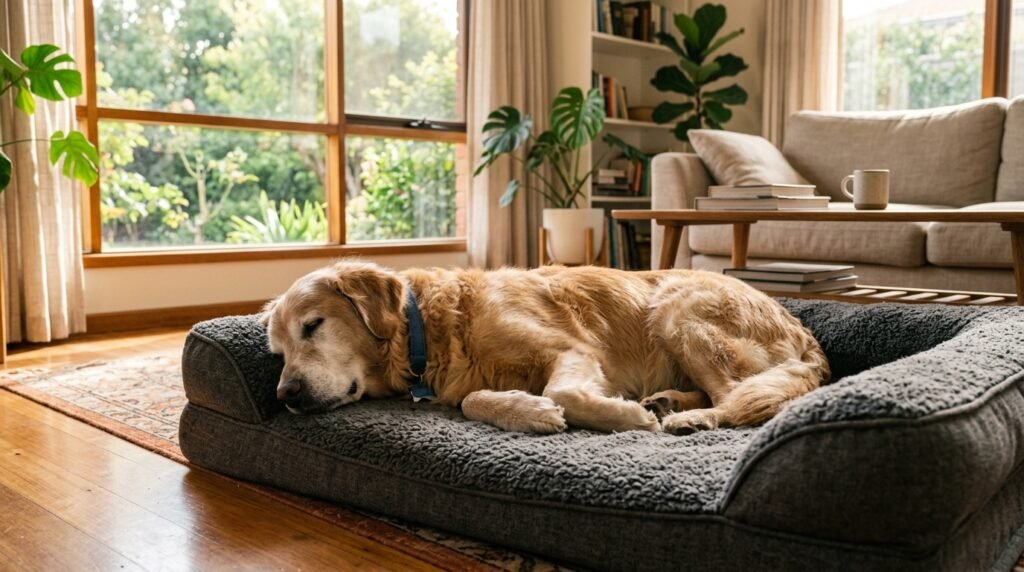
Stepping into your living room on a quiet afternoon and seeing your older companion curled up asleep in the exact same spot they occupied four hours ago is a familiar, bittersweet sight. You remember the youthful years when the slightest rustle of a treat bag would launch them to their feet. Today, they spend the vast majority of daylight hours dozing soundly in a patch of soft sunlight.
Devoted pet owners often wonder if this dramatic increase in sleep represents a natural part of growing old or an indicator of an underlying medical issue. It is completely normal for aging canines to slow down and require more recovery time after mild activity. However, distinguishing between peaceful, restorative slumber and clinical lethargy is one of the most critical skills you can develop as a caregiver.
Recognizing the boundary between healthy senior rest and medical fatigue protects your faithful friend from preventable suffering. Subtle clues in their responsiveness, appetite, posture, and facial expressions reveal how they truly feel inside. Learning how to interpret these quiet signals ensures your dog enjoys comfort, dignity, and timely veterinary care throughout their golden years.
Quick Answer:
Senior dogs naturally sleep between 14 and 18 hours per day due to reduced cellular energy, worn joints, and natural metabolic slowing. Normal senior rest allows your dog to wake up eagerly for meals, show interest in family interactions, and wag their tail. In contrast, clinical lethargy involves dull responsiveness, refusal to eat, labored breathing, or complete indifference to familiar household joys.
Key Takeaways:
- Daily Sleep Norms: Healthy older canines spend 60 to 75 percent of the day resting or sleeping to restore muscular stamina.
- The Arousal Test: A normally sleeping dog rouses alertly when offered food or leashes. A lethargic dog barely lifts their head or ignores favorite stimuli.
- Hidden Medical Causes: Sudden drops in energy frequently trace to hypothyroidism, chronic arthritis pain, cardiac insufficiency, or kidney dysfunction.
- Quality Sleep Setup: Supporting deep REM rest with orthopedic memory foam beds and draft-free room temperatures prevents daytime grogginess.
- Urgent Warning Signs: Pale gums, heavy panting at rest, sudden collapse, or vomiting paired with sleepiness warrant immediate emergency evaluation.
How Much Sleep Is Normal for an Older Dog?
Canine sleep requirements change dramatically across the stages of life. While an active adult dog sleeps between twelve and fourteen hours daily, senior canines regularly log fourteen to eighteen hours of rest. Giant breeds like Great Danes and Mastiffs may even spend up to nineteen hours dozing peacefully.
Aging bodies simply run on smaller metabolic fuel tanks. Cartilage degradation and loss of lean muscle mass force older dogs to exert far more physical energy just to walk across a room. Sleep provides the restorative window needed to repair tired muscle fibers, reduce systemic inflammation, and conserve vital bodily reserves.
Broken, restless sleep becomes more common as dogs age. The VCA Hospitals guide to senior behavior changes explains how to tell normal aging from cognitive dysfunction. Older dogs cycle between light sleep and wakefulness more frequently throughout the night. Consequently, they take numerous daytime power naps to make up for disrupted nocturnal sleep.
Sensory fading also contributes significantly to lengthened naps. Cloudy lenses from nuclear sclerosis and degenerative hearing loss reduce the flood of visual and auditory stimuli that once kept younger brains alert. With fewer environmental distractions demanding their attention, older canines slip effortlessly into calm slumber.
Do not feel alarmed if your companion sleeps through most of the afternoon. Provided they greet you with soft tail wags, eat their meals eagerly, and enjoy brief sniff walks, high sleep volume is natural. Their body is simply pacing itself wisely to match their reduced stamina.
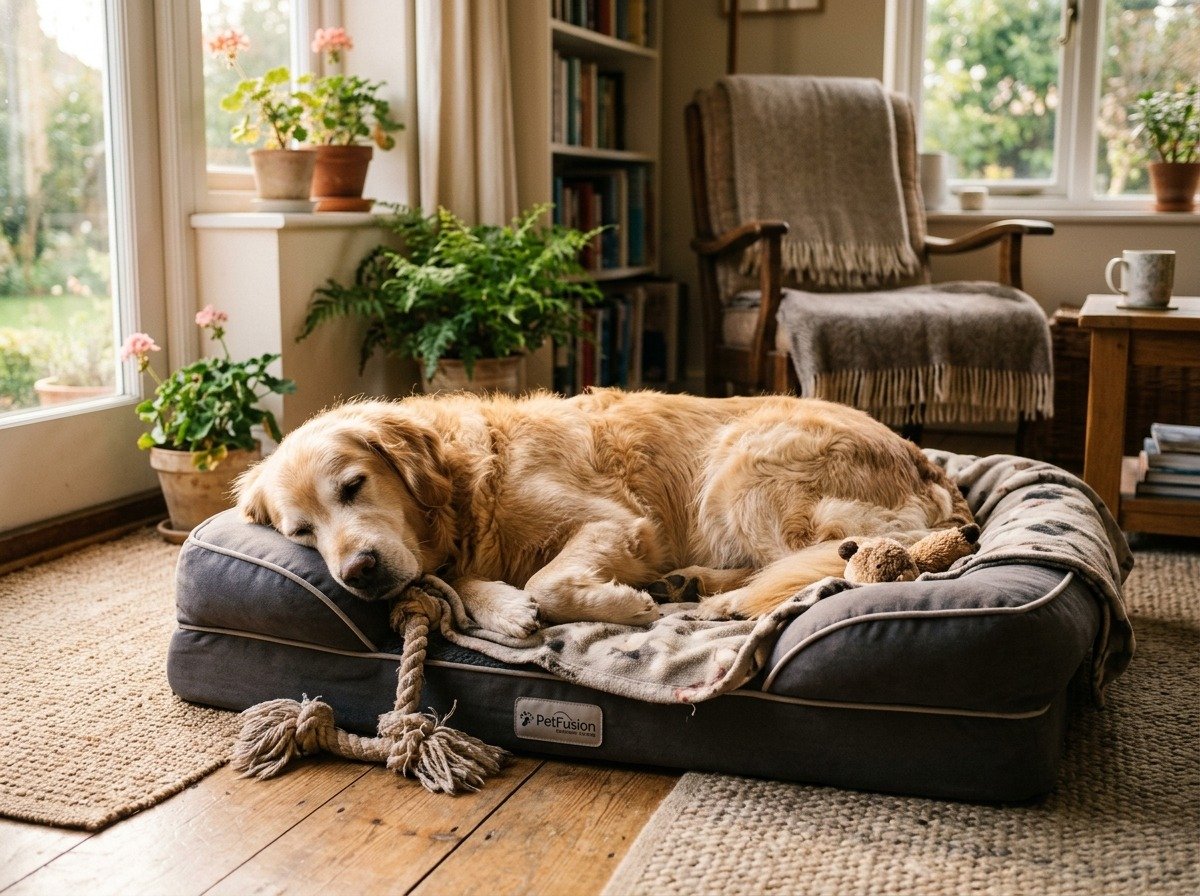
Normal Senior Sleep vs. Clinical Lethargy
Telling the difference between peaceful resting and true lethargy can feel challenging because both look identical from across the room. The critical difference lies in your dog mental state and physical responsiveness when awake. A rested dog remains emotionally present, while a lethargic dog appears hollow, disconnected, or physically unable to engage.
Normal sleep is an active biological choice driven by natural fatigue. When an older dog rests normally, their brain remains responsive to meaningful sensory input. They will perk their ears at a familiar footstep, track kitchen activity with their eyes, and stand up eagerly when dinner bowls clatter on the counter.
Clinical lethargy, on the other hand, is a symptom of physical distress, organ compromise, or intense internal pain. A lethargic dog lacks the vitality to care about their surroundings. They may glance weakly at an open door, ignore high-value treats placed near their nose, or sink back down with a despondent sigh.
The Arousal Response Test
You can perform a simple check at home known as the arousal response test. Walk quietly toward your sleeping pet and gently speak their name in an upbeat, cheerful tone. A normally resting dog will blink open bright eyes, raise their head, or thump their tail against the bedding.
Offer a tiny piece of warm chicken or their favorite biscuit. A healthy senior dog will sniff eagerly, take the treat with a soft mouth, and lick their lips in anticipation. If your companion shows genuine excitement for food and family affection, their extended rest is healthy.
If your dog fails to acknowledge your voice or stares through you with dull, glassy eyes, take note. Reluctance to stand up to relieve a full bladder or total indifference to food indicates that fatigue has crossed into pathological lethargy. This behavioral shift demands veterinary attention.
Common Medical Conditions Causing Excessive Sleepiness
When an older dog energy drops precipitously over several days or weeks, unseen internal illnesses are often the true cause. Because dogs cannot describe nausea, dull aches, or dizziness, they instinctively lie down to cope with systemic stress. Identifying these underlying conditions early allows your veterinarian to restore comfort and vitality.
Endocrine disorders represent a widespread cause of profound canine fatigue. Hypothyroidism occurs when the thyroid gland underproduces vital metabolic hormones, slowing heart rate, digestion, and cellular metabolism. Dogs with hypothyroidism gain weight without eating more, seek warm spots constantly, and sleep practically around the clock.
Cardiovascular disease and congestive heart failure also sap physical stamina rapidly. When the heart struggles to pump oxygenated blood to vital organs and working muscles, light movement leaves a dog breathless and exhausted. If excessive daytime sleepiness accompanies nighttime restlessness or coughing, review our guide on old dog heavy breathing and panting causes to spot cardiac complications.
Renal and hepatic diseases contribute to systemic lethargy through toxin accumulation. As aging kidneys lose filtration efficiency, nitrogenous waste products build up in the bloodstream, causing chronic low-grade nausea, dehydration, and mental dullness. Senior dogs battling early kidney decline drink copious amounts of water and spend long hours sleeping off malaise.
Cognitive changes also disrupt normal rest cycles. Brain changes linked to aging, including amyloid plaque buildup, are thought to contribute to the disrupted sleep seen in dogs with dementia. The VCA Hospitals guide on canine cognitive dysfunction explains the condition in more detail. Affected canines experience reversed sleep schedules, pacing through the night and crashing into heavy exhaustion during the day.
The Hidden Role of Chronic Arthritis Pain
Many pet parents assume their older dog is simply tired when the real culprit is chronic joint pain. Osteoarthritis creates persistent aching in hips, elbows, stifles, and spinal facets. Moving around the living room requires painful muscular exertion that leaves your dog eager to lie back down.
Dogs in pain often choose sleep as a defensive coping mechanism. Sleeping allows them to avoid the sharp twinges that occur when bearing weight on worn cartilage. When joint discomfort is treated with modern pain management, many dogs suddenly regain playful daytime alertness that owners thought was lost to age.
If your companion hesitates before standing, walks with stiff hind legs, or licks their wrists obsessively, joint soreness is likely keeping them down. Explore our detailed guide on senior dog joint stiffness remedies for gentle home techniques that ease morning mobility.
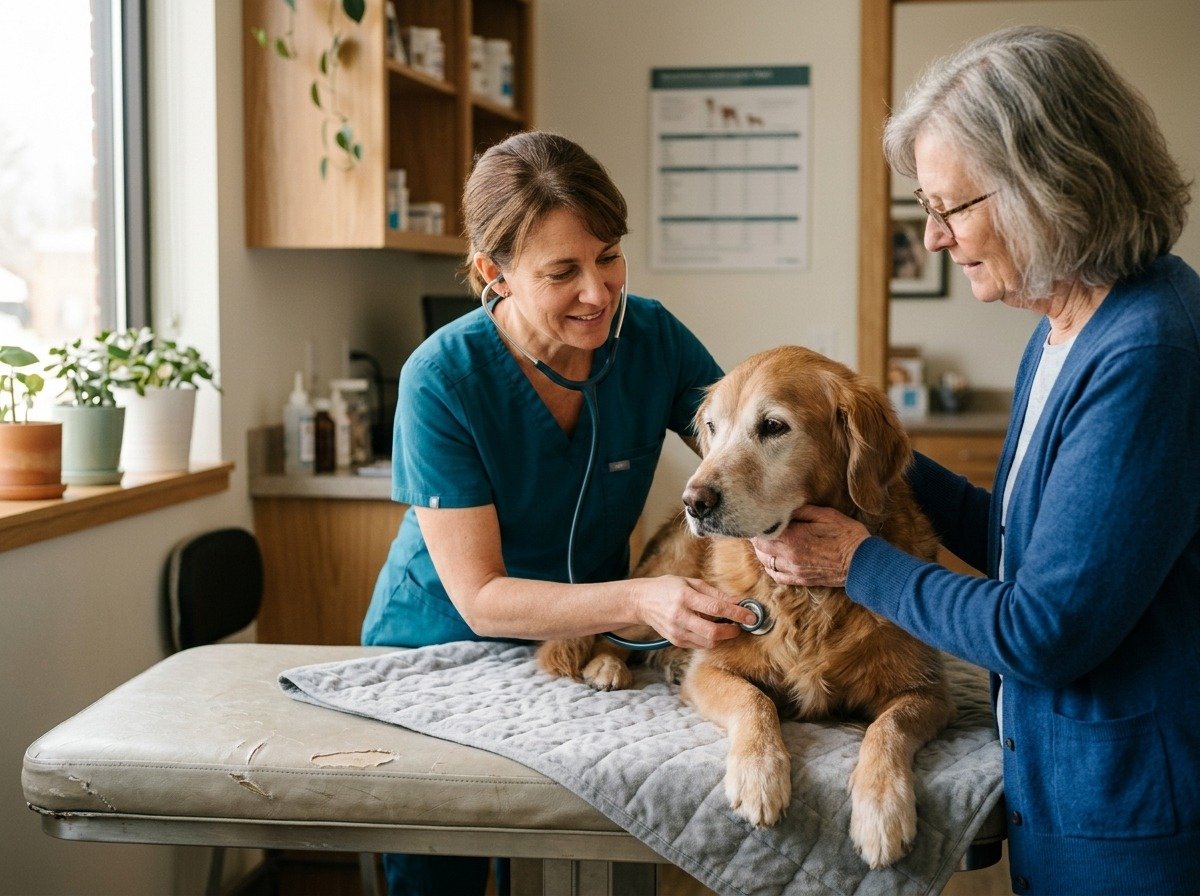
Sleep vs. Lethargy Assessment Matrix
Use the following diagnostic matrix to evaluate your senior dog behavior across six daily vitality markers. This side-by-side comparison helps you distinguish healthy aging rest from clinical symptoms that warrant veterinary intervention.
| Vitality Marker | Healthy Senior Sleep (Normal) | Clinical Lethargy (Abnormal) | Recommended Action |
|---|---|---|---|
| Mealtime Arousal | Rises eagerly when bowls clatter, finishes meals | Ignores food, sniffs weakly and turns away | Monitor appetite; vet check if lasting > 24 hrs |
| Eye Contact & Demeanor | Bright, curious gaze; tracks movement; wagging tail | Glassy, unfocused gaze; glazed eyes; drooping head | Check gum color and hydration; schedule vet exam |
| Bathroom Motivation | Stands to ask for yard access; sniffs grass | Reluctant to stand; soils bed; urinates without rising | Urgent veterinary evaluation for pain or organ failure |
| Physical Mobility | May be stiff for 2 minutes, then walks steadily | Weak limbs buckle; stumbles; completely unable to stand | Immediate medical check for neurological or spinal crisis |
| Resting Respiration | Smooth, silent breathing below 30 breaths/min | Rapid shallow breathing, deep abdominal heave, wheezing | Emergency clinic visit for heart or lung distress |
| Gum & Mucous Color | Healthy salmon pink; moist to touch | Pale white, grayish blue, or tacky yellow | Critical emergency; indicates anemia or shock |
How to Optimize Your Senior Dog Sleep Quality
Improving the quality of your dog daytime and nighttime rest ensures that sleep remains restorative rather than restless. Older canines who sleep fitfully wake up disoriented, sore, and mentally exhausted. Thoughtful adjustments to their physical sleeping sanctuary dramatically improve daytime mood and mobility.
Invest in a medical-grade orthopedic bed with high-density memory foam support. Cheap polyfill mattresses collapse under body weight, allowing painful pressure points on hips and shoulders to strike the floor. For detailed layout recommendations, explore our tutorial on keeping senior dogs comfortable at home with traction corridors and orthopedic resting stations.
Position beds away from high-traffic household corridors, drafty doors, and noisy appliances. Senior canines sleep lightly due to sensory decline and startle easily from sudden vibrations or footsteps. Providing a calm, quiet corner where they feel secure allows them to slip into deep, restorative slow-wave sleep cycles.
Establishing a predictable daily schedule also stabilizes canine sleep architecture. Setting fixed hours for morning wake-ups, gentle sniff walks, meals, and nighttime bedtimes anchors their biological clock. To build a supportive routine, review our framework on senior dog daily routines for comfort and security.
When to Call Your Veterinarian Immediately
While gradual increases in sleep volume accompany normal aging, acute changes in energy demand prompt veterinary evaluation. In some situations, lethargy represents a life-threatening medical emergency that cannot wait for a scheduled routine checkup. Knowing when to act quickly can save your beloved companion life.
Seek immediate emergency veterinary care if excessive sleepiness is accompanied by pale or white gums, collapse, or inability to stand. These signs point toward internal hemorrhage from splenic tumors, acute hemolytic anemia, or cardiovascular collapse. Delaying treatment in these acute scenarios carries grave consequences.
According to recommendations from the American Animal Hospital Association senior pet care guidelines, any senior dog demonstrating unexplained lethargy combined with continuous vomiting, fever, or respiratory distress requires immediate medical triage within hours.
For more subtle changes, such as sleeping an extra two hours each afternoon over a month, schedule a non-emergency geriatric wellness exam. Your vet can perform thorough senior blood panels, urinalysis, thyroid checks, and orthopedic palpations. Uncovering and managing chronic conditions early gives your dog many more comfortable, happy years by your side.
Frequently Asked Questions
Is it normal for a senior dog to sleep 18 hours a day?
Yes, sleeping 14 to 18 hours per day is entirely normal for senior canines. As dogs enter their senior years, cellular metabolic rates decrease, and joint wear makes physical movement more tiring. Provided your dog wakes up cheerfully for meals, engages with family members, and eliminates outdoors normally, high sleep volume is healthy.
How can I tell if my old dog is tired or in pain?
Dogs experiencing pain often exhibit behavioral changes beyond simple fatigue. Signs of pain include taking multiple attempts to stand, panting while resting in cool rooms, licking joints obsessively, and showing reluctance to be touched along the back or hips. If your dog sleeps deeply but groans or appears irritable when rising, joint pain is the likely cause.
Why does my senior dog sleep all day but pace all night?
Reversed sleep-wake cycles frequently indicate Canine Cognitive Dysfunction, commonly known as dog dementia. Disorientation, sundowning anxiety, and fading circadian regulation cause older dogs to doze through the day and pace restlessly at night. Joint stiffness and vision loss can also make sleeping through the night uncomfortable without supportive bedding.
Can sudden lethargy in an older dog be reversed?
Yes, many underlying causes of canine lethargy respond remarkably well to targeted treatment. Conditions such as hypothyroidism, urinary tract infections, dehydration, and osteoarthritis pain can often be resolved or managed with appropriate medications, fluid therapy, or diet adjustments. Prompt veterinary evaluation is the key to identifying reversible causes.
What should I do if my senior dog refuses to get up for food?
Refusal to rise for meals represents a red flag symptom that requires prompt veterinary attention. Complete lack of appetite paired with profound immobility suggests acute gastrointestinal distress, organ failure, severe spinal pain, or systemic infection. Contact your veterinarian immediately if this behavior persists for more than twelve hours.