

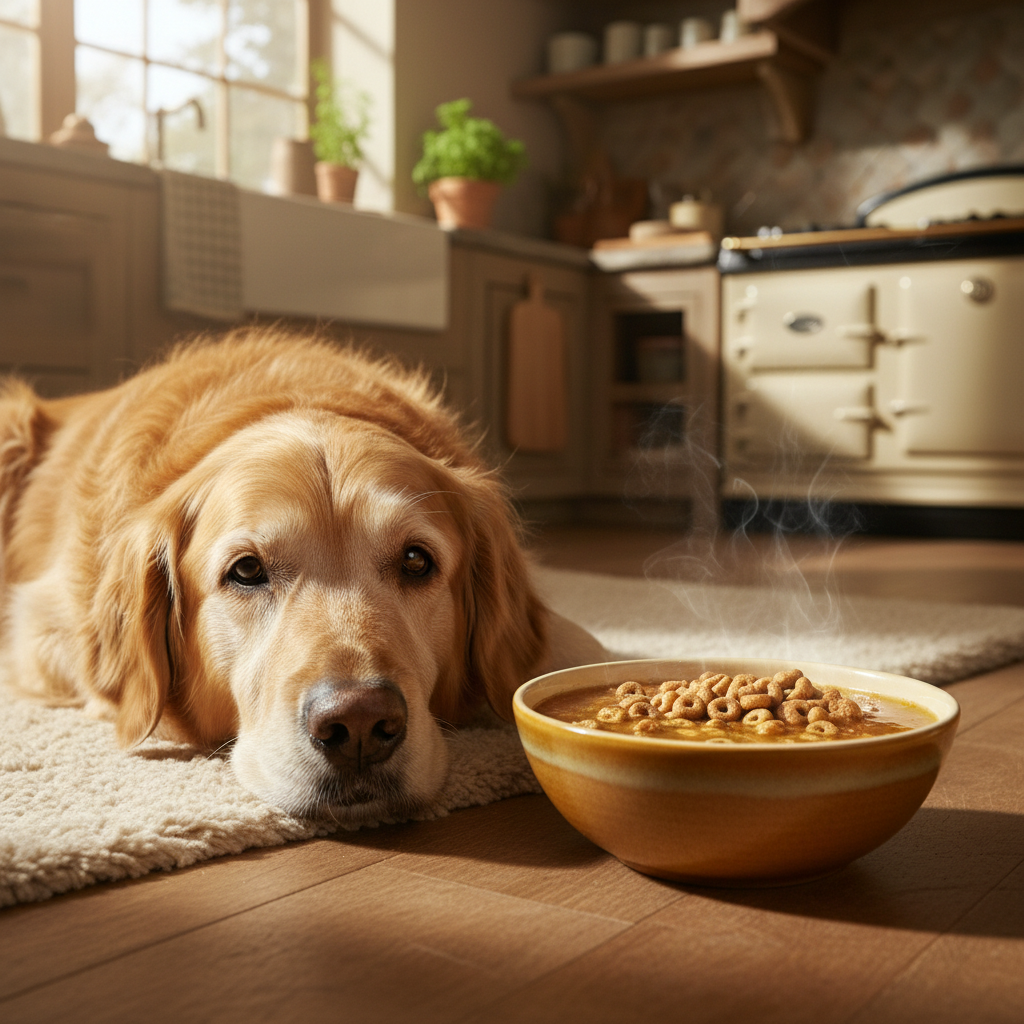
You place a bowl of dry dinner on the floor, and your gray-muzzled companion walks over slowly. Instead of eating eagerly, they sniff the bowl, take one bite, drop several hard biscuits back onto the tile, and walk away with a quiet sigh.
Moments like this leave caring pet owners deeply concerned. You may wonder whether standard kibble is still safe and comfortable for your aging companion, or whether their nutritional needs have outgrown standard dry food.
Dry biscuits remain the most accessible pet diet in modern homes. Yet senior canines face unique physical hurdles, from dental decay to slowing organ function, that change how dry food performs in their bodies.
Quick Answer:
Kibble dog food remains safe for senior dogs if formulated with highly digestible animal proteins, controlled phosphorus, and joint protectants. However, dental disease, reduced saliva, and declining kidney filtration make rock-hard dry biscuits painful to chew and dehydrating to digest. Soften kibble with warm water or bone broth to restore moisture and protect aging organs.
Key Takeaways:
- Dental Vulnerability: Over 80% of senior dogs suffer from periodontal disease, making rock-hard dry biscuits painful to crack and chew.
- Hydration Deficit: Dry kibble contains only 10% moisture, forcing aging kidneys to draw water from body reserves during digestion.
- Sarcopenia Defense: Healthy senior dogs need 26% to 30% quality protein to maintain lean muscle mass without excessive phosphorus.
- The Broth Solution: Soaking kibble in 100-degree warm water or pet-safe bone broth boosts moisture to 50% and releases savory aromas.
Why Hard Kibble Becomes Difficult for Senior Dogs
Puppies and young adult dogs have strong jaws and dense teeth designed to crush crunchy biscuits with ease. As dogs enter their senior years, biological wear and tear alters their ability to process hard food comfortably.
The primary barrier is periodontal disease. By age eight, most dogs experience receding gums, loose teeth, or micro-fractures along their premolars. Chewing hard kibble sends sharp pain through inflamed jaw nerves.
Older canines also produce less saliva. Saliva lubricates food particles, coats the throat, and starts enzymatic digestion. When saliva declines, dry kibble dust sticks to dry throats, triggering gagging, coughing, or sudden hesitation at the bowl.
Aging senses play a major role as well. Dogs rely on scent to stimulate their salivary glands and digestive enzymes. Standard extruded kibble seals aromas inside hard fat coatings, which dulling senior noses struggle to detect.
Arthritis in the neck and jaw joints adds another layer of discomfort. Bending down to a low bowl and grinding hard biscuits strains stiff cervical vertebrae, prompting older dogs to quit eating before finishing their portion.
Subclinical Dehydration and the Burden on Aging Kidneys
One of the least recognized risks of dry biscuits in older dogs is chronic low-level dehydration. Dry kibble contains only 8% to 10% moisture, compared to 75% moisture found in fresh meat or canned food.
When an older dog eats a cup of dry kibble, their gastrointestinal tract must pull fluid out of vascular tissues to break down the starch and proteins. Young dogs compensate by drinking copious amounts of water immediately after eating.
Senior dogs frequently lose their natural thirst reflex. Their brains do not signal thirst as quickly, leading to chronic mild dehydration that strains nephrons inside the kidneys.
Over months and years, this constant fluid deficit can accelerate renal decline. Ensuring adequate moisture at mealtime protects renal blood flow and prevents waste toxins from concentrating in the bloodstream.
The Senior Kibble Nutritional Checklist
Not all dry foods are created equal. When shopping for senior dry recipes, pet owners must evaluate ingredient labels against aging metabolic needs rather than relying on marketing claims.
According to Tufts veterinary clinical nutrition research, senior dogs have distinct nutrient requirements that differ significantly from growing puppies or working adults. Meeting those needs requires a careful balance of key nutrients.
1. High-Quality, Bioavailable Animal Protein (26% to 30%)
Past generations of dog food lowered protein drastically for senior dogs under the mistaken theory that protein damaged kidneys. Modern veterinary science has proven this concept wrong for healthy older dogs.
Aging canines actually need higher concentrations of bioavailable protein to combat sarcopenia, which is age-related muscle loss. Look for named animal meats like deboned chicken, turkey, salmon, or lamb as the first ingredients.
If your older friend has lost noticeable body mass along their spine or hips, check our guide on why an old dog is getting skinny to address common nutritional and medical causes.
2. Controlled Phosphorus Levels (0.4% to 0.7%)
While protein maintains muscle, phosphorus requires diligent monitoring. Aging canine kidneys lose nephrons over time, reducing their ability to filter excess phosphorus from the bloodstream.
High blood phosphorus accelerates kidney decline and causes lethargy and nausea. Quality senior kibble sources protein from pure lean muscle meats rather than cheap bone meal, keeping phosphorus levels safe and gentle.
3. Moderate Dietary Fat (10% to 14%)
Senior dogs burn fewer daily calories as their physical activity slows down. Excessive dietary fat leads to rapid weight gain, putting extreme stress on arthritic hips, stifles, and spines.
High-fat meals also increase the risk of acute pancreatitis, a painful inflammation of the pancreas that strikes older dogs with alarming frequency. Keeping fat levels moderate protects digestive health and maintains a healthy waistline.
4. Joint-Targeted Nutrients (EPA, DHA, Glucosamine)
Cartilage in canine joints gradually wears thin over years of walking, running, and playing. Premium senior dry food supplements recipes with therapeutic joint compounds.
Marine-derived omega-3 fatty acids like EPA and DHA reduce systemic joint inflammation far better than plant-based flaxseed oil. Combined with glucosamine and chondroitin, these ingredients help keep creaky joints moving smoothly.
The Merck Veterinary Manual nutritional guidelines emphasize that balanced fatty acid ratios provide crucial cellular protection against chronic canine inflammatory diseases.
Extrusion Cooking and Biscuit Texture
Most commercial dry foods are produced through high-heat, high-pressure extrusion. Ingredients are blended into a slurry, pushed through a die plate at temperatures exceeding 250 degrees Fahrenheit, and puffed into dense nuggets.
This intense cooking process makes starches digestible and kills potential pathogens. However, extreme heat also reduces natural aromas, oxidizes delicate fats, and forms rigid, glassy biscuit structures that require high bite pressure.
Gently baked or air-dried kibbles provide a softer, crumbly alternative. Baked biscuits cook slowly at lower temperatures, preserving natural flavor notes and breaking apart easily with minimal chewing effort.
If your budget permits, look for gently baked dry foods or cold-pressed recipes that yield when pressed between your thumb and forefinger.
Comparing Senior Feeding Options: Kibble vs. Alternatives
Every commercial feeding format carries distinct advantages and drawbacks for aging dogs. Comparing these options helps you choose the best feeding strategy for your household budget and your dog’s health.
| Diet Format | Moisture Level | Chewing Comfort | Best Suited For |
|---|---|---|---|
| Standard Senior Kibble | 8% to 10% | Firm, requires healthy teeth | Active seniors with healthy gums, budget-conscious households |
| Gently Baked / Air-Dried | 12% to 14% | Crumbly, softer bite density | Moderate dental sensitivity, dogs needing higher nutrient retention |
| Rehydrated Kibble | 50% to 60% | Soft sponge, easy to swallow | Dogs with missing teeth, kidney support, picky eaters |
| Commercial Canned Wet | 75% to 82% | Ultra-soft pate or shreds | Severe dental pain, chronic kidney disease, geriatric recovery |
For pet parents interested in minimally processed diets, exploring human grade dog food for senior dogs offers whole food ingredients cooked at gentle temperatures.
The Warm Water and Broth Soak Protocol
You do not need to discard your dog’s favorite dry food if they start struggling to chew. Rehydrating standard kibble transforms hard biscuits into a soft, aromatic stew within minutes.
According to official AAFCO nutritional standards, complete commercial foods provide all necessary vitamins and minerals in the dry recipe. Adding clean warm moisture enhances safety without diluting nutrition.
Step-by-Step Rehydration Instructions
Follow this simple veterinary-approved routine at every meal to protect your senior dog’s teeth and digestion:
- Measure the Portion: Place your dog’s exact recommended kibble portion into a clean ceramic or stainless steel bowl.
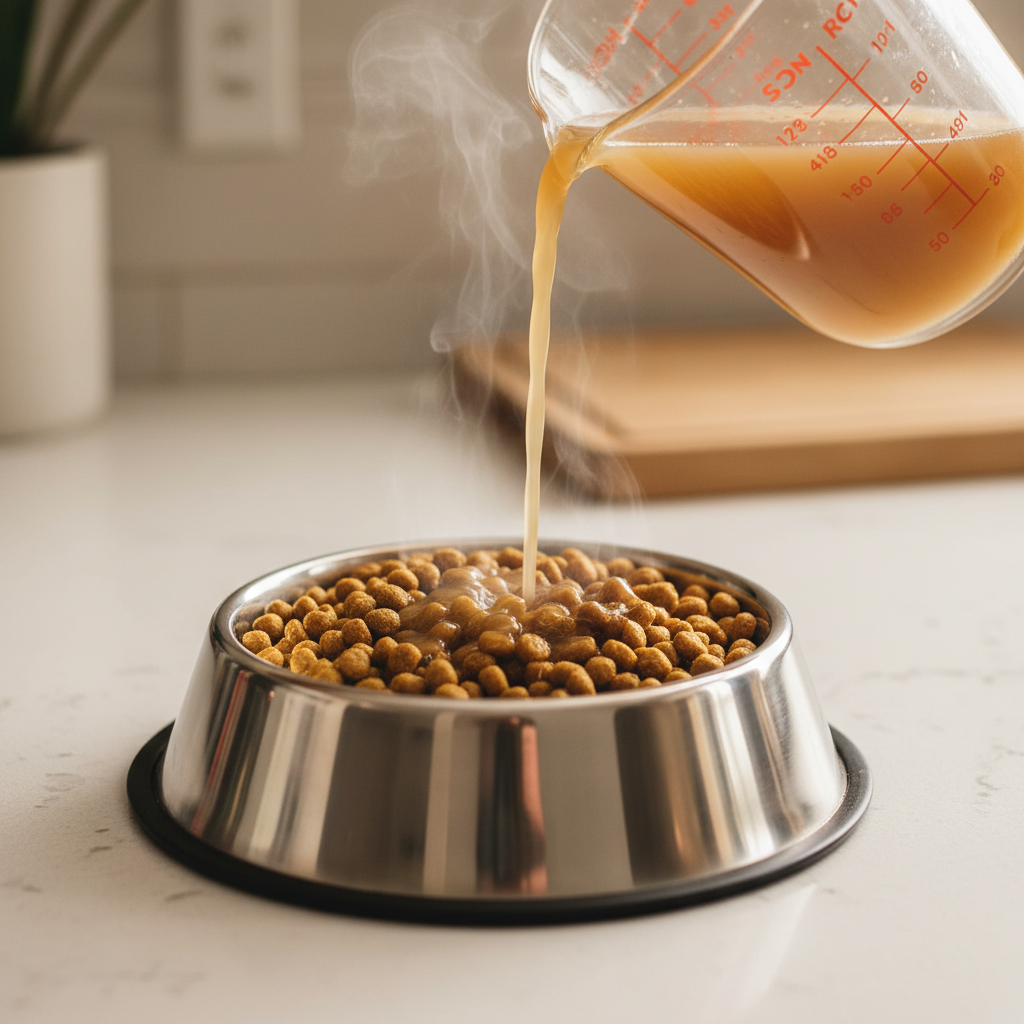
- Heat Liquid to 100 Degrees Fahrenheit: Warm clean filtered water or pet-safe bone broth until it feels pleasantly warm to your inner wrist, similar to baby formula. Never use boiling water, which destroys heat-sensitive vitamins and probiotics.
- Pour in a 1-to-1 Ratio: Pour roughly one-half to one cup of warm liquid per cup of dry kibble. The liquid should cover the biscuits halfway up the bowl.
- Cover and Rest for 10 Minutes: Cover the bowl with a small plate. Trapping the steam allows the dry starch matrix to absorb moisture all the way to the center of each biscuit.
- Mash Lightly with a Fork: Press the biscuits with a fork. They should collapse easily into a soft, tender porridge that your dog can lap up without crunching.
Adding a specialized mixer can also revive a flagging appetite. Check out our recommendations on the best dog food topper for senior dogs to discover tasty broth and puree options.
When to Transition Away from Hard Dry Food
While soaking kibble solves chewing problems for many dogs, certain clinical conditions require moving away from dry food entirely. Staying vigilant allows you to identify medical red flags before they cause dangerous weight loss.
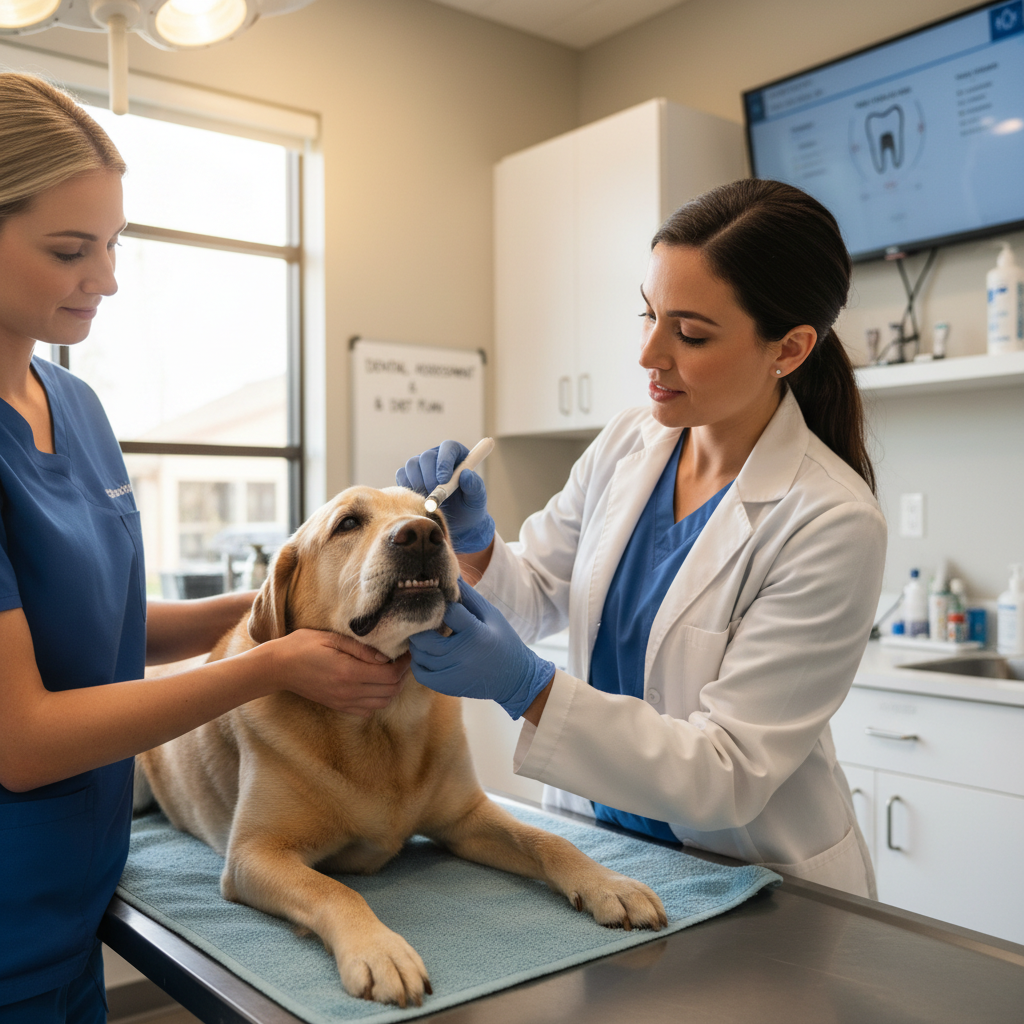
Watch for signs of oral distress during meals. If your dog tilts their head sideways while chewing, drops food pieces repeatedly, or leaves pink-tinged saliva in the water bowl, schedule an immediate oral exam.
Severe periodontitis, tooth root abscesses, and oral tumors cause immense suffering that no amount of food soaking can fix. In these situations, your veterinarian will recommend full dental extraction followed by a permanent switch to wet or pureed food.
Advanced kidney disease also necessitates specialized medical diets. Prescription renal diets contain strictly restricted phosphorus and specific electrolyte ratios that standard commercial dry recipes cannot provide.
Transitioning to a Senior Kibble Safely
Aging canine digestive tracts are delicate. Abrupt food changes trigger stomach cramps, vomiting, and foul-smelling diarrhea because gut bacteria need time to adapt to new protein and fiber sources.
Plan a gradual transition over 10 to 14 days whenever introducing a new senior kibble recipe:
- Days 1 to 3: 75% current food mixed with 25% new senior kibble.
- Days 4 to 7: 50% current food mixed with 50% new senior kibble.
- Days 8 to 10: 25% current food mixed with 75% new senior kibble.
- Days 11 and Beyond: 100% new senior kibble.
Dividing daily food into two or three smaller meals also aids digestion. Smaller portions prevent stomach distension and stabilize blood sugar throughout the day.
Frequently Asked Questions
Can senior dogs stay on adult kibble food?
Senior dogs with excellent muscle tone, clean teeth, and healthy kidneys can stay on adult food if approved by a vet. However, dedicated senior formulas provide higher protein quality with lower calories and joint supplements designed for aging bodies.
How long can rehydrated kibble sit out safely?
Rehydrated kibble behaves like canned wet food once exposed to moisture and warmth. Discard any uneaten rehydrated food after thirty minutes to prevent harmful bacterial growth on the soft biscuits.
Why does my senior dog refuse to eat dry kibble suddenly?
Sudden food refusal is almost always a medical warning sign rather than stubbornness. Common causes include fractured teeth, painful gum infections, nausea from kidney decline, or loss of smell due to nasal issues.
Does dry kibble keep older dogs’ teeth clean?
Standard dry kibble provides minimal dental benefit because biscuits shatter instantly on contact with canine teeth. True dental cleaning requires mechanical brushing, veterinary dental cleanings, or specific dental-certified diets.
Should I add coconut oil or olive oil to senior kibble?
Avoid pouring heavy cooking oils over senior dry food. High-fat additions can easily trigger acute pancreatitis in older dogs and dilute the precise nutrient balance established by the food manufacturer.
What kibble shape is easiest for older dogs to eat?
Flat discs or small doughnut-shaped kibbles are much easier for senior dogs to grasp with their tongue and front incisors. Large, dense spherical kibbles roll around the mouth, making them difficult for dogs with missing premolars to manage.
Making Mealtime Comfortable and Dignified
Feeding your older dog is more than just delivering calories; it is an act of love and reassurance. When you pay attention to the texture, temperature, and nutritional makeup of their meals, you give them the physical comfort they deserve.
Simple physical accommodations make a wonderful difference alongside food adjustments. Place feeding bowls on a raised feeder stand so your companion does not have to crane their neck or strain arthritic elbows.
Place non-slip rubber mats beneath their feeding station so their paws remain stable on smooth kitchen tiles. With thoughtful nutrition and gentle mealtime support, your faithful friend can enjoy many happy, well-nourished golden years by your side.
Authority and Research Reference Map
Internal Clinical Guides:
- Why an Old Dog Is Getting Skinny: Sarcopenia, metabolic decline, and muscle maintenance in senior canines.
- Human Grade Dog Food for Senior Dogs: Whole food gentle cooking protocols for older dogs with sensitive stomachs.
- Best Dog Food Topper for Senior Dogs: Safe broths, purees, and mealtime palatability enhancers.
External Veterinary Citations:
- Tufts Clinical Nutrition Service: Peer-reviewed evidence on macronutrient shifts and protein requirements in aging canines.
- Merck Veterinary Manual: Core canine nutritional guidelines, fatty acid ratios, and mineral restrictions.
- AAFCO Pet Food Guidelines: Nutrient profiles, life stage labeling standards, and moisture definitions.