
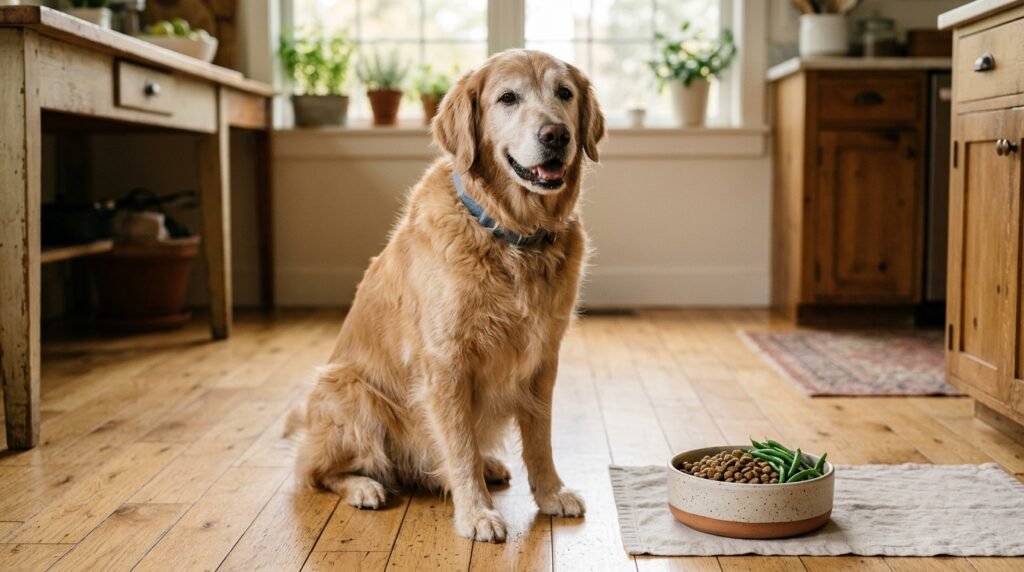
Watching your gray-muzzled companion struggle to stand up from their bed breaks your heart. When an older dog packs on even two or three extra pounds, their aging joints bear an enormous mechanical strain. Their daily strolls turn sluggish, their breathing quickens on mild stairs, and their playful spirit dims. Many caring owners try simply cutting back standard kibble portions, only to be met with relentless begging, scavenged trash, and a sad, hollow look in their dog’s eyes.
Starving an older dog does not work, and it can actively harm their health. Cutting back regular adult food reduces vital protein, vitamins, and minerals that their aging organs depend on every single day. Choosing a dedicated weight management dog food solves this exact dilemma. These specialized formulas lower caloric density while keeping protein high, allowing your senior dog to eat a satisfying, full bowl of food while gently shedding dangerous fat.
Quick Answer:
An effective weight management dog food for senior dogs cuts caloric density down to 300 to 350 calories per cup while keeping crude protein at 25% to 32% to prevent age-related muscle wasting. Look for recipes enriched with 6% to 10% fiber for stomach fullness, alongside L-carnitine, omega-3 fatty acids, and glucosamine to support joint comfort and metabolic health.
Key Takeaways:
- Preserve Lean Muscle: Seniors require higher protein percentages during weight loss to prevent muscle atrophy (sarcopenia).
- Calorie Dilution Over Starvation: Fiber blends like beet pulp, pumpkin, and pea fiber provide physical satiety without excess calories.
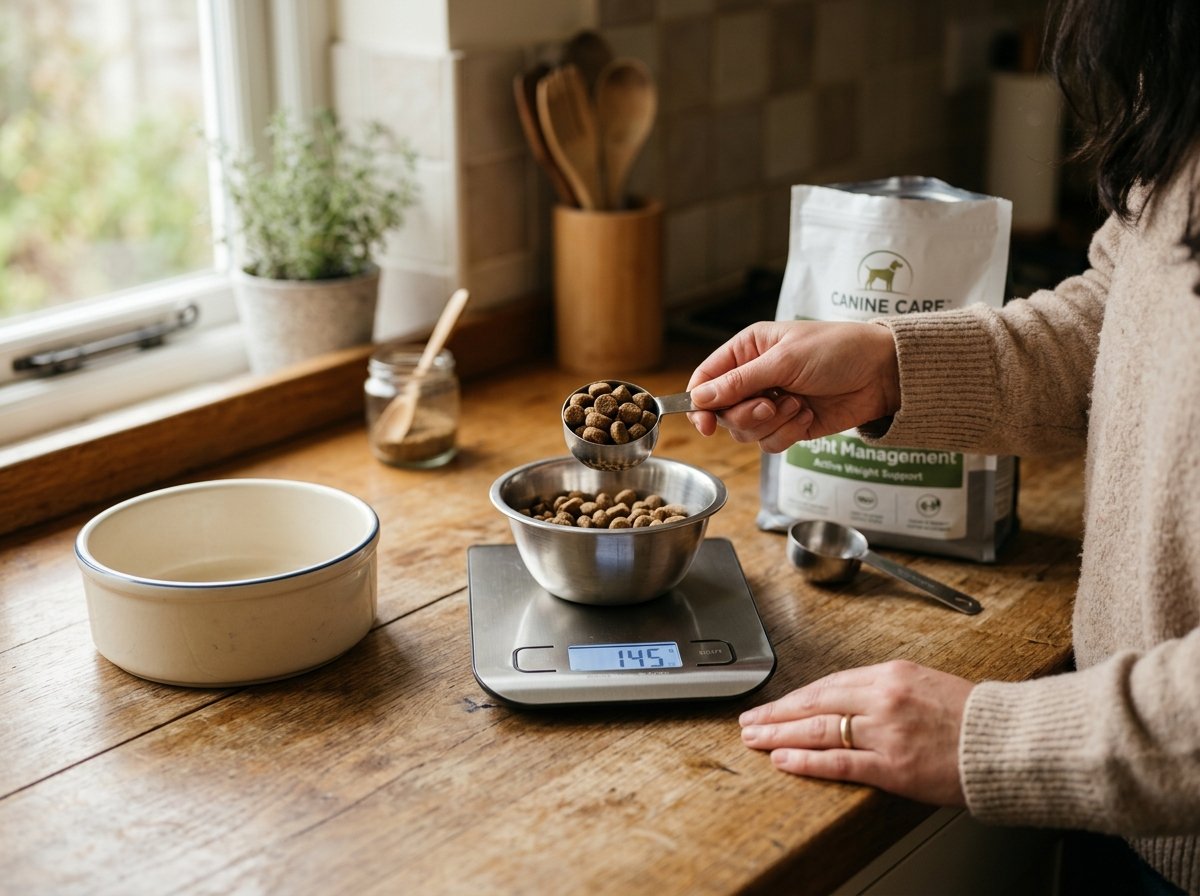
- Accurate Gram Weighing: Measuring portions with a digital kitchen scale prevents the 20% to 30% calorie overages common with plastic measuring cups.
- Safe Loss Rate: Target a steady loss of 1% to 2% of total body weight per week under veterinarian supervision.
Why Senior Dogs Gain Weight So Easily
Weight gain in older dogs rarely happens because an owner stopped caring. It happens because a dog’s internal biological engine slows down quietly with age. Between the ages of seven and ten, a canine’s basal metabolic rate drops by roughly fifteen to twenty percent. They burn fewer calories simply resting on the rug than they did in their energetic youth.
At the exact same time their metabolism cools, subtle joint stiffness from osteoarthritis sets in. A dog who once dashed across dog parks now chooses to lie down earlier during walks. Less physical movement means fewer calories burned each hour. If you continue feeding the exact same scoop size of regular food, those unused calories convert directly into adipose fat tissue.
Spaying and neutering in earlier years also permanently lowers baseline energy requirements. When combined with natural hormonal shifts in geriatric pets, maintaining a trim waistline becomes a steep uphill climb. Recognizing these physiological shifts helps remove any owner guilt. Your dog is not lazy, and you have not failed them. Their nutritional needs have simply shifted into a new chapter.
The Hidden Danger of Cutting Regular Food Portions
When owners realize their older dog has gained weight, the most common reflex is to reduce their standard kibble by a third or half. While this reduces daily calories, it creates a severe nutritional trap. Commercial dog foods are balanced assuming an animal eats a full daily ration calculated for their size.
When you cut standard rations drastically, you simultaneously slash their daily intake of essential amino acids, zinc, iron, B vitamins, and trace minerals. An older dog’s body responds to protein starvation by breaking down its own skeletal muscle tissue for fuel. This progressive muscle wasting, known clinically as sarcopenia, accelerates weakness in their hips and spine.
Drastic portion cutting also leaves your dog with a hollow, grumbling stomach. Canine stomachs require physical volume and gentle wall stretching to trigger satiety hormones like leptin. A dog fed tiny amounts of calorie-dense adult kibble feels chronically hungry, leading to begging, irritability, and stress. Switching to a formulated weight management dog food preserves plate volume while trimming empty calories safely.
Key Nutritional Pillars of Senior Weight Management Dog Food
Not all light or diet pet foods are built with an older dog in mind. Young overweight adult dogs can handle low-protein, high-carbohydrate fillers, but your senior dog cannot. A truly therapeutic senior weight management formula relies on four essential nutritional pillars.
1. High Protein to Sparing Ratio (25% to 32%)
Protein is the most critical macronutrient on the label when helping an older dog trim down. Senior bodies absorb and process dietary protein less efficiently than young adults. High-quality animal proteins like deboned turkey, chicken, salmon, and egg provide the branched-chain amino acids needed to maintain biceps, quads, and back muscles while body fat burns away.
2. Low Caloric Density (300 to 350 kcal/cup)
Standard adult maintenance kibbles often pack 380 to 460 calories per cup. Specialized weight management kibbles bring this density down to 300 to 340 calories per cup. This significant reduction allows you to serve a visually generous portion that satisfies your dog without overloading their daily energy budget.
3. Strategic Satiety Fibers (6% to 10% Crude Fiber)
Dietary fiber serves as nature’s safe calorie diluent. A balanced blend of soluble and insoluble fiber absorbs moisture in the digestive tract, slowing stomach emptying and creating gentle fullness. High-quality ingredients like miscanthus grass, beet pulp, pumpkin, and tomato pomace keep your dog content between meals while promoting firm, consistent stools.
4. Targeted Joint and Metabolic Additives
Every extra pound on a senior frame aggravates cartilage wear. Premium weight management foods incorporate therapeutic levels of glucosamine, chondroitin sulfate, and marine-derived omega-3 fatty acids (EPA and DHA) to ease inflammatory joint stiffness. Many also feature L-carnitine, a water-soluble amino acid derivative that helps mitochondria transport fatty acids directly into cells for clean energy production.
Comparing Senior Diet Formulations
Walking down the pet food aisle can feel confusing with dozens of competing bags on the shelf. Learning how different dietary classes compare helps you select the right formula for your dog’s specific health profile.
| Diet Category | Protein | Fat | Crude Fiber | Calories / Cup | Best Senior Candidate |
|---|---|---|---|---|---|
| Standard Senior Food | 22% – 26% | 10% – 14% | 3% – 5% | 350 – 390 | Lean older dogs maintaining current healthy weight. |
| Over-the-Counter Weight Management | 26% – 30% | 8% – 11% | 6% – 10% | 300 – 340 | Mildly overweight dogs needing 5% to 15% weight reduction. |
| Prescription Metabolic / Satiety Diet | 28% – 34% | 6% – 9% | 10% – 16% | 240 – 290 | Severely obese dogs (BCS 8-9) or dogs with metabolic resistance. |
For in-depth guidance on identifying if your dog’s current physique presents medical risks, explore our detailed guide on senior dog weight problems to evaluate their body condition score accurately.
Evaluating Your Senior Dog’s Body Condition Score (BCS)
The bathroom scale tells only a fraction of the story. A muscular Labrador weighing seventy pounds might be perfectly lean, while a loss-of-muscle senior Labrador of the same weight could carry substantial belly fat. Veterinarians rely on the Body Condition Score (BCS) system, graded on a one-to-nine scale where four or five represents optimal lean fitness.
To check your dog at home, place both flat hands over their ribcage. In a lean, healthy dog, you should easily feel each rib beneath a thin layer of skin, much like the knuckles on the back of your hand when your palm is flat. If you have to press firmly to detect the ribs, excess fat is insulating the chest wall.
Next, look down at your dog from above. You should observe a clear, inward hourglass waistline just behind the rib cage before the hips widen. Finally, view your dog from the side at eye level. Their belly should tuck upward toward the pelvis rather than hanging straight across or sagging downward like a hammock.
Step-by-Step Transition Guide to Weight Management Food
Senior digestive systems do not adapt well to sudden dietary changes. The beneficial microbiome residing in your dog’s colon requires time to adjust to higher fiber concentrations and novel protein sources. Rushing the switch often triggers loose stools or gas.
- Days 1 to 3: Mix 75% of their original food with 25% of the new weight management dog food.
- Days 4 to 6: Serve an equal 50% split of original and new formulas.
- Days 7 to 9: Shift to 25% original food and 75% weight management food.
- Day 10 onward: Transition to 100% weight management food.
If your dog shows mild loose stool during any stage, hold at that ratio for an extra two days until their digestion stabilizes. Adding a tablespoon of plain canned pumpkin can soothe their gut lining during the shift.
Portion Control: Why You Must Ditch the Plastic Scoop
One of the quietest culprits in pet obesity is the traditional plastic measuring cup. Multiple veterinary nutritional trials have demonstrated that owners using volume scoops consistently overfeed their dogs by twenty to thirty-five percent. Kibble settling, rounded tops, and varied kibble shapes introduce enormous daily calorie swings.
Purchasing a simple digital kitchen scale transforms weight loss success. Turn the bag of weight management food around, find the feeding table, and look for the daily allowance listed in grams. Set your dog’s bowl on the scale, press tare to zero out the weight, and pour the exact gram amount. Calculating exact energy needs is straightforward when following our practical walkthrough on how much to feed your senior dog.
Divide the daily weighed ration into two or three smaller meals across the day. Multiple smaller feedings regulate blood sugar spikes, reduce stomach rumbling, and give your older dog something to look forward to without adding a single extra calorie to their daily tally.
Low-Calorie Fillers and Healthy Senior Snacks
You do not have to eliminate treat time entirely while your dog is on a diet. Treats provide critical moments of bonding and positive reinforcement. The key is swapping out fatty biscuits and jerky strips for crunchy, nutrient-dense fresh vegetables.
- Steamed Green Beans: Packed with moisture and fiber, green beans add delicious bulk to the dinner bowl with almost zero calories.
- Baby Carrots: Crunchy carrots help scrape plaque from aging teeth while providing beta-carotene and satisfying oral chewing instincts.
- Crisp Cucumber Slices: Cucumbers are ninety-six percent water, making them a cooling, hydrating treat on warm afternoons.
- Air-Popped Plain Popcorn: A fun, low-calorie reward for trick training that contains no butter, oils, or added salt.
Ensure that all treats, healthy vegetables included, make up no more than ten percent of your dog’s total daily caloric allowance. The remaining ninety percent must come from their complete and balanced weight management dog food to keep their vitamin ratios intact.
Safe Exercise and Mobility Support for Overweight Seniors
Exercise burns calories, but heavy exercise on an overweight, arthritic frame can cause joint sprains and setback injuries. Never force an overweight senior dog to jog, leap for frisbees, or hike steep rocky trails. Low-impact, gentle movement is the golden rule.
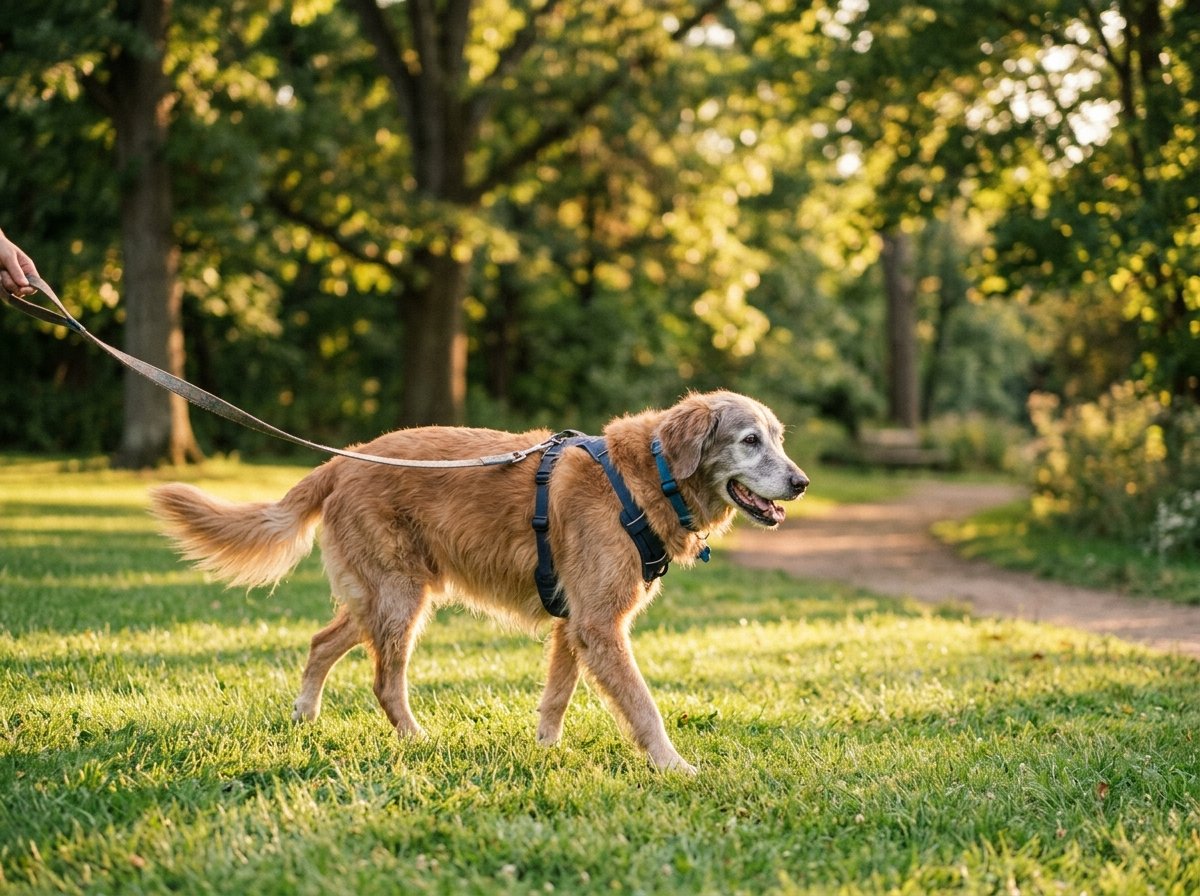
Break physical activity into two or three short, flat ten-minute strolls instead of one long exhausting thirty-minute walk. Allow your dog to sniff grass and tree trunks freely. Sniffing provides intense cognitive stimulation that lowers heart rates and burns mental energy without straining tired hocks.
Hydrotherapy in a heated canine pool or underwater treadmill offers an extraordinary option for heavy senior dogs. Water buoyancy supports up to sixty percent of your dog’s body weight, allowing them to build hip and thigh muscles in a virtually weightless, pain-free environment. On days when mobility dips, explore our detailed guide to high calorie dog food options to contrast how underweight versus overweight seniors require diametrically opposed nutritional therapies.
Medical Reasons Older Dogs Struggle to Lose Weight
Sometimes you can measure every gram of food with clinical precision and still see zero weight loss on the scale. In senior canines, hidden endocrine disorders can stubbornly lock metabolic fat storage in place.
Hypothyroidism is particularly prevalent in older dogs, especially Golden Retrievers, Labs, and Cocker Spaniels. The thyroid gland produces insufficient thyroid hormones, grinding baseline metabolism to a crawl while causing lethargy, symmetrical hair loss, and cold sensitivity. A routine blood panel checks free T4 levels to determine if daily levothyroxine medication is needed.
Hyperadrenocorticism, commonly known as Cushing’s disease, causes the adrenal glands to overproduce cortisol. Affected dogs develop a distinctive pot-bellied appearance, thinning skin, insatiable thirst, and excessive urination. In other cases, abdominal fluid accumulation from congestive heart failure can mimic rapid fat gain. Never assume stubborn weight is purely dietary without a thorough veterinarian physical exam.
Authoritative clinical guidelines from the AVMA senior pet care guidelines emphasize scheduling full annual blood screenings every six months for geriatric pets. When assessing specific food packaging claims, consulting the Tufts Clinical Nutrition Service recommendations helps owners interpret guaranteed analysis panels accurately, while clinical protocols outlined in the Merck Veterinary Manual obesity management chapter provide veterinarians with proven caloric deficit algorithms.
Frequently Asked Questions
How long does it take for a senior dog to lose weight on management food?
Safe weight loss in older dogs is a gradual, steady process. Aim for a loss rate of one to two percent of total body weight per week. A sixty-pound dog should safely shed approximately half a pound to one pound weekly, meaning a noticeable transformation typically takes eight to twelve weeks.
Can I just feed my senior dog smaller portions of regular food?
Cutting standard food portions drastically reduces essential protein, trace minerals, and vitamins that your aging dog’s organs require. It also triggers persistent hunger and muscle wasting. Dedicated weight management food reduces calories while keeping vital nutrient levels fully balanced.
Will high fiber dog food cause my senior dog to have accidents in the house?
Quality weight management dog food increases stool volume slightly due to insoluble fiber, but it should not cause uncontrollable diarrhea or house soiling. A slow ten-day transition allows your dog’s gut flora to adapt smoothly without gastrointestinal distress.
Is grain-free weight management food better for an older dog?
Grain-free diets are rarely necessary unless your veterinarian has confirmed a specific allergy to grains like barley or rice. In fact, many grain-free light foods replace grains with calorie-dense legumes or potatoes, which can raise total starch levels without improving satiety.
What if my senior dog refuses to eat dry weight management kibble?
Aging dogs often experience diminishing senses of taste and smell. You can enhance the aroma and texture of weight management kibble by warming it with warm water or sodium-free bone broth. You can also mix in a spoonful of matching canned weight-management wet food.
A Healthier, Lighter Tomorrow for Your Best Friend
Seeing your faithful old dog regain their pep is one of the greatest joys in pet ownership. By selecting a high-protein, calorie-smart weight management dog food, you are not depriving them of comfort. You are lifting an invisible, heavy burden from their aching joints and weary heart.
Be patient with the process, weigh meals accurately on your kitchen scale, and celebrate small victories like an extra wag at the door or a lighter step on the grass. Book a routine weigh-in with your veterinary care team to monitor their progress, and enjoy watching your senior companion thrive in comfort for years to come.