


Waking up in the middle of the night to the repetitive, rhythmic sound of your older dog frantically licking their front paws, scratching their armpits until the skin is raw, or violently shaking their head from itchy ears is deeply distressing. You look down at your loyal senior companion, whose belly is red and inflamed, and you feel a profound sense of helplessness watching them suffer from relentless itching.
You wonder why your dog has suddenly developed such intense skin problems after eating the same commercial kibble for years and you worry whether their immune system is failing, whether a food allergy is silently tormenting them from the inside out, and which therapeutic diet can finally bring lasting relief to their irritated skin.
Your concern is completely justified. While food allergies can strike dogs at any age, senior dogs face unique biological hurdles: aging intestinal linings become more permeable, allowing undigested protein molecules to leak into the bloodstream and trigger severe allergic reactions. Choosing the best dog food for skin allergies calms chronic inflammation, repairs the protective skin barrier, and restores peaceful, comfortable sleep to your golden companion.
Quick Answer:
The best dog food for skin allergies in senior dogs is a veterinary-prescribed hydrolyzed protein diet (such as Royal Canin HP, Hill’s z/d, or Purina Pro Plan HA) or a strict novel protein formula (like venison, kangaroo, or pollock). Hydrolyzed diets break proteins down into microscopic peptides that bypass the immune system entirely, while high concentrations of marine Omega-3 fatty acids (EPA/DHA) actively reduce dermal inflammation and restore the epidermal moisture barrier.
Key Takeaways:
- The Culprit Proteins: Over 70% of canine food allergies are triggered by common animal proteins (beef, chicken, dairy, and eggs), not grains.
- Hydrolyzed vs. Novel Protein: Hydrolyzed protein is enzymatically cleaved below the molecular threshold of allergic detection; novel proteins rely on animal sources your dog has never eaten before.
- The 8-Week Strict Elimination Trial: A true dietary trial requires 8 to 10 weeks of 100% strict compliance, meaning zero flavored treats, table scraps, or chewable medications.
- Omega-3 Synergy: Therapeutic levels of EPA and DHA from cold-water fish oil strengthen cell membranes and halt inflammatory itch cascades.
For comprehensive guidance on environmental triggers and Cytopoint injections, explore our detailed companion guide on dog skin allergies in senior dogs.
This comprehensive guide explains how food allergies develop in senior dogs, the difference between food sensitivities and environmental atopy, top vet-recommended hypoallergenic formulas, and how to conduct a successful home diet trial.
Why Senior Dogs Develop Sudden Food Allergies
Many pet owners are surprised when an elderly dog suddenly develops allergies to a food they have eaten for a decade. Canine dermatologists recognize three primary biological triggers in aging pets:
1. “Leaky Gut” and Age-Related Gut Permeability
As dogs enter their double-digit years, the mucosal lining of the small intestine naturally thins and produces fewer digestive enzymes. Intact, large dietary protein chains that would normally be broken down into individual amino acids slip through tiny gaps in the gut wall directly into the bloodstream.
The immune system identifies these foreign protein structures as dangerous invaders, generating Immunoglobulin E (IgE) antibodies that bind to mast cells in the skin, releasing histamine each time your dog eats.
2. Immune Senescence (Aging Immune Disregulation)
Just like human immune systems, aging canine immunity experiences immune senescence. The body becomes less capable of maintaining oral immune tolerance, transforming previously harmless proteins like chicken or beef into active allergens.
3. Cumulative Allergen Exposure
Allergies require repeated, chronic exposure to develop. A dog cannot be allergic to a protein the first time they encounter it. Years of consuming the same single protein source creates a hyper-sensitized immune memory that eventually triggers clinical flare-ups.
| Allergy Type | Primary Symptoms | Seasonality |
|---|---|---|
| Cutaneous Food Allergy | Itchy paws, chronic ear yeast infections, red rear end (“ears and rears”), soft stool | Year-round consistency; zero change between summer and winter |
| Environmental Atopy | Itchy face, watery eyes, sneezing, belly scratching, clear nasal discharge | Seasonal peaks (spring pollen, autumn ragweed, summer grasses) |
| Flea Allergy Dermatitis | Severe crusting, hair loss, and hot spots concentrated along lower back and tail base | Warmer months, or year-round in temperate heated homes |
If your older companion is also experiencing eye discharge or redness alongside skin itching, explore our clinical guide on dog eye infection in senior dogs.
Hydrolyzed Protein vs. Novel Protein: Which is Best?
When selecting hypoallergenic food for an older dog, veterinarians rely on two proven dietary architectures:
1. Hydrolyzed Protein Diets (The Clinical Gold Standard)
Hydrolysis is an advanced enzymatic process that cleaves intact protein chains into microscopic peptides and free amino acids with a molecular weight under 10,000 Daltons (often less than 3,000 Daltons).
Because the protein fragments are so tiny, the mast cells on your dog’s immune radar cannot recognize or bind to them. This makes hydrolyzed diets virtually non-allergenic, even if the base ingredient was originally chicken or soy. They are exceptionally gentle on older digestive tracts.
2. Novel Protein Diets (Limited Ingredient)
Novel protein diets use a single, uncommon animal protein source that your dog’s immune system has never encountered in its lifetime. Examples include wild venison, kangaroo, duck, rabbit, or deep-sea pollock paired with a single carbohydrate like sweet potato.
If your older dog has eaten chicken, beef, turkey, and lamb throughout their life, switching to kangaroo or venison prevents immune activation because no antibodies exist against that specific meat.
For older dogs with sensitive stomachs and low appetite, review our guide on limited ingredient dog food for senior dogs.

Top 4 Vet-Recommended Dog Foods for Skin Allergies
These clinical and commercial diets have undergone rigorous testing for senior dogs with severe dermatological sensitivities:
1. Royal Canin Veterinary Diet Hydrolyzed Protein (HP)
- Protein Source: Hydrolyzed soy protein isolate (exceptionally low molecular weight)
- Why Seniors Thrive: Highly digestible, supports renal filtration with controlled phosphorus levels, and contains prebiotics and Omega-3s (EPA/DHA) to nourish fragile aging skin.
- Form: Available in dry kibble and soft canned wet loaf.
2. Hill’s Prescription Diet z/d Skin/Food Sensitivities
- Protein Source: Hydrolyzed chicken liver (cleaved below 3,000 Daltons)
- Why Seniors Thrive: Features Hill’s proprietary ActivBiome+ ingredient technology to nourish gut bacteria, along with therapeutic natural antioxidants (Vitamin E) that combat cellular oxidative stress in older dogs.
3. Purina Pro Plan Veterinary Diets HA Hydrolyzed
- Protein Source: Hydrolyzed vegetarian protein with low allergenicity
- Why Seniors Thrive: Single carbohydrate source (purified corn starch) with almost zero intact protein. Remarkable palatability for older dogs who have become finicky about eating.
4. Natural Balance Limited Ingredient Diet (LID) Reserve Sweet Potato & Venison
- Protein Source: Real pasture-raised venison (Novel animal protein)
- Why Seniors Thrive: Excellent non-prescription commercial option for budget-conscious owners. Grain-inclusive or grain-free variants with zero chicken, beef, wheat, or corn.
According to clinical dermatologists on PetMD’s guide on hydrolyzed protein dog foods, prescription diets ensure zero cross-contamination from manufacturing equipment, which frequently plagues over-the-counter foods.
Key Nutrients That Heal Senior Canine Skin
Beyond removing the offending allergen, the best dog food for skin allergies actively fortifies dermal healing with these essential nutrients:
- Therapeutic Marine Omega-3s (EPA & DHA): Cold-water fish oils directly decrease the production of inflammatory prostaglandins and leukotrienes. Aim for at least 1,000 mg combined EPA/DHA per 30 pounds of body weight.
- Zinc and Biotin: Trace minerals essential for epidermal cell renewal, collagen synthesis, and reducing excessive shedding.
- Linoleic Acid (Omega-6): Nourishes the protective lipid matrix between skin cells, preventing water loss that leads to dry, flaky senior dander.
- Easily Digestible Carbohydrates: Gentle starches like sweet potato or tapioca provide steady energy without irritating sensitive senior stomachs. For weight management, explore our guide on low fat dog food for senior dogs.
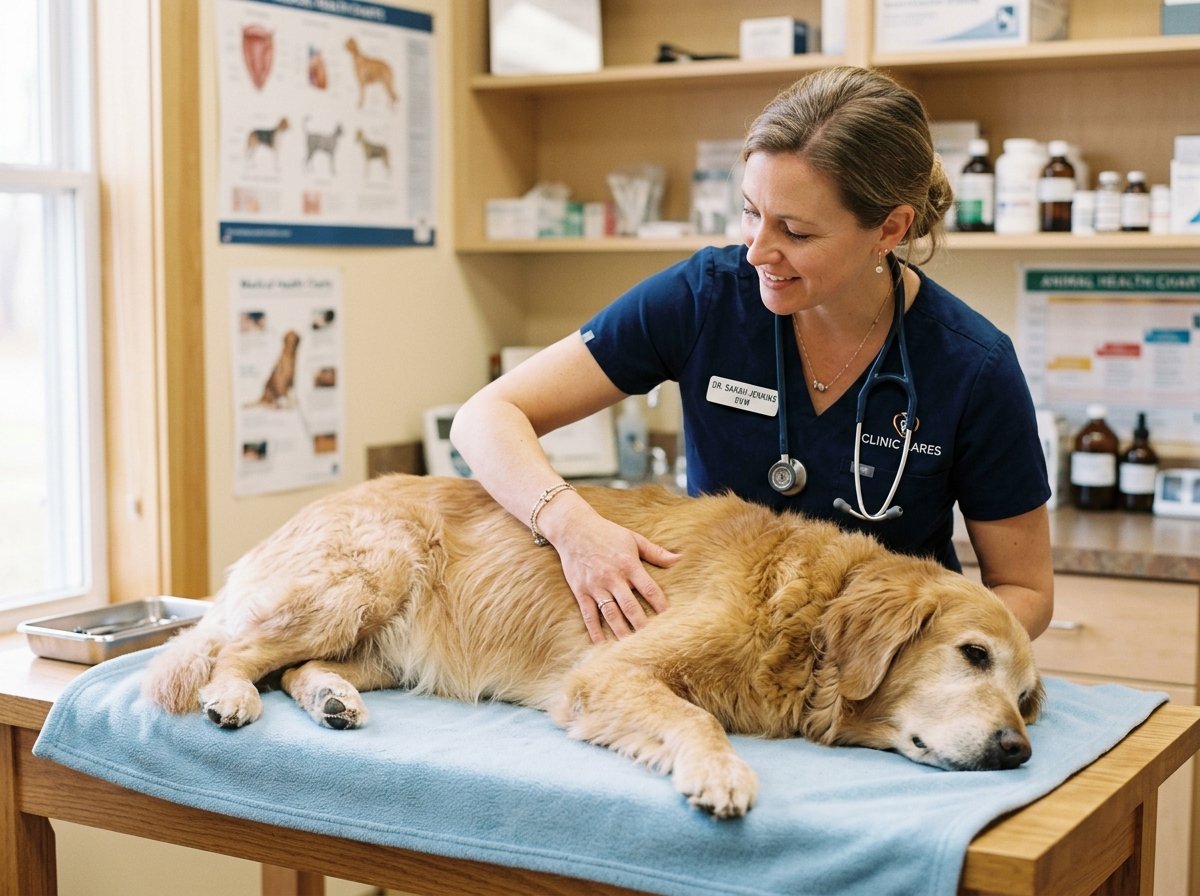
The 8-Week Elimination Diet Trial Protocol
Diagnosing a food allergy requires a methodical, strict elimination diet trial. Blood tests and saliva kits for canine food allergies have high false-positive rates and are not scientifically reliable.
1: Obtain a Prescription Hydrolyzed Diet
Partner with your veterinarian to select a prescription hydrolyzed or strict novel protein diet formulated for your dog’s specific health profile.
2: Maintain 100% Strict Compliance for 8 to 10 Weeks
This is the most critical rule of allergy management: your senior dog must consume only the trial food and fresh water. A single flavored treat, piece of fallen table cheese, or rawhide chew can trigger a mast cell cascade that resets the 8-week clock.
3: Switch Flavored Medications to Plain Pills
Chewable heartworm, flea, and arthritis pills are commonly flavored with real beef, pork, or chicken liver. Consult your veterinarian to swap chewables for unflavored tablets or topical preventative spot-ons during the trial.
4: Assess Clinical Itch Reduction
Skin cells take roughly 21 to 28 days to regenerate. Noticeable reduction in paw licking and redness typically occurs by week 4, with full resolution of ear infections and hot spots by week 8 to 10.
What Not to Do When Treating Skin Allergies
Avoid these common pitfalls to protect your senior dog:
- Never Switch Between Random Grocery Brands Every Week: Jumping from chicken to salmon to beef kibble within days creates severe gastrointestinal inflammation, diarrhea, and makes future novel protein selection much harder.
- Never Rely on Over-the-Counter “Grain-Free” as a Cure: Most food-allergic dogs are reacting to meat proteins (chicken or beef), not grains. Many commercial grain-free foods still contain chicken fat or meat by-products.
- Never Ignore Ear Infections: Chronic head shaking and foul ear odor are classic food allergy symptoms. Ear yeast infections require topical veterinary drops alongside diet changes to prevent eardrum damage.
Frequently Asked Questions
How long does it take for dog food for skin allergies to work?
Most senior dogs show visible reductions in scratching and redness within 4 to 6 weeks on a strict hypoallergenic diet, with maximum skin barrier recovery achieved by week 8 to 10.
Can a senior dog suddenly become allergic to chicken?
Yes. Chicken and beef are the two most common food allergens in dogs. Long-term cumulative exposure over many years frequently triggers immune sensitivity in senior dogs.
Is hydrolyzed dog food safe for senior dogs with kidney disease?
Yes. Many veterinary hydrolyzed diets (such as Royal Canin HP) feature controlled phosphorus and highly digestible proteins that are exceptionally gentle on aging kidneys.
Why is my old dog still itching on hypoallergenic food?
If strict dietary compliance does not eliminate itching after 8 weeks, your dog likely suffers from environmental allergies (atopy to dust mites, molds, or pollen) rather than food allergies, requiring veterinary allergy medications like Cytopoint or Apoquel.
Can I give salmon oil to my senior dog with skin allergies?
Yes, pure, high-potency marine fish oil (EPA and DHA) provides natural cellular anti-inflammatory benefits that soothe itchy skin and support arthritic joints at the same time.

Restoring Comfort, Softness, and Peaceful Sleep
Watching your loyal companion finally stop their exhausting scratching and settle into a deep, peaceful sleep is one of the most rewarding milestones in senior dog care. By identifying dietary triggers, choosing clean hypoallergenic nutrition, and nourishing the skin barrier from within, you give your faithful friend the comfortable, happy retirement they deserve.
Always collaborate with your veterinarian to formulate a tailored elimination trial and monitor organ values. Review official resources from the American Veterinary Medical Association senior care FAQ to keep your companion vibrant, healthy, and thriving.