

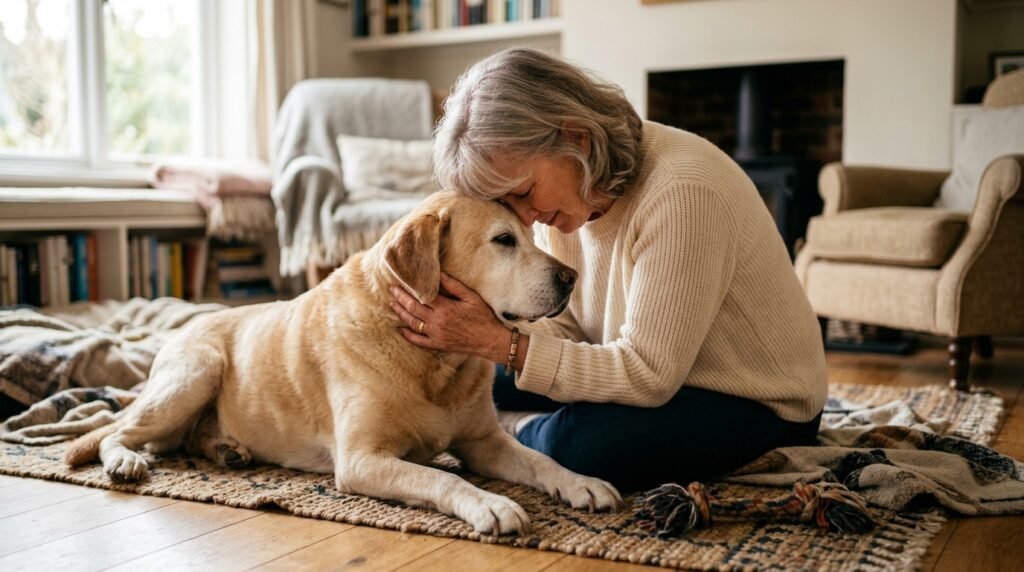
Sitting on the floor beside your aging companion while wrestling with end-of-life choices brings profound heartache. You have shared years of wagging tails, morning greetings, and loyal companionship. Now you face the agonizing question of when to put down a senior dog without causing unnecessary suffering.
Every devoted dog owner fears making this irreversible choice too early or waiting too late. You search your dog clouded eyes for clear answers, wondering if today was painful or simply slow. Loving owners often carry deep guilt simply for thinking about euthanasia, even when their companion body is visibly failing.
Choosing humane euthanasia is not giving up on your companion. It is the final, selfless gift of mercy you offer to protect them from unmanageable physical distress. Having structured, objective tools helps replace overwhelming panic with calm clarity during these quiet final weeks.
Quick Answer:
Knowing when to put down a senior dog centers on evaluating daily quality of life rather than waiting for critical organ collapse. Veterinarians recommend tracking good days versus bad days, using clinical tools like the HHHHHMM scale, and assessing if your companion can still eat, move without severe pain, and enjoy social connection.
Key Takeaways:
- Quality of Life Metric: Track daily comfort using objective tools like the calendar method and HHHHHMM scale.
- The Rule of Three: Identify your dog three favorite activities; when two disappear, suffering often outweighs joy.
- Clinical Procedure: Humane euthanasia involves a gentle calming sedative followed by a painless anesthetic overdose.
- Compassionate Timing: Letting go a week too early is far kinder than waiting a single day too late in severe distress.
The Reality of Natural Death vs Peaceful Release
Many pet owners hope their senior companion will simply drift off peacefully in their sleep on a sunny afternoon. While this gentle passing occurs occasionally, natural death in older dogs is frequently prolonged and distressing. Organ failure, respiratory congestion, and internal bleeding often create intense physical anxiety without medical intervention.
Wild animals hide vulnerability until the very end, and domestic canines retain that ancestral instinct. Your faithful companion will try to wag their tail and stand to greet you despite throbbing joint agony or nausea. Waiting for natural death often means asking your dog to endure severe physical distress before their heart finally stops.
Humane euthanasia steps in where nature turns harsh. Veterinary medicine allows us to grant our companions a painless, peaceful transition surrounded by familiar voices and gentle hands. Recognizing this option as protective care changes how you view the days ahead.
Three Practical Frameworks to Measure Quality of Life
Emotional exhaustion makes it difficult to judge your dog health objectively from hour to hour. On a bright morning when your companion eats their breakfast eagerly, you feel foolish for considering end-of-life care. By evening, as they struggle to stand or pace restlessly, grief and panic return with force.
Using structured assessment frameworks eliminates guesswork and protects you from emotional whiplash. These three veterinary-recommended approaches give you clear data to discuss with your veterinary clinic.
1. The Good Days vs Bad Days Calendar Method
Hang a simple paper calendar in your kitchen where you can see it every evening. Mark each day with a simple visual symbol before going to bed. Use a green checkmark for a good day, an orange circle for a neutral day, and a black dot for a bad day.
A good day means your dog moved comfortably, ate their meals, engaged with family members, and showed interest in life. Conversely, a bad day features visible pain, refusal to eat, bathroom accidents while lying down, or continuous lethargy. Review the calendar at the end of each week to spot clear trends.
When bad days begin outnumbering good days for two consecutive weeks, your companion quality of life has slipped into negative territory. This visual record prevents your memory from clinging only to brief good moments while overlooking daily hardship.

2. The Rule of Three Favorite Things
Every dog possesses unique quirks and joys that define their individual personality. Think back to what brought your companion the greatest happiness during their prime years. Write down their three favorite daily activities on a piece of paper.
These might include chasing a tennis ball, greeting you at the front door, barking at mail delivery, or devouring dental chews. As dogs age, physical limitations require adapting these joys, but the underlying enthusiasm usually remains recognizable. When your dog loses interest in two of their three favorite joys, their world has shrunk dramatically.
A dog that no longer lifts their head when you enter the room, ignores their favorite treats, and shows indifference to outdoor scents is communicating fatigue. Life is no longer offering them enough joy to balance their physical struggles.
3. The Villalobos HHHHHMM Quality of Life Scale
Pioneered by veterinary oncologist Alice Villalobos, the HHHHHMM scale evaluates seven distinct factors of canine well-being. Each factor receives a score from zero to ten, with ten representing peak health and zero representing severe decline. A total score above 35 generally indicates acceptable quality of life, while lower scores signal urgent decline.
The letters stand for Hurt, Hunger, Hydration, Hygiene, Happiness, Mobility, and More Good Days Than Bad. Working through each category helps you pinpoint exactly which areas of your companion life are failing. Exploring our detailed senior dog quality of life checklist offers a complete scoring worksheet for home use.
Scoring your dog’s quality of life alongside another family member can give you a more balanced picture. The Lap of Love quality of life guidance walks through how to judge when it is time. Comparing independent scores often reveals shared truths that one person might unconsciously overlook.
Evaluating Key Quality of Life Factors
Examining each functional area of your companion life helps determine if current medical support remains adequate. The reference table below details how to assess daily dignity, physical comfort, and emotional connection.
| Life Factor | Acceptable Quality Signs | Concerning Decline Signs | Critical Red Flag |
|---|---|---|---|
| Hurt / Pain | Comfortable while resting; pain meds provide visible ease | Panting while lying down; vocalizing; reluctance to shift | Intractable agony unresponsive to maximum medications |
| Hunger & Diet | Eats normal meals or accepts hand-fed warm toppers | Picky eating; leaves meals; requires coaxing for broth | Complete food refusal lasting more than 48 hours |
| Hydration | Drinks water voluntarily; gums remain moist and pink | Sticky gums; requires syringe water support or fluids | Severe dehydration with sunken eyes and dry membranes |
| Hygiene & Dignity | Alerts owner for bathroom needs; stays clean and dry | Frequent urine leaks; requires diapers; pressure sores | Soiling bed without awareness; skin breakdown infections |
| Mobility | Rises with slight assistance; walks on rug runners | Legs splay outward; falls frequently; cannot climb porch | Complete paralysis; unable to stand or turn over |
| Happiness | Wags tail softly; seeks contact; tracks family movements | Dull expression; sleeping all day; hides in quiet rooms | Complete emotional detachment; stares blankly at walls |
When multiple areas slide into concerning decline simultaneously, palliative adjustments can buy comfort for days or weeks. Recognizing terminal changes outlined in our guide to signs a senior dog is dying confirms when disease processes are reaching their final chapter.
Palliative Care: When Comfort Replaces Cure
There is a distinct phase in every senior dog life where aggressive diagnostics and curative surgeries no longer serve their best interests. Transitioning to dedicated hospice care for senior dogs means shifting goals toward pain prevention, dignified hygiene, and quiet peace.
During hospice, you collaborate with your veterinarian to maximize analgesia without worrying about long-term organ toxicity. If higher medication dosages cause slight drowsiness, that peace is far preferable to living in constant ache. Palliative care gives both you and your companion precious, calm closure.
However, hospice care must never become an excuse to postpone a necessary passing once suffering takes hold. Knowing when palliative medicine has reached its limit protects your dog from experiencing acute medical emergencies.
What Actually Happens During Veterinary Euthanasia
Fear of the unknown often intensifies pet owners distress when planning an appointment. Imagining clinical procedures can feel cold and frightening until you understand the gentle reality. Modern companion animal euthanasia is one of the most peaceful medical procedures available.
Clinical standards outlined by the American Veterinary Medical Association companion animal euthanasia guidelines ensure maximum comfort and dignity. You can choose to have the procedure performed in your living room through a mobile hospice vet or in a quiet comfort room at your veterinary clinic.
Step 1: The Calming Sedative
The veterinarian begins by giving your dog a gentle sedative injection under the skin or into a muscle. This initial injection feels no different than a routine annual vaccine. Within five to ten minutes, all anxiety, nausea, and physical ache melt away completely.
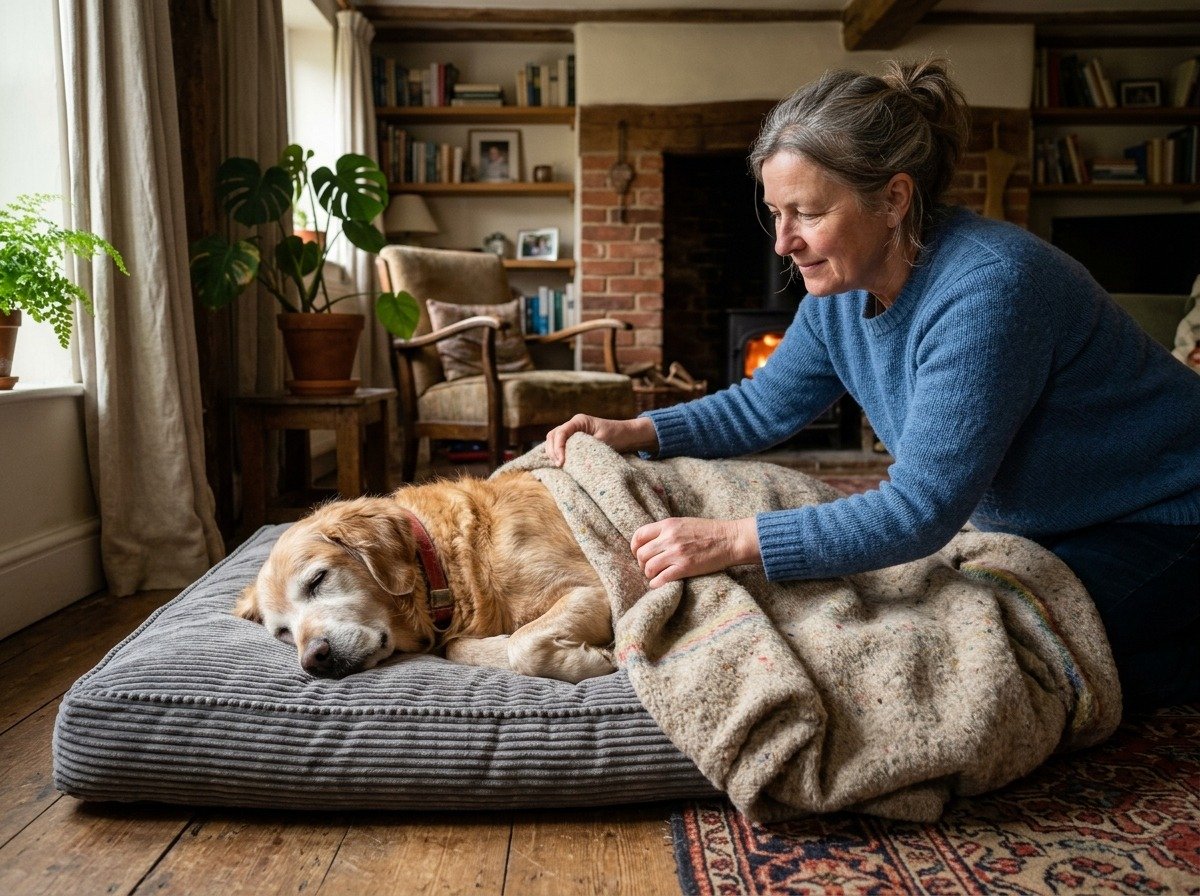
Your companion drifts into a deep, peaceful sleep, much like they would on their favorite rug at home. Their breathing slows into a gentle rhythm, and their muscles relax fully. You can hold their head, stroke their ears, and whisper loving words as they rest comfortably.
Step 2: The Final Anesthetic Injection
Once your dog is in a deep surgical plane of sleep, the veterinarian administers the final medication through an intravenous catheter. This solution is a concentrated dose of pentobarbital, an anesthetic agent. Because your dog is already deeply unconscious, they feel zero pain, burning, or discomfort.
The solution travels through the bloodstream and gently stops brain activity within seconds. Within thirty to sixty seconds, the respiratory center relaxes and the heart slows to a quiet stop. Your veterinarian then listens with a stethoscope to confirm your companion has passed peacefully.
Normal Reflexes You Might Observe
Knowing what physiological reflexes can occur prevents sudden panic during this intimate moment. As brain function ceases, your companion may take a deep reflex sigh or experience minor muscle twitches. These movements are purely automatic nerve discharges, not signs of distress or conscious awareness.
Your companion eyes may remain slightly open, as eyelids relax completely upon death. Their bladder or bowels may also release urine or stool as sphincter muscles lose tone. Veterinary staff handle these occurrences with gentle discretion and clean blankets.
Aftercare Arrangements and Supporting Your Household
Making practical aftercare decisions in advance spares you painful decisions while grieving. You can select private cremation where your companion ashes return in a wooden urn, or communal cremation where ashes are scattered in a garden memorial. Many clinics also offer clay paw print impressions and locks of fur as keepsake memories.
If you have other companion animals in your home, allow them to view and smell your dog body after passing. Dogs and cats understand scent cues of death far better than human explanations. Observing the still body helps prevent surviving pets from searching windows and doors for their missing friend, aiding in supporting a grieving surviving dog.
Give yourself permission to grieve without reservation. Losing a companion who walked beside you through life major milestones is a profound loss. Connecting with pet loss support groups or veterinary grief counselors offers solace during difficult weeks.
Frequently Asked Questions
Is it better to put a dog down a day early or a day late?
Veterinary hospice specialists agree that letting a dog go a week too early is far kinder than waiting a single day too late. Releasing your companion while they still enjoy quiet dignity prevents traumatic emergency hospital visits in acute pain.
How do I know if my dog is ready to let go?
Dogs often signal readiness through profound behavioral shifts. Complete disinterest in food, inability to stand, constant panting, and vacant eye contact indicate fatigue. When their body can no longer support comfortable living, they look to you for relief.
Can euthanasia be done at home?
Yes, mobile veterinary hospice services operate in most metropolitan and suburban areas. Having a veterinarian visit your living room allows your companion to pass on their familiar bed surrounded by family, avoiding clinical travel stress.
Will my dog feel any pain during euthanasia?
No, the procedure is designed to be completely pain-free. A preliminary sedative eliminates all pain and induces deep sleep before the final anesthetic is given. Your dog feels only warmth and tranquility as they fall asleep.
What should I do if my family disagrees on the timing?
Family members often process grief at different speeds, creating emotional tension. Completing the HHHHHMM quality of life scale independently and discussing your scores with your veterinarian can reduce emotional debate and ground decisions in objective comfort.
Honoring Your Companion’s Final Days With Grace
Deciding when to put down your faithful senior dog is the heaviest responsibility of pet parenthood. It requires setting aside your natural desire for more time in order to protect your companion from persistent distress. Love is measured not just by how we care for our companions in youth, but by how courageously we guide them through their final moments.
Trust your instincts, rely on objective quality of life metrics, and consult openly with your veterinary care team. When the time arrives to grant that final mercy, know that you are fulfilling your sacred promise to love and protect them until the very end.