
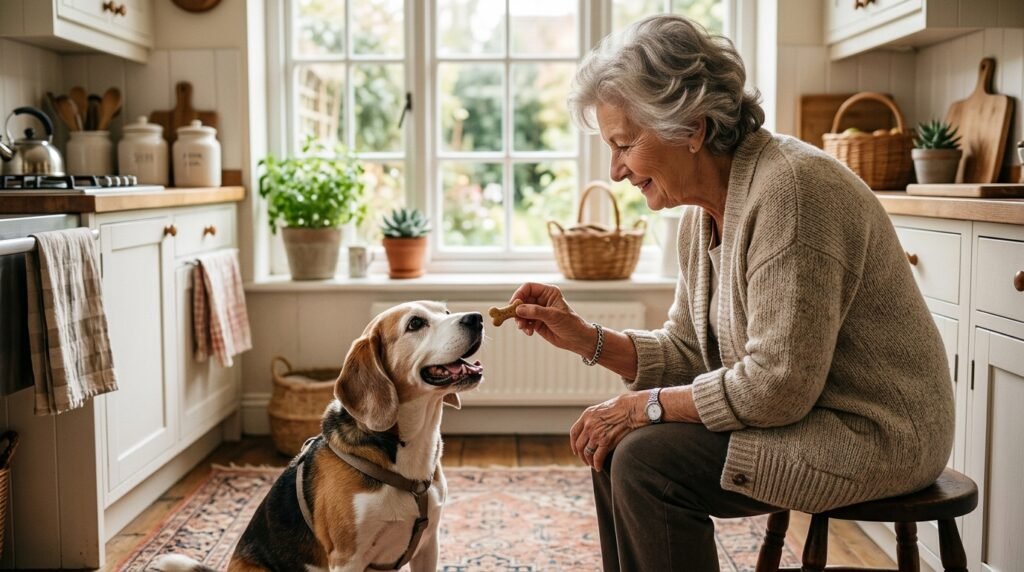
Few daily moments capture the warmth of the human-canine bond quite like handing your senior dog a favorite treat. The gentle graying muzzle reaches forward, their soft brown eyes soften with anticipation, and their tail gives a slow, deliberate thump against the floor. For ten, twelve, or fourteen years, that simple transaction has been your shared language of affection, reinforcement, and comfort.
Yet as dogs enter their twilight years, the treats that fueled their energetic youth often become silent hazards. Standard crunchy bone biscuits can crack brittle, aging teeth. Calorie-dense bully sticks and pig ears can overwhelm slowing metabolisms, adding stubborn pounds that punish arthritic hips. Salty table snacks place unneeded filtration strain on aging kidneys and hearts. Many loving owners wonder if rewarding an older companion requires risking their physical comfort.
Choosing the best senior dog treats does not mean depriving your loyal friend of life’s little pleasures. Instead, it involves aligning texture, caloric density, and functional nutraceuticals with their changing anatomy. By selecting soft, easy-to-chew morsels loaded with joint-supporting compounds and keeping calories within safe veterinary limits, you can continue sharing joyful reward rituals every single day.
Quick Answer:
The best senior dog treats prioritize soft, yieldable textures that protect compromised teeth, low caloric density (under 10 calories per treat), and functional ingredients that support joint and cognitive health. Older dogs frequently suffer from periodontal disease and brittle enamel, making hard bones, hooves, and dense biscuits dangerous. High-value options include soft-baked training drops, single-ingredient freeze-dried meats that soften with saliva, and fresh vegetables like green beans and blueberries. Treats must strictly follow the 10 percent daily calorie rule to prevent obesity, which accelerates osteoarthritis. Look for functional rewards fortified with glucosamine, chondroitin, green-lipped mussel, and omega-3 fatty acids to turn daily treat time into therapeutic wellness support.
Key Takeaways:
- The Kneecap Softness Rule: If you cannot make an indentation in a chew with your thumbnail, it is too hard for senior canine teeth and risks painful carnassial slab fractures.
- The 10 Percent Calorie Limit: Treats should never exceed ten percent of your senior dog’s total daily caloric allowance to avoid hidden weight gain and nutrient dilution.
- Functional Mobility Ingredients: Selecting treats enriched with glucosamine, chondroitin, and marine omega-3s delivers joint lubrication alongside emotional reward.
- Freeze-Dried Meat Versatility: Pure freeze-dried beef liver, salmon, or chicken can be crumbled over food or moistened with warm water for dogs with missing teeth.
- Hydrating Fresh Fruits and Veggies: Crunchy green beans, raw baby carrots, and fresh blueberries offer satisfying texture and antioxidant power with virtually zero calories.
The Anatomy of Aging: Why Adult Treats Become Dangerous
To choose the safest rewards for your companion, you must examine how canine oral anatomy, digestive physiology, and metabolic rates shift in senior life. Products engineered for vigorous young adults can cause severe physical harm when introduced to geriatric dogs.
1. Periodontal Vulnerability and Slab Fractures
Veterinary dental surveys reveal that over eighty percent of dogs over age eight suffer from some degree of active periodontal disease. Over a lifetime of chewing, subgingival tartar causes gum recession, alveolar bone loss, and microscopic enamel micro-fractures. In many seniors, tooth roots become partially exposed, creating chronic nerve sensitivity.
When an older dog with compromised bone density bites down forcefully on a rock-hard biscuit, an antler, or a baked marrow bone, the tooth does not bend; it breaks. The most common catastrophic injury is a slab fracture of the maxillary fourth premolar (the large upper carnassial chewing tooth). A slab fracture shears off the outer enamel wall, exposing the sensitive pulp chamber to oral bacteria and requiring emergency surgical extraction under general anesthesia. Reviewing clinical research from the Cornell University College of Veterinary Medicine periodontal disease clinical studies confirms that gentle mechanical textures prevent severe oral trauma in geriatric pets.
2. The Choking and Obstruction Danger
Senior dogs frequently experience slower pharyngeal swallowing reflexes and reduced salivary lubrication. Additionally, cognitive changes can cause older dogs to gulp food frantically without chewing. Dense rawhide chews, compressed pig ears, and dehydrated bully sticks can soften slightly on the exterior while remaining hard in the center. When a senior attempts to swallow a partially softened chunk, it can become lodged in the esophagus or trigger an intestinal foreign body obstruction, requiring invasive emergency endoscopic retrieval.
3. Caloric Density and Sarcopenic Obesity
Because senior dogs burn twenty to thirty percent fewer daily calories than young adults, treat calories matter immensely. A single standard large dog biscuit contains between 100 and 140 calories. For a twenty-pound senior dog whose total daily caloric requirement is around 450 calories, giving just two biscuits accounts for over half of their entire daily food budget. To maintain healthy body condition, pair low-calorie rewards with our guidelines in low calorie senior dog food weight loss and diet management.
The 10 Percent Caloric Treat Rule
Veterinary nutritionists adhere strictly to the ten percent rule: no more than ten percent of a dog’s total daily caloric intake should come from treats, toppers, or table foods. The remaining ninety percent must come from a complete and nutritionally balanced commercial or veterinary-formulated diet.
The reasoning behind this rule is biological. Complete dog foods are balanced to deliver precise ratios of amino acids, calcium, phosphorus, zinc, and fat-soluble vitamins per calorie consumed. When treats displace more than ten percent of the daily diet, the total nutrient balance is diluted. Over time, high treat intake can lead to mineral imbalances, skeletal calcium loss, and protein malnutrition.
For example, if your 50-pound senior dog requires 900 calories per day to maintain lean body condition, their daily treat budget is exactly 90 calories. If you give high-value training rewards containing 3 calories each, you have thirty separate reward opportunities throughout the day. However, if you offer a single commercial dental chew containing 85 calories, their entire treat quota is spent in forty seconds.
Clinical nutrition insights published by the Tufts University Petfoodology clinical guide on dog treat calories emphasize that counting every bite prevents accidental weight creep that shortens canine lifespans.
The Kneecap Test: Evaluating Treat Texture
Veterinary dentists recommend a simple, practical home test to determine if a commercial treat or chew is safe for an older dog: the Kneecap Test.
Hold the chew firmly in your hand and tap it gently against your kneecap. If it is hard enough that tapping it against your knee would hurt, it is too hard for your dog’s teeth. Another reliable indicator is the thumbnail test: press your thumbnail firmly into the surface of the chew. If the material does not yield or leave a slight indentation, the chew carries an unacceptably high risk of fracturing aging premolars and canines.
Safe textures for seniors include:
- Soft-Baked and Crumbly: Treats made from baked oat flour, pumpkin, or pureed meat that crumble easily under gentle tongue pressure.
- Cold-Pressed Chews: Supple, pliable sticks and nuggets that bend easily in half without snapping.
- Freeze-Dried Meats: Lightweight, porous cubes of pure meat that rehydrate and soften within seconds of contacting canine saliva.
- Moist Jerky Strips: Pliable, thin meat ribbons that tear smoothly into small bite-sized fragments.
Functional Ingredients: Turning Treats into Medicine
One of the greatest advantages of modern pet nutrition is the rise of functional treats. Rather than offering empty carbohydrates, you can choose rewards formulated with targeted nutraceutical compounds that actively support joint flexibility, cognitive alertness, and cellular health.
1. Joint and Cartilage Protectors
For senior dogs managing stiff mornings and creaky joints, functional chews fortified with chondroprotective ingredients provide daily therapeutic support:
- Glucosamine Hydrochloride: A natural building block of glycosaminoglycans, which form the structural cushioning matrix of articular cartilage.
- Chondroitin Sulfate: Inhibits destructive enzymes that degrade joint cartilage while attracting water molecules to keep cartilage resilient and hydrated.
- Green-Lipped Mussel (Perna canaliculus): A marine superfood packed with unique eicosatetraenoic acids (ETA), specialized omega-3 fatty acids that provide potent anti-inflammatory relief for arthritic joints.
- Methylsulfonylmethane (MSM): A bioavailable organic sulfur compound that reduces joint discomfort and supports collagen synthesis. For additional home comfort strategies, consult our resource on senior dog joint stiffness remedies and morning care routines.
2. Cognitive and Antioxidant Boosters
Aging canine brains suffer from cumulative oxidative damage. Treats infused with potent dietary antioxidants help neutralize free radicals and support neuronal vitality:
- Wild Blueberries: Rich in anthocyanins and polyphenols that cross the blood-brain barrier, protecting cognitive pathways and supporting memory retention.
- Turmeric and Curcumin: A powerful botanical antioxidant that cools systemic inflammatory pathways in both brain tissue and joint capsules.
- Vitamins E and C: Synergistic antioxidants that protect cellular membranes from lipid peroxidation.
3. Digestive and Prebiotic Support
Geriatric digestive tracts often experience reduced enzyme secretion and altered gut flora. Treats featuring pureed pumpkin, chicory root inulin, and beet pulp deliver gentle soluble fiber that nourishes beneficial colon bacteria and promotes firm, consistent stools. Learn more about senior digestive adaptations in our guide on old dog nutrition needs and biological aging changes.
Comparison Table: Best Senior Dog Treat Categories
To help you navigate treat aisles and pet bakeries, the table below compares the primary categories of senior-safe treats across hardness, caloric density, and clinical benefits.
| Treat Category | Texture & Hardness | Calorie Density | Dental Suitability | Primary Health Benefit |
|---|---|---|---|---|
| Soft-Baked Training Drops | Tender, pillowy, crumbles easily under finger pressure | Very Low (2 to 4 kcal per piece) | Excellent for dogs with missing, loose, or painful teeth | Frequent rewarding without caloric weight gain or oral pain |
| Freeze-Dried Single Protein | Porous, lightweight; softens rapidly in water or saliva | Low to Moderate (5 to 8 kcal per cube) | Safe dry; can be pre-soaked in warm broth for zero chew effort | Pure bioavailable animal protein; preserves lean muscle mass |
| Functional Mobility Chews | Chewy, malleable paste cold-pressed into nuggets | Moderate (12 to 20 kcal per chew) | Very gentle on gums; easy to swallow | Delivers glucosamine, chondroitin, and green-lipped mussel |
| Fresh Vegetables & Berries | Crisp but yieldable (green beans, carrots, berries) | Virtually Zero (1 to 2 kcal per bite) | Good for intact teeth; steam or puree for sensitive mouths | Hydrating fiber, natural vitamins, and zero sodium or fat |
| VOHC Accepted Dental Chews | Flexible, rubbery matrix that cleans without shattering | Moderate to High (40 to 80 kcal per chew) | Designed for mechanical plaque scraping without fracture risk | Reduces calculus buildup and eases halitosis |
When selecting dental treats, always look for products certified by the Veterinary Oral Health Council accepted products registry, which verifies through clinical trials that a product measurably reduces plaque or tartar without risking fractured teeth.
Treats and Chews to Completely Avoid
Protecting senior dog health means knowing what items to banish from your pantry. The following popular treats pose serious health hazards to aging canines:
- Cooked and Raw Marrow Bones: Dense mammalian bones are harder than canine tooth enamel. Biting down on them frequently causes slab fractures and digestive impactions.
- Antlers and Animal Hooves: Naturally shed deer and elk antlers have zero give. They are a leading cause of broken carnassial teeth seen in emergency veterinary clinics.
- Hard Compressed Rawhide: Highly processed and chemically treated, rawhide does not digest easily. In seniors with slower gastric motility, swallowed rawhide chunks can cause fatal bowel obstructions.
- High-Sodium Deli Meats and Cheeses: Hot dogs, bacon, and processed cheese slices contain excessive sodium that spikes blood pressure and strains fragile kidneys. High fat content can also trigger acute, life-threatening pancreatitis.
- Treats with Toxic Additives: Never offer treats containing xylitol (birch bark sweetener), chocolate, raisins, macadamia nuts, or high levels of garlic and onion powder.
If your senior dog exhibits bad breath alongside chewing hesitation, review our diagnostic overview on dog breath odor causes, dental decay, and veterinary care.
Pill Delivery Treats: Making Daily Medications Easy
Many senior dogs take daily prescription medications for arthritis, heart disease, or thyroid balance. Shoving pills down an older dog’s throat creates daily stress and damages trust. Functional pill-hiding treats make medication time an eagerly awaited treat ritual.
Commercial pill paste pockets are soft, moldable treats with a hollow center. You insert the capsule or tablet and pinch the top closed. The savory aroma masks the medicinal scent completely.
Healthy household pill delivery alternatives include:
- Plain Canned Pumpkin Puree: Coat the pill in a tablespoon of cool pumpkin on a spoon. Most dogs swallow it in a single gulp without chewing.
- Low-Fat Plain Greek Yogurt: A small dollop of plain yogurt provides probiotic cultures and easily slides down the throat. Learn more about safe dairy practices in our guide on is greek yogurt good for senior dogs: safety, benefits, and feeding tips.
- Soft Canned Dog Food Meatballs: Roll a teaspoon of high-palatability canned wet food around the pill. Feed one plain meatball first, the medicated meatball second, and a third plain meatball immediately after so they swallow quickly without inspecting the pill.
Easy Homemade Senior Dog Treat Recipes
Baking treats at home gives you total control over ingredients, allowing you to eliminate excess sodium, chemical preservatives, and artificial binders while adjusting texture to match your dog’s exact chewing ability.
Recipe 1: Soft-Baked Pumpkin and Oat Drops
These gentle drops are exceptionally soft, highly digestible, and naturally low in calories.
- Ingredients: 1 cup pure canned pumpkin puree (not pie filling), 1 large egg, 1.5 cups finely ground oat flour (pulsed rolled oats in a blender), 1 tablespoon melted coconut oil, 1/2 teaspoon ground cinnamon.
- Instructions:
- Preheat your oven to 350 degrees Fahrenheit (175 degrees Celsius) and line a baking sheet with parchment paper.
- Whisk pumpkin puree, egg, and coconut oil together in a bowl until smooth.
- Stir in oat flour and cinnamon until a soft dough forms.
- Drop teaspoon-sized balls onto the parchment paper and gently flatten them with the back of a fork.
- Bake for 16 to 18 minutes until lightly golden on the edges but soft and spongy in the center. Allow to cool completely. Store in an airtight container in the refrigerator for up to one week.
Recipe 2: Frozen Bone Broth and Blueberry Pupsicles
A cooling, hydrating summer treat that provides soothing gum relief for dogs with dental inflammation.
- Ingredients: 2 cups low-sodium or homemade canine bone broth (free of onions and garlic), 1/2 cup fresh organic blueberries.
- Instructions:
- Place one or two blueberries into each cavity of a silicone ice cube mold or mini muffin tin.
- Pour room-temperature bone broth over the berries, filling each cavity.
- Freeze for four hours until solid.
- Pop out a frozen cube on hot afternoons for a soothing, hydrating, zero-fat treat.
Interactive Treat Delivery: Exercising Aging Brains
Treats are not just about nutrition; they are powerful tools for cognitive enrichment. Canine Cognitive Dysfunction and mental slowing can be mitigated through daily mental stimulation.
Instead of tossing treats onto the floor, engage your senior dog’s sense of smell:
- The Snuffle Mat: A dense fleece fabric mat with folds and pockets. Hide small, low-calorie soft training treats deep within the fleece strands. Sniffing and foraging releases dopamine and serotonin, calming anxious dogs without taxing arthritic limbs.
- The Muffin Tin Shell Game: Place a dozen soft treats in the cups of a 12-cup metal muffin tin, then cover each cup with a lightweight tennis ball. Your dog must use their nose or paws to push the balls aside to reveal the prize.
- Gentle Scent Trails: Hide three aromatic treats in plain view around the living room (behind a chair leg, under a blanket corner). Encourage your dog to “find it,” celebrating each discovery with verbal praise.
Frequently Asked Questions About Senior Dog Treats
What are the safest treats for senior dogs with missing teeth?
For dogs with partial or complete tooth loss, the safest options are soft-baked biscuits that crumble under tongue pressure, moist jerky ribbons torn into quarter-inch pieces, and pure freeze-dried meat cubes soaked in warm bone broth for two minutes. Lick mats spread with pureed pumpkin, canned wet dog food, or plain Greek yogurt also provide satisfying reward experiences without requiring any chewing.
How many treats can I give my senior dog per day?
Treats should strictly account for ten percent or less of your dog’s total daily calorie requirement. If your veterinarian recommends a daily intake of 600 calories, your treat allowance is 60 calories. By choosing low-calorie treats containing 2 to 4 calories each, you can offer fifteen to twenty rewarding moments each day while keeping your companion lean and healthy.
Can dog treats cause pancreatitis in older dogs?
Yes. High-fat treats like bacon strips, cheese chunks, sausage scraps, and fatty animal ears can trigger acute pancreatitis. The canine pancreas is sensitive to sudden surges in dietary fat. In senior dogs, an acute bout of pancreatitis can cause severe abdominal pain, persistent vomiting, dehydration, and potential organ failure. Always choose treats with low fat content (under 10% on the label).
Are dental treats safe for senior dogs with heart disease?
Many commercial dental treats contain elevated sodium levels to enhance palatability. For senior dogs with heart murmurs or congestive heart failure, excess dietary sodium forces the heart to pump against stiffened blood vessels. Always read labels to ensure sodium levels are low, and select products approved by the Veterinary Oral Health Council that fit within your dog’s specific cardiovascular restrictions.
Is it okay to give senior dogs human baby food as a treat?
Yes, plain meat-based human baby food (such as pureed chicken, turkey, or beef with broth) makes an exceptional, velvety soft treat for older dogs. It is gentle on sensitive gums and highly palatable for picky eaters. However, you must carefully read the ingredient label to verify it contains zero onion powder, garlic powder, or artificial flavorings, as all members of the allium family are toxic to dogs.