
Dogs over seven years old spend roughly 30% more energy just maintaining basic body functions than they did in their prime. Yet most owners don’t change how they feed their senior dog until something goes wrong. By that point, months of nutritional gaps have already taken a toll.
Getting the best diet for older dogs right isn’t about buying the most expensive bag of kibble. It’s about knowing what your dog’s aging body actually needs — and making smart, consistent choices every day. This guide covers nutrients, feeding schedules, hydration, food types, breed-size differences, and the red flags you should never ignore.
When Is a Dog Considered “Senior”?
Most dogs enter their senior years between ages 7 and 10, but size matters here. Small breeds like Chihuahuas and Dachshunds don’t typically show senior health changes until age 10 or 11. Large breeds like German Shepherds and Labrador Retrievers can start aging metabolically as early as 6 or 7.
The American Veterinary Medical Association’s senior pet care guidelines recommend bi-annual vet visits once your dog reaches senior status. That’s twice a year — not once. Catching nutritional deficiencies early makes a real difference.
You don’t need to wait for health problems to adjust your dog’s diet. Proactive feeding changes are always more effective than reactive ones.
What Senior Dogs Actually Need Nutritionally
Senior dogs don’t have one-size-fits-all nutritional needs. Their requirements shift based on health status, activity level, breed size, and individual metabolism. That said, there are five core nutritional priorities that almost every aging dog benefits from.
Protein: More Than You Might Think
The biggest myth in senior dog nutrition is that older dogs need less protein. Research published in the Journal of Nutrition found that healthy senior dogs actually need more protein than younger adults to maintain muscle mass, not less. Muscle loss (sarcopenia) accelerates with age, and dietary protein is the primary tool to slow it.
Aim for a food with at least 25–30% protein on a dry matter basis. Quality matters as much as quantity — look for a named animal protein (chicken, beef, salmon, turkey) as the first ingredient. Avoid foods where “meat by-products” or “corn gluten meal” appear first on the label.

Protein restriction is only appropriate for dogs with specific kidney disease diagnosed by a vet. If your dog doesn’t have a confirmed diagnosis, cutting protein does more harm than good. Always confirm any major dietary restriction with your veterinarian before making changes.
Omega-3 Fatty Acids for Joints and Brain Health
Omega-3 fatty acids — specifically EPA and DHA — are critical for senior dogs. They reduce joint inflammation, support cognitive function, and help maintain a healthy coat even as skin gets drier with age.
Fish oil is the most bioavailable source. Look for dog foods that include salmon oil, or add a vet-approved fish oil supplement. According to the Veterinary Medical Center at Ohio State University, EPA and DHA from marine sources are far more effective than plant-based omega-3s like flaxseed for dogs.
A rough dosing guide: 20–55mg of EPA/DHA per kilogram of body weight daily, but check with your vet for your dog’s exact needs.
Fiber for Digestive Health
Senior dogs often experience slower gut motility, which leads to constipation and irregular digestion. Dietary fiber — both soluble and insoluble — keeps things moving and supports a healthy gut microbiome.
Ingredients like beet pulp, pumpkin, and sweet potato are excellent fiber sources. Some senior dogs also benefit from a daily spoonful of plain canned pumpkin (not pie filling) added to their meals. It’s cheap, effective, and most dogs love it.
Antioxidants for Immune and Cognitive Support
Oxidative stress increases as dogs age, contributing to cognitive decline and immune weakness. Antioxidants like vitamins E and C, beta-carotene, and selenium help counteract this.
Blueberries, spinach, carrots, and broccoli are antioxidant-rich foods you can add as treats or meal toppers. Many quality senior dog foods also include these as formulated ingredients — check the label for “vitamin E supplement” and “mixed tocopherols.”
Glucosamine and Chondroitin for Joint Health
Joint stiffness affects the majority of dogs over age 8. Glucosamine and chondroitin are the two most researched joint-support compounds in canine nutrition.
Some senior dog foods include these at therapeutic levels. Others include them in name only — at doses too low to matter. If your dog already shows stiffness, a separate joint supplement often delivers a more reliable dose than food alone. Your vet can recommend a specific product and dosage.
Wet Food vs. Dry Food vs. Fresh Food
This is one of the most common questions senior dog owners ask, and the honest answer is: it depends on your dog.
| Food Type | Pros | Cons | Best For |
|---|---|---|---|
| Dry kibble | Affordable, convenient, good dental texture | Lower moisture, some low-quality options | Active seniors with good teeth |
| Wet/canned food | High moisture, palatable, easier to eat | More expensive, higher calorie density | Dogs with dental issues or low appetite |
| Fresh/home-cooked | High quality control, no preservatives | Time-consuming, easy to get wrong nutritionally | Owners committed to vet-guided recipes |
| Raw food | High protein, natural enzymes | Bacterial risk, hard to balance | Not recommended without expert guidance |
Wet food does offer one significant advantage for senior dogs: hydration. Canned food is roughly 75–80% moisture, which supports kidney health and reduces urinary tract stress. Many vets recommend adding wet food to a dry kibble base for seniors — you get the dental benefits of kibble with the hydration boost of wet food.
If you’re interested in home-cooked meals for your senior dog, getting the nutritional balance right without professional input is harder than it looks. Before you make any major food switch, work through our complete senior dog diet guide first — it gives you the full nutritional picture you need to make a confident decision.
Hydration: The Most Overlooked Part of Senior Dog Nutrition
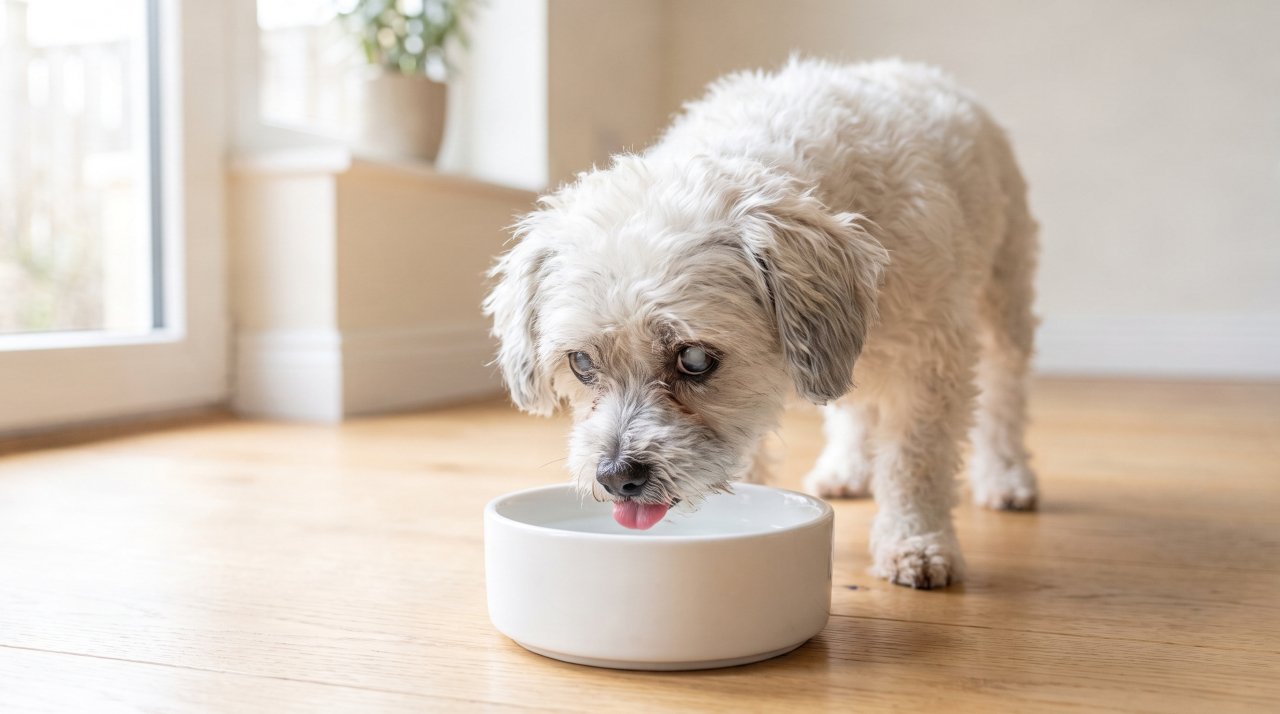
Senior dogs are more prone to dehydration than younger dogs, and dehydration accelerates kidney decline. Many older dogs also drink less because their sense of thirst diminishes with age — they genuinely don’t feel as thirsty even when they need water.
You should always have fresh water available in multiple locations around your home. A pet water fountain can encourage reluctant drinkers. Adding a small amount of low-sodium chicken broth to water is another practical trick that works well for many dogs.
Signs of dehydration include dry gums, skin that doesn’t spring back quickly when pinched, and dark urine. If you notice any of these regularly, tell your vet at the next visit.
How to Switch Your Senior Dog to a New Diet
One area competitors consistently ignore is the transition process. Switching your senior dog’s food too fast causes digestive upset — vomiting, diarrhea, and gas. A slow transition protects their sensitive gut.
Follow this 10-day schedule:
- Days 1–3: 75% old food, 25% new food
- Days 4–6: 50% old food, 50% new food
- Days 7–9: 25% old food, 75% new food
- Day 10+: 100% new food
Senior dogs with sensitive stomachs may need a 14-day transition. If you see persistent loose stool beyond day 5, slow the transition down further rather than pushing through.
Feeding Schedule for Senior Dogs
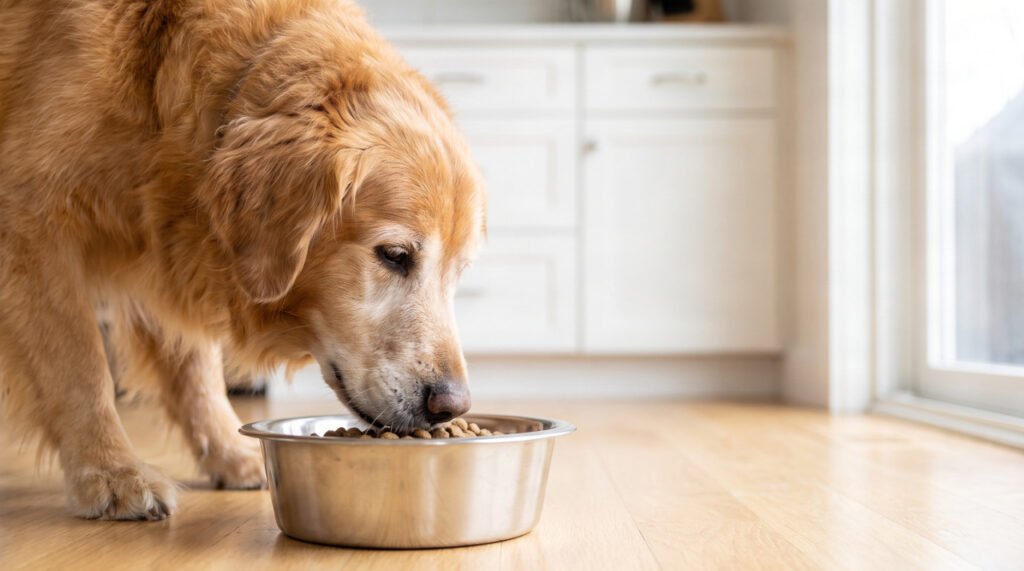
How often you feed your senior dog matters as much as what you feed them. Most vets recommend two meals per day for senior dogs — morning and evening. This approach is easier on digestion, helps regulate blood sugar, and makes appetite monitoring straightforward.
Free-feeding (leaving food out all day) is a poor choice for seniors. It makes it much harder to notice when your dog’s appetite changes — and appetite changes are one of the earliest signs that something is wrong.
Portion control is critical because excess weight puts enormous strain on aging joints and organs. Use the feeding guide on your dog food’s packaging as a starting point, not a rule. Adjust based on your dog’s body condition score — you should feel ribs easily but not see them clearly.
Red Flags That Your Senior Dog’s Diet Isn’t Working

Most articles tell you what to feed. Almost none tell you how to know it’s working. Watch for these warning signs that your dog’s current diet needs adjusting:
- Unexplained weight loss — even with a good appetite, this signals a nutrient absorption problem
- Increased thirst or urination — possible kidney stress, often diet-related
- Dull, flaky coat — usually indicates omega-3 or protein deficiency
- Low energy or reluctance to move — could be joint issues worsened by diet
- Loose stool lasting more than 3 days — the food isn’t agreeing with their gut
- Refusing meals — more significant in seniors than in younger dogs
Any of these signs warrants a vet visit sooner rather than later. Nutritional problems in senior dogs don’t resolve on their own.
Ingredients to Always Avoid in Senior Dog Food
Reading labels is a skill worth building. These ingredients are red flags in any senior dog food:
- Artificial preservatives (BHA, BHT, ethoxyquin) — linked to long-term health concerns
- High corn syrup or added sugars — drives obesity and blood sugar instability
- Unnamed meat meals (“meat meal” vs. “chicken meal”) — low quality protein sources
- Excessive salt — increases strain on aging kidneys
- Artificial colors (Red 40, Yellow 5) — no nutritional value, potential sensitivity trigger
A short ingredient list with named, recognizable foods is almost always a better sign than a long list full of additives.
FAQ
What is the best food to feed an older dog?
The best food for your older dog is a high-quality formula with named animal protein as the first ingredient, added omega-3 fatty acids, digestive fiber, and appropriate antioxidants. Wet food or a wet-and-dry mix works especially well for hydration. Always choose a food that meets AAFCO nutritional standards for “all life stages” or “senior dogs.”
Should senior dogs eat differently than adult dogs?
Yes — senior dogs have different metabolic rates, slower digestion, and changing nutritional needs. They typically need more protein to maintain muscle mass, fewer overall calories if they’re less active, and more joint and cognitive support through targeted nutrients like omega-3s, glucosamine, and antioxidants.
Is wet food better for senior dogs?
Wet food offers significant hydration benefits that help support kidney health in older dogs. It’s also softer and more palatable for dogs with dental pain or a diminished sense of smell. Many vets recommend combining wet and dry food for seniors to balance hydration with dental texture.
How many times a day should a senior dog eat?
Most senior dogs do best with two meals per day — one in the morning and one in the evening. This supports stable blood sugar, aids digestion, and makes it easier to monitor appetite changes. Free-feeding is not recommended for senior dogs.
Is protein bad for older dogs?
No — healthy senior dogs generally need more protein, not less. The myth that protein harms aging kidneys applies only to dogs already diagnosed with kidney disease. For healthy seniors, adequate protein is essential to prevent muscle loss and maintain strength.
When should I switch my dog to senior food?
Most small breeds benefit from switching around age 10–11, while large breeds may need a senior diet by age 6–7. Watch for signs like weight gain, lower energy, or stiffness — these often signal that a dietary adjustment is timely. When in doubt, ask your vet for a body condition assessment and nutritional recommendation.
Your Next Step
The single most important thing you can do for your senior dog’s diet is stop waiting for a health problem to force a change. Proactive nutrition — the right protein, the right fats, the right fiber, and enough water — protects muscle, supports organs, and keeps your dog comfortable longer.
Start today by checking your dog’s current food label. Look for a named protein in the first ingredient, verify the protein percentage is at least 25% on a dry matter basis, and check whether the food meets AAFCO nutritional standards for senior dogs. If it doesn’t tick those boxes, it’s time to find a better option.
Book a vet appointment, bring your current food label, and ask for a body condition assessment. That single conversation will give you more clarity than any food label ever could.