
Between ages 7 and 12, senior dogs can lose up to 25% of their lean muscle mass — and most owners never notice until it’s too late. That silent muscle loss, called sarcopenia, is one of the biggest threats to your elderly dog’s health, and the food in their bowl every day either slows it down or speeds it up.
Knowing what to feed an elderly dog isn’t as simple as grabbing a bag labelled “senior formula.” The science has shifted, the old rules have changed, and some of what you’ve heard — including the long-held idea that old dogs need less protein — turns out to be flat-out wrong.
This guide gives you the full picture. You’ll know exactly which nutrients your elderly dog needs most, which foods support their aging body, how often to feed them, and what one common mistake to stop making right now.
Why Elderly Dogs Have Different Nutritional Needs
Your dog’s body changes as it ages, and those changes affect how it processes food. Metabolism slows down, digestion becomes less efficient, and the gut’s ability to absorb nutrients gradually declines. Muscle tissue breaks down faster than it rebuilds.
These aren’t cosmetic changes — they’re functional ones. A diet that worked perfectly at age 3 may actively fail a dog at age 10. Senior dogs need food that works harder to compensate for what their bodies can no longer do as well on their own.
According to Cornell University College of Veterinary Medicine, nutritional needs shift significantly in the senior phase because organ function, immune response, and muscle metabolism all change in tandem. While that resource focuses on cats, veterinary nutritionists apply the same multi-system lens to aging dogs.
One important note: “senior” isn’t a fixed age. Large and giant breeds hit senior status as early as 5–6 years old. Small breeds may not get there until 10–12. Your dog’s breed size should factor into when you start adjusting their diet — not just the number on their birthday cake.
The Protein Myth That Hurts Senior Dogs
Here’s a misconception that has genuinely harmed dogs for decades: the idea that elderly dogs need a low-protein diet.
This advice came from outdated research suggesting that excess protein strained the kidneys. Modern veterinary science has overturned it completely. For healthy senior dogs, research now shows they may need up to 50% more protein per kilogram of body weight than adult dogs just to maintain nitrogen balance and preserve muscle mass.
Aim for a diet with 25–30% protein on a dry matter basis for a healthy senior dog. Choose high-quality, digestible sources — cooked chicken, turkey, salmon, beef, eggs, or lamb. These provide the essential amino acids an aging body needs without unnecessary additives.
The exception matters here. If your dog has been diagnosed with chronic kidney disease (CKD), your vet may recommend protein restriction to around 14–24% — this is a therapeutic exception, not the rule for healthy seniors. Always confirm with your veterinarian before making any changes based on health conditions.
What to Feed an Elderly Dog: The 5 Key Nutrients
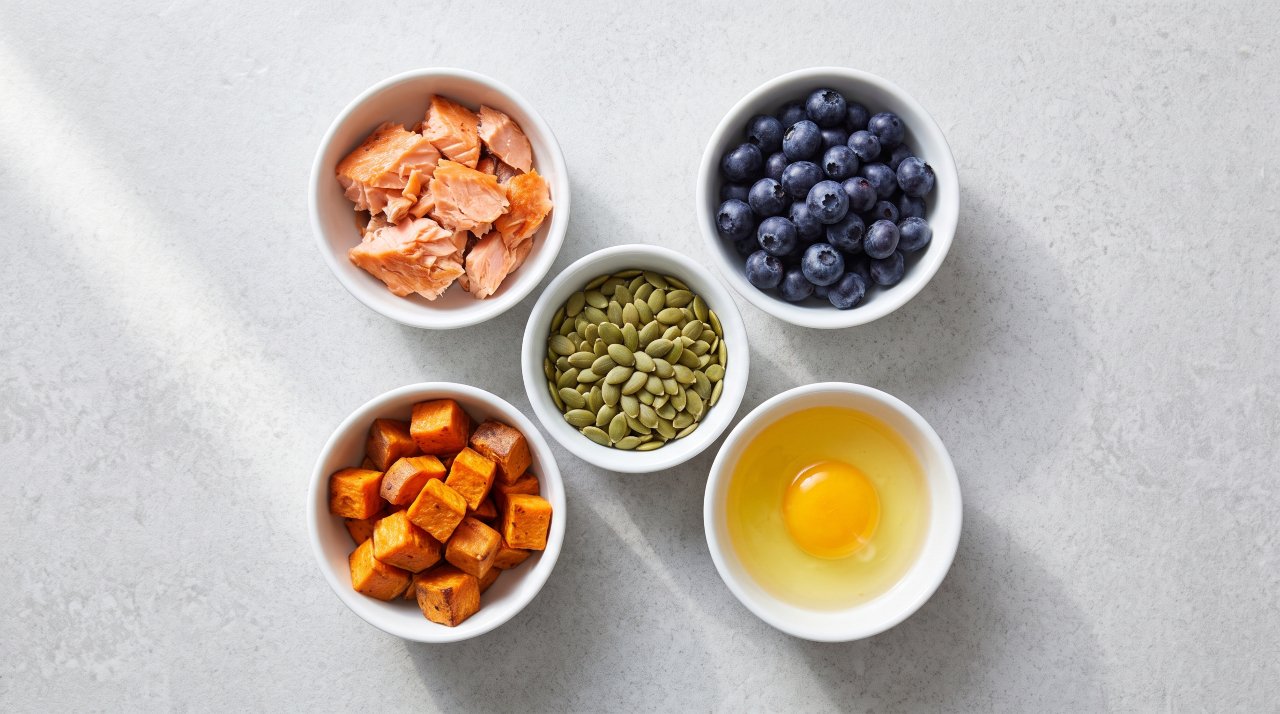
Getting your elderly dog’s nutrition right comes down to five areas. Each one plays a specific role in keeping an aging body functioning well.
1. High-Quality Protein — The Foundation
Protein isn’t optional for senior dogs; it’s the single most important macronutrient in their diet. Without adequate protein, muscle wasting accelerates and immune function weakens. Look for a named meat as the first ingredient — chicken, beef, turkey, salmon, or eggs.
Feed digestible protein rather than protein fillers. Organ meats like liver or kidney provide concentrated, bioavailable nutrition that aging digestive systems can handle well.
2. Omega-3 Fatty Acids — For Joints and the Brain
Omega-3 fatty acids, specifically EPA and DHA, do double duty in senior dogs. They reduce joint inflammation, which helps arthritic dogs move more comfortably. They also support brain cell membranes, which slows cognitive decline — something competitors’ articles rarely address.
Fish oil is the most bioavailable source. A typical starting dose for senior dogs is 20–55 mg of EPA and DHA per kilogram of body weight daily, but check with your vet for your dog’s specific needs. You can also boost intake naturally by adding a small amount of cooked salmon or sardines in water to their regular meals a few times a week.
3. Fibre and Gut Support — The Missing Piece
This is where most senior dog feeding guides fall short. As dogs age, their gut microbiome changes. The balance of beneficial bacteria shifts, nutrient absorption drops, and inflammation can rise. Prebiotic fibre — from pumpkin, sweet potato, and chicory root — feeds good gut bacteria and keeps digestion running smoothly.
Some senior dogs also benefit from a probiotic supplement, particularly if they’ve had digestive upsets or taken antibiotics recently. Look for dog-specific probiotics with Lactobacillus and Bifidobacterium strains.
4. Antioxidants — Brain and Immune Defence
Vitamins E and C, beta-carotene, and selenium are antioxidants that fight oxidative stress — a key driver of cognitive decline and immune weakening in older dogs. Look for foods that include blueberries, spinach, carrots, or sweet potato as natural antioxidant sources.
Medium-chain triglycerides (MCTs), found in small amounts of coconut oil, have also shown promise in supporting brain function in dogs with early canine cognitive dysfunction. Talk to your vet before adding MCTs, as the research is still evolving.
5. Controlled Calories — Keeping Weight in Check
Many senior dogs gain weight as their activity level drops and metabolism slows. Obesity in elderly dogs dramatically worsens arthritis, stresses the heart, and shortens lifespan. Others — especially very old dogs — actually lose weight and need calorie-dense food to stay at a healthy weight.
The tool you need here is the Body Condition Score (BCS). Run your hands along your dog’s ribs. You should feel them without pressing hard, but not see them from across the room. If you can’t feel the ribs at all, your dog is likely overweight. If the ribs are clearly visible, they may be underweight. Adjust portions based on this hands-on check, not just the feeding guide on the bag.
Wet Food vs. Dry Food for Senior Dogs
This question comes up constantly, and the honest answer is: both work — but each has specific advantages for elderly dogs.
Wet food has higher moisture content, which benefits kidney health and hydration. Many senior dogs with dental pain, reduced appetite, or a dulled sense of smell eat more willingly when offered wet food, especially when served slightly warm.
Dry kibble supports dental health through its abrasive texture and tends to be more calorie-dense per cup. It’s easier to store, more cost-effective, and portion control is more straightforward.
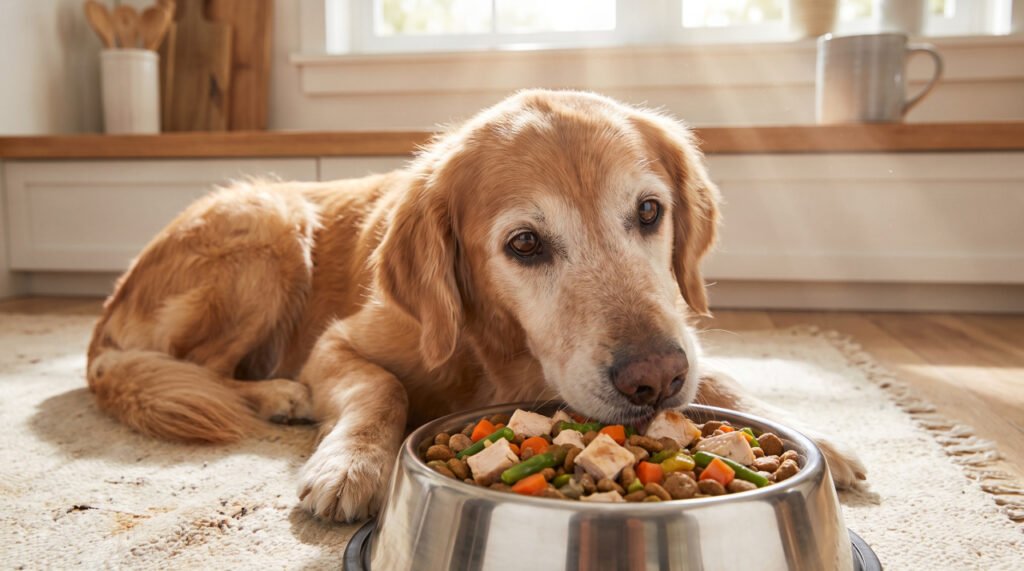
A practical middle ground: mix a spoonful of wet food into dry kibble. You get the hydration boost of wet food without abandoning the dental and cost benefits of dry. Many senior dogs with picky appetites respond very well to this combination.
Safe Human Foods You Can Add to Your Senior Dog’s Bowl
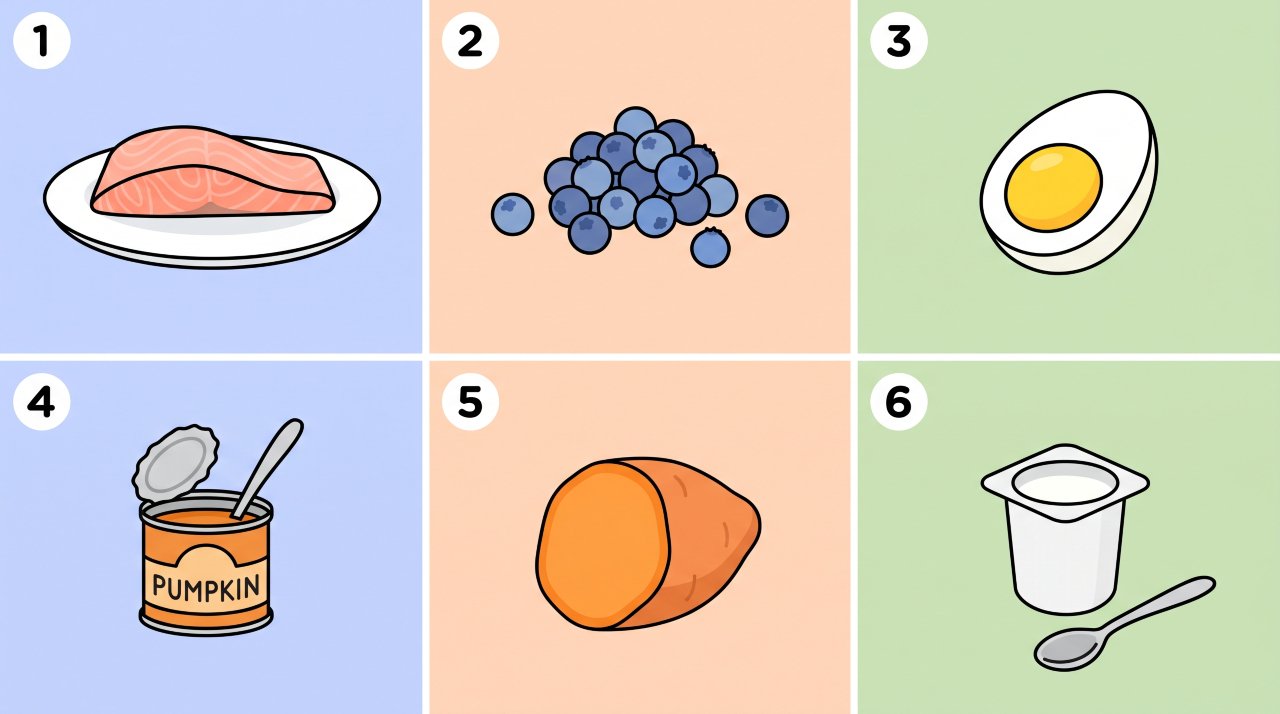
You don’t need to overhaul your dog’s diet to boost their nutrition. These common human foods are safe to add in small amounts and support senior health:
| Food | Benefit | Serving Suggestion |
|---|---|---|
| Cooked salmon or sardines in water | Omega-3s, protein | 1–2 tbsp, 2–3x per week |
| Plain canned pumpkin | Fibre, digestive health | 1–2 tsp per meal |
| Blueberries | Antioxidants | 3–5 berries as a treat |
| Cooked eggs | Digestible protein | Half an egg, 3–4x per week |
| Cooked sweet potato | Fibre, vitamin A | 1–2 tbsp, a few times per week |
| Plain low-fat yogurt | Probiotics, calcium | 1 tsp for small dogs, 2 tsp for large |
Always avoid: onions, garlic, grapes, raisins, chocolate, xylitol (an artificial sweetener in some peanut butters), and macadamia nuts. These are toxic to dogs at any age.
How Often Should You Feed an Elderly Dog?
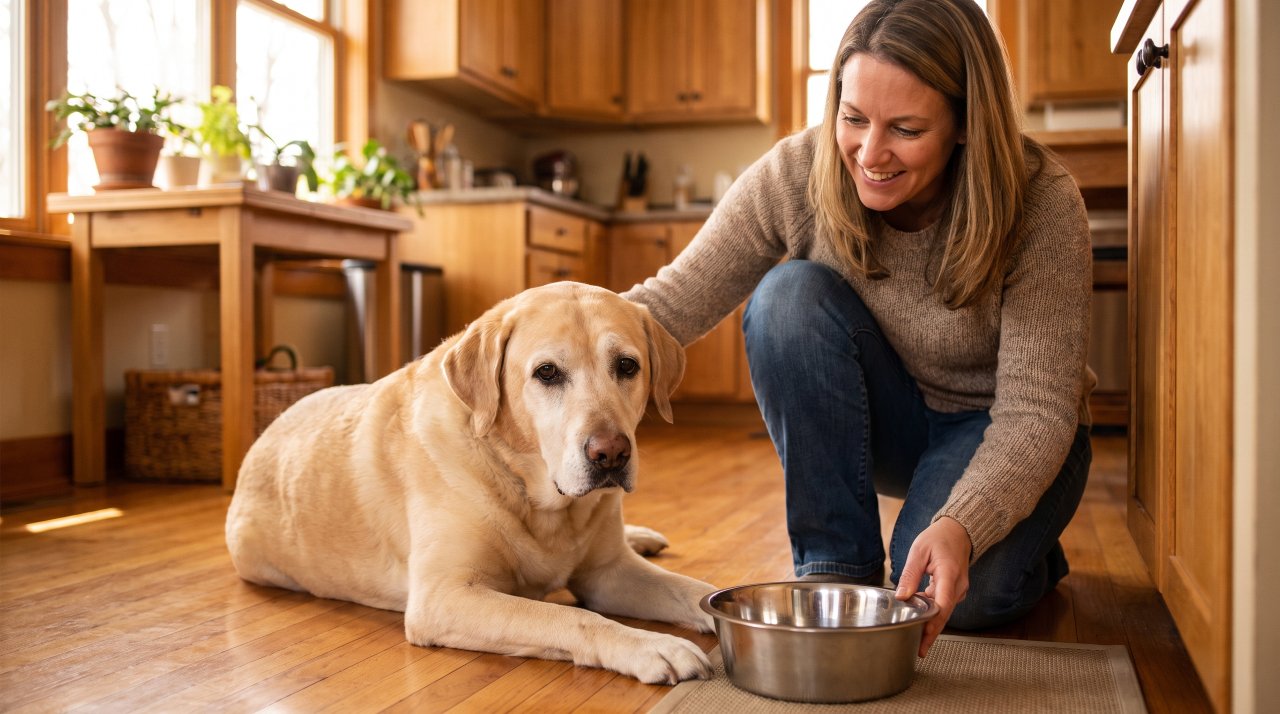
Most adult dogs do fine on two meals a day. For many senior dogs, three smaller meals per day works better. Smaller portions are easier on an aging digestive system, maintain more stable energy levels throughout the day, and can be helpful for dogs managing weight or diabetes.
Avoid free-feeding — leaving food out all day makes it impossible to track whether your dog is eating normally. A sudden drop in appetite is one of the earliest warning signs of a health issue. You won’t catch it if you can’t measure intake.
Create a consistent feeding routine. Feed at the same times each day, in a quiet spot. If your dog has arthritis, a raised bowl reduces neck and joint strain during meals. Serve wet food at room temperature or slightly warmed to enhance the smell, which helps seniors with reduced olfactory sensitivity.
Transition any new food gradually — mix the new food with the old over 7–10 days, increasing the ratio of new food each day. A sudden switch almost always causes digestive upset in senior dogs.
Should You Switch to a “Senior” Labelled Food?
Here’s something most pet food brands won’t tell you: “senior” is a marketing term, not a regulated nutritional standard. The AAFCO — the organisation that sets US pet food standards — has no specific nutrient profile for senior dogs. That means one brand’s “senior” formula might be completely different in nutrient composition from another’s.
Don’t let the word “senior” on the bag be your primary filter. Instead, look for:
- A named meat protein as the first ingredient
- An AAFCO adequacy statement confirming it meets adult maintenance requirements (this covers most healthy seniors)
- Omega-3 fatty acids listed (EPA/DHA from fish oil, not just flaxseed)
- A company with veterinary nutritionists on staff and published feeding trials
A good-quality adult maintenance food with the right nutrients can serve your senior dog just as well as a product labelled “senior.” The label matters less than what’s actually inside the bag.
For a complete breakdown of how to build the right plate for your dog at every senior stage — including portion sizes, ingredient priorities, and what to look for on a label — read our full senior dog diet guide. It covers everything from age 7 through late-stage senior care in one place.
Signs Your Elderly Dog’s Diet Isn’t Working
Sometimes the food you’re giving your dog is technically good quality — but it’s not right for that dog. Watch for these signs that something needs adjusting:
- Unexplained weight loss: Could mean the diet lacks calories, or the dog isn’t absorbing nutrients efficiently
- Muscle wasting around the hindquarters: A classic sign of low protein or sarcopenia progressing faster than expected
- Low energy or lethargy: May point to insufficient calories or low B vitamins
- Loose stools or gas: Often a sign of low fibre, poor digestibility, or an ingredient intolerance
- Dry, dull coat: Can indicate low omega-3 intake
- Eating less than usual: Worth noting if it persists beyond one or two days
If you notice any of these signs, schedule a vet visit before changing the diet on your own. Blood work can reveal kidney, liver, or thyroid issues that require a specific dietary response — one you won’t get right by guessing.
FAQ: What to Feed an Elderly Dog
What is the best thing to feed an old dog?
The best diet for an old dog is one high in digestible, quality protein — at least 25–30% on a dry matter basis — with added omega-3 fatty acids for joint and brain health, adequate fibre for digestion, and antioxidants to support immunity. The specific brand matters less than the ingredient list. Always confirm with your vet, especially if your dog has any existing health conditions.
What should you not feed an older dog?
Avoid foods that are high in empty calories, sodium, or artificial preservatives. Never feed onions, garlic, grapes, raisins, chocolate, or anything containing xylitol — these are toxic at any age. Also avoid grain-free diets unless specifically recommended by your vet, as some have been linked to heart issues in dogs.
How many times a day should you feed an elderly dog?
Most senior dogs do best on two to three meals per day. Three smaller meals can ease digestion, maintain steadier energy, and help you spot appetite changes early. Avoid free-feeding — scheduled meals give you the best view of whether your dog is eating normally.
Is wet food better for senior dogs?
Wet food isn’t automatically better, but it does offer real advantages for senior dogs: higher moisture content (good for kidneys), easier chewing (for dogs with dental pain), and stronger smell (helpful for dogs with reduced appetite). Mixing wet and dry food is a practical approach that captures benefits of both.
What human food can I feed my senior dog?
Safe options include cooked chicken or salmon, plain canned pumpkin, blueberries, cooked eggs, and plain sweet potato. Add these in small amounts to supplement — not replace — a balanced commercial diet. Avoid processed human foods, anything seasoned with onion or garlic, and foods containing xylitol.
Should I switch my dog to senior food?
Not necessarily. “Senior” is a marketing label, not a regulated category. Focus on the ingredient list and nutrient profile instead. If your adult dog food is high in quality protein, includes omega-3s, and uses digestible ingredients, it may already serve your senior dog well. Ask your vet to evaluate the current food before making a switch.
The One Takeaway That Changes Everything
The single biggest shift you can make for your elderly dog’s health is to take protein seriously. Most beginner mistakes in senior dog feeding involve not enough quality protein — often because owners still follow the outdated low-protein advice.
Your next step is simple: check the ingredient list on your dog’s current food today. Is a named meat protein the first listed ingredient? Is the protein content 25% or above on a dry matter basis? If the answer is no to either, it’s time to have a conversation with your vet about a diet adjustment.
Your dog’s golden years can be genuinely golden — and what you put in their bowl makes all the difference. For a side-by-side look at the top food options veterinary nutritionists actually recommend, check out our guide to the best diet for older dogs.