

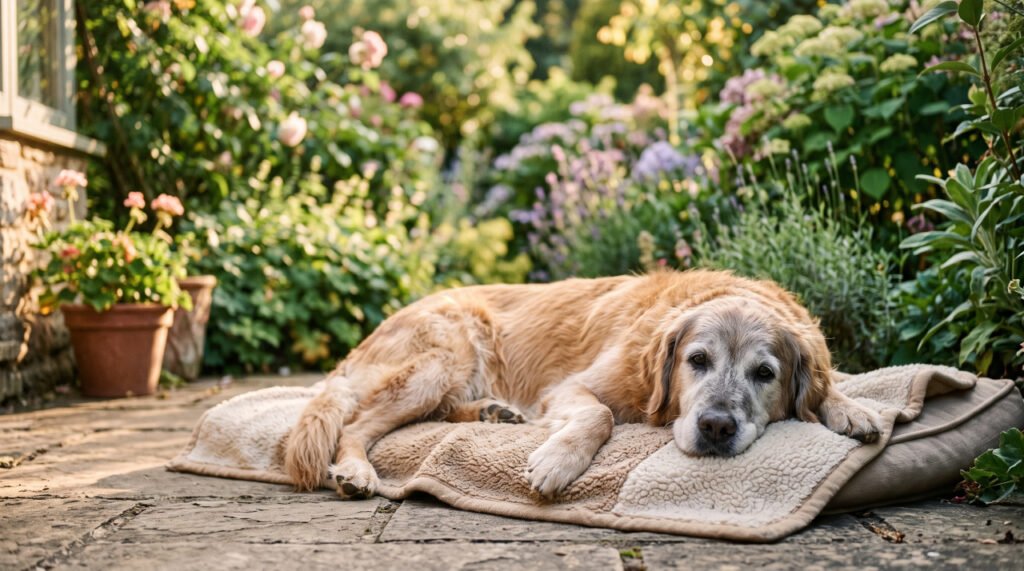
Dogs age faster than we do — and most of them show signs of aging by the time they’re 7 years old. Yet millions of dog owners don’t adjust their care routine until something goes obviously wrong. You can do better than that.
This guide covers senior dog wellness from every angle — physical health, mental sharpness, daily routines, and the emotional side of caring for an older dog. By the end, you’ll have a clear, practical plan you can start using today.
When Does a Dog Become “Senior”?
Most dogs enter their senior years between 7 and 10 years old, but breed size matters a lot here. Large and giant breeds age faster than small ones.
A Great Dane may be considered senior at 6. A Chihuahua might not reach senior status until 10 or 11. Knowing where your dog falls helps you start the right wellness habits at the right time.
If you’re unsure, your vet can assess your dog’s biological age at their next exam. Don’t wait for symptoms to show up — prevention is always cheaper and kinder than treatment.
The 5 Pillars of Senior Dog Wellness
Senior dog wellness isn’t just about one or two things. It covers five interconnected areas, and letting any one of them slip affects the others.
These five pillars are: nutrition, exercise, mental health, veterinary care, and emotional wellbeing. Think of them as legs on a table — weaken one, and the whole structure wobbles. The sections below break down each one with practical steps you can take right away.
1: Nutrition for Older Dogs
What your senior dog eats directly affects their energy, joint health and lifespan. According to the American Kennel Club’s senior dog nutrition guidelines, older dogs often need fewer calories but more protein to maintain muscle mass.
Many owners make the mistake of switching to a “senior” dog food without reading the label. Some senior formulas actually contain less protein than standard adult food, the opposite of what your dog needs. Look for a food that lists a named meat (like chicken or salmon) as the first ingredient. Do check our guide on best food for senior dogs.
Obesity is one of the biggest threats to senior dog wellness. A 2019 study by the Association for Pet Obesity Prevention found that 56% of dogs in the US are overweight or obese. Carrying extra weight accelerates joint damage, strains the heart, and shortens life expectancy. Ask your vet for a body condition score at every check-up and adjust portions accordingly.
Key nutrition tips for senior dogs:
- Feed measured meals twice daily — no free-feeding
- Choose food with at least 25–30% protein on a dry matter basis
- Add omega-3 fatty acids (fish oil) to support joint and brain health
- Always ensure fresh water is available, as older dogs can dehydrate quickly
- Discuss supplements like glucosamine or probiotics with your vet before adding them
2: Exercise That Matches Their Pace
Senior dogs still need regular exercise — but the type and intensity need to change as they age. You’re not trying to keep them athletic; you’re trying to keep them mobile, healthy, and mentally stimulated.
Short, frequent walks work better than one long daily walk. Two to three 15–20 minute walks spread throughout the day are easier on aging joints and less exhausting for an older dog. Swimming is an excellent low-impact option if your dog tolerates water, since it builds muscle without stressing joints.
Watch your dog during and after exercise. Signs that you’ve overdone it include excessive panting, lagging behind, limping, or reluctance to move the next day. According to VCA Animal Hospitals’ senior dog care resource, regular gentle exercise also slows cognitive decline — making it a mental health tool, not just a physical one.
Don’t stop exercising a dog because they seem tired or slow. Resting too much leads to muscle loss, weight gain, and a faster physical decline. The goal is to keep them moving — just more gently.
3: Mental Health and Cognitive Wellness
This is the pillar most guides completely ignore — and it’s one of the most important ones.
Canine Cognitive Dysfunction (CCD), often called “doggy dementia,” affects an estimated 28% of dogs aged 11–12 and up to 68% of dogs aged 15–16, according to research published in the journal Veterinary Sciences. Symptoms include disorientation, disrupted sleep, forgetting commands, staring into space, and house-training accidents.
You can slow cognitive decline by keeping your dog mentally active. Puzzle feeders, scent games, and short training refreshers all stimulate the brain. Even teaching an old dog one new simple trick per month builds new neural connections. These aren’t just games — they’re medicine.
The honest truth is that CCD isn’t curable. But it is manageable, and catching it early gives you and your vet more options. If you notice any signs of cognitive changes, bring them up at your next appointment. Your vet may recommend prescription diets, supplements like SAMe or medium-chain triglycerides (MCTs), or medications.
4: Veterinary Care — More Than You Think You Need
Most dog owners see the vet once a year. For senior dogs, that’s not enough.
The American Veterinary Medical Association (AVMA) recommends twice-yearly wellness exams for dogs over 7. A lot can change in six months for an aging dog. Dental disease, early kidney problems, thyroid issues, and arthritis often show up on bloodwork long before your dog shows any obvious symptoms.
A senior wellness exam typically includes a physical check-up, bloodwork panel, urinalysis, blood pressure check, and a dental assessment. Yes, this costs more than a standard visit. But catching a kidney issue early costs far less — financially and emotionally — than treating it in crisis.
Dental health is often underestimated as part of senior dog wellness. Periodontal disease is present in over 80% of dogs by age 3, and by senior years, most untreated dogs are dealing with significant dental pain that affects eating, behavior, and overall quality of life. Ask your vet about a professional dental cleaning if you haven’t already.
5: Emotional Wellbeing — Yours and Theirs
Senior dogs feel anxiety, loneliness, and confusion just like younger dogs do — sometimes more so. As their senses dull and routines shift, they need stability and reassurance from you.
Keep your dog’s daily schedule consistent. Feed them at the same times, walk the same routes, and give them a warm, quiet place to rest that’s easy to access (ramps or steps help if they struggle with furniture or stairs). Physical touch — gentle massage, grooming, or simply sitting together — reduces stress hormones in dogs and strengthens your bond.
Here’s something most guides won’t say: caring for a senior dog is emotionally hard. Watching a dog slow down, lose their spark, or struggle with health issues is genuinely painful. You’re allowed to find it difficult. Joining an online community of senior dog owners can provide practical advice and emotional support when you need it.
Building a Daily Senior Dog Wellness Routine
Consistency is the most powerful tool you have. A predictable routine reduces anxiety, supports digestion, improves sleep, and makes it easier to spot changes in your dog’s behavior or health.
Here’s a simple daily framework to start with:
| Time of Day | Wellness Activity |
|---|---|
| Morning | Short 15–20 min walk + measured breakfast |
| Mid-morning | Mental stimulation (puzzle feeder or scent game) |
| Afternoon | Rest + fresh water check |
| Late afternoon | Second short walk or gentle play |
| Evening | Measured dinner + gentle grooming or massage |
| Before bed | Quiet wind-down, check for any limping or discomfort |
Adjust this based on your dog’s energy level and health needs. Some days your dog will have more energy; some days less. The structure matters more than following it perfectly every single day.
How to Know If Your Senior Dog Is in Pain
Dogs are wired to hide pain — it’s a survival instinct from their wild ancestors. That means by the time you notice clear signs, they may have been uncomfortable for a while.
Watch for subtle changes: reluctance to go up stairs, sleeping more than usual, snapping when touched in certain spots, changes in posture, reduced appetite, or licking a specific area repeatedly. These are often pain signals, not just “getting old.” Don’t dismiss them.
If you suspect pain, contact your vet before trying any over-the-counter pain relief. Human medications like ibuprofen and acetaminophen are toxic to dogs and can cause serious harm. Your vet has safe, effective options including prescription NSAIDs designed for dogs.
FAQ: Senior Dog Wellness
How often should a senior dog visit the vet?
Twice a year is the standard recommendation for dogs over 7. Senior wellness exams catch problems early, when they’re easier and less expensive to treat. Don’t skip these even if your dog seems healthy.
What food is best for senior dogs?
Look for a high-quality food with a named meat as the first ingredient and at least 25–30% protein. Avoid foods high in fillers or by-products. Always consult your vet before switching, especially if your dog has existing health conditions.
What supplements help senior dogs?
Glucosamine and chondroitin support joint health. Omega-3 fatty acids (fish oil) benefit joints and brain function. SAMe may help with cognitive health. Always talk to your vet before adding supplements — some interact with medications or are inappropriate for dogs with certain conditions.
How much exercise does a senior dog need?
Most senior dogs do well with two to three short walks of 15–20 minutes each day. The goal is consistent, gentle movement — not intense exercise. Adjust based on your dog’s breed, health status, and energy level on any given day.
What are the signs that a dog is aging?
Common signs include slowing down on walks, sleeping more, greying around the muzzle and eyes, stiffness after rest, reduced hearing or vision, and changes in appetite. Some dogs also become more anxious or clingy. These are normal — but all deserve a conversation with your vet.
How do I know if my senior dog is in pain?
Watch for reluctance to use stairs, changes in posture, snapping when touched, excessive licking of one area, reduced appetite, and behavioral changes. Dogs hide pain instinctively, so subtle signs matter. Contact your vet if you notice any of these.
Your Senior Dog Deserves a Wellness Plan
The single most important takeaway from everything above is this: senior dog wellness works best when it’s proactive, not reactive. Don’t wait for a limp to address joint health. Don’t wait for confusion to start brain-stimulating activities. Don’t wait for a crisis to book a vet visit.
Start with one small change this week. Pick the pillar that feels most neglected — whether that’s booking a vet check-up, switching to measured meals, or adding a puzzle feeder to your dog’s day. One step leads to the next, and before long, you’ll have built a real wellness routine your dog benefits from every single day.
Your dog can’t tell you what they need. But they don’t have to — because now you know.