

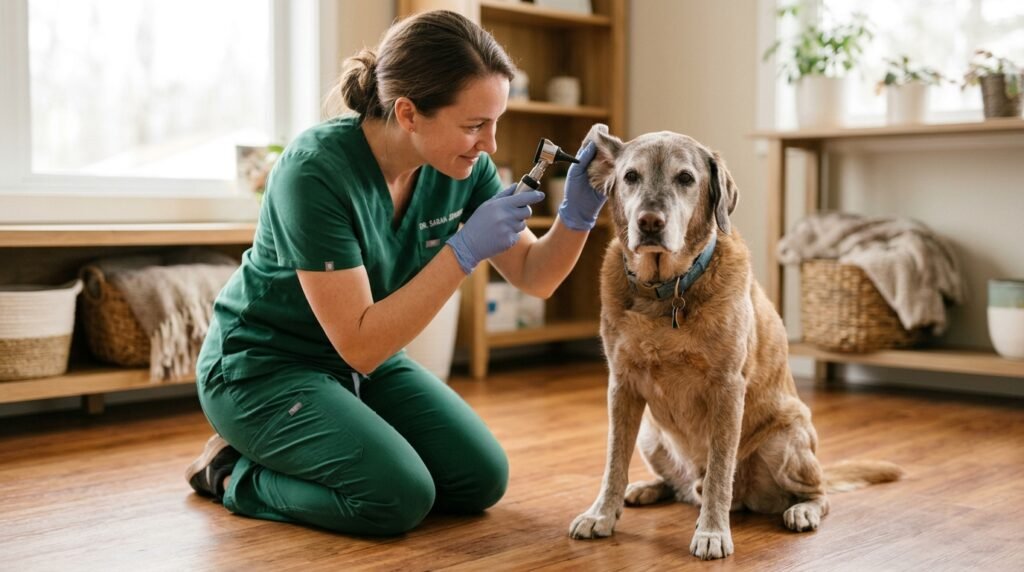
Discovering bald patches, crusty sores, or angry red patches on your senior dog’s skin is deeply distressing. When an older dog begins scratching until their paws bleed or shaking their head constantly from irritated ear margins, pet parents often fear the worst. You might wonder if your dog picked up a stubborn parasite at the park or if their graying body is battling a systemic illness.
One of the most persistent and uncomfortable skin conditions affecting canines is mange. While many people associate this condition strictly with stray puppies or neglected shelter dogs, adult and senior canines are frequently diagnosed. Recognizing what does mange look like on a dog allows you to identify early warning signs quickly and seek effective veterinary treatment before secondary bacterial infections take hold.
Quick Answer:
Mange on a dog typically looks like patchy hair loss, intense skin redness, scaly gray crusts, and small pimple-like bumps concentrated around the ear flaps, elbows, muzzle, and belly. Sarcoptic mange causes frantic, round-the-clock itching and thick scabs, while demodectic mange produces localized bald rings and darkened, leathery skin often triggered by an aging immune system.
Key Takeaways:
- Two Distinct Mites: Sarcoptic mange (scabies) is highly contagious and fiercely itchy, whereas demodectic mange is non-contagious and stems from microscopic mites naturally present on canine skin.
- Senior Vulnerability: Late-onset demodectic mange in older dogs often signals an underlying medical condition, such as Cushing’s disease, hypothyroidism, or occult neoplasia.
- The Pinnal-Pedal Clue: Gently scratching the edge of your dog’s ear flap often triggers an involuntary scratching motion with their back leg if scabies mites are present.
- Modern Oral Cures: Modern isoxazoline medications (such as fluralaner and sarolaner) eliminate mites rapidly without the need for toxic, smelly chemical dips.
What Does Mange Look Like on a Dog? Early Visual Signs
Mange does not appear overnight. It begins as subtle, easily overlooked skin irritation that gradually spreads across your dog’s body. Recognizing what does mange look like on a dog during its initial stages can save your senior companion weeks of needless suffering.
In the earliest phase, you may notice tiny red dots resembling flea bites or minor mosquito stings, known clinically as papules. These bumps frequently crop up in sparsely haired regions like the inner thighs, groin, armpits, and the lower margins of the ears. As your dog scratches and bites at these focal spots, the skin becomes inflamed and warm to the touch.
As the infestation progresses, hair begins to thin and fall out in irregular, moth-eaten patterns. The skin beneath turns bright pink or angry red. Fluid from ruptured pimples dries into yellowish, crusty scales that cling tightly to hair follicles. If left untreated, chronic inflammation causes the skin to thicken, wrinkle, and turn a dark, greasy slate-gray, a defensive reaction known as hyperkeratosis.
Sarcoptic vs. Demodectic Mange: Spotting the Visual Differences
Canine mange is divided into two primary clinical categories based on the specific microscopic mite responsible. While both conditions damage your dog’s coat, their visual presentation, contagion level, and underlying causes differ significantly.
1. Sarcoptic Mange (Canine Scabies)
Sarcoptic mange is caused by Sarcoptes scabiei, microscopic eight-legged mites that burrow deep tunnels beneath the surface layers of the skin. Female mites lay eggs inside these epidermal tunnels, triggering a ferocious allergic reaction to their waste products and saliva.
Visually, scabies produces thick, crusty yellow scabs, particularly on the outer edges of the ears, the bony points of the elbows, and the hocks. The itching is relentless and violent, keeping dogs awake at night and causing them to scratch until they bleed. Scabies is extraordinarily contagious to other dogs and can cause temporary itchy red bumps on human arms and torsos.
2. Demodectic Mange (Red Mange)
Demodectic mange is caused by Demodex canis, cigar-shaped mites that reside naturally in small numbers inside canine hair follicles and sebaceous glands. Under normal circumstances, a healthy canine immune system keeps mite populations strictly in check without causing symptoms.
When an older dog’s immune defenses dip, Demodex mites multiply exponentially. Demodectic mange typically presents as circular, smooth bald spots around the eyes, muzzle, and mouth, often giving the dog an aged, spectacled look. Unlike scabies, demodectic mange is non-contagious to other pets or humans and may cause little to no itching until secondary bacterial infections develop.
Comparison: Sarcoptic vs. Demodectic Mange in Dogs
Knowing which parasite has invaded your dog’s skin dictates how you protect other family pets and manage household hygiene. The table below compares the clinical features of both forms.
| Clinical Feature | Sarcoptic Mange (Scabies) | Demodectic Mange (Red Mange) |
|---|---|---|
| Mite Species | Sarcoptes scabiei var. canis | Demodex canis or Demodex injai |
| Contagion to Other Dogs | Extremely contagious (direct contact) | Non-contagious (opportunistic overgrowth) |
| Zoonotic (Spreads to Humans) | Yes (causes self-limiting itchy red rash) | No (mites cannot survive on human skin) |
| Primary Body Locations | Ear margins, elbows, hocks, lower chest | Face, periocular rings, muzzle, paws |
| Intensity of Itching | Excruciating, constant, frantic | Mild to nonexistent (unless infected) |
| Visual Appearance | Thick yellow-gray crusts, open excoriations | Smooth bald patches, blackheads, leathery skin |
For pet parents managing general coat thinning or seasonal flare-ups, review our companion guide on causes of senior dog skin allergies to differentiate parasite infestations from dietary or environmental sensitivities.
Why Senior Dogs Are Uniquely Vulnerable to Mange
While young puppies often get demodectic mange because their immature immune systems are still developing, senior dogs experience a phenomenon known as immunosenescence. As your canine companion reaches advanced age, their white blood cells become less agile at patrolling tissues and suppressing microscopic parasites.
When an older dog suddenly presents with generalized demodectic mange, veterinarians treat it as a significant medical red flag. In adult-onset demodicosis, mites rarely multiply without an underlying systemic trigger that compromises immune surveillance. Common underlying culprits include:
- Hyperadrenocorticism (Cushing’s Disease): An overproduction of endogenous cortisol suppresses white blood cells and thins skin tissue.
- Hypothyroidism: A sluggish thyroid reduces sebum production, slows cellular healing, and weakens local cutaneous immunity.
- Diabetes Mellitus: Fluctuating blood glucose levels alter skin pH and create prime conditions for secondary bacterial and fungal pathogens.
- Occult Neoplasia: Hidden tumors consume vital bodily resources and impair normal immune cell generation.
- Immunosuppressive Medications: Long-term steroid therapy (prednisone) prescribed for arthritis or inflammatory bowel disease can allow dormant mites to surge.
How Veterinarians Diagnose Mange in Older Dogs
You cannot diagnose mange accurately with the naked eye alone. Many skin disorders, including ringworm fungal infections, flea bite hypersensitivity, and cutaneous lymphoma, produce lesions that mimic what does mange look like on a dog.
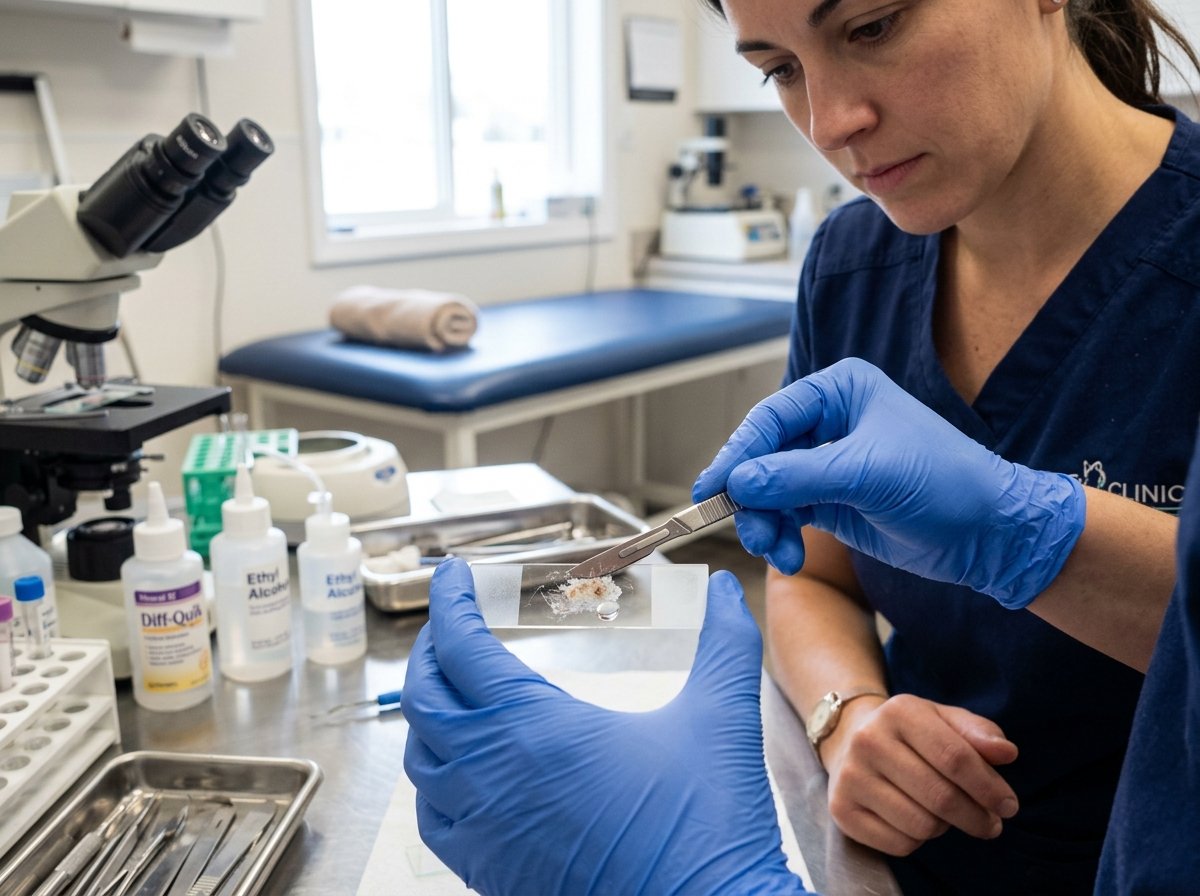
Your veterinarian will perform a thorough physical examination followed by diagnostic skin scrapings. Using a sterile dull scalpel blade lubricated with mineral oil, the vet gently scrapes the surface of the skin until capillary blood just begins to show. This ensures the scraping reaches deep hair follicles where Demodex mites reside.
The scraped material is transferred to a glass slide and examined under a microscope. Finding living Demodex mites, eggs, or larvae confirms demodicosis. Sarcoptes mites are notoriously elusive because only a tiny number of mites can cause massive allergic reactions. If scabies is strongly suspected based on classic ear crusting and a positive pinnal-pedal reflex, your vet will often initiate treatment immediately even if scraping slides appear negative.
Modern, Safe Treatments for Senior Canines
In past decades, treating canine mange was an exhausting, toxic ordeal involving weekly dips in foul-smelling chemical solutions like amitraz or organophosphates. These dips posed significant neurological and respiratory risks, especially to frail senior pets with compromised liver or kidney functions.
Fortunately, veterinary dermatology has been revolutionized by the introduction of the isoxazoline drug class. Medications such as fluralaner (Bravecto), sarolaner (Simparica), and afoxolaner (Nexgard) are convenient oral chewables or topical solutions that target parasite nervous systems while maintaining exceptional safety profiles in canines.
A single dose of an isoxazoline medication begins killing mites within hours, resolving most infestations within thirty to sixty days. However, because these medications work systemically, consult your veterinarian before administering them to dogs with a history of seizures or severe neurological disorders.
If chronic scratching has allowed bacteria or yeast to invade raw sores, your veterinarian will also prescribe oral antibiotics or antifungal medications alongside medicated chlorhexidine baths. Supporting fragile skin from within is equally vital; explore our vet-approved recommendations on dog food for sensitive skin to nourish compromised dermal barriers with therapeutic marine omega-3 fatty acids.

Supportive Home Care and Environmental Sanitation
Medical treatments eradicate the mites on your dog, but dedicated home care ensures your senior companion heals comfortably without reinfecting themselves or spreading parasites to other pets.
If your dog has been diagnosed with sarcoptic mange, isolate them from other dogs and cats in the household until your veterinarian confirms they are no longer contagious. Wash all pet bedding, blankets, and plush toys in hot, soapy water and dry them on high heat. Vacuum carpets, rugs, and upholstered furniture thoroughly, disposing of the vacuum bag immediately outside.
Keep your senior dog comfortable by applying soothing, cool compresses to fiery hot spots. Avoid over-the-counter hydrocortisone creams or harsh home remedies like motor oil, vinegar, or garlic, which are dangerously toxic to canines. Gentle grooming practices outlined in our practical guide on senior dog grooming and coat care will help you maintain skin hygiene without stripping essential protective oils.
Mange vs. Other Common Senior Skin Conditions
Because multiple dermatological issues produce circular patches of baldness and scabs, knowing how to differentiate mange from other ailments helps you describe symptoms clearly to your veterinary team.
- Flea Allergy Dermatitis: Fleas congregate primarily around the lower back, tail base, and inner thighs, leaving behind tiny black pepper flecks of flea dirt.
- Ringworm (Dermatophytosis): Ringworm is a fungal infection that produces neat, circular hairless rings with raised red edges that typically do not cause intense itching.
- Bacterial Pyoderma: Secondary staph infections cause small yellow pustules, circular peeling edges (epidermal collarettes), and a distinct damp corn-chip odor.
- Alopecia from Hypothyroidism: Hormonal hair loss is symmetrical, non-itchy, and concentrated on the flanks and tail (rat tail appearance), accompanied by weight gain and cold sensitivity.
Clinical Guidelines and Authoritative Research
Proper diagnostic diligence protects aging pets from unnecessary medication exposure. According to clinical protocols from the AVMA senior pet care guidelines, geriatric dogs should undergo bi-annual wellness checks with complete blood counts to monitor organ reserve. Detailed parasitic life-cycle data published in the Merck Veterinary Manual mange guide highlights the importance of deep skin scrapes for accurate mite identification, while research from the Cornell University canine skin conditions library outlines safe isoxazoline protocols for fragile patients.
Frequently Asked Questions
Can humans catch mange from a dog?
Humans can catch sarcoptic mange (scabies) through direct contact with an infected dog. While the mites cause intensely itchy red bumps on human skin, they cannot reproduce on humans and typically die off within a few weeks once the dog is treated. Demodectic mange is not contagious to humans.
How long does it take for a dog to recover from mange?
Most dogs experience substantial itch relief within one to two weeks of beginning modern oral isoxazoline therapy. Full hair regrowth and complete skin healing typically require six to twelve weeks, depending on the severity of secondary bacterial infections and the dog’s general immune health.
Can I treat mange on my senior dog with home remedies?
No, home remedies like motor oil, kerosene, vinegar, or undiluted essential oils are ineffective and highly toxic to dogs. Senior canines absorb topical chemicals rapidly through thinning skin, which can lead to poisoning, chemical burns, and acute organ distress. Always use prescribed veterinary medications.
Is mange life-threatening for an older dog?
Mange itself is rarely fatal, but severe secondary bacterial sepsis resulting from open, infected wounds can become life-threatening in frail seniors. In addition, adult-onset demodectic mange often points toward serious underlying medical disorders like Cushing’s disease or cancer that require prompt attention.
How can I prevent my senior dog from catching mange again?
Year-round use of veterinarian-approved flea, tick, and mite preventatives (such as isoxazoline chews) provides powerful, continuous protection against scabies. Keeping your senior dog on a balanced, nutrient-dense diet supports their natural immune barrier against opportunistic Demodex overgrowth.
Giving Your Senior Companion Comfort and Relief
Seeing your faithful old dog scratch endlessly or lose patches of their soft coat is painful to watch. Mange can look frightening and messy, but modern veterinary medicine makes it one of the most treatable skin conditions in dogs today.
With an accurate diagnosis from your veterinarian, a modern chewable medication, and gentle home care, you can eliminate these parasites quickly. Within a few short weeks, that frantic itching will subside, their fur will begin to return, and your companion can get back to doing what they do best: enjoying peaceful, comfortable golden years by your side.