


The short answer is yes. Pets Best pet insurance premiums do increase as your dog gets older. If you’re reading this because your renewal notice arrived and the number was higher than you expected, that’s a normal — if frustrating — part of how pet insurance pricing works.
But the more important question isn’t whether the price goes up. It’s what you should do about it. And the honest answer to that question depends on something most guides skip entirely: what your dog’s health history looks like, and what switching would actually cost you compared to staying.
This article walks through why Pets Best increases premiums, what levers you have to control the cost, and the one decision that catches a lot of senior dog owners off guard when they try to fix the problem.
What You’ll Need
Before deciding what to do about a premium increase, it helps to have:
- Your most recent Pets Best renewal notice with the new premium amount
- Your dog’s current policy details (deductible level, reimbursement percentage, annual limit)
- A rough list of any conditions your dog has been treated for or is currently managing
- A sense of what you’ve claimed or are likely to claim in the next 12 months
1: Understand Why Pets Best Increases With Age
What Actually Drives the Premium Up
Pets Best, like every major pet insurer, uses actuarial pricing — which means your premium reflects the statistical risk that your dog will need veterinary care, based on real claims data from dogs of similar age, breed, and location.
Four specific factors can push a Pets Best renewal premium higher:
1. Your dog’s age This is the biggest driver for most senior dog owners. As dogs age, they become statistically more likely to develop conditions that generate large claims — osteoarthritis, cancer, kidney disease, cardiac conditions, and cognitive decline all increase in frequency after age 7 or 8. Pets Best prices in that rising risk at each renewal.
2. Rising veterinary costs in your area Your premium isn’t set globally — it’s tied to the average cost of veterinary care in your zip code. If the specialist clinics, emergency vet hospitals, and general practices near you are charging more, your premium may increase even if your dog’s age hasn’t changed much.
3. Industry-wide claims trends When the overall pool of insured pets generates more claims — through inflation, wider availability of advanced diagnostics, or more people taking their dogs to emergency specialists — insurers adjust rates across the board. This is a separate driver from your individual risk.
4. Your coverage choices (or not changing them) This one is in your control. If you’ve kept the same deductible and reimbursement percentage since you first enrolled, your coverage structure hasn’t adjusted to reflect an older dog’s different risk profile. More on this in Step 3.
What Pets Best has confirmed doesn’t drive increases: your personal claims history. Pets Best states that your own claims frequency doesn’t directly raise your individual premium. The increases are applied at the policy category level, not based on how much you personally have claimed.
2: Know the Switching Trap Before You Cancel
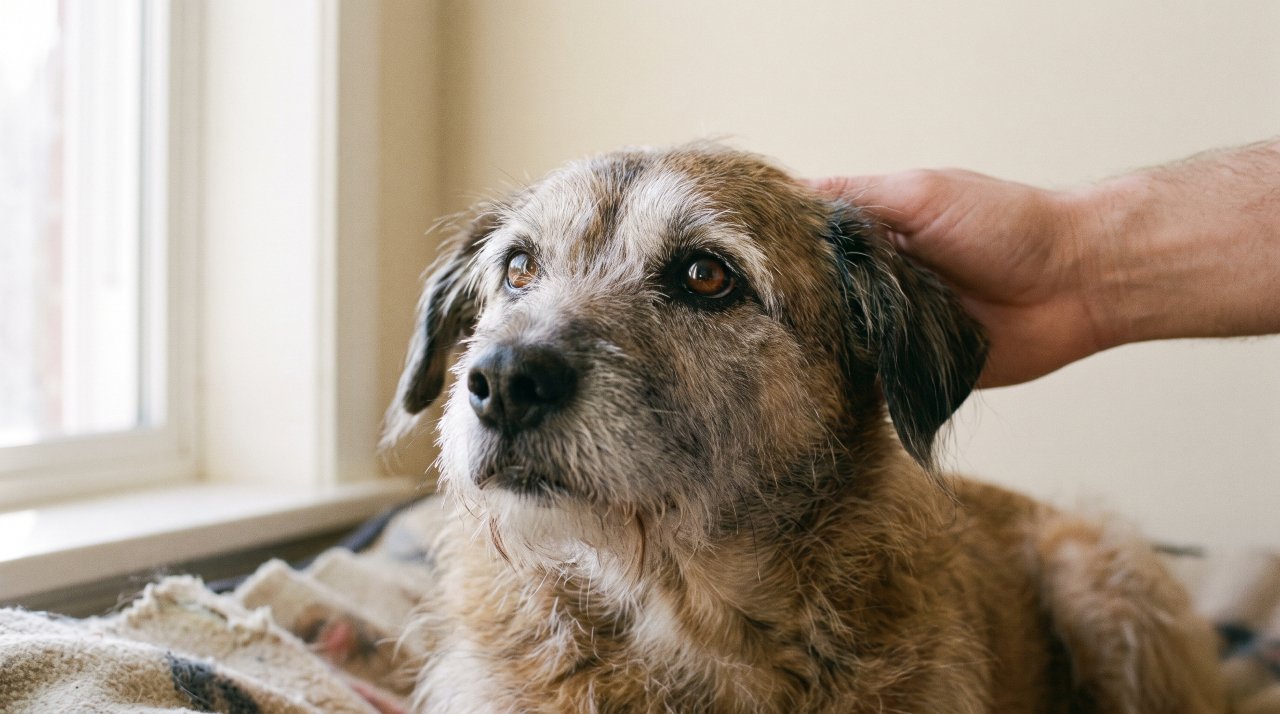
The Decision Most Owners Regret
Here’s the situation that plays out more often than it should: a senior dog owner gets a renewal notice with a significant premium increase — sometimes 20%, 30%, or more — and decides to shop around. They find a lower quote from a different insurer and switch.
What happens next is where it goes wrong.
Every major pet insurer — Pets Best, Healthy Paws, Trupanion, ASPCA, Nationwide — excludes pre-existing conditions from new policies. The definition of “pre-existing” is broader than most owners expect. It typically includes:
- Any condition your dog has been diagnosed with
- Any condition for which symptoms appeared, even if undiagnosed
- Any condition referenced in your vet’s notes, even informally
A senior dog who has had even one ear infection treated, who had a limp investigated, whose blood panel showed elevated liver enzymes at any point — all of that is now medical history. A new insurer can use that history to exclude future claims related to those conditions.
If your dog is currently covered for arthritis, hypothyroidism, or early kidney changes under your existing Pets Best policy, switching means losing that coverage permanently. The new policy won’t cover it. The lower premium you found is lower because it covers less of your specific dog.
There are situations where switching makes sense. If your dog is genuinely healthy with no diagnosed conditions, and you’re enrolled a year into the policy with a clean record, shopping around is reasonable. If your dog is managing one or more conditions — even mild ones — staying put is almost always the better financial decision.
3: Use Pets Best’s Own Levers to Manage the Cost

Adjusting Your Plan Without Losing Coverage
If switching is off the table, the next step is working within your existing Pets Best policy to bring the premium down. There are three variables you control:
Deductible amount
Pets Best allows deductibles from 50to1,000 annually. The deductible is the amount you pay out of pocket before reimbursement begins. Raising your deductible meaningfully lowers your premium — moving from a 200deductibletoa500 deductible can reduce your monthly cost by a visible amount, depending on your location and dog’s profile.
The trade-off: you absorb more of any individual claim before reimbursement kicks in. For a dog with a chronic condition requiring ongoing medication, a lower deductible often makes more financial sense. For a dog who is generally healthy but you want catastrophic coverage (emergency surgery, cancer), a higher deductible with a lower premium may be the right call.
Reimbursement percentage
Pets Best offers 70%, 80%, or 90% reimbursement. Lowering from 90% to 80% reduces your premium while still covering the majority of covered costs. If you have some capacity to absorb 20–30% of a large vet bill, this is often the most cost-effective lever.
Annual limit
Pets Best offers annual coverage options ranging from 5,000 to unlimited. For most senior dogs—those not facing a condition requiring ongoing specialist care that runs into six figures—a 10,000 or $15,000 annual limit covers the realistic range of scenarios they’re likely to encounter. Dropping from unlimited coverage to a defined cap can produce a noticeable reduction in your monthly premium.
Here’s a practical approach: before your next renewal, log into your Pets Best account or call their customer service team and ask them to run a quote showing what your premium would look like at three different deductible levels. Compare the premium savings against what you’d actually pay out of pocket if you had a moderate claim. Often the math favours staying at your current coverage tier — but seeing the numbers makes the decision concrete.
| Coverage Variable | Higher = Lower Premium? | Trade-Off |
|---|---|---|
| Annual deductible | Yes | You pay more per claim before reimbursement |
| Reimbursement % | Yes (lowering %) | You receive less back on each approved claim |
| Annual limit | Yes (lower limit) | Large multi-condition years may hit the cap |
4: Figure Out Whether Pets Best Makes Sense to Enrol Now
The Enrolment Timing Question for New Senior Dog Owners
If you don’t currently have Pets Best coverage and you’re looking at this from the other direction — wondering whether it’s worth enrolling an older dog — the timing question works differently.
Pets Best has no upper age limit for enrolment. That’s a genuine advantage over some competitors. Healthy Paws, for example, caps new enrolment at age 13, and some insurers stop offering accident-and-illness coverage to dogs classed as senior at enrolment.
The value of enrolling now depends on your dog’s current health status:
If your dog is currently healthy with no diagnosed conditions: This is the strongest case for enrolling. You lock in coverage before a diagnosis is made. Once your dog is insured and covered, conditions that develop after the waiting period are typically covered going forward. The premium will increase each year, but you’re in the policy before the pre-existing condition clock starts.
If your dog has already been diagnosed with one or more conditions: Insurance won’t cover those conditions regardless of when you enrol. Pets Best may still be worth having for future, unrelated conditions — a previously healthy dog who develops cancer after enrolment, for example. But be clear-eyed about what you’re buying: coverage for what comes next, not what’s already happened.
If your dog is in late-stage geriatric care managing multiple chronic conditions: Insurance may offer limited value at this point. A dedicated pet savings fund — a separate account with a fixed monthly contribution — is often a more efficient tool when pre-existing exclusions cover most of what the vet is treating.
As vet costs increase with age too, the overlap between when insurance feels most expensive and when vet bills are climbing fastest is real and deliberate — it’s priced that way. Understanding that dynamic helps you make the enrolment timing decision with clear eyes.
5: Compare Pets Best to Its Main Alternatives
A Brief Honest Comparison for Senior Dog Owners
If you’re considering alternatives to Pets Best specifically for a senior dog, here’s what the main comparisons look like in practice:
| Provider | No Upper Age Limit | Pre-Existing Exclusions | Key Consideration for Seniors |
|---|---|---|---|
| Pets Best | Yes | Yes | Flexible deductible/limit options; most customisable |
| Healthy Paws | No (caps at age 13) | Yes | Unlimited lifetime payout; less flexible structure |
| Trupanion | No (varies) | Yes | Offers a medical record review before commitment |
| ASPCA | Yes | Yes | Broad coverage options; may be worth comparing quotes |
The most useful feature Trupanion offers for senior dog owners considering a switch is a preliminary coverage review — they’ll assess your dog’s medical records and tell you in writing what would and wouldn’t be covered before you commit. That transparency matters. If you’re seriously evaluating a switch from Pets Best, requesting this kind of review (rather than guessing) is the responsible step.
For a broader view of how to approach senior dog healthcare costs and coverage planning as part of your overall care strategy, the comprehensive senior dog health guide covers the financial planning piece alongside nutrition, mobility, and cognitive health.
Warning Signs to Watch For
Not everything that looks like a straightforward premium increase is. Watch for these patterns at renewal:
- Coverage being quietly narrowed: Some insurers modify what’s covered at renewal, not just the price. Read the renewal documentation, not just the new premium line
- Condition exclusions being added mid-policy: If a new exclusion appears on your policy that wasn’t there before, query it directly with Pets Best in writing
- Very large single-year jumps: A 10–20% annual increase for an aging dog is common. A 60–100% jump is not standard and warrants a direct call to understand the specific drivers
- Wellness add-on pricing becoming poor value: The EssentialWellness add-on that made sense for a younger dog may deliver diminishing return for a senior — run the maths on what it pays out versus what it costs before auto-renewing
Frequently Asked Questions
Does Pets Best increase premiums every year?
Not necessarily every single year, but premium increases at renewal are common and expected, particularly for senior dogs. The frequency and size of increases depend on your dog’s age progression, regional veterinary cost changes, and industry-wide claims trends. Some policyholders report stable premiums for a year or two followed by a larger adjustment. Reviewing your renewal documents and comparing year-over-year is the best way to track the pattern.
Does Pets Best have an age limit for dogs?
No. Pets Best does not have an upper age limit for new enrolment, which makes it one of the more accessible options for owners of older dogs. Some competitors cap new enrolment at age 13 or restrict policies to accident-only for dogs enrolled at senior age. Check Pets Best’s current enrolment terms at the time you apply, as insurer policies can change.
Will my Pets Best premium go down if my dog gets healthier?
Premium adjustments from Pets Best are based on regional trends, age-based actuarial data, and industry-wide factors — not on your individual dog’s claims or health trajectory. A dog who has had a healthy year with no claims won’t generally see a premium reduction as a result. The premium increases reflect the statistical risk of the age group, not an individual’s performance.
Is Pets Best worth it for a senior dog?
It depends on timing and health status. For a healthy senior dog without diagnosed conditions, it can be worth enrolling — you’re buying protection against future unknown costs, and Pets Best’s no-upper-age-limit policy means you’re not shut out. For a dog already managing multiple chronic conditions, the value is more limited, since those conditions won’t be covered. The most honest advice: if you can enrol before a diagnosis is made, do so. After a diagnosis, evaluate what’s actually left to cover.
Can I lower my Pets Best premium without cancelling?
Yes. Increasing your annual deductible, reducing your reimbursement percentage, or lowering your annual limit will each reduce your premium within your existing policy. Pets Best customer service can run these scenarios for you. The trade-off is absorbing more out-of-pocket cost if you make a claim, so run the numbers before adjusting — particularly if your dog has a condition requiring ongoing treatment.
What happens if I cancel Pets Best and get a new insurer?
Any condition your dog has been treated for — or that shows up anywhere in his vet records — will likely be classified as a pre-existing condition by a new insurer and excluded from coverage. For a senior dog with any health history at all, this exclusion can be significant. Get a written preliminary assessment from the new insurer before cancelling your existing policy, so you know exactly what you’d be giving up.
Conclusion
Yes, Pets Best increases with age. That part is straightforward. What’s less straightforward is what to do about it — and for most senior dog owners with any health history on file, the answer is usually not to switch.
Use the levers available in your existing policy first. Run the deductible and reimbursement comparisons. Call Pets Best and ask them to model the options. If you’re still paying more than the maths supports, get a formal coverage assessment from any alternative insurer before you move — not after.
If you haven’t yet enrolled and your dog is currently healthy, the time to do it is before the next vet visit adds something to the record. The window where insurance is both accessible and genuinely broad in coverage doesn’t stay open for long once a senior dog starts accumulating health history.
Bookmark this page, and revisit the comparisons each renewal cycle. The decision changes as your dog’s health picture changes — what made sense at 7 may look different at 10.