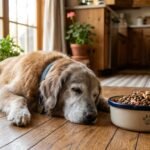

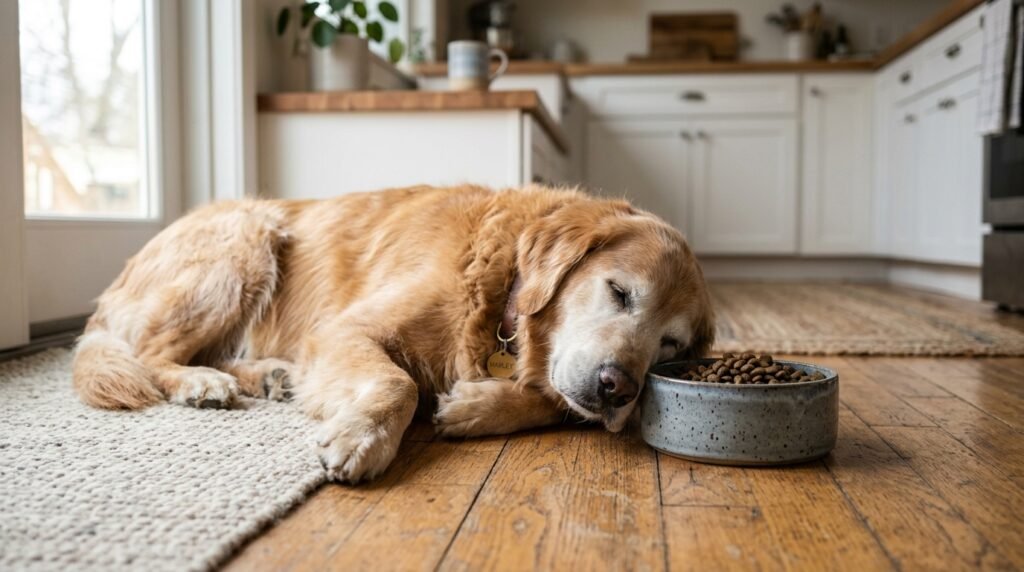
When your senior dog spends their nights chewing their paws raw, vomiting bile, or suffering from unpredictable bouts of watery diarrhea, life becomes exhausting for both of you. You have likely tried grain-free kibble, switched proteins from beef to lamb, and bought expensive sensitive-stomach formulas, only for the flare-ups to return. In older dogs with damaged gut linings and hyper-reactive immune systems, standard commercial proteins often trigger relentless inflammation.
This is usually the moment your veterinarian suggests an unfamiliar, high-tech option: hydrolyzed dog food. The name sounds clinical and intimidating, leaving many owners wondering if it is truly necessary or just an expensive pet food gimmick. In reality, veterinary hydrolyzed diets represent one of the most reliable medical tools available for diagnosing and managing chronic allergies and digestive disease in aging dogs.
Quick Answer:
Hydrolyzed dog food uses a specialized enzymatic water bath to break dietary proteins down into microscopic peptide fragments under 10,000 daltons, making them too small for your senior dog’s immune antibodies to recognize or react against. These prescription diets provide vital nourishment for older dogs suffering from chronic food allergies, inflammatory bowel disease (IBD), and stubborn, itchy skin without triggering flare-ups.
Key Takeaways:
- Molecular Stealth: Breaking proteins down below 3,000 to 10,000 daltons allows your dog’s gut to absorb essential amino acids without alerting immune mast cells.
- Dual Organ Relief: Hydrolyzed formulas resolve both gastrointestinal inflammation (chronic diarrhea and nausea) and severe atopic dermatologic itching.
- Zero Cheat Strictness: During an eight to twelve week trial, feeding a single non-hydrolyzed treat, flavored pill pocket, or table scrap resets the clock completely.
- Prescription Grade Quality: True hydrolyzed diets are produced in pharmaceutical-clean facilities to eliminate cross-contamination from stray poultry or beef meals.
What Is Hydrolyzed Dog Food and How Does It Work?
To understand why hydrolyzed dog food helps senior canines, you first need to understand how canine food allergies develop. Dietary proteins like chicken, beef, dairy, and soy are large, complex, folded molecules. When a dog develops an allergy, their immune system produces Immunoglobulin E (IgE) antibodies calibrated to recognize the physical shape of that specific protein.
Whenever that intact protein enters the digestive tract, it binds to two adjacent IgE antibodies on mast cells in the gut or skin. This connection causes the mast cells to rupture, releasing large waves of histamine, prostaglandins, and cytokines. These chemicals trigger the redness, intense itching, swelling, nausea, and abdominal cramping that plague allergic dogs.
Hydrolysis alters this biological equation entirely. Manufacturers take high-grade protein sources, such as chicken liver or soy, and expose them to natural enzymes and water. This enzymatic process breaks the peptide bonds that hold large proteins together, effectively chopping them into tiny single amino acids and micro-fragments.
Scientists measure molecular weight in units called daltons. Most intact dietary protein allergens weigh between 15,000 and 70,000 daltons. Hydrolysis reduces these fragments down below 10,000 daltons, with top veterinary formulas averaging between 1,000 and 3,000 daltons. Because the fragments are so tiny, they cannot span the physical gap between two IgE antibodies, allowing your senior dog to digest protein in total molecular stealth.
Why Older Dogs Are Prescribed Hydrolyzed Diets
Young dogs can develop food allergies, but senior dogs face unique degenerative shifts that make them especially vulnerable to dietary intolerance. A dog can eat standard commercial kibble for ten comfortable years and suddenly develop severe food reactions in old age.
As canines enter their senior years, the mucosal lining of their intestines naturally thins and weakens. Tight junctions between intestinal cells loosen, creating a clinical condition often called increased intestinal permeability or leaky gut. This allows larger, partially digested protein particles to leak into the bloodstream, putting an aging immune system on high alert.
In addition, many senior dogs develop Chronic Enteropathy or Inflammatory Bowel Disease (IBD). Their intestines become chronically inflamed, blunting the nutrient-absorbing villi and causing frequent loose stools, weight loss, and low blood protein. Because hydrolyzed proteins require virtually zero digestive effort to absorb, they give an exhausted gastrointestinal tract a much-needed opportunity to rest and heal.
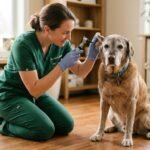
Senior dogs with severe, chronic ear infections and fiery hot spots also benefit tremendously. While switching to best dog food for sensitive skin helps dogs with mild environmental or surface dryness, pets with deep-rooted immune hypersensitivity require the complete molecular reset that only a hydrolyzed diet can provide.
Comparing Leading Veterinary Hydrolyzed Diets
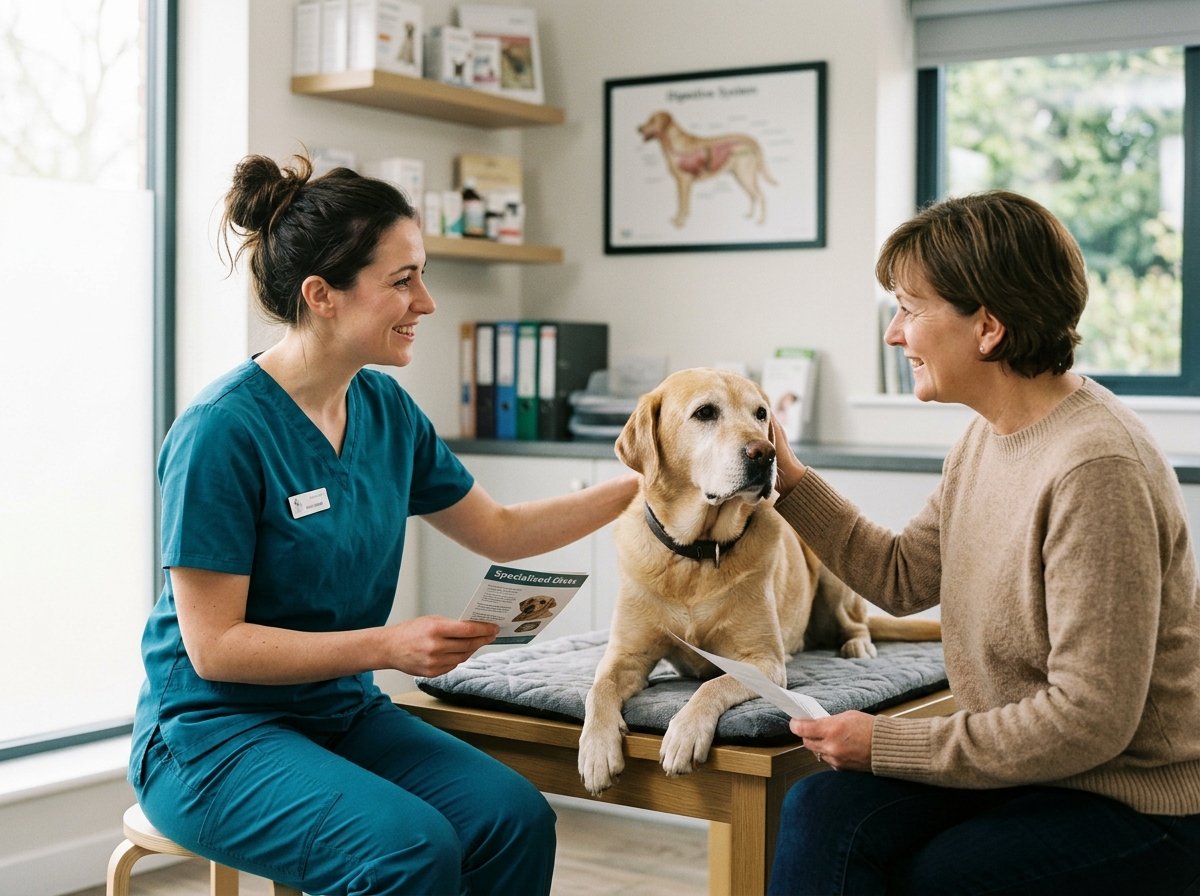
True hydrolyzed dog food is not available on standard grocery store shelves. These recipes are therapeutic veterinary medical foods that require a written prescription. The strict manufacturing processes needed to prevent microscopic cross-contamination demand medical-grade production standards.
| Diet Brand & Formula | Primary Protein Base | Average Molecular Size | Fat Level | Best Senior Application |
|---|---|---|---|---|
| Hill’s Prescription Diet z/d | Hydrolyzed Chicken Liver | < 3,000 Daltons | 13.0% | Older dogs needing high palatability who reject soy-based diets. |
| Royal Canin Hydrolyzed Protein (HP) | Hydrolyzed Soy Isolate | < 6,000 Daltons | 17.0% | Seniors with concurrent skin flakes needing rich omega fatty acids. |
| Purina Pro Plan Vet Diets HA | Hydrolyzed Soy Protein | < 12,000 Daltons | 9.5% | Older dogs with pancreatitis history requiring ultra-low fat. |
| Royal Canin Ultamino | Hydrolyzed Poultry Feathers | < 1,000 Daltons | 15.0% | Extremely refractory allergy cases failing standard hydrolyzed foods. |
For owners seeking simpler commercial alternatives before pursuing prescription routes, our breakdown of limited ingredient dog food options highlights novel single-protein recipes that eliminate common culinary irritants.
Transitioning Your Senior Dog Without Tummy Shock
Hydrolyzed kibble smells and tastes different from conventional pet food. Because intact animal fats and rich meats are replaced with hydrolyzed isolates and refined starches, some older dogs initially sniff their bowl with suspicion.
Patience during the first ten days is essential. Moving your dog over too quickly can cause temporary bowel upset, muddying the diagnostic waters. Follow a gradual, stepwise approach to help their delicate digestive flora adapt smoothly.
- Days 1 to 3: Mix 75% of their original food with 25% of the new hydrolyzed kibble.
- Days 4 to 6: Provide an equal 50% split of both diets.
- Days 7 to 9: Shift to 25% original food and 75% hydrolyzed food.
- Day 10 onward: Feed 100% veterinary hydrolyzed food exclusively.
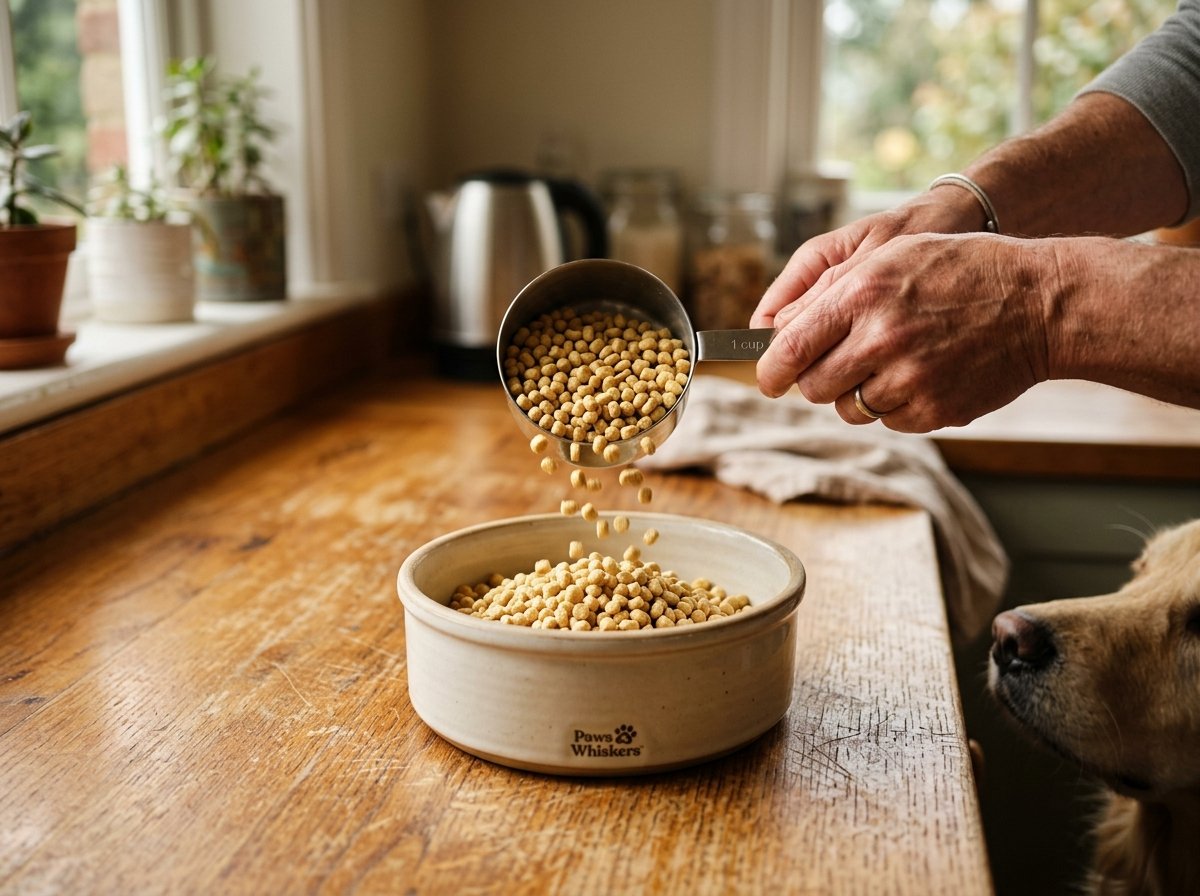
If your older dog seems reluctant to eat the new dry kibble, do not add butter, cheese, or chicken broth. Adding any external protein destroys the hypoallergenic benefit instantly. Instead, warm the kibble with warm tap water to release its natural aroma, or ask your veterinarian for matching canned hydrolyzed wet food to mix in as a safe gravy.
Strict Elimination Trial Rules: Avoiding Accidental Failure
An elimination food trial using hydrolyzed dog food is a clinical diagnostic test, not merely a casual diet change. To definitively prove if food is driving your dog’s skin or digestive misery, the trial must run uninterrupted for eight to twelve continuous weeks.
During this period, your senior dog can consume strictly nothing else. Every family member, dog walker, and neighbor must follow these rules without exception:
- Zero Commercial Treats: Standard dog biscuits, dental chews, pig ears, and rawhides contain intact meats that trigger immediate immune reactions.
- Unflavored Medications: Many monthly heartworm and flea preventatives contain beef flavorings or pork gelatin. Ask your veterinarian for unflavored topical or pill options.
- No Pill Pockets or Cheese: If you must administer daily medications, hide capsules inside a small chunk of canned hydrolyzed food rather than cheese or peanut butter.
- Secure Trash and Plates: Keep kitchen trash cans tightly latched. Even a few dropped breadcrumbs or a licked dinner plate will ruin weeks of progress.
If you want to give your dog a special treat, purchase matching canned hydrolyzed food, slice it into coin-sized rounds, and bake them on parchment paper at 350 degrees until crisp. Your dog gets a crunchy, satisfying biscuit while staying completely compliant with their medical plan.
Can Senior Dogs Stay on Hydrolyzed Food Permanently?
One of the most common worries among pet parents is if hydrolyzed food is safe for long-term daily feeding. Because the protein is processed so heavily, owners fear it lacks the nutritional vitality that an aging dog needs.
Veterinary nutritionists formulate these diets to meet or exceed all nutritional levels established by the Association of American Feed Control Officials (AAFCO) for adult maintenance. Hydrolyzed proteins contain the exact same essential amino acids as whole meats; they are merely chopped into smaller segments. Your senior dog absorbs these amino acids just as effectively, using them to maintain skeletal muscle, repair cartilage, and support organ health.
Many senior dogs with severe IBD or incurable atopic dermatitis thrive on hydrolyzed food for the rest of their lives. Their stools remain firm, their ears stay pale and clean, and their hair coats grow back thick and glossy. As long as routine senior blood panels confirm healthy kidney and liver function, long-term feeding is considered exceptionally safe.
To see how hydrolyzed nutrition compares with other dermatological diets, explore our clinical overview of diets for skin allergies for guidance on pairing nutrition with veterinary care.
Hydrolyzed Canned Wet vs Dry Kibble for Senior Dogs
Most veterinary hydrolyzed formulas are available in both crunchy kibble and smooth canned pate formats. Choosing the right texture depends heavily on your senior dog’s dental health, hydration needs, and daily appetite.
Older dogs frequently suffer from advanced periodontal disease, broken molars, or painful receding gums. Crunching through dry kibble can cause sharp mouth pain, causing them to turn away from their bowl despite intense hunger. Canned hydrolyzed food offers an ultra-soft texture that older canines can lap up comfortably without chewing strain.
Canned formulas also provide vital moisture support. Senior kidneys work harder to concentrate urine, making chronic low-grade dehydration a common concern. Wet food contains approximately seventy-five percent moisture compared to ten percent in dry kibble, helping flush kidneys and dilute urine naturally. However, feeding exclusively canned food to a large senior dog can become costly. Many owners find success serving dry kibble softened with warm water, using a spoonful of matching canned pate as a tempting gravy.
Cost Management and Insurance Coverage for Hydrolyzed Diets
There is no avoiding the financial reality: veterinary hydrolyzed dog food is significantly more expensive than standard over-the-counter kibble. A large bag often costs between ninety and one hundred and thirty dollars, creating a notable monthly expense for households caring for aging pets.
Fortunately, pet insurance policies often cover prescription therapeutic diets if the food is prescribed to treat a diagnosed medical condition like inflammatory bowel disease or atopic dermatitis. Check your policy documents to see if prescription food benefits are included. Submitting your veterinarian’s clinical chart notes and invoices can reimburse a substantial percentage of your monthly food bills.
You can also trim costs by ordering through manufacturer autoship programs or buying from your local veterinary hospital during clinic promotional discount months. Remember that while the upfront cost feels steep, successfully managing allergies with diet often saves thousands of dollars in emergency vet visits, repeated steroid injections, antibiotic rounds, and frequent ear cytology exams.
Clinical Guidance and Expert Sources
Managing a fragile senior dog requires close collaboration with your veterinary care provider. Standard care recommendations from the AVMA senior pet care guidelines recommend bi-annual clinical checkups for geriatric canines to monitor baseline organ chemistry. When evaluating commercial allergy claims versus medical diets, reviewing published findings from the Tufts Clinical Nutrition Service allergy insights provides owners with clear evidence regarding protein cross-reactivity, while clinical gastroenterology chapters in the Merck Veterinary Manual chronic enteropathies section detail therapeutic protocols for managing elderly intestinal inflammation.
Frequently Asked Questions
Why is hydrolyzed dog food so expensive?
Hydrolyzed diets cost more because the enzymatic hydrolysis process requires specialized pharmaceutical machinery. In addition, manufacturers must thoroughly clean production lines between batches to ensure zero microscopic contamination from other meats, driving up production costs significantly.
How quickly will hydrolyzed food stop my senior dog’s itching?
Digestive symptoms like diarrhea and vomiting frequently improve within one to two weeks. Skin improvements take much longer, typically requiring eight to twelve weeks, because old damaged skin cells and hair follicles take months to regenerate completely.
Can I buy hydrolyzed dog food without a prescription?
Authentic veterinary hydrolyzed diets require a prescription from a licensed veterinarian. Over-the-counter pet foods labeled as sensitive skin do not use true molecular hydrolysis and may carry trace cross-contamination from shared machinery.
What happens if my dog accidentally eats a regular treat during the trial?
If your dog accidentally consumes an intact protein, their immune system can produce a flare-up that lasts for days or weeks. Contact your vet to log the incident. In most cases, you must extend the trial for an extra few weeks to ensure clear diagnostic results.
Does hydrolyzed food cause muscle loss in older dogs?
No, hydrolyzed food provides all essential amino acids required to maintain lean muscle mass. Senior dogs digest and absorb hydrolyzed proteins easily, which actually helps preserve muscle in dogs who previously struggled with nutrient malabsorption from chronic gut inflammation.
Restoring Peace and Comfort to Your Dog’s Golden Years
Managing chronic illness in an older dog is emotionally draining. Cleaning up midnight messes and watching your best friend suffer takes a heavy toll. While switching to a prescription hydrolyzed dog food requires strict discipline and a financial investment, the relief it delivers is life-changing.
Give the process time, follow your veterinarian’s feeding instructions to the letter, and celebrate the small signs of recovery. A calm stomach, a quiet night of unbroken sleep, and a wagging tail are the greatest rewards for your dedication.