


Nothing disrupts a quiet evening quite like the sound of your senior dog frantically scratching their flank. You look over and see them chewing at their paws, shaking their head with a thumping ear, or rubbing their muzzle against the carpet until their skin turns angry pink. As dogs grow older, their protective skin barrier weakens, turning common food ingredients and dry indoor air into daily torment.
Watching your old companion itch and shed dull, flaky fur breaks your heart. Many well-meaning owners rush to switch bags of kibble at the pet store, jumping from chicken to lamb without realizing that random food switches often make digestive and skin distress worse. Finding the right dog food for sensitive skin requires recognizing how an aging dog’s immune system and dermal layers change over time.
Quick Answer:
The best dog food for sensitive skin in senior dogs combines novel single-source animal proteins like wild salmon, pollock, or venison with therapeutic omega-3 fatty acids (EPA and DHA at 0.5% to 1.5%) to restore thinning skin moisture barriers. Avoid common inflammatory triggers like beef, dairy, and artificial additives while ensuring gentle prebiotic fibers like pumpkin and beet pulp support the gut-skin axis.
Key Takeaways:
- Skin Barrier Failure: Aging reduces natural skin lipid production, making senior dogs prone to trans-epidermal water loss and dry flakes.
- Marine Omega-3 Power: Fish oils containing EPA and DHA actively suppress inflammatory skin pathways far better than plant-based flaxseed oils.
- Novel Protein Sources: Selecting proteins your senior has never eaten reduces the risk of immune-mediated food allergy flare-ups.
- Patience During Trials: Dietary skin improvements take eight to twelve weeks because damaged skin cells take time to regenerate completely.
Why Senior Dogs Develop Sensitive, Itchy Skin
Skin problems in older dogs are rarely just surface issues. As canines enter their golden years, the entire architecture of their skin undergoes profound biological shifts. Recognizing these internal changes helps you choose foods that heal from the inside out.
First, an aging dog produces significantly less natural sebum. Sebum is the protective oil secreted by sebaceous glands that waterproofs the coat and traps moisture in epidermal layers. When sebum production drops, your dog’s skin becomes dry, papery, and prone to micro-cracks that allow environmental irritants to penetrate deep into nerve endings.
Second, cellular turnover slows down. In young adult dogs, skin cells regenerate rapidly, shedding dead keratin and replacing the moisture barrier every three weeks. In senior dogs, this regenerative cycle can stretch to more than forty days. Dead surface skin cells cling together, creating thick patches of dandruff and providing a prime breeding ground for opportunistic yeast and bacteria.
Finally, a lifetime of immune exposure can trigger late-onset dietary hypersensitivities. An older dog can eat chicken or beef for seven years without an issue and suddenly develop an allergic reaction as gut permeability increases with age. This is why specialized dog food for sensitive skin becomes essential in your pet’s senior routine.
Differentiating Food Sensitivities from Other Itch Triggers
Before changing your senior dog’s diet, you must determine if food is the primary culprit behind their itching. Skin irritation in geriatric canines generally stems from three distinct sources, each presenting with characteristic clues.
Food sensitivities typically produce year-round itching that does not change with seasons. Dogs with food allergies commonly chew obsessively at their front paws, develop recurrent red ear infections, and rub their faces against furniture. Many affected dogs also exhibit subtle digestive distress, including soft stools, loud tummy gurgling, or passing gas multiple times a day.
Environmental allergies (atopic dermatitis), by contrast, often peak during spring and autumn when airborne tree pollens, ragweed, and mold spores surge. These dogs frequently itch around their groin, armpits, and belly after rolling on the lawn. For a deeper breakdown of seasonal versus dietary triggers, review our guide on causes of senior dog skin allergies to evaluate your pet’s symptom pattern.
Flea allergy dermatitis represents another frequent imitator. A single flea bite can trigger weeks of frantic scratching around the base of the tail and lower back in sensitized senior dogs. Always ensure strict, year-round veterinary flea prevention is in place before diagnosing a food allergy.
Core Nutritional Pillars of Sensitive Skin Dog Food
Walking through a pet food aisle reveals dozens of shiny bags claiming to soothe delicate skin. To choose a formula that genuinely restores your senior dog’s coat, look for four critical nutritional foundations on the guaranteed analysis panel.
1. Novel Single-Source Animal Protein
Proteins are large, complex molecules. When a dog develops a food allergy, their immune system mistakenly identifies a familiar protein fragment as an invading threat, releasing histamines that cause intense itching. The most common culinary offenders in dogs are beef, dairy, chicken, wheat, and lamb.
Formulas for sensitive skin rely on novel proteins, meaning animal sources your dog has likely never encountered. Cold-water wild salmon, ocean whitefish, venison, duck, and kangaroo offer gentle amino acid profiles that bypass sensitized immune pathways. These proteins nourish aging muscle mass without triggering inflammatory cascades.
2. Therapeutic Marine Omega-3 Fatty Acids (EPA and DHA)
Omega-3 fatty acids are the cornerstone of dermatological nutrition. However, the source of these fatty acids matters immensely. Plant-based oils like flaxseed contain alpha-linolenic acid (ALA), which canine bodies convert into active anti-inflammatory compounds at an extremely poor rate (often under ten percent).
Marine oils derived from wild salmon, menhaden fish, and anchovies deliver pre-formed eicosapentaenoic acid (EPA) and docosahexaenoic acid (DHA). These potent compounds integrate directly into cell membranes, competing with inflammatory arachidonic acid to calm redness, reduce swelling, and lock deep moisture into dry skin layers.
3. Skin-Specific Micronutrients: Zinc, Biotin, and Vitamin E
Zinc plays a vital role in cellular repair and keratin production. A deficiency in bioavailable zinc leads to crusty footpads, dull hair, and slow-healing sores. Look for chelated zinc on the ingredient list, which older intestines absorb with minimal effort.
Biotin (vitamin B7) strengthens the cellular structure of individual hair shafts, reducing age-related coat thinning. Meanwhile, vitamin E serves as a powerful fat-soluble antioxidant that protects delicate cell membranes from oxidative free radical damage caused by chronic scratching.
4. Gentle Prebiotics for the Gut-Skin Axis
Modern veterinary science recognizes a profound connection between intestinal health and skin barrier integrity, known as the gut-skin axis. An unbalanced gut microbiome promotes systemic inflammation that manifests as flare-ups on the skin surface. Ingredients like dried chicory root (inulin), pumpkin, and plain beet pulp feed beneficial gut bacteria, strengthening digestive mucosal linings.
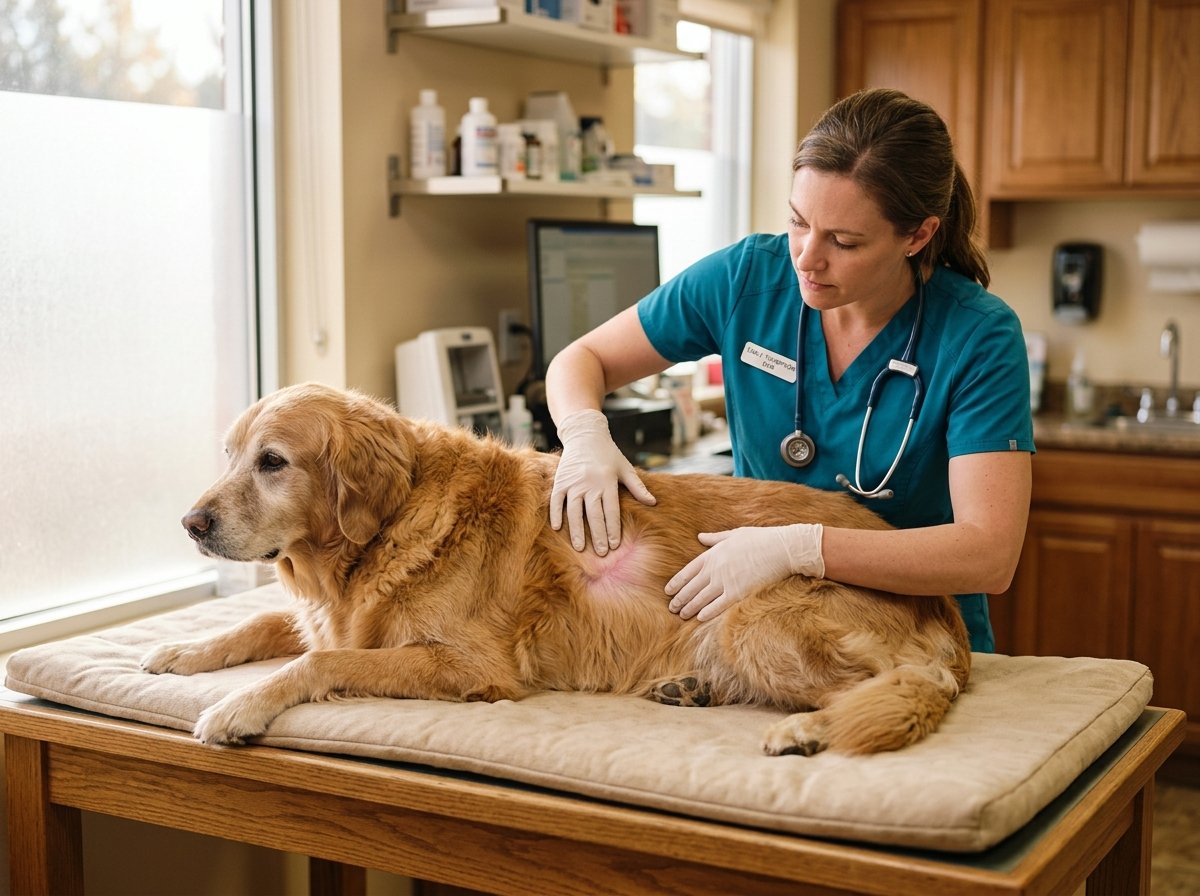
Comparing Diets for Dogs with Sensitive Skin
Different levels of skin sensitivity call for different dietary strategies. The table below outlines how standard over-the-counter formulas compare against specialized limited-ingredient and prescription veterinary diets.
| Diet Type | Protein Source | Omega-3 Level | Allergy Risk | Best Senior Candidate |
|---|---|---|---|---|
| Over-the-Counter Sensitive Skin | Salmon or Pollock | 0.6% – 1.0% | Moderate | Seniors with mild seasonal dryness, dull coat, or light flakes. |
| Limited Ingredient Diet (LID) | Single Novel (Duck / Venison) | 0.8% – 1.2% | Low | Dogs with suspected food intolerances and mild gut upset. |
| Prescription Hydrolyzed Diet | Enzymatically Broken Peptides | 1.0% – 1.5% | Extremely Low | Severe chronic allergies, bloody hot spots, or refractory atopy. |
To see how targeted protein reduction works in real-world feeding routines, read our complete breakdown of limited ingredient dog food options to match ingredients to your dog’s sensitivities.
How to Conduct a Clean 8-Week Food Trial
The only definitive way to confirm a food allergy is through an elimination diet trial. Switching foods for two weeks and giving up because your dog still scratches is the single most common mistake pet parents make.
Skin takes eight to twelve weeks to shed completely and regenerate fresh cells from the basal membrane up. During an official food trial, your senior dog must consume exclusively the new sensitive skin formula and clean water. That means strictly zero table scraps, flavored chew toys, dental bones, or pill pockets made with chicken liver.
If you must administer daily joint supplements or medications, verify their inactive ingredients with your veterinarian. Even a tiny piece of cheese used to hide a capsule can trigger an allergic cascade, resetting the eight-week clock to day one. For detailed nutritional criteria, check our vet-reviewed guide on the dog food for skin allergies selection process.
Step-by-Step Transition to Prevent Tummy Upset
Older dogs possess delicate digestive systems that rebel against abrupt menu adjustments. Switching foods too quickly can trigger vomiting, watery stools, and severe gas that complicate your assessment of their skin.
- Days 1 to 3: Serve 75% old food mixed with 25% new sensitive skin food.
- Days 4 to 6: Offer an even 50% split of both formulas.
- Days 7 to 9: Increase to 25% old food and 75% new sensitive skin food.
- Day 10 onward: Feed 100% new sensitive skin dog food.
If your senior dog produces loose stools at any stage, do not panic. Simply step back to the previous ratio for two additional days until their bowel movements firm up before proceeding.
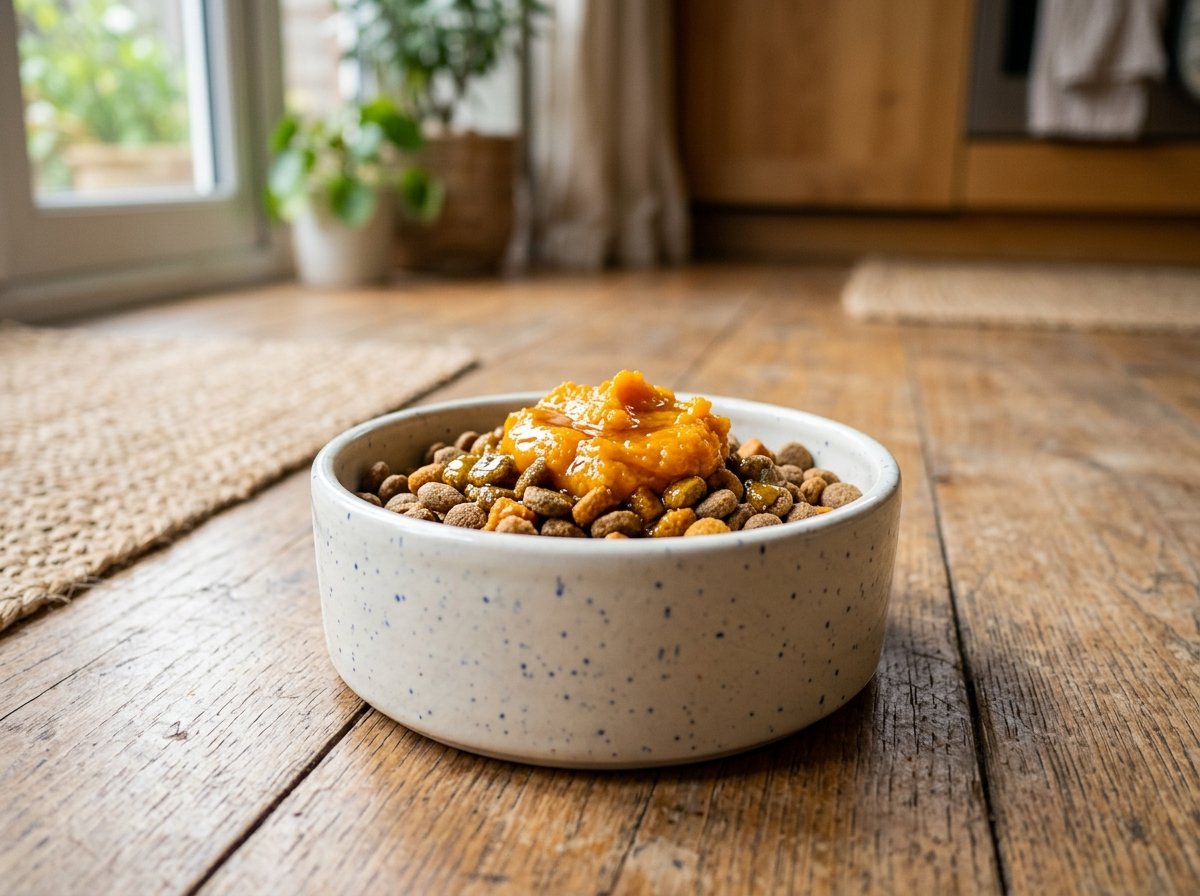
Skin-Soothing Food Toppers and Home Additions
You can enhance the healing power of your dog’s daily meals by incorporating nutrient-dense, gentle whole-food toppers. These simple kitchen additions supply extra moisture and anti-inflammatory nutrients without disrupting an elimination diet.
- Canned Sardines Packed in Water: A half tin of skinless, boneless sardines canned in plain water (no added salt or oils) provides a tremendous dose of fresh omega-3s twice weekly.
- Plain Canned Pumpkin: Pure pumpkin puree supplies soluble fiber that stabilizes gut bacteria while offering vitamin A to promote healthy skin cell turnover.
- Warm Unsalted Bone Broth: Adding warm broth hydrates dry kibble, releasing savory aromas that entice older dogs whose sense of smell has declined with age.
- Veterinary Fish Oil Supplements: Liquid wild Alaskan salmon oil or pollock oil pumped directly onto kibble delivers concentrated EPA and DHA right to the dinner bowl.
Avoid trendy additions like virgin coconut oil unless specifically directed by your vet. While coconut oil is rich in lauric acid, high-fat oils can provoke painful bouts of pancreatitis in vulnerable older dogs without significantly reducing skin inflammation.
Daily Home Care to Complement Sensitive Skin Diets
Diet lays the biological foundation for healthy skin, but daily environmental care prevents external triggers from sabotaging your hard work. Simple adjustments to your home routine keep irritated skin calm and protected.
Bathe your dog every two to three weeks using an oatmeal-based or pramoxine-infused soothing shampoo. Avoid hot water, which strips natural sebum from aging skin. Use lukewarm water and pat your dog dry with soft towels rather than using high-heat blow dryers that bake fragile tissue.
Wipe your senior dog’s paws and belly with an unscented, damp cloth after every outdoor walk. This quick habit removes grass pollens, weed sap, and lawn chemicals before your pet can lick and ingest them. Wash their orthopedic dog bed cover weekly in hypoallergenic, fragrance-free laundry detergent to eliminate dust mites and shed dander.
When Skin Problems Require Immediate Veterinary Care
While diet plays a powerful role in long-term skin health, certain symptoms indicate severe secondary infections that food alone cannot cure. Chronic scratching breaks the skin barrier, allowing resident yeast and staph bacteria to invade open sores.
Schedule an urgent clinic evaluation if you notice moist, weeping red lesions known as hot spots. Similarly, if your dog emits a pungent, musty corn chip odor from their paws, ears, or skin folds, a yeast infection (Malassezia dermatitis) is likely present. Your veterinarian will perform gentle skin scrapes and tape cytology to prescribe targeted antimicrobial shampoos or oral medications.
Authoritative senior health standards from the AVMA senior pet wellness recommendations recommend bi-annual physical exams for aging dogs to catch underlying endocrine conditions like hypothyroidism early. Additionally, evidence-based diagnostic criteria published in the Tufts Clinical Nutrition food allergy guide help owners distinguish true adverse food reactions from environmental atopy, while dermatology chapters in the Merck Veterinary Manual canine dermatology reference detail medical management for compromised skin barriers.
Frequently Asked Questions
How long does it take for sensitive skin dog food to work?
Expect to wait eight to twelve weeks to see the full benefits of a sensitive skin diet. While digestive improvements like firmer stools often appear within two weeks, damaged skin cells and brittle hair follicles require months of steady nutrition to regenerate completely.
Can I give my senior dog chicken broth if they have sensitive skin?
Only give chicken broth if your dog is proven not to be allergic to chicken. Chicken is one of the most common protein allergens in canines. If you are conducting a strict food trial, use broth made strictly from your dog’s approved novel protein or stick to warm water.
Are grain-free foods better for senior dogs with itchy skin?
True grain allergies in dogs are exceptionally rare, accounting for less than one percent of verified food allergies. Most dogs react to animal proteins rather than whole grains like brown rice or oatmeal, which provide beneficial B vitamins and gut-soothing fiber.
Why is my older dog itching more in the winter?
Winter home heating systems drop indoor humidity dramatically, leeching moisture out of your senior dog’s naturally thinning skin. Supplementing meals with marine omega-3 oils and running a room humidifier near their sleeping area can provide substantial seasonal relief.
Should I bathe my dog with sensitive skin more frequently?
Bathing too often with harsh cleansers strips away delicate oils and worsens dryness. Stick to bathing every two to three weeks with a veterinarian-recommended moisturizing oatmeal or ceramide shampoo, using lukewarm water and gentle patting to dry.
A Softer, Calmer Life for Your Senior Companion
Seeing your faithful old friend scratch constantly without relief is exhausting for both of you. By switching to a high-quality, omega-rich dog food for sensitive skin, you address the root cause of their discomfort rather than merely masking surface symptoms.
Stay consistent with your feeding routine, resist the urge to feed random table scraps, and give their skin the time it needs to heal. With the right nutrition in their bowl, your dog can spend their golden years resting peacefully by your side, free from the relentless urge to itch.