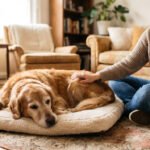


One in five adult dogs in the US lives with arthritis — and most owners don’t catch it until the disease has already stolen months of their dog’s comfort. If you’ve noticed your dog moving slower, hesitating on stairs, or flinching when you touch their hips, arthritis pain relief for dogs isn’t something you can afford to put off.
The good news? You have more options than ever before. This guide walks you through every proven method — from the newest FDA-approved injection to simple at-home changes you can make today. You’ll know exactly what works, what doesn’t, and what to ask your vet at your next appointment.
What Is Arthritis in Dogs?
Arthritis in dogs is the breakdown of cartilage inside the joints. When cartilage wears down, bone rubs against bone — and that’s where the pain comes from.
The medical term is canine osteoarthritis (OA), and it’s the most common cause of chronic pain in dogs. According to the American Animal Hospital Association, canine OA affects an estimated 20% of dogs over one year of age — rising sharply to 80% in dogs over eight years old.
Larger breeds like Labrador Retrievers, German Shepherds, and Golden Retrievers carry the highest risk. But small breeds aren’t immune — Dachshunds, Pugs, and Pomeranians develop arthritis too, often later in life.
Signs Your Dog Is in Arthritis Pain
You can’t always see pain. Dogs instinctively hide discomfort, which makes recognising arthritis harder than it sounds.
Watch for these signs your dog may be suffering:
- Stiffness after rest, especially in the morning
- Reluctance to jump onto furniture or climb stairs
- Limping that worsens in cold or damp weather
- Licking, chewing, or biting at joint areas
- Muscle loss around the hindquarters
- Irritability when touched near the hips or spine
- Reduced interest in walks or play they previously loved
One helpful tool you can use right now is the Colorado State University Canine Acute Pain Scale, a free, vet-validated chart that helps you objectively measure your dog’s pain level at home. Print it, use it at each assessment, and bring your notes to the vet — it makes a real difference in how accurately your dog gets treated.
Why One Treatment Rarely Works Alone
Here’s something most articles skip: a single pill or supplement almost never gives your dog full pain relief. Vets call the gold standard approach multi-modal pain management — layering several methods together.
Think of it like a three-legged stool. Medication handles acute pain. Supplements support joint health long-term. Environmental changes reduce daily strain. Remove any one leg, and the stool falls.
A 2023 study published in Frontiers in Veterinary Science confirmed that dogs receiving multimodal treatment showed significantly greater improvements in mobility than dogs on medication alone. You’ll get the best results for your dog by combining the methods below — not picking just one.
Arthritis Pain Relief for Dogs — 9 Methods That Work
1. NSAIDs (Non-Steroidal Anti-Inflammatory Drugs)
NSAIDs are still the most widely prescribed arthritis treatment for dogs. Carprofen (Rimadyl), meloxicam (Metacam), deracoxib (Deramaxx), and grapiprant (Galliprant) all reduce joint inflammation and pain effectively.
Your vet must prescribe these — they’re not over-the-counter medications. Long-term NSAID use requires regular blood work to monitor kidney and liver health, typically every 6–12 months.
Important: Never give your dog ibuprofen, naproxen, or aspirin. These human NSAIDs are toxic to dogs and can cause life-threatening internal bleeding.
2. Librela — The Newest FDA-Approved Option
Librela (bedinvetmab) is a monthly injectable monoclonal antibody that the FDA approved for canine osteoarthritis in 2023. By 2025-2026, it’s become one of the most talked-about advances in veterinary pain management.
It works by blocking nerve growth factor (NGF), a protein that drives pain signalling in arthritic joints. Unlike NSAIDs, Librela doesn’t stress the kidneys or liver — making it an excellent option for older dogs with organ concerns.
Clinical trials showed that dogs on Librela had measurable improvements in mobility and pain scores within four weeks. Ask your vet specifically about Librela if your dog is a senior or has kidney disease. The FDA’s official Librela approval page provides full clinical trial data you can review before your appointment.
3. Glucosamine and Chondroitin Supplements
Glucosamine and chondroitin are the most commonly used joint supplements for dogs — and they actually have solid science behind them. These compounds support cartilage repair and reduce joint fluid breakdown over time.
They won’t replace medication for moderate to severe pain, but they’re genuinely useful as long-term joint support. Look for products that carry the National Animal Supplement Council (NASC) quality seal, which means the product has passed independent quality testing.
Cosequin and Dasuquin are two of the most consistently recommended brands by veterinary professionals. Results typically take 4–8 weeks to show, so give it time before you give up.
4. Omega-3 Fatty Acids (Fish Oil)
Fish oil is one of the most underrated arthritis tools you have available. The EPA and DHA in fish oil actively reduce inflammatory cytokines in joint tissue — this isn’t just anecdotal. A study in the Journal of the American Veterinary Medical Association found dogs with OA who received fish oil showed significant improvements in pain scores and ability to rise from rest.
The dosing matters. Most vets recommend 20–55mg of EPA/DHA per pound of body weight daily. Use a high-quality fish oil specifically formulated for dogs, not a human supplement, as some human versions contain xylitol which is toxic to dogs.
5. Weight Management — The Most Overlooked Relief Method
Carrying extra weight is one of the cruelest things arthritis does to a dog. Every extra pound adds roughly four pounds of pressure to the joints with every step.
Even modest weight loss — 6–8% of body weight — produces clinically significant pain reduction. A landmark study from the University of Liverpool found that overweight arthritic dogs showed a 20–25% reduction in lameness scores after reaching a healthy weight.
Ask your vet to assess your dog’s body condition score (BCS) at your next visit. If your dog scores above 5/9, weight loss is likely the single highest-impact change you can make.
6. Physical Therapy and Hydrotherapy
Canine physical therapy has expanded dramatically. Certified canine rehabilitation practitioners (CCRPs) use massage, therapeutic exercises, laser therapy, and hydrotherapy to reduce pain and rebuild muscle strength around arthritic joints.
Hydrotherapy — swimming or underwater treadmill work — is particularly powerful because water supports body weight while allowing joint movement. Dogs who’d struggle to walk on land often move freely in water, helping them rebuild strength without pain.
Sessions typically cost $40–$100 each. This isn’t cheap, but two or three sessions per week for a month can create lasting improvements in mobility. Search the CCRA certified therapist directory to find a qualified practitioner near you.
7. Acupuncture and Laser Therapy
Veterinary acupuncture is backed by more research than many people expect. The American Journal of Traditional Chinese Veterinary Medicine published multiple studies showing that acupuncture reduces pain scores in dogs with OA, likely through endorphin release and modulation of nerve signaling.
Cold laser therapy (also called photobiomodulation) uses light wavelengths to reduce inflammation in joint tissue. Many veterinary clinics now offer both. Neither replaces medical treatment, but both work well as part of your multi-modal plan.
8. Environmental Modifications at Home
Your home environment makes a bigger difference than most owners realise. Simple changes reduce the physical strain your dog faces every single day.
Here are the modifications with the greatest impact:
| Modification | Why It Helps |
|---|---|
| Orthopedic memory foam bed | Reduces pressure on joints during sleep (8–12 hrs/day) |
| Non-slip floor mats or rugs | Prevents painful slipping on hardwood or tile |
| Dog ramp or steps | Eliminates jumping stress on hips and knees |
| Raised food and water bowls | Reduces neck and front leg joint strain |
| Warm coat in cold weather | Cold worsens joint stiffness and inflammation |
These changes cost far less than medications and work immediately. Start with the bed and floor mats — they deliver the fastest visible results.
9. Prescription Gabapentin and Other Pain Medications
For dogs with severe arthritis, vets sometimes add gabapentin — a nerve pain medication — to the treatment plan. It works differently from NSAIDs by quieting overactive pain signals in the nervous system.
Tramadol is another option your vet may discuss, though recent research questions its effectiveness as a standalone pain reliever in dogs. Amantadine targets chronic pain pathways and works well combined with NSAIDs for dogs who’ve stopped responding to standard treatment.
Always discuss adding new medications with your vet — drug interactions are real, and seniors often metabolise medications differently.
What You Can Do Today, Right Now
You don’t have to wait for a vet appointment to start helping your dog. Here’s what you can do in the next 24 hours.
First, assess your dog’s pain using the Colorado State University pain scale — it takes five minutes and gives you real data. Second, check your floors — if they’re slippery, put down a runner or yoga mat on the routes your dog travels most. Third, move your dog’s sleeping spot away from drafts, and consider an orthopedic bed if you don’t already have one.
These aren’t substitutes for veterinary care. They’re the bridge between now and your next appointment — and they make a real difference.
An Honest Word About Limitations
Arthritis is a progressive disease. No treatment reverses the damage that’s already done. The goal is pain management, mobility preservation, and quality of life — not a cure.
Some dogs respond beautifully to multi-modal management and live active, comfortable lives for years. Others have more severe disease and need ongoing adjustment of their treatment plan. You’ll likely need to revisit what’s working every three to six months.
Cost is also real. A full multi-modal plan including vet visits, Librela injections, supplements, and physical therapy can run $150–$500 per month depending on your location and dog’s size. Start with what you can afford and build from there — even partial management is better than none.
FAQ: Arthritis Pain Relief for Dogs
What can I give my dog for arthritis pain at home?
Fish oil, glucosamine, and chondroitin are safe supplements you can start without a prescription. Environmental modifications — orthopedic beds, non-slip mats, ramps — also help immediately. Never give human NSAIDs like ibuprofen or aspirin, as these are toxic to dogs.
What is the best prescription pain reliever for dogs with arthritis?
Most vets start with an NSAID like meloxicam or carprofen. For dogs with kidney or liver concerns, Librela (a monthly injection) is often the better choice. Your vet will decide based on your dog’s bloodwork, weight, age, and pain severity.
At what age do dogs typically develop arthritis?
Arthritis can appear as early as age one in dogs with joint abnormalities, but it’s most common in dogs over seven years old. Large breeds tend to develop it earlier — often between five and seven years. Small breeds may not show signs until age nine or ten.
Is there anything over-the-counter I can give my dog for arthritis?
Joint supplements like glucosamine-chondroitin products (Cosequin, Dasuquin) and fish oil are available without a prescription and are genuinely useful. No safe OTC pain medications exist for dogs — all true pain medications require a vet prescription.
How do I know if my dog’s arthritis treatment is working?
Track your dog’s pain score using a consistent scale like the Colorado State University Canine Pain Scale every one to two weeks. Note changes in how quickly they rise from rest, their willingness to walk, and their energy level. Share these records with your vet — they’re far more useful than a verbal description.
Can dogs with arthritis still exercise?
Yes — and they should. Low-impact, consistent movement is one of the best things for arthritic dogs. Short, gentle walks daily are better than one long walk weekly. Swimming is ideal if your dog tolerates it. Avoid high-impact activities like jumping, fetch on hard ground, or rough play.
The Bottom Line
Arthritis pain relief for dogs isn’t a single decision — it’s an ongoing commitment to your dog’s quality of life. The dogs that do best are the ones whose owners take a layered approach: working with their vet on medication, adding proven supplements, adjusting the home environment, and staying consistent.
Your next step is specific: book a vet appointment this week, bring a written list of your dog’s symptoms and how long you’ve noticed each one, and ask directly about multi-modal pain management and whether Librela is appropriate for your dog.
You know your dog better than anyone. That knowledge, combined with the right veterinary support, gives your dog the best possible chance at a comfortable, active life — even with arthritis.